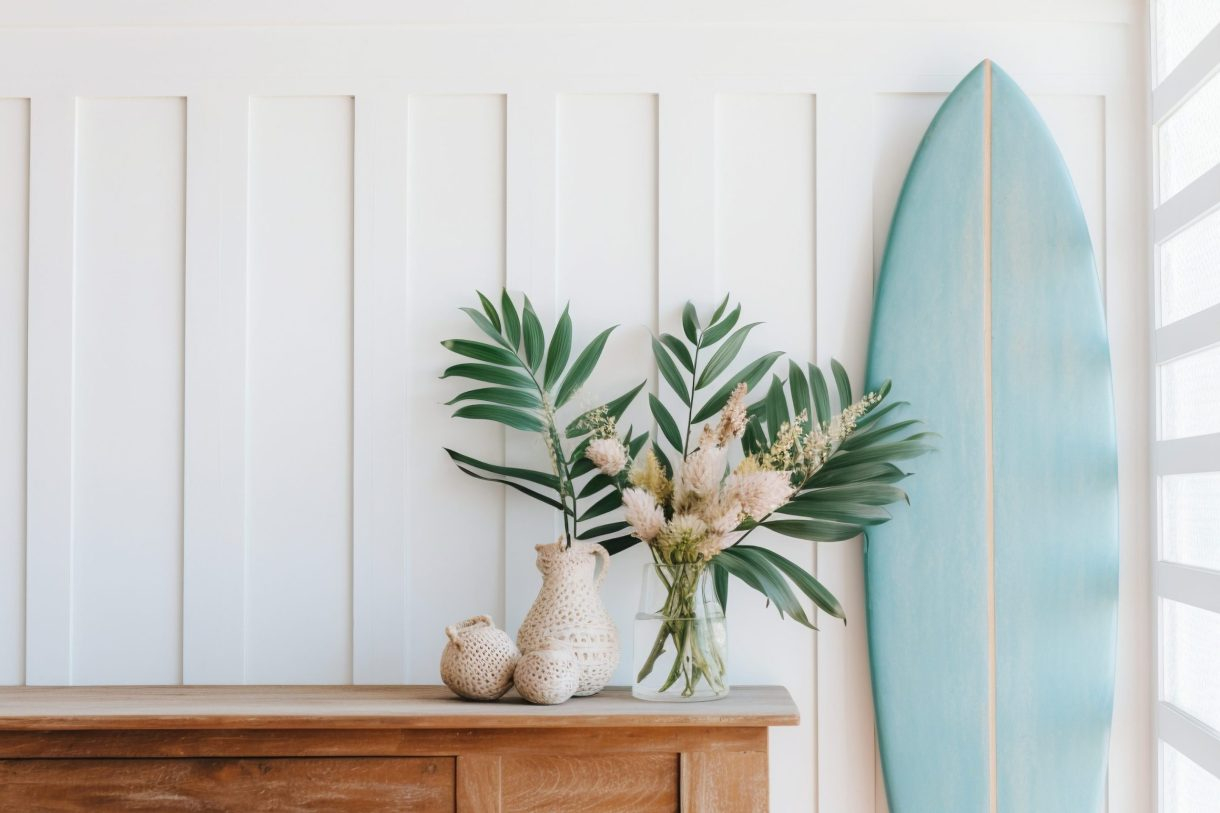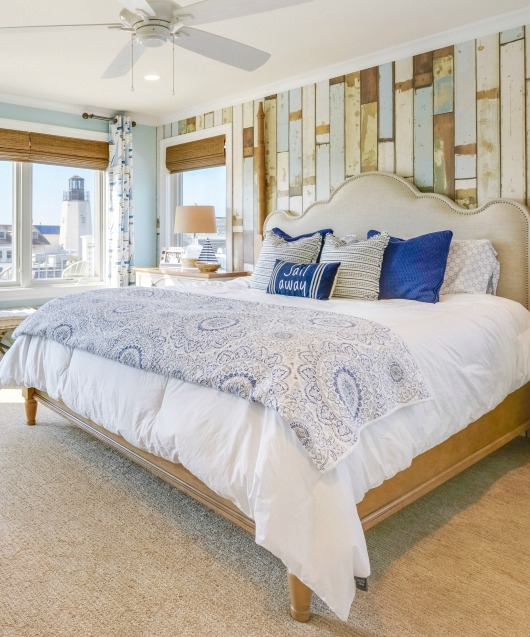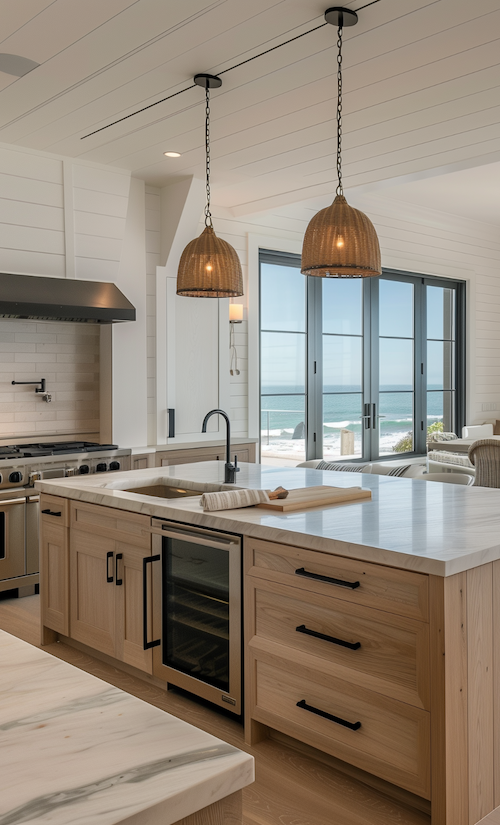
There’s something deeply comforting about wood in a coastal setting. It brings warmth to cool, breezy spaces while maintaining that fresh, seaside feel we all crave. When you think of beach houses and coastal living, wood tones often come to mind as the foundation that makes everything feel grounded and inviting.
Coastal decor isn’t just about blues and whites. It’s about creating spaces that feel like a gentle hug from nature itself. Wood tones play a crucial role in achieving this balance between the ruggedness of ocean winds and the softness of sandy shores. These natural elements don’t just look good together – they actually work in harmony to create environments that feel both relaxing and energizing. Whether you’re renovating a seaside cottage or simply updating your coastal-inspired living space, understanding how wood tones fit into the bigger picture can transform your entire approach to design.
The Foundation of Coastal Wood Tones
When we talk about wood tones in coastal design, we’re really talking about the natural hues that earth provides. These range from light, almost bleached whites to rich, weathered browns that have been kissed by salt air and sun. The beauty lies in their versatility. Light oak and pine bring brightness and airiness, perfect for rooms that need to feel open and bright. Darker woods like teak and cedar add depth and richness, creating cozy nooks where you can curl up with a book. What makes these tones so special is their ability to age gracefully. Unlike synthetic materials that might look dated after a few years, wood tones naturally evolve, becoming even more beautiful with time.
Choosing the Right Wood for Your Coastal Space
Not all woods are created equal when it comes to coastal settings. Some are better suited than others for the salty environment and high humidity that characterizes seaside living. Teak stands out as perhaps the most popular choice for coastal homes. Its natural oils make it resistant to moisture and insects, and it develops a lovely silver-gray patina over time. Cedar offers a rustic charm that many find irresistible, especially in outdoor spaces like decks and porches. For indoor areas, lighter woods like maple and birch provide a clean, fresh appearance that complements the coastal aesthetic beautifully. Consider the room’s function too. Kitchen areas might benefit from harder woods like bamboo or acacia that can handle daily wear and tear.
Texture Matters More Than You Think
Wood texture adds dimension to coastal spaces that simple color alone cannot achieve. Think about the difference between smooth, polished surfaces and rough, weathered textures. In coastal design, there’s often a preference for woods that show some character – the grain patterns, knots, and natural imperfections that make each piece unique. This isn’t just about aesthetics; it’s about creating a tactile experience that connects you to nature. A wooden dining table with visible grain can become a conversation starter, while a coffee table with a distressed finish can tell a story of its own. The texture helps soften the sometimes stark lines that can define coastal architecture.
Color Harmony in Coastal Wood Applications
Coastal design relies heavily on color relationships, and wood tones serve as the anchor for these combinations. When selecting wood tones, consider how they’ll interact with blues, whites, and sandy neutrals that dominate coastal palettes. Light wood tones pair beautifully with pale blues and soft grays, creating a fresh, airy feeling. Medium tones can handle bolder accents like coral or sage green. Darker woods need to be balanced carefully with lighter elements to avoid making a space feel heavy or closed-in. A well-chosen wood tone can tie together disparate elements in a room, creating visual continuity that makes everything feel connected.
Practical Uses Beyond Furniture
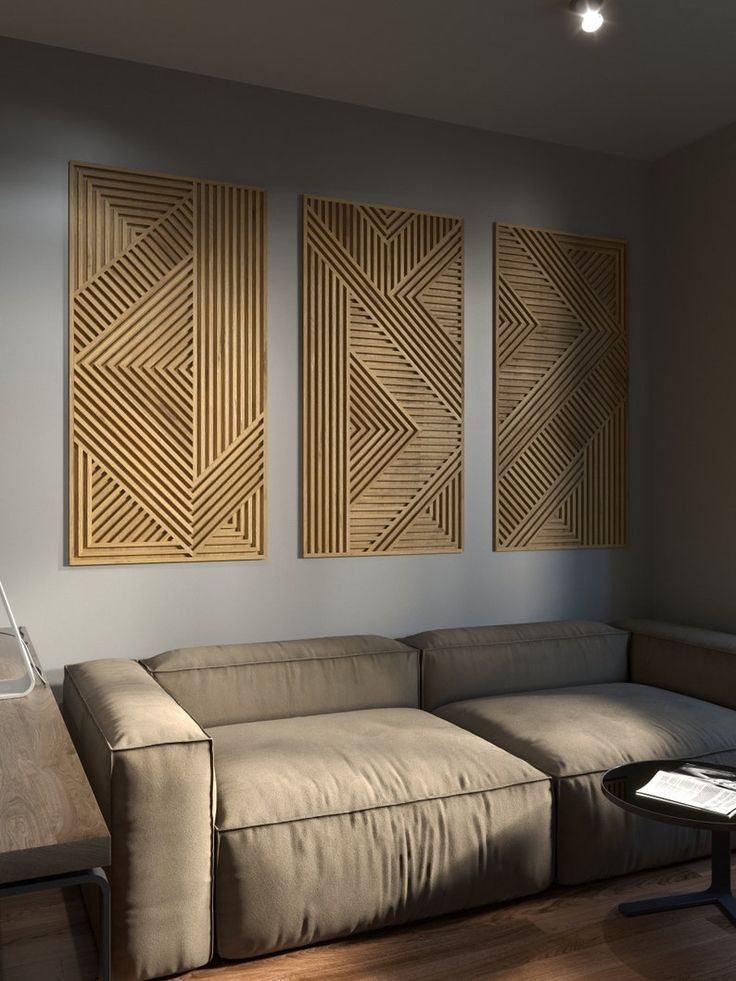
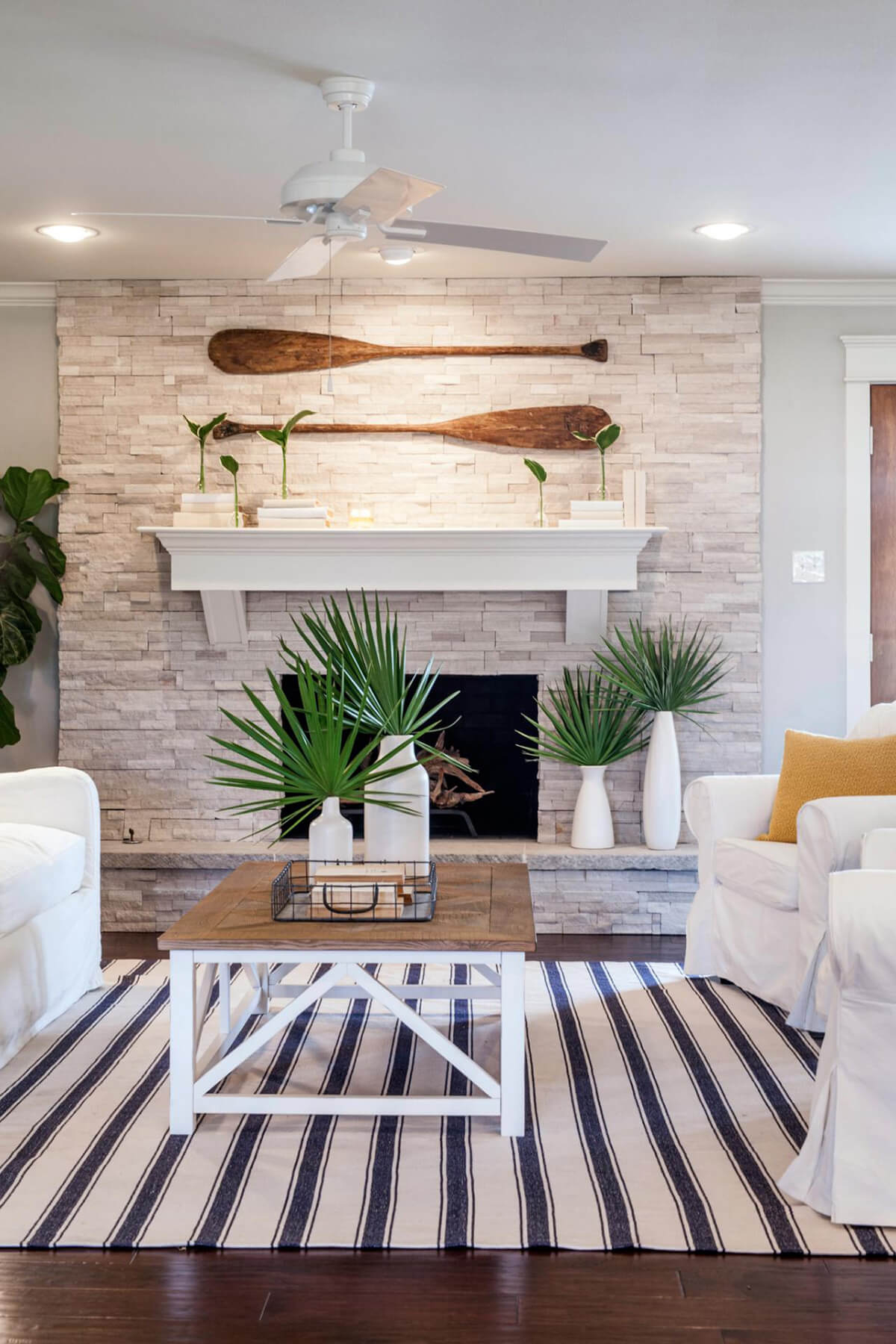
Wood isn’t just for tables and chairs in coastal design. It works wonders in unexpected places too. Consider wood flooring that mimics the look of weathered planks, adding character to entryways and hallways. Wood paneling can create focal points in living rooms or bedrooms without overwhelming the space. Even small details matter – wood accents on light fixtures, picture frames, or decorative objects can add warmth and personality. The key is using wood thoughtfully, ensuring it enhances rather than competes with other design elements. Sometimes, a single wooden accent can completely change a room’s mood and feel.
Maintaining Your Coastal Wood Elements
Keeping wood elements looking their best in coastal environments requires attention to detail. Salt air can be particularly harsh on wood surfaces, so regular cleaning with appropriate products is essential. Consider applying protective finishes that will preserve the wood’s natural beauty while offering protection against moisture. Regular maintenance prevents issues before they become major problems. This might mean reapplying sealers every few years or simply wiping down surfaces regularly. Many coastal homeowners find that their wood furniture develops a lovely patina over time, which adds character rather than detracting from the overall look.
Wood tone design elements in coastal decor offer a perfect blend of natural beauty and practical functionality. They create spaces that feel both grounded and airy, familiar yet refreshing. Whether you’re starting from scratch or updating existing coastal spaces, incorporating wood tones thoughtfully can elevate your design significantly. The key is choosing the right types of wood, considering how they’ll work with your overall color scheme, and being mindful of maintenance needs. When done correctly, wood elements don’t just decorate a space – they become part of its soul, creating environments that feel truly coastal and deeply personal.
[sps_html tag=”img” src=”https://cdn.theartssection.com/wp-content/uploads/2025/11/4-striking-coastal-bedroom-ideas-shop-the-look-within-licensed-corona-brown-wood-tones-surfboard-plaque-wall-sign-60×15-1.jpg” alt=”4 Striking Coastal Bedroom Ideas | Shop The Look within Licensed Corona Brown Wood Tones Surfboard Plaque Wall Sign, 60"X15"” style=”width: 100%; height: auto;”]
[sps_html tag=”img” src=”https://cdn.theartssection.com/wp-content/uploads/2025/11/how-to-make-coastal-home-interior-design-look-classy-not-tacky-with-licensed-corona-brown-wood-tones-surfboard-plaque-wall-sign-60×15-1.png” alt=”How To Make Coastal Home Interior Design Look Classy Not Tacky … with Licensed Corona Brown Wood Tones Surfboard Plaque Wall Sign, 60"X15"” style=”width: 100%; height: auto;”]
[sps_html tag=”img” src=”https://cdn.theartssection.com/wp-content/uploads/2025/11/34-best-beach-and-coastal-decorating-ideas-and-designs-for-2020-in-exploring-wood-tone-design-elements-in-coastal-decor.jpeg” alt=”34 Best Beach And Coastal Decorating Ideas And Designs For 2020 in Exploring Wood Tone Design Elements in Coastal Decor” style=”width: 100%; height: auto;”]
[sps_html tag=”img” src=”https://cdn.theartssection.com/wp-content/uploads/2025/11/15-coastal-colors-that-will-dominate-home-design-in-2025-inside-exploring-wood-tone-design-elements-in-coastal-decor.jpg” alt=”15 Coastal Colors That Will Dominate Home Design In 2025 inside Exploring Wood Tone Design Elements in Coastal Decor” style=”width: 100%; height: auto;”]
[sps_html tag=”img” src=”https://cdn.theartssection.com/wp-content/uploads/2025/11/11-types-of-coastal-interior-design-styles-to-know-inside-licensed-corona-brown-wood-tones-surfboard-plaque-wall-sign-60×15-1.jpg” alt=”11 Types Of Coastal Interior Design Styles To Know inside Licensed Corona Brown Wood Tones Surfboard Plaque Wall Sign, 60"X15"” style=”width: 100%; height: auto;”]