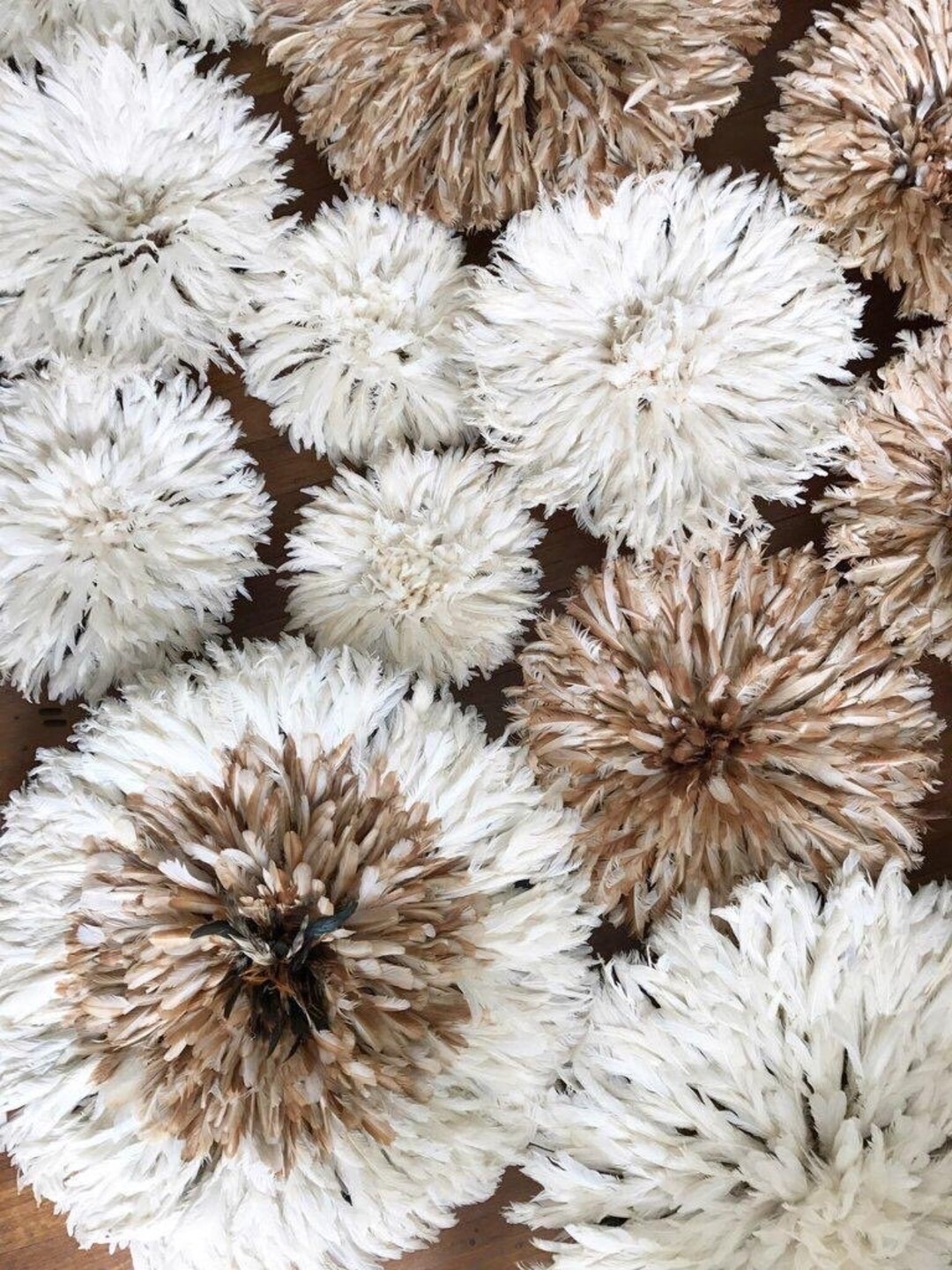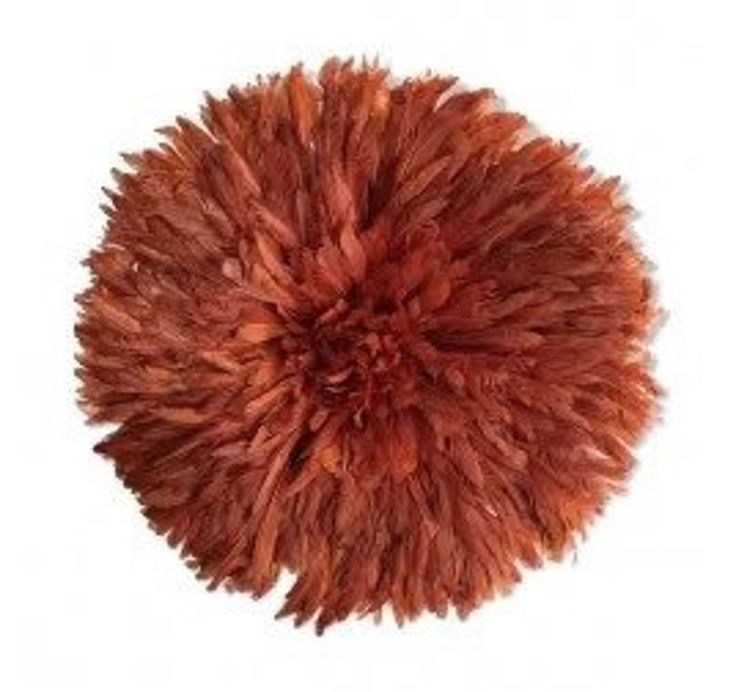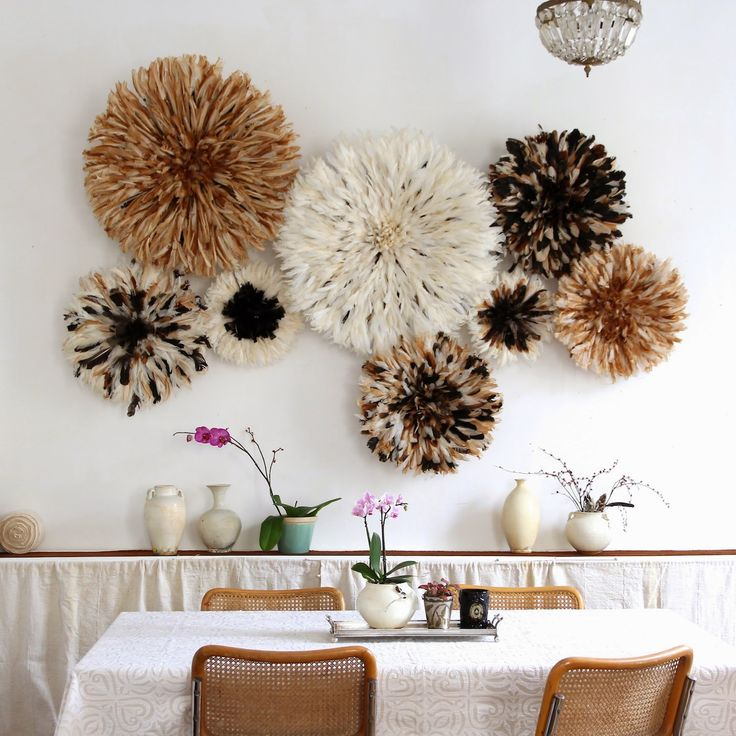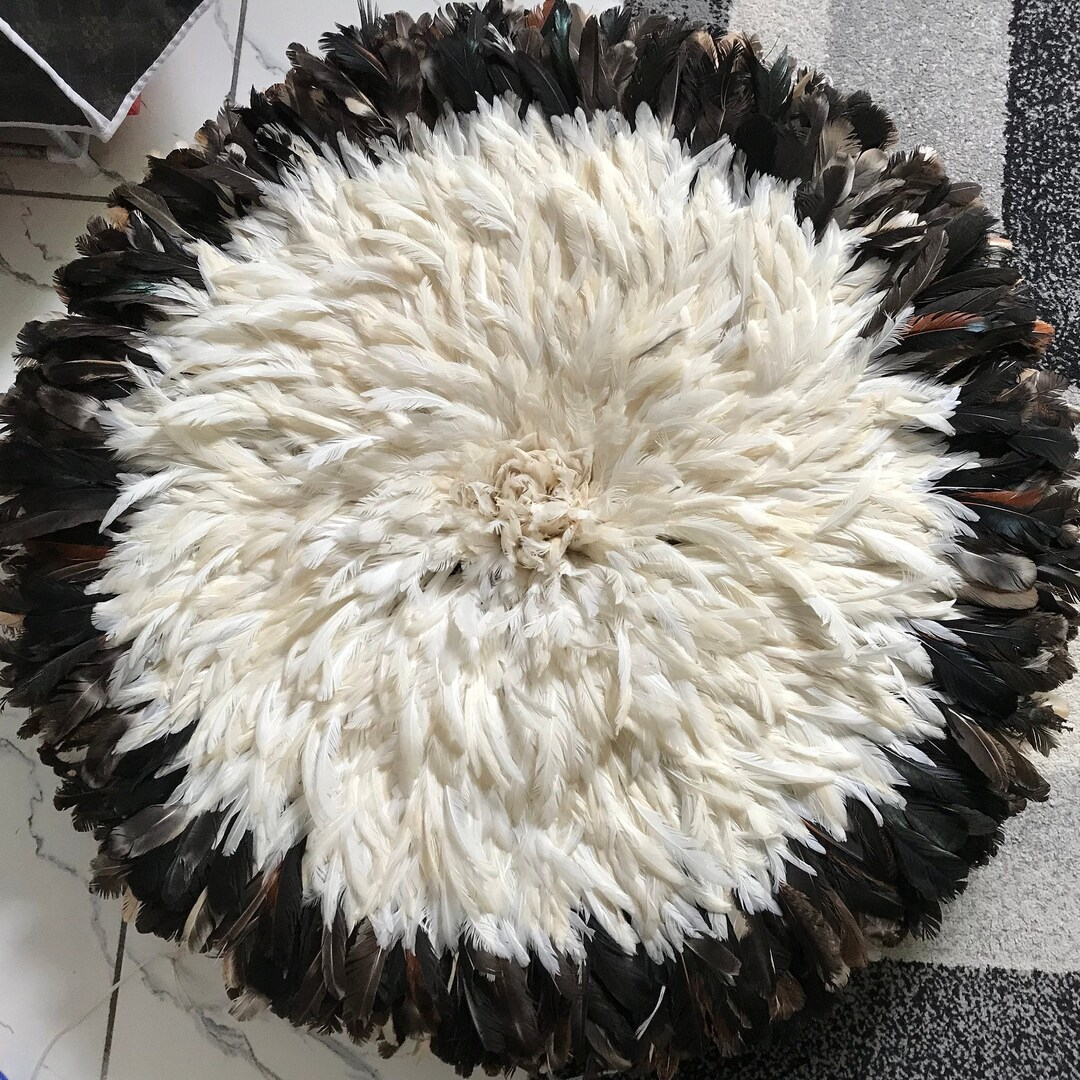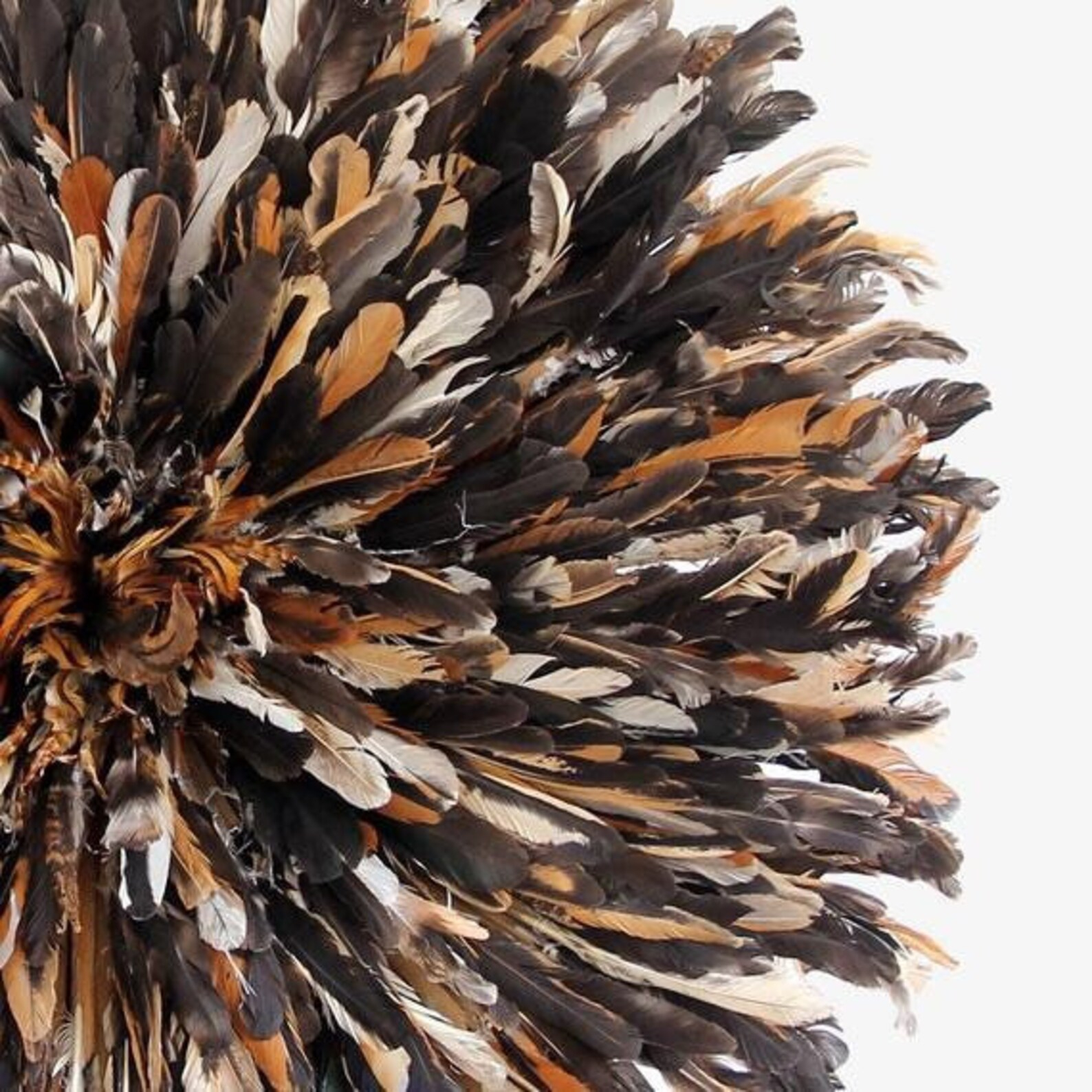
In the heart of West Africa, where tradition meets craftsmanship, lies a mesmerizing art form that has been passed down through generations. The creation of brown juju hats isn’t just about fashion – it’s a deeply rooted cultural practice that tells stories of ancestors, beliefs, and community bonds. These distinctive hats, with their rich brown hues and unique shapes, represent far more than mere headwear. They’re vessels of heritage, carrying forward the wisdom and skills of master craftspeople who’ve perfected their techniques over centuries.
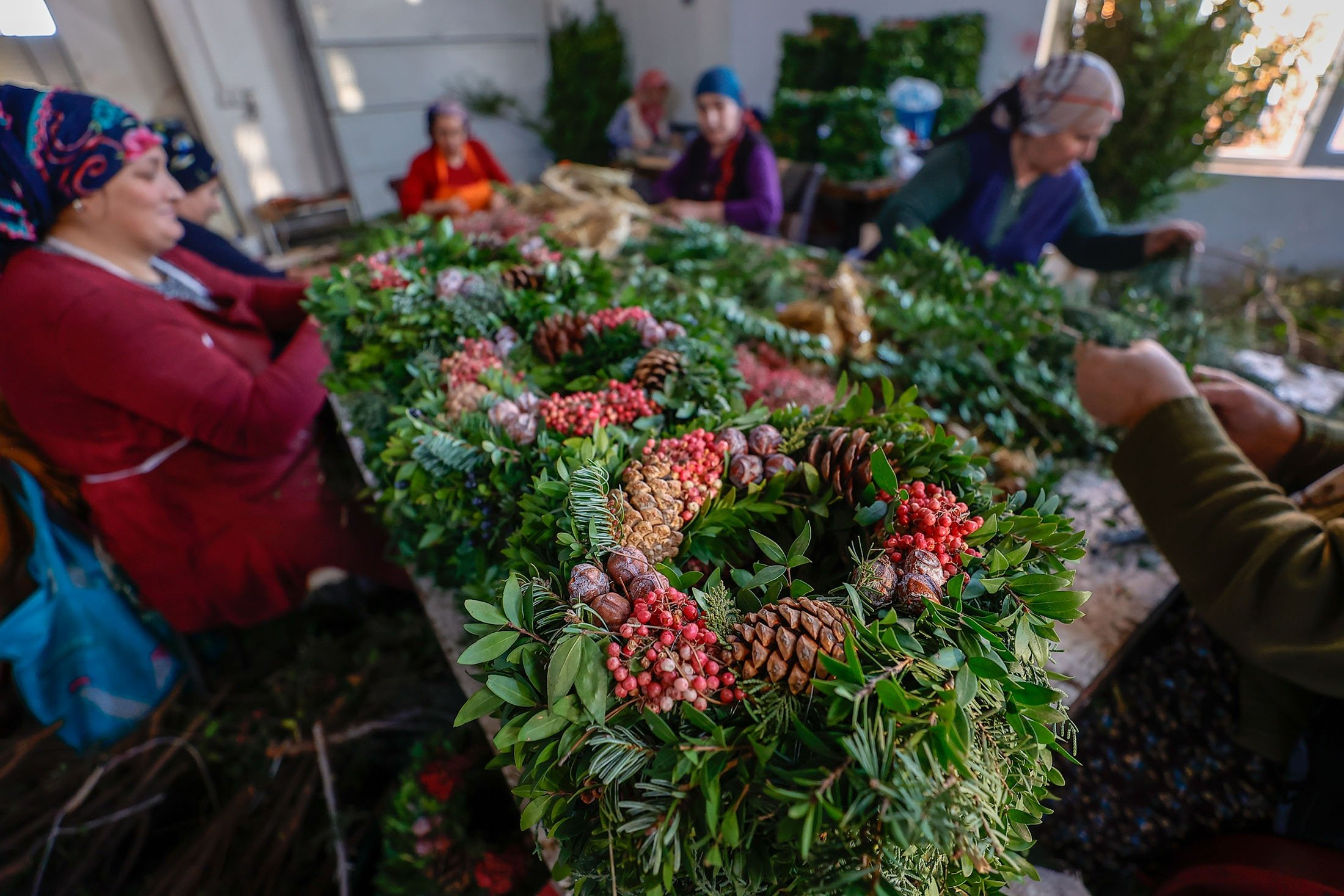
Picture this: a skilled artisan sitting cross-legged in a dusty workshop, their weathered hands moving with practiced grace as they manipulate strips of palm leaves. The rhythmic sound of weaving fills the air while the sweet scent of natural materials mingles with the warmth of the afternoon sun. This isn’t just a craft session – it’s a continuation of an ancient tradition that spans generations. Brown juju hats, with their distinctive earthy tones and symbolic meanings, represent more than fashion. They embody the essence of cultural identity and artistic expression that connects communities across time and space. Every weave tells a story, every pattern holds significance, and every hat carries the weight of tradition.
Historical Origins and Cultural Significance
The origins of brown juju hat crafting trace back centuries, rooted deeply in the traditions of various West African societies. These hats weren’t simply created for protection from the elements – they were imbued with spiritual and social meanings that connected wearers to their heritage. Historically, different regions developed their own variations, each with distinct characteristics that reflected local customs and beliefs.
In many cultures, the brown color itself held special significance, representing the earth, fertility, and connection to ancestral spirits. The process of creating these hats often involved elaborate ceremonies and rituals that marked important life transitions. Elders would pass down knowledge through oral traditions, ensuring that the techniques remained intact across generations. The hats themselves served multiple purposes – from protecting against harsh weather to serving as symbols of status, religious devotion, or community belonging. Understanding this historical context helps appreciate why these traditional methods remain so cherished today.
Core Materials and Preparation Processes
The foundation of any quality brown juju hat begins with selecting and preparing the right materials. Traditional craftsmen rely heavily on natural resources found in their environment, particularly palm fronds, which provide the primary structural element. The selection process is meticulous – artisans look for fronds that are neither too young nor too old, seeking those with optimal flexibility and strength.
The preparation phase involves several steps that transform raw materials into usable components. Palm fronds are first soaked in water to soften them, making them easier to work with. Then comes the critical process of splitting the fronds into thin, uniform strips. This requires both skill and patience, as uneven strips can compromise the final product’s integrity. Some artisans also incorporate other natural fibers like grasses or even animal hair to add texture and durability. The brown coloration typically develops naturally during the drying process, though some craftspeople may use natural dyes derived from local plants to achieve desired shades.
Traditional Weaving Methods and Patterns
The actual weaving process represents the heart of juju hat craftsmanship, requiring a deep understanding of pattern repetition and structural balance. Traditional methods often involve creating a circular base structure before building upward in layers. Artisans begin by forming a central core using the prepared strips, then gradually expand outward in spiraling patterns.
What makes these techniques so remarkable is their reliance on hand-eye coordination and muscle memory developed over countless hours of practice. Different weaving patterns serve various purposes – some create stronger structural elements, while others enhance aesthetic appeal. The rhythm of the weaving process becomes almost meditative, with artisans moving through familiar sequences that have been refined over centuries. Many patterns follow mathematical principles that ensure even distribution of stress and optimal flexibility. The result is a hat that not only looks beautiful but also maintains its shape and durability through regular use.
Seasonal Variations and Regional Differences
Just as weather patterns vary across different seasons, so too do juju hat crafting techniques adapt to regional conditions and cultural preferences. In areas with heavy rainfall, artisans might develop more robust construction methods to prevent water damage. Conversely, in arid regions, they might focus on creating lighter, more breathable designs.
Regional variations extend beyond climate considerations. Each area has its own preferred styles, colors, and decorative elements. Some communities emphasize elaborate braiding patterns, while others prioritize simple, clean lines. The size and shape of the finished hats can vary significantly between regions, reflecting local customs and practical needs. For instance, hats worn by religious leaders might feature additional symbolic elements, while those used in agricultural communities could incorporate patterns representing fertility or harvest cycles. These differences showcase how traditional techniques evolve while maintaining core principles.
Modern Challenges and Preservation Efforts
Today’s juju hat makers face numerous challenges that threaten the continuation of these ancient practices. Urbanization has led to fewer young people learning traditional crafts, while modern alternatives like synthetic materials offer cheaper and faster production options. Economic pressures often push artisans toward mass-produced items rather than spending months creating individual pieces.
However, there are dedicated efforts to preserve these techniques. Cultural organizations, museums, and educational institutions have begun documenting traditional methods and providing training opportunities. Some artisans have successfully adapted their skills to meet contemporary market demands while maintaining core traditional elements. Others have embraced digital platforms to share their knowledge with global audiences. The key lies in finding ways to honor ancestral methods while allowing room for necessary adaptations to survive in today’s economy.
Cultural Impact and Contemporary Relevance
Beyond their practical uses, brown juju hats carry immense cultural weight in contemporary society. They serve as symbols of identity and pride for many communities, representing a connection to ancestral wisdom and traditional values. In modern contexts, these hats often appear at cultural festivals, religious ceremonies, and important social gatherings.
The influence extends beyond their immediate cultural groups. Fashion designers and artists worldwide have drawn inspiration from traditional juju hat aesthetics, incorporating elements into contemporary designs. This cross-cultural appreciation helps ensure that these techniques continue to be valued and studied. The hats also play roles in educational settings, where they serve as tangible connections to history and cultural studies. Their presence in museums and cultural centers helps preserve not just the physical artifacts but also the stories and techniques behind their creation.
The world of brown juju hat crafting offers a fascinating glimpse into how traditional skills can endure through changing times while maintaining their essential character. These hats represent more than simple accessories – they’re living testimonies to human creativity, cultural continuity, and the enduring power of shared knowledge. As we navigate an increasingly globalized world, preserving these techniques becomes crucial not just for cultural reasons, but for understanding our collective human heritage. Whether you’re a craftsman seeking to learn, a student exploring cultural practices, or simply someone who appreciates beautiful handmade objects, the journey into traditional juju hat making reveals a world where ancient wisdom meets modern appreciation. The patterns, techniques, and stories embedded in these hats remind us that true craftsmanship transcends time and trends.
[sps_html tag=”img” src=”https://cdn.theartssection.com/wp-content/uploads/2025/11/juju-hat-set-white-speckled-brown-peach-and-rust-juju-hat-african-juju-in-the-cultural-significance-of-natural-brown-juju-hat-decor-30-5-in-modern-design.jpg” alt=”Juju Hat Set White Speckled Brown, Peach And Rust Juju Hat African Juju … in The Cultural Significance of Natural Brown Juju Hat Decor 30 5 in Modern Design” style=”width: 100%; height: auto;”]
[sps_html tag=”img” src=”https://cdn.theartssection.com/wp-content/uploads/2025/11/brown-and-white-juju-hat-wall-decor-feathers-african-bamileke-pertaining-to-natural-brown-juju-hat-decor-30-5.jpg” alt=”Brown And White Juju Hat Wall Decor Feathers, African Bamileke … pertaining to Natural Brown Juju Hat Decor, 30.5″ style=”width: 100%; height: auto;”]
[sps_html tag=”img” src=”https://cdn.theartssection.com/wp-content/uploads/2025/11/juju-hat-wall-decor-natural-dark-juju-hat-wall-hanging-etsy-in-natural-brown-juju-hat-decor-30-5.jpg” alt=”Juju Hat Wall Decor Natural Dark Juju Hat Wall Hanging - Etsy in Natural Brown Juju Hat Decor, 30.5″ style=”width: 100%; height: auto;”]
[sps_html tag=”img” src=”https://cdn.theartssection.com/wp-content/uploads/2025/11/kronbali-juju-hats-natural-feather-juju-hat-installation-juju-hat-with-regard-to-natural-brown-juju-hat-decor-30-5.jpg” alt=”Kronbali Juju Hats: Natural Feather Juju Hat Installation | Juju Hat … with regard to Natural Brown Juju Hat Decor, 30.5″ style=”width: 100%; height: auto;”]
[sps_html tag=”img” src=”https://cdn.theartssection.com/wp-content/uploads/2025/11/natural-feather-juju-hats-unique-and-beautiful-home-wall-decor-gifts-throughout-the-cultural-significance-of-natural-brown-juju-hat-decor-30-5-in-modern-design.jpg” alt=”Natural Feather Juju Hats Unique And Beautiful Home Wall Decor Gifts … throughout The Cultural Significance of Natural Brown Juju Hat Decor 30 5 in Modern Design” style=”width: 100%; height: auto;”]