Ever walked into a tiny room and felt like you were trapped? Or maybe you’ve been living in a space that feels cramped despite being just average size? It’s not just about the square footage—it’s about how we perceive and experience space. What if you could make even the tiniest corner feel like a breath of fresh air? That’s exactly what we’re going to explore today.
Small spaces have a way of making us feel confined, but they don’t have to be restrictive. Think about it—how many times have you walked into a room and immediately felt overwhelmed by its size? Sometimes it’s not the room itself that’s too small, but how we’ve chosen to fill it and organize it. The truth is, there’s a whole art to making small rooms feel large. It’s not about trickery or illusion—it’s about smart choices and thoughtful design. Whether you’re dealing with a studio apartment, a compact bedroom, or a cozy living area, understanding how to work with limited space can completely transform your daily life. This isn’t just about making things look bigger; it’s about creating an environment that feels open, welcoming, and full of possibility.
The Psychology of Perceived Space
Our brains are wired to see space differently than our eyes do. When we walk into a room, we immediately start assessing its dimensions based on visual cues. If everything looks crowded, our brains tell us the space is smaller than it really is. But when we create visual flow and balance, we send signals to our minds that the room is larger than it appears. The key lies in understanding how light, color, and proportions interact with our perception. For instance, when you place a mirror strategically, it doesn’t just reflect light—it creates the illusion of depth. It’s almost like adding another dimension to your room. Consider a tiny bathroom where a large mirror makes the space feel twice as big. It’s not magic; it’s psychology working in harmony with design principles.
Lighting: Your Secret Weapon for Space
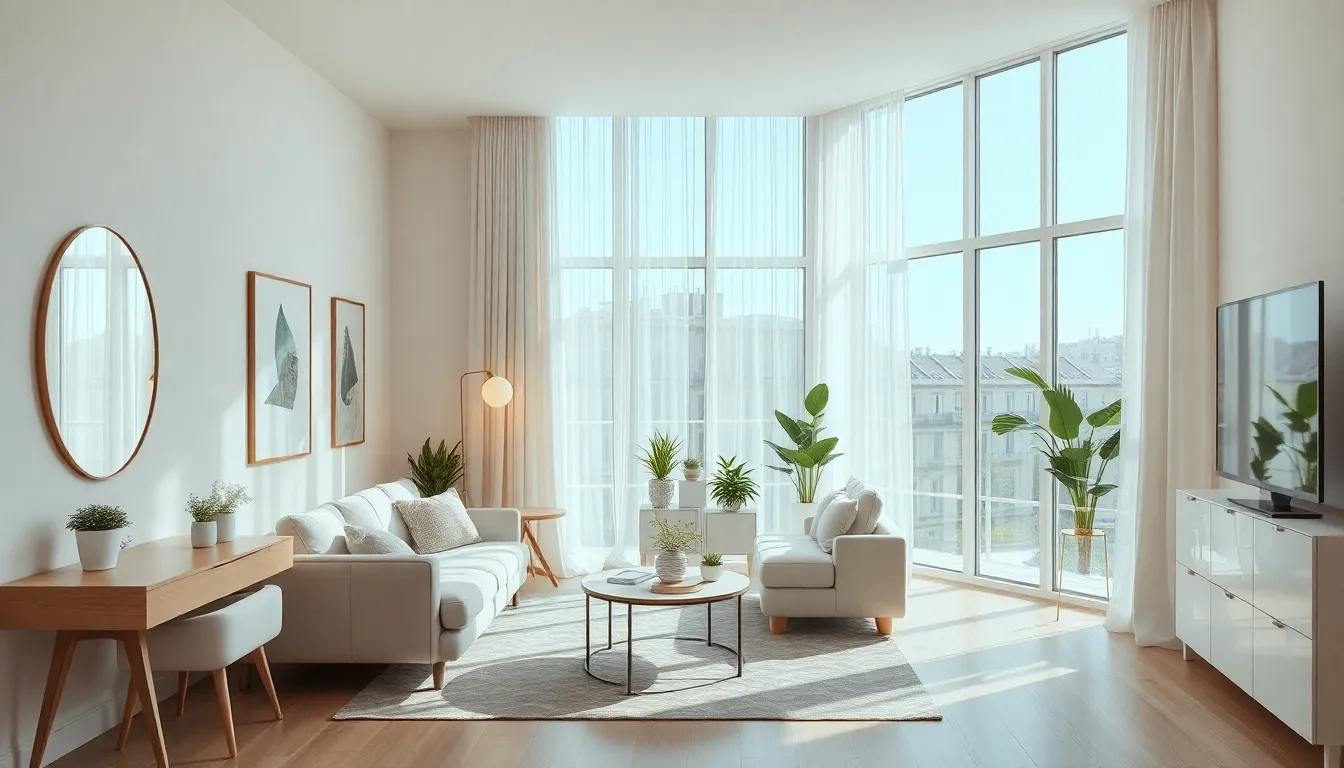
Lighting is probably the most powerful tool you have for making small rooms feel bigger. Natural light is the best friend of any compact space. The more sunlight that enters a room, the more spacious it feels. If your space lacks natural light, think about how you can maximize artificial lighting. Layer your lighting with different types of bulbs and fixtures. Use bright, cool-toned lights instead of dim, warm ones. A single overhead light might make a room feel closed in, but a combination of ceiling lights, table lamps, and floor lamps creates a sense of openness. Try placing a few small lights around the room rather than one big one. You’ll notice how much more airy and inviting the space becomes. The right lighting doesn’t just illuminate a room—it transforms it.
Color Theory for Small Spaces
Colors have the power to either expand or contract a space. Light colors, especially whites and pastels, make walls appear farther away, which instantly makes a room feel larger. Dark colors, while beautiful, tend to pull things closer and can make a small space feel even smaller. This doesn’t mean you have to live in a white box though. You can still add personality and warmth to your space using lighter tones as a base. Consider painting your walls in a soft cream or pale gray. Then add pops of color through accessories, artwork, or textiles. This approach gives you the feeling of openness while still allowing for personal expression. The idea is to create a visual foundation that supports the illusion of space. Remember, it’s often better to go light than dark when working with small rooms.
Smart Storage Solutions
Clutter is the enemy of spaciousness. Every item that sits on display or sits in plain sight takes up mental space. The secret to making small rooms feel large is to hide things away when they’re not needed. Built-in storage solutions are fantastic because they keep items out of sight while maintaining clean lines. Think about under-bed storage, wall-mounted shelves, or custom cabinetry. But don’t forget about multifunctional furniture. A coffee table with hidden storage, a bench with seating and storage underneath, or a bed frame that doubles as a dresser—all of these solve the problem of clutter while keeping the space looking clean. The goal is to make everything serve a purpose, and to ensure that nothing stands out as unnecessary. It’s amazing how much difference a well-designed storage system can make in how a room feels.
The Power of Mirrors and Reflections
Mirrors are perhaps one of the most effective tools for making small rooms feel larger. They reflect light and create the illusion of depth, which tricks our brains into thinking the space is bigger than it actually is. But it’s not just about hanging a mirror anywhere. The placement matters greatly. A large mirror on the opposite wall from a window can make a small room feel twice its size. The reflection catches the light and bounces it around the space. Try positioning mirrors so they catch the natural light coming in from windows. You can even use multiple smaller mirrors arranged in a pattern to create visual interest while still achieving the effect of expanded space. Some people swear by mirrors that cover entire walls, though they might be overkill for some. The key is to find a balance between functionality and aesthetics.
Furniture Selection and Placement
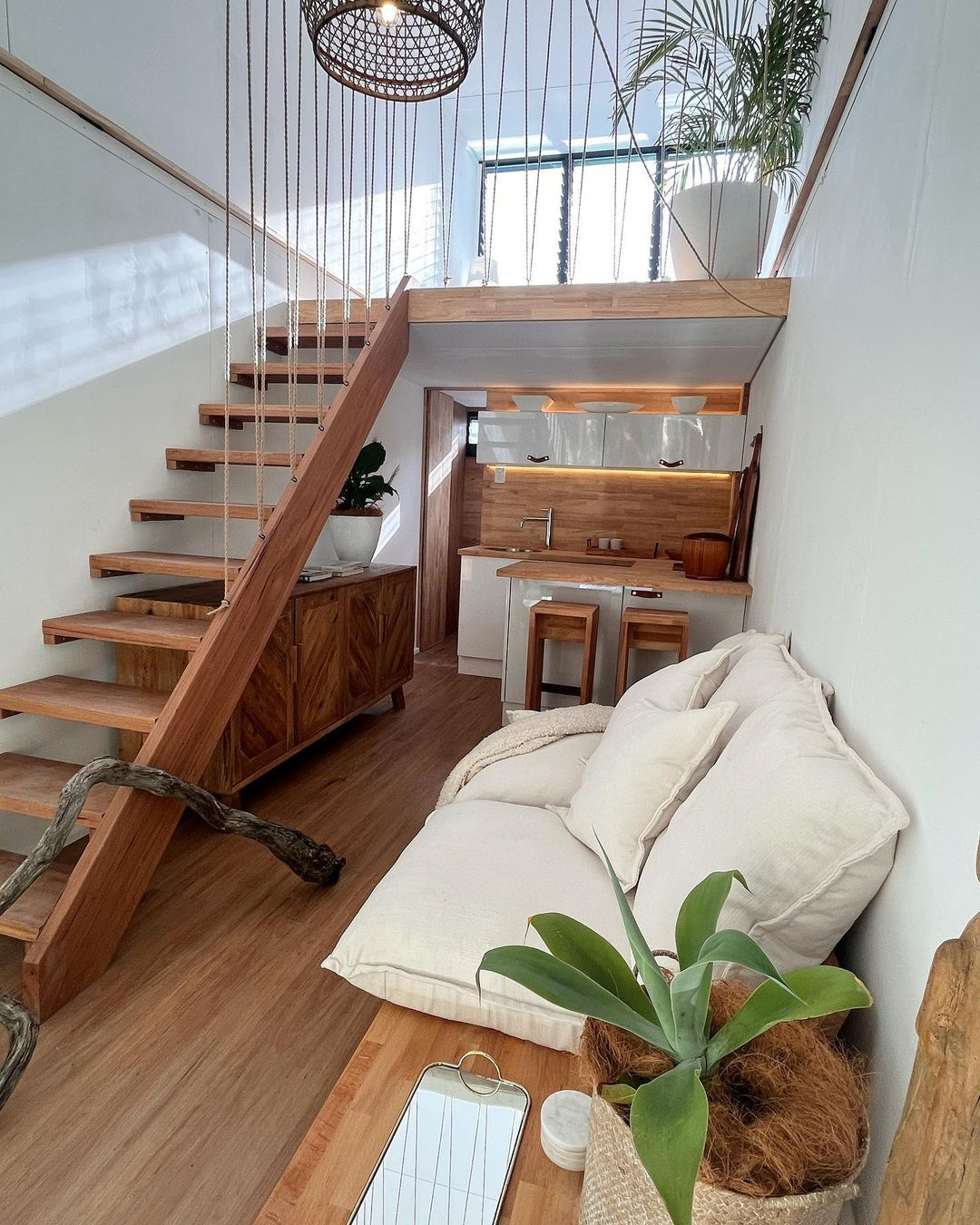
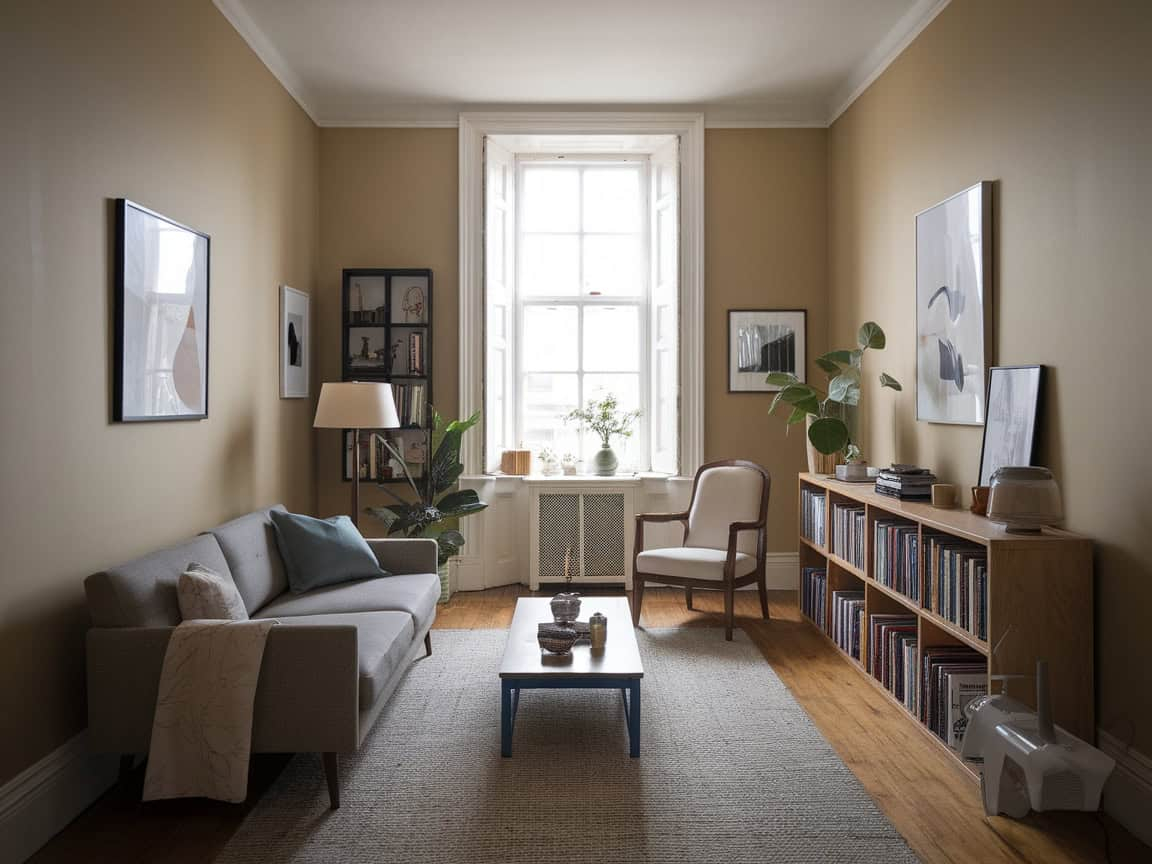
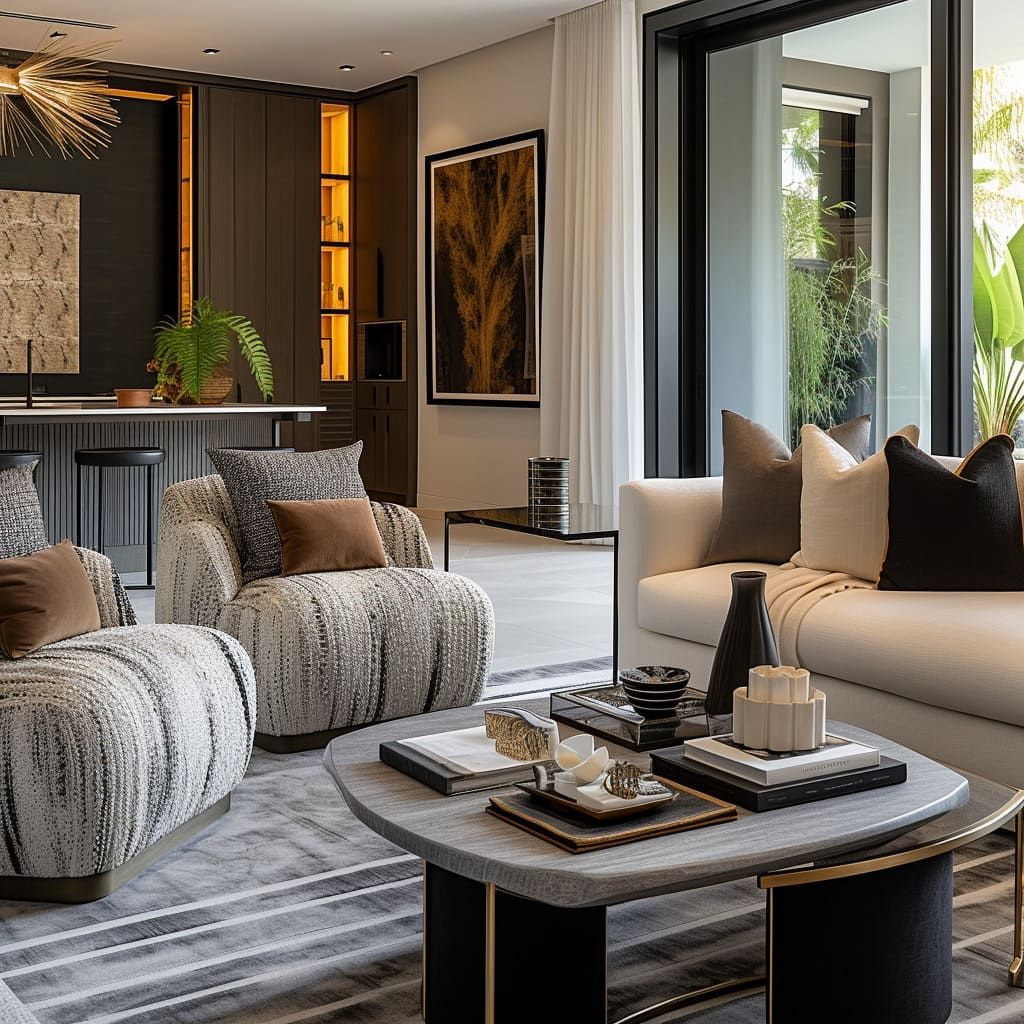
Choosing the right furniture is crucial when working with small spaces. The wrong pieces can make a room feel cramped, while the right ones can create a sense of openness. Look for furniture that’s low to the ground and has open spaces beneath it. A low-profile sofa allows light to flow under it, making the room feel taller. Choose pieces with legs, whether it’s a coffee table or a dining table. These allow light to pass through and give the illusion of more space underneath. Also, consider the scale of your furniture. Large pieces in a small room can overwhelm and make the space feel smaller. Instead, opt for smaller, proportionate pieces that fit comfortably within the room’s dimensions. Think about how furniture moves through the space and try to leave enough breathing room for people to move around easily.
Vertical Space: Don’t Forget Up
One of the easiest ways to make a small room feel larger is to use vertical space effectively. Tall bookshelves that reach the ceiling draw the eye upward, making the room appear taller. This is particularly effective in rooms with high ceilings. Install shelving all the way to the top and fill it with books, plants, or decorative objects. This creates a sense of height that makes the room feel more spacious. Similarly, hanging artwork or pictures higher on the wall can make ceilings seem higher. The idea is to guide the eye upward rather than keeping it focused on the lower part of the room. Vertical elements also help break up the visual mass of a small space. Consider using tall, narrow pieces of furniture to draw attention upward rather than spreading horizontally across the room.
Creating Visual Flow
A room that feels spacious needs to have a clear path for the eye to travel through it. If everything is jumbled together or placed in a way that blocks sight lines, it will feel chaotic and smaller. Create zones within your room by grouping related items together and ensuring there’s enough space between them. This helps define areas without making the room feel divided. The concept of visual flow means that your eyes should naturally follow a path through the room. Think about how you move through the space and arrange furniture accordingly. Leave some open areas so people can walk around easily. Remove unnecessary items and avoid overcrowding corners. The goal is to create a sense of movement and openness that makes the room feel alive and inviting rather than tight and restrictive.
Natural Elements and Plants
Bringing nature indoors can dramatically improve the feeling of spaciousness in small rooms. Plants add life and movement to a space, which makes it feel less static and more vibrant. They also help with air quality and can reduce stress levels. Choose plants that complement the room’s overall style. Small succulents work well in tight spaces, while larger plants like fiddle leaf figs can make a statement in a corner. Place plants strategically to create visual interest without overwhelming the space. Grouping several small plants together can create a focal point that draws the eye and adds dimension. Natural materials like wood or stone also contribute to a feeling of openness and connection to the outside world. These textures help break up the monotony of a small room and make it feel more dynamic and interesting.
Final Thoughts on Room Transformation
Making small rooms feel large isn’t about deception or tricks—it’s about understanding how design principles work together to create positive experiences. When you apply these concepts thoughtfully, you’ll notice a dramatic difference in how your space feels and functions. The key is to start small and build gradually. You don’t have to overhaul everything at once. Begin with one element, like changing your lighting or adding a mirror, and see how it affects the room’s energy. Each small change builds upon the last, creating a cumulative effect that transforms your entire space. Remember that making a room feel larger is ultimately about creating a sense of freedom and comfort. When you feel relaxed and at ease in your space, it naturally feels bigger. It’s not just about the physical measurements—it’s about how you experience and interact with your environment.
Transforming a small room into a space that feels large requires a combination of strategic thinking and creative execution. From lighting and color choices to furniture selection and the clever use of mirrors, every element plays a role in shaping our perception of space. The most important thing is to remember that this isn’t about making a tiny room look like a mansion—it’s about maximizing what you have and creating an environment that feels comfortable and functional. Whether you’re redesigning your entire home or simply trying to make one small area feel better, these principles provide a solid foundation for success. Start by focusing on one or two changes that feel manageable, and watch how they begin to shift the entire atmosphere of your space. Small adjustments can lead to big improvements in how you experience your living environment. The art of making small rooms feel large is really just about making smart choices and staying mindful of how every element contributes to the overall feeling of spaciousness.
[sps_html tag=”img” src=”https://cdn.theartssection.com/wp-content/uploads/2025/11/17-hidden-tricks-to-make-small-spaces-feel-larger-with-regard-to-designing-compact-spaces-that-feel-expansive-with-brattea-decor.jpg” alt=”17 Hidden Tricks To Make Small Spaces Feel Larger with regard to Designing Compact Spaces That Feel Expansive with Brattea Decor” style=”width: 100%; height: auto;”]
[sps_html tag=”img” src=”https://cdn.theartssection.com/wp-content/uploads/2025/11/luxury-bedroom-decor-ideas-to-make-small-spaces-feel-bigger-intended-for-brattea-decor-small.jpg” alt=”Luxury Bedroom Decor Ideas To Make Small Spaces Feel Bigger intended for Brattea Decor, Small” style=”width: 100%; height: auto;”]
[sps_html tag=”img” src=”https://cdn.theartssection.com/wp-content/uploads/2025/11/open-spaces-around-the-furniture-make-the-great-room-feel-expansive-in-brattea-decor-small.jpg” alt=”Open Spaces Around The Furniture Make The Great Room Feel Expansive … in Brattea Decor, Small” style=”width: 100%; height: auto;”]
[sps_html tag=”img” src=”https://cdn.theartssection.com/wp-content/uploads/2025/11/maximizing-small-spaces-interior-design-solutions-for-tiny-rooms-throughout-brattea-decor-small.jpg” alt=”Maximizing Small Spaces: Interior Design Solutions For Tiny Rooms throughout Brattea Decor, Small” style=”width: 100%; height: auto;”]
[sps_html tag=”img” src=”https://cdn.theartssection.com/wp-content/uploads/2025/11/19-small-apartment-decor-ideas-that-make-tiny-spaces-feel-huge-5-is-pertaining-to-designing-compact-spaces-that-feel-expansive-with-brattea-decor.webp” alt=”19 Small Apartment Decor Ideas That Make Tiny Spaces Feel Huge (#5 Is … pertaining to Designing Compact Spaces That Feel Expansive with Brattea Decor” style=”width: 100%; height: auto;”]