In the quiet corners of churches across the globe, one image stands as a beacon of hope and divine intervention. It’s not just another religious artwork – it’s the icon of Saint Jude, a figure whose legacy spans centuries and continues to touch hearts worldwide. This isn’t merely a painting or carving; it’s a living testament to faith, perseverance, and the power of divine connection.
When you first encounter the Saint Jude icon, something stirs within. Perhaps it’s the gentle gaze that seems to look directly into your soul, or maybe it’s the way the light seems to emanate from his very being. This isn’t accidental artistry – it’s a carefully crafted representation that carries the weight of centuries of devotion. The iconography of Saint Jude isn’t just about beauty; it’s about understanding the deep spiritual currents that have flowed through Christian history. Every brushstroke, every color choice, every symbolic element tells a story that transcends time itself. What makes this particular icon so powerful? Why has it become such a central figure in the hearts of believers everywhere?
Historical Origins and Early Development
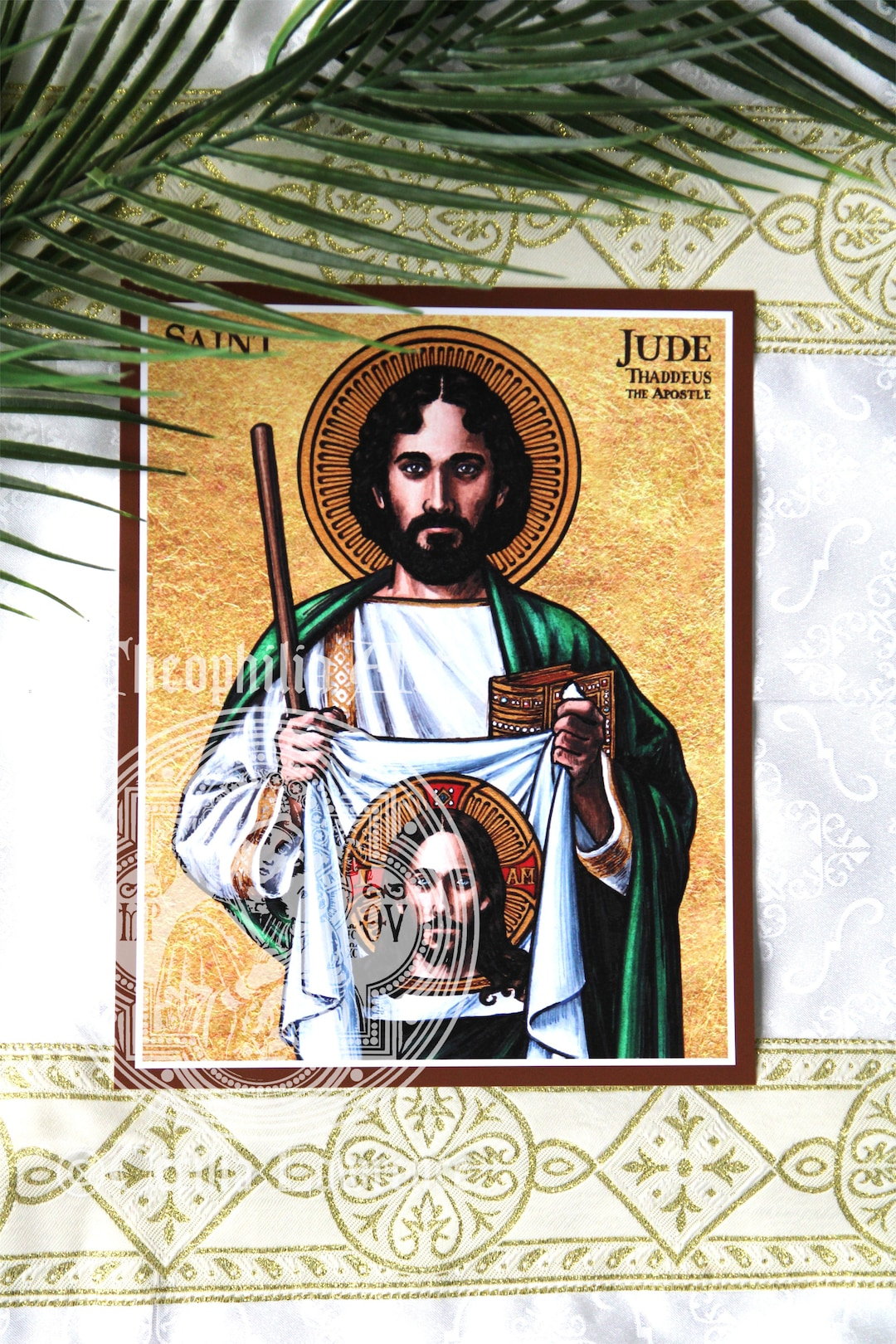
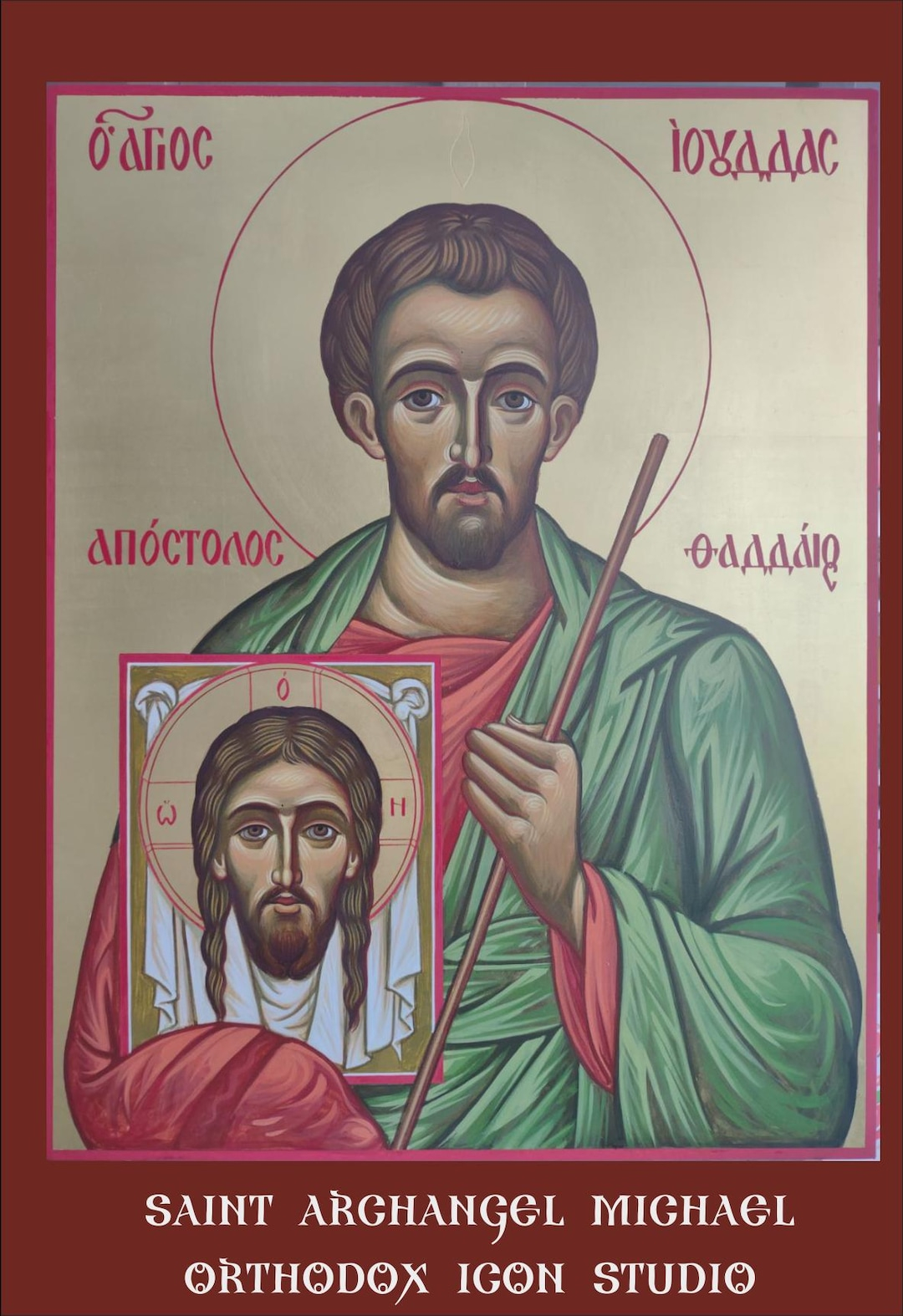
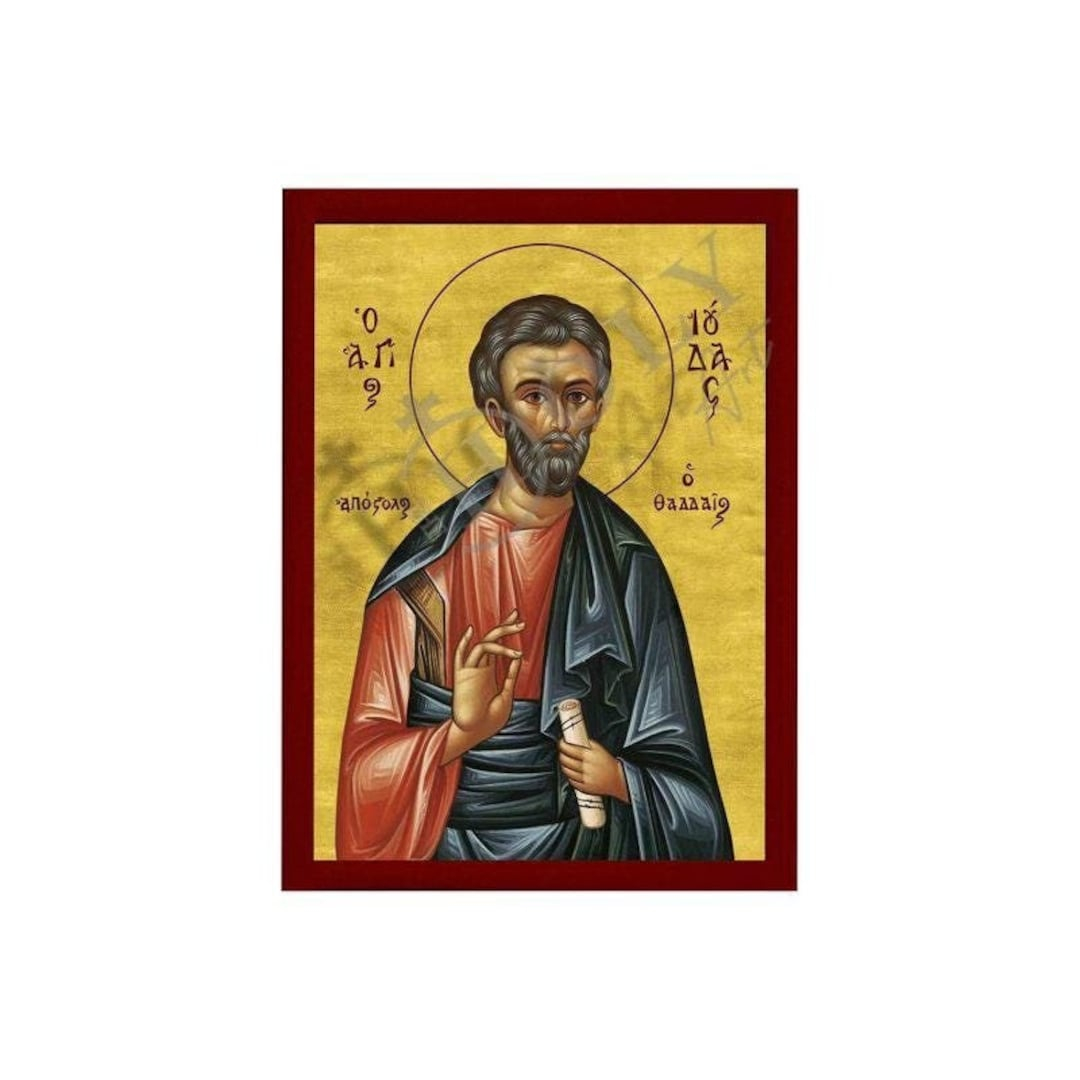
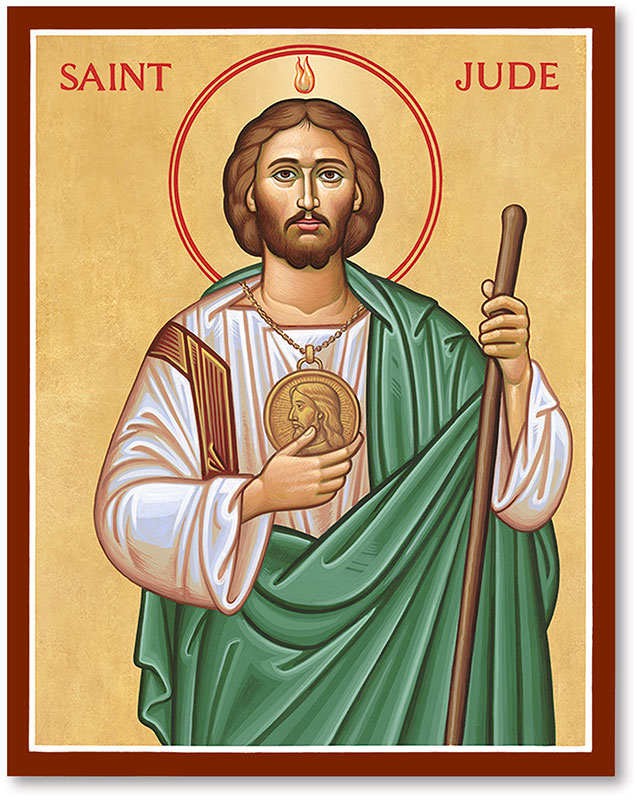
The story of Saint Jude’s icon begins in the early centuries of Christianity, though the actual iconography evolved significantly over time. Saint Jude, also known as Thaddeus, was one of Jesus’s twelve apostles, often called the ‘patron saint of impossible causes.’ His early depictions were simple and functional, often showing him with a scroll or a book, sometimes holding a staff. These early versions were more about conveying his role than creating artistic masterpieces.
The transformation into the iconic image we know today happened gradually. By the medieval period, artists began incorporating more symbolic elements. The traditional attributes included his characteristic staff and sometimes a small scroll or book. But it wasn’t until the Byzantine era that the most recognizable features emerged. The icon began showing Saint Jude with his distinctive facial features, often portrayed with a serene expression that conveyed both wisdom and compassion.
What’s fascinating is how these early representations weren’t uniform. Different regions developed their own interpretations, yet they all shared the core elements that made Saint Jude instantly recognizable. The way his eyes seemed to hold infinite understanding, the gentle curve of his mouth, even the positioning of his hands – all these details contributed to making him a figure people could immediately identify and feel connected to.
Symbolism and Visual Elements
Every element in Saint Jude’s icon has deep meaning, and understanding these symbols helps us appreciate why this image resonates so strongly. Let’s start with the most obvious – his facial features. The gentle, almost ethereal expression speaks of inner peace and divine connection. His eyes often appear slightly downturned, giving an air of contemplation rather than judgment. This reflects his role as a compassionate intercessor.
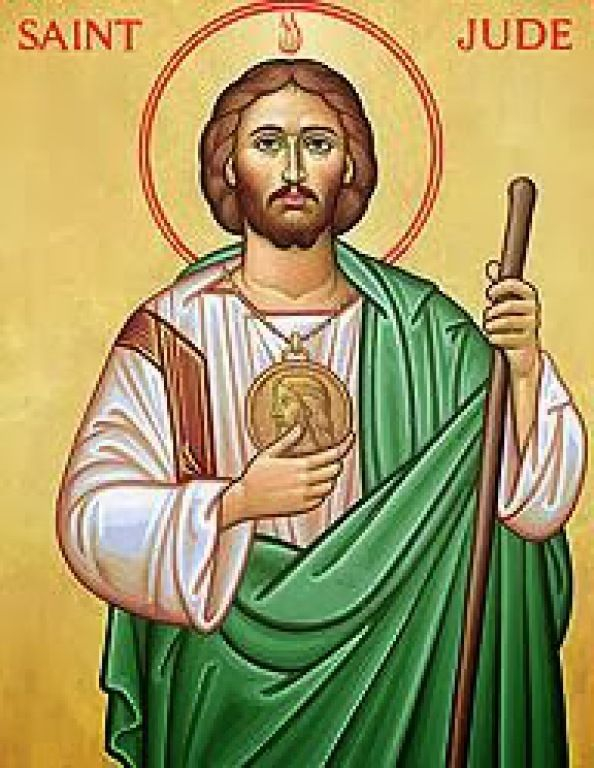
The staff he holds is perhaps the most important symbol. It represents his role as an apostle and his journey throughout the world spreading the gospel. In many depictions, this staff is adorned with small crosses or other religious symbols, emphasizing his dedication to faith. Some versions show it as a simple wooden rod, while others have elaborate designs.
The clothing worn by Saint Jude in these icons also tells a story. He’s typically shown in traditional robes that reflect his Eastern origins. The colors used vary by region and time period, but blue and gold are common choices. Blue often represents divine wisdom and heavenly connection, while gold symbolizes the divine nature and eternal glory.
One particularly striking element is the halo that surrounds his head. This isn’t just decorative – it’s a clear indicator of his sainthood and divine favor. The shape and design of the halo can vary, but its presence is always significant. It suggests that Saint Jude operates on a different plane of existence, one that bridges earthly struggles with heavenly intervention.
Regional Variations and Cultural Adaptations
Perhaps one of the most interesting aspects of Saint Jude’s iconography is how different cultures have adapted and reinterpreted it over time. While the basic elements remain consistent, regional variations show how faith adapts to local traditions and artistic preferences.
In Eastern Orthodox traditions, the icon often maintains the strict canonical forms that have been preserved for centuries. These versions tend to be more austere and formal, reflecting the monastic traditions that have safeguarded these images. The colors are typically rich and deep, with emphasis on traditional pigments that have been used for generations.
Western European interpretations, particularly during the Renaissance, brought a more humanized approach. Artists like Raphael and Leonardo da Vinci created versions that emphasized Saint Jude’s humanity while still maintaining his sacred nature. These works often showed him with more expressive features and sometimes in more natural settings.
Latin American traditions have added their own flair to Saint Jude’s portrayal. In countries like Mexico and Brazil, his icon often incorporates local cultural elements while maintaining the core symbolism. The result is a unique blend that speaks to both ancient tradition and contemporary identity.
These variations aren’t seen as deviations from the original – they’re celebrations of how faith can take root and grow in different soil. Each interpretation adds new layers of meaning while preserving the essential message of hope and divine assistance.
The Role of Prayer and Devotion
Saint Jude’s icon isn’t just something to admire – it’s a focal point for prayer and spiritual reflection. Many believers find that looking at his image helps them connect with the divine more deeply. There’s something about his steady gaze that seems to invite contemplation and surrender to higher purposes.
Devotional practices around Saint Jude’s icon vary widely among different communities. Some families keep his image in prominent places in their homes, often as part of daily prayers. Others visit churches specifically to pray before his icon, especially when facing difficult situations. The belief is that Saint Jude, as the patron saint of desperate cases, will intercede on behalf of those who seek his help.
The practice of lighting candles before his icon is common in many traditions. This act of offering light symbolizes the believer’s desire to illuminate darkness in their lives and in the world around them. It’s a physical manifestation of the spiritual work that happens in the heart of the person praying.
Many stories circulate about miraculous interventions that occurred after prayers offered before Saint Jude’s icon. These accounts, whether documented or passed down through oral tradition, add to the rich tapestry of devotion surrounding this figure. They remind us that faith often works in mysterious ways, and sometimes the most powerful transformations happen quietly in the space between prayer and action.
Modern Interpretations and Contemporary Relevance
Today, Saint Jude’s icon continues to evolve, finding new audiences and meanings in our rapidly changing world. Modern artists and designers continue to reinterpret his image, sometimes updating the style while maintaining the essential symbolism. Digital media has opened new possibilities for sharing these images, allowing people to encounter Saint Jude’s icon in ways that wouldn’t have been possible just decades ago.
Social media platforms have created new spaces for devotion to flourish. Hashtags related to Saint Jude prayers and devotions have gained significant traction, connecting people across continents who share similar spiritual journeys. This digital connectivity has made the ancient practice of icon veneration more accessible than ever before.
Contemporary artists have also taken inspiration from traditional Saint Jude icons, creating modern interpretations that speak to current challenges and concerns. These newer versions might incorporate elements that reflect modern life while staying true to the core message of hope and divine assistance.
What’s remarkable is how the icon’s relevance hasn’t diminished despite changes in society. In fact, many people find that the timeless qualities of the image provide comfort and guidance in contemporary struggles. Whether dealing with personal challenges, family issues, or broader social concerns, the image of Saint Jude continues to offer a sense of connection to something greater than ourselves.
The Psychological and Emotional Impact
Beyond its spiritual significance, Saint Jude’s icon has a profound psychological impact on those who encounter it regularly. The face of Saint Jude, with its gentle expression and knowing gaze, seems to provide a sense of stability and understanding that many people crave. This isn’t just about religious feeling – it’s about human psychology and the need for symbols that represent hope and support.
Research into religious imagery has shown that people often form emotional connections with sacred symbols, and Saint Jude’s icon is no exception. The consistency of his features across different versions creates a sense of familiarity that can be deeply comforting. When someone feels overwhelmed or uncertain, looking at his image can provide a moment of grounding and clarity.
The icon also serves as a reminder that struggle and suffering are part of the human experience, yet they don’t have to define us. Saint Jude’s portrayal suggests that there’s always room for grace and redemption, even in the darkest moments. This message resonates with people from all walks of life, regardless of their specific religious beliefs.
Many therapists and counselors have noted that people who engage with religious imagery, including Saint Jude’s icon, often report increased feelings of peace and purpose. It’s not necessarily about conversion or changing beliefs, but rather about finding a point of reference that helps navigate life’s challenges with greater resilience and hope.
The legacy of Saint Jude’s icon extends far beyond its artistic merit or historical significance. It represents a bridge between the ancient and modern worlds, connecting generations of believers through shared symbols and experiences. Whether you’re encountering this image for the first time or have been drawn to it for years, there’s something profound happening in that moment of recognition and reverence.
This isn’t simply about looking at a picture – it’s about engaging with a spiritual tradition that has sustained countless individuals through periods of difficulty and uncertainty. The icon of Saint Jude reminds us that we’re never truly alone in our struggles, that there’s always the possibility of divine intervention and human compassion.
As we move forward into an increasingly complex world, the enduring appeal of Saint Jude’s icon offers a gentle reminder that some things transcend time and change. The values he represents – hope, perseverance, and divine connection – remain as relevant today as they were centuries ago. In a way, this sacred legacy continues to grow and evolve, adapting to meet the needs of each generation while maintaining its essential character and meaning.
[sps_html tag=”img” src=”https://cdn.theartssection.com/wp-content/uploads/2025/11/men-saint-icons-saint-jude-the-apostle-icon-monastery-icons-for-saint-jude-icon.jpg” alt=”Men Saint Icons: Saint Jude The Apostle Icon | Monastery Icons for Saint Jude Icon” style=”width: 100%; height: auto;”]
[sps_html tag=”img” src=”https://cdn.theartssection.com/wp-content/uploads/2025/11/saint-jude-icon-the-apostle-handmade-greek-orthodox-icon-of-st-jude-of-regarding-the-spiritual-significance-behind-saint-jude-icon.jpg” alt=”Saint Jude Icon The Apostle, Handmade Greek Orthodox Icon Of St Jude Of … regarding The Spiritual Significance Behind Saint Jude Icon” style=”width: 100%; height: auto;”]
[sps_html tag=”img” src=”https://cdn.theartssection.com/wp-content/uploads/2025/11/saint-jude-thaddeus-the-apostle-icon-theophilia-catholic-art-artwork-with-the-spiritual-significance-behind-saint-jude-icon.jpg” alt=”Saint Jude Thaddeus The Apostle Icon - Theophilia Catholic Art Artwork … with The Spiritual Significance Behind Saint Jude Icon” style=”width: 100%; height: auto;”]
[sps_html tag=”img” src=”https://cdn.theartssection.com/wp-content/uploads/2025/11/saint-apostle-jude-thaddeus-hand-painted-icon-apostles-icons-orthodox-within-the-spiritual-significance-behind-saint-jude-icon.jpg” alt=”Saint Apostle Jude Thaddeus Hand-Painted Icon, Apostles Icons, Orthodox … within The Spiritual Significance Behind Saint Jude Icon” style=”width: 100%; height: auto;”]
[sps_html tag=”img” src=”https://cdn.theartssection.com/wp-content/uploads/2025/11/an-icon-of-saint-jude-holding-a-book-and-a-staff-in-his-hand-with-the-regarding-the-spiritual-significance-behind-saint-jude-icon.jpg” alt=”An Icon Of Saint Jude Holding A Book And A Staff In His Hand With The … regarding The Spiritual Significance Behind Saint Jude Icon” style=”width: 100%; height: auto;”]