In the quiet corners of galleries and sacred spaces across the world, something profound is happening. Artists are weaving ancient mathematical concepts into their modern masterpieces, creating works that speak to both the eye and the soul. This isn’t just about pretty shapes – it’s about connecting with the fundamental patterns that have guided human creativity for millennia.
What happens when you take the timeless wisdom of sacred geometry and apply it to contemporary Jewish artistic expression? You get something truly remarkable – art that bridges the gap between ancient spirituality and modern creativity. These aren’t just decorative patterns or random shapes. They’re carefully constructed symbols that carry deep meaning for those who understand them. Think about it: every time we see a Star of David, a menorah, or even a simple circle, we’re encountering geometric principles that have been used for thousands of years to express the divine. Today’s artists are picking up these threads and weaving them into new stories, new meanings, and new ways of seeing the sacred in our everyday lives.
The Ancient Foundation
Sacred geometry isn’t some new-age fad. It’s rooted in the oldest traditions of human civilization. In Jewish culture, geometric patterns appear everywhere – from the intricate designs of synagogue architecture to the detailed embroidery on ritual objects. The circle represents infinity and the divine whole. The triangle speaks to the trinity and the three realms of existence. The hexagon embodies completeness and the six directions of space. These aren’t arbitrary choices. They’re based on mathematical relationships that have fascinated thinkers since the time of Pythagoras. Consider how the Star of David, formed by two interlocking triangles, creates a pattern that’s both simple and infinitely complex. That’s the beauty of sacred geometry – it can be understood at multiple levels, from the basic visual to the most profound spiritual truths.
Modern Interpretations
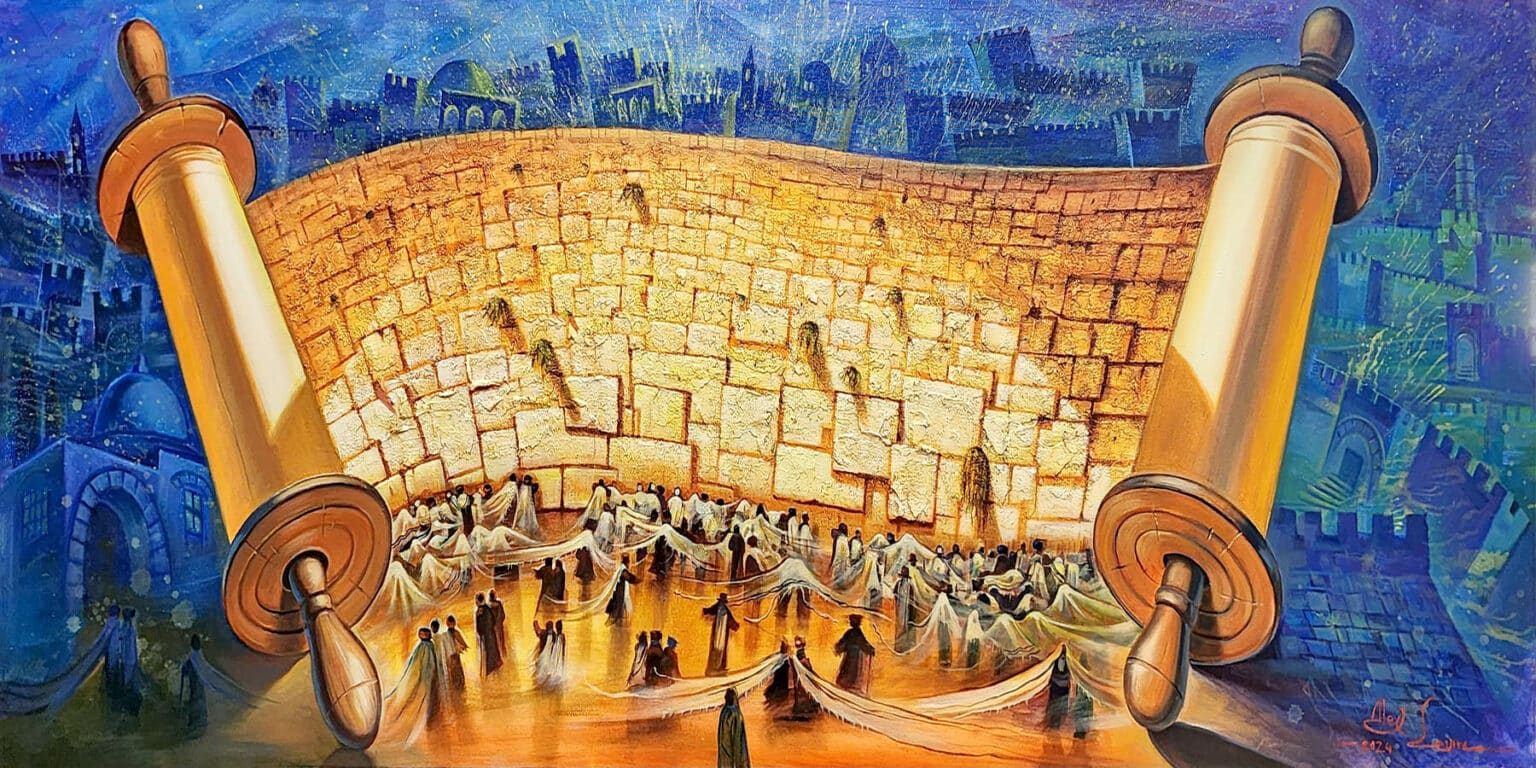
Contemporary Jewish artists are taking these ancient principles and giving them fresh life. They might use digital tools to create infinite tessellations, or they might work with traditional materials like wood and metal to build three-dimensional representations of sacred forms. One artist might focus on the mathematical relationships found in the Hebrew alphabet, mapping each letter to specific geometric proportions. Another might explore how the layout of the Temple in Jerusalem could be represented through geometric principles. The common thread is that these artists aren’t just copying old patterns. They’re understanding the underlying mathematics and using it to express new ideas about faith, community, and identity. What strikes many viewers is how these modern interpretations feel both familiar and completely new at the same time.
Symbolic Meanings in Practice
Let’s look at some concrete examples of how these principles play out in actual artworks. The Menorah, for instance, isn’t just a candelabra – it’s a geometric form that represents the seven attributes of divine emanation. Artists might create variations that play with symmetry, proportion, and balance while maintaining the essential form. The Star of David becomes a study in geometric harmony, with its dual triangles representing the relationship between the physical and spiritual worlds. Even simpler elements like the mezuzah case can become canvases for exploring how geometric principles create a sense of protection and holiness. When you see these patterns in a gallery or museum, you’re witnessing centuries of accumulated wisdom being reinterpreted through a modern lens. Each piece asks the viewer to consider not just what they see, but how they see it.
Cultural and Spiritual Connections
What makes this art particularly powerful is how it connects to lived religious experience. These geometric forms aren’t abstract concepts floating in the ether. They’re part of daily Jewish life. The way a synagogue is designed, the patterns on prayer books, the arrangement of seats during services – all of these follow geometric principles that are meant to create a sense of reverence and connection. Contemporary artists working with these themes understand that their work isn’t separate from this tradition. It’s part of it, extending it into new territory. They’re essentially becoming modern-day scribes, but instead of writing with ink on parchment, they’re creating with light, color, and form. The result is art that feels like it belongs in the temple, even when it’s displayed in a gallery space.
Technological Integration
Technology has opened up new possibilities for how sacred geometry can be explored in Jewish art. Digital artists can now create complex patterns that would have taken weeks or months to draw by hand. They can simulate how light interacts with geometric forms, or create interactive installations that respond to movement. Some artists use computer algorithms to generate patterns based on ancient mathematical formulas, then translate those digital creations into physical sculptures or paintings. Others work with augmented reality to overlay geometric information onto traditional objects, creating layers of meaning that can be discovered through technology. The marriage of ancient wisdom and modern tools creates a fascinating tension – the old ways are being updated for new audiences, while still maintaining their essential character.
Community Impact and Engagement
These artworks often serve as conversation starters within Jewish communities. When someone sees a piece that incorporates sacred geometry, it naturally leads to questions about meaning, history, and interpretation. Some galleries host workshops where people learn about the mathematical principles behind the artwork, while others feature talks by artists who explain their creative process. This kind of engagement transforms art from something passive into something participatory. People don’t just look at these pieces – they think about them, discuss them, and sometimes even try to recreate them themselves. The accessibility of these works means that even those without formal art training can appreciate the mathematical beauty and spiritual significance. It’s a bridge between academic knowledge and intuitive understanding.
Sacred geometry in contemporary Jewish art represents much more than aesthetic choice. It’s a living tradition that connects us to the past while opening doors to new forms of spiritual expression. These artists aren’t just creating beautiful objects – they’re participating in an ongoing dialogue about how to express the ineffable through the tangible. Whether you’re a longtime observer of Jewish art or someone encountering these works for the first time, there’s something profound happening in the intersection of mathematics, spirituality, and creativity. The patterns may be ancient, but the stories they tell are always evolving, always relevant, and always deeply human.
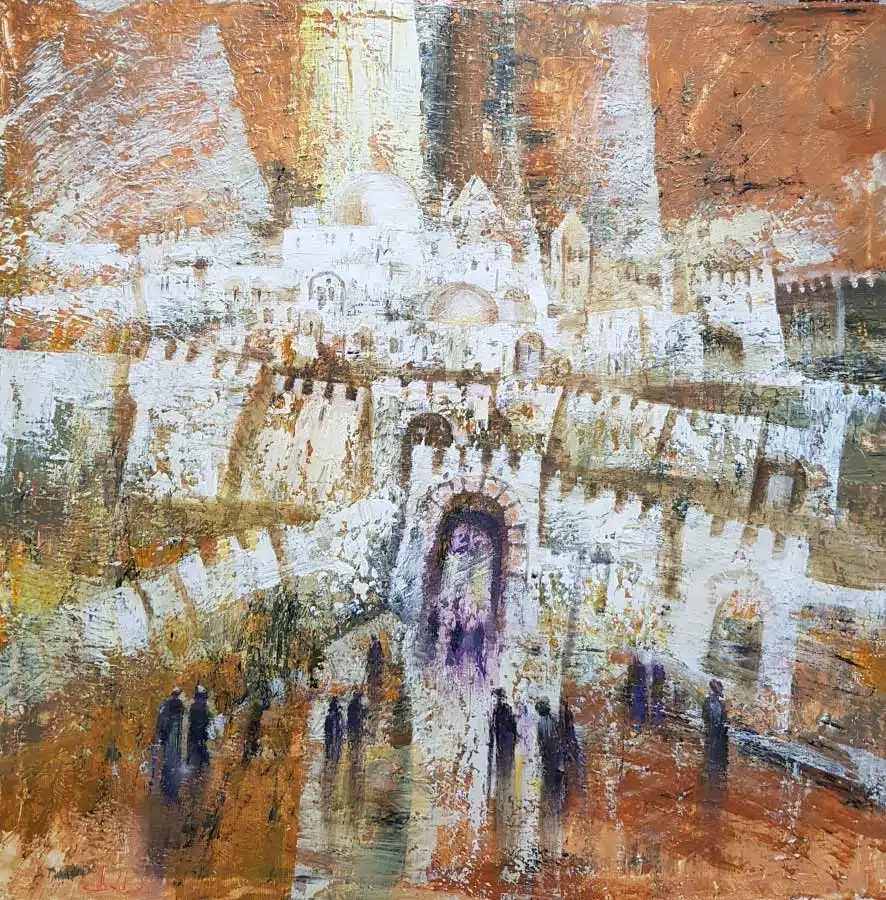
[sps_html tag=”img” src=”https://cdn.theartssection.com/wp-content/uploads/2025/11/jerusalem-judaica-wall-art-jewish-modern-art-contemporary-etsy-with-contemporary-jewish-artists-bridge-tradition-and-technology-in-canvas-work.jpg” alt=”Jerusalem/Judaica Wall Art/Jewish Modern Art/Contemporary - Etsy with Contemporary Jewish Artists Bridge Tradition and Technology in Canvas Work” style=”width: 100%; height: auto;”]
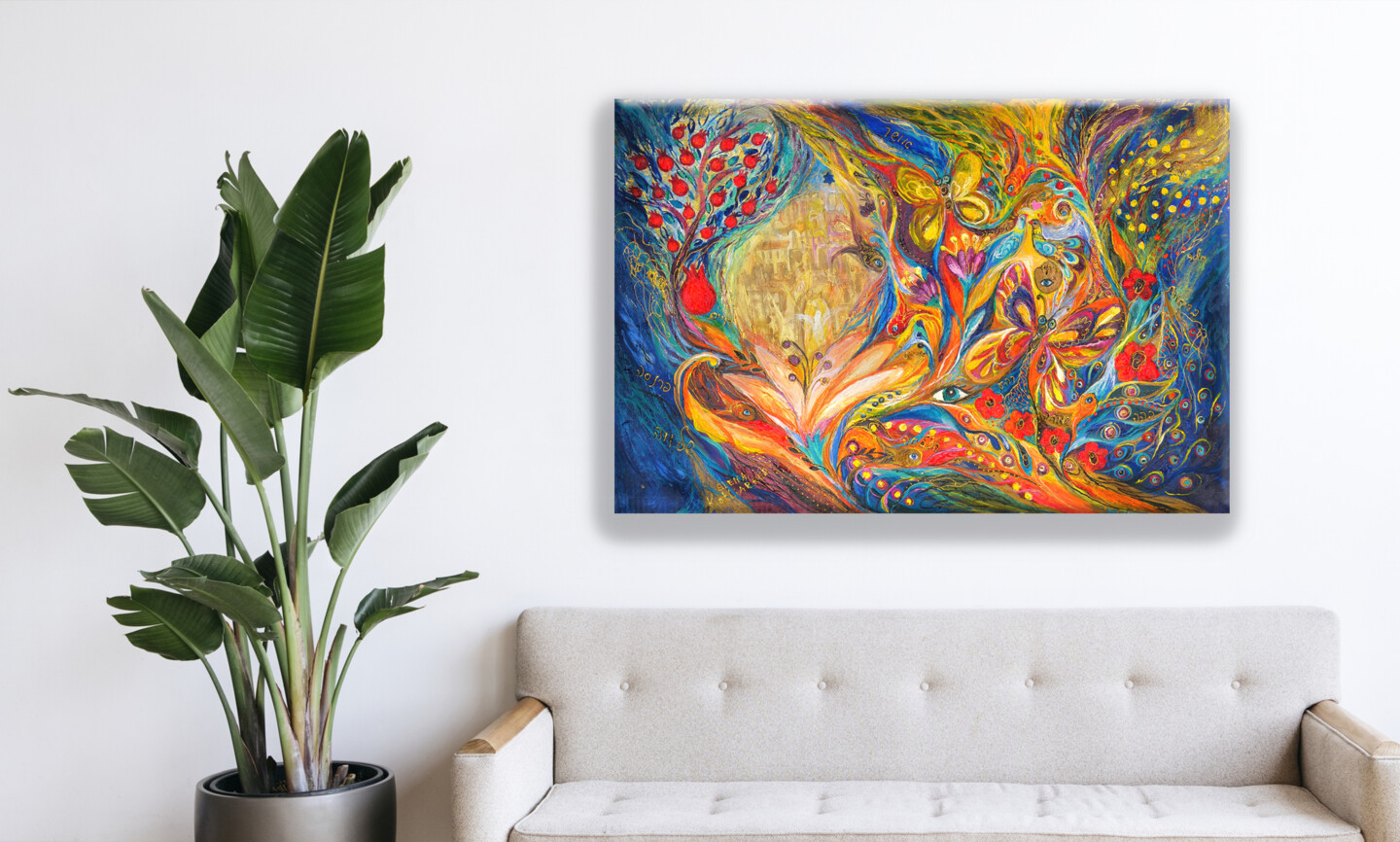
[sps_html tag=”img” src=”https://cdn.theartssection.com/wp-content/uploads/2025/11/a-joyful-look-at-modern-jewish-paintings-inside-contemporary-jewish-artists-bridge-tradition-and-technology-in-canvas-work.webp” alt=”A Joyful Look At Modern Jewish Paintings inside Contemporary Jewish Artists Bridge Tradition and Technology in Canvas Work” style=”width: 100%; height: auto;”]
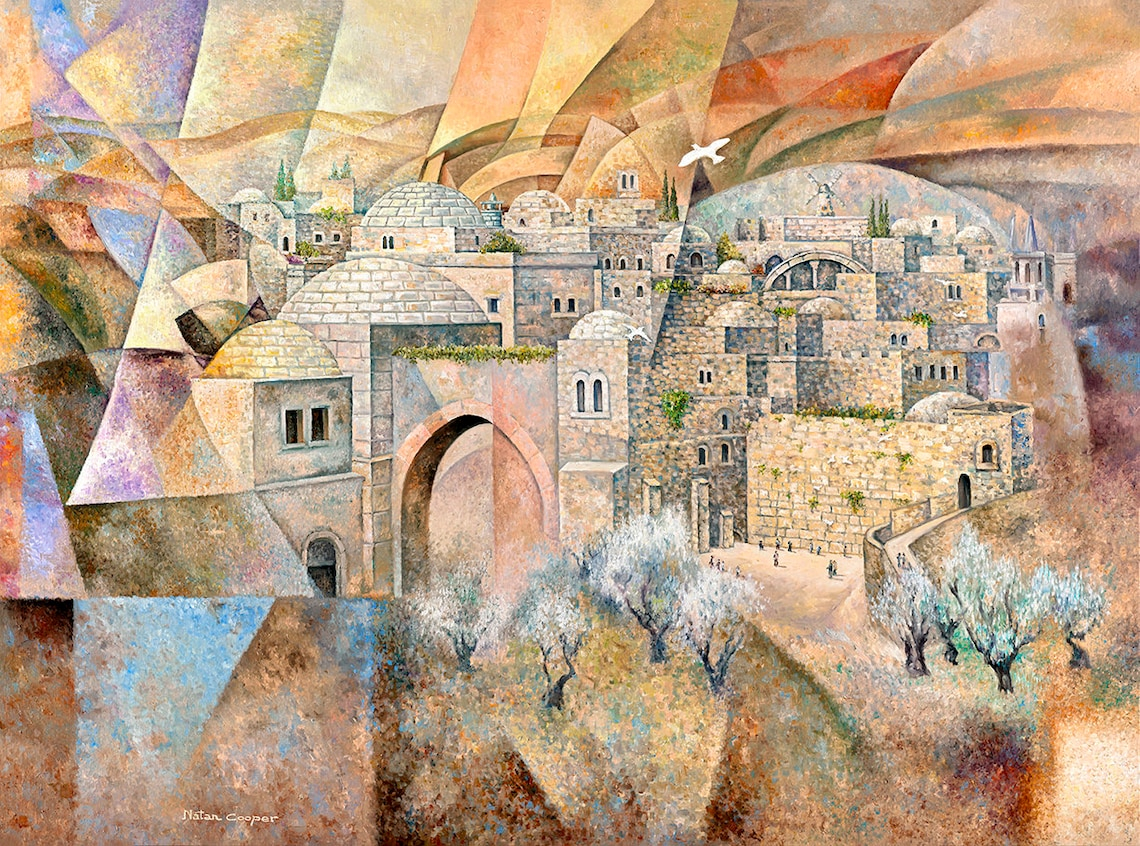
[sps_html tag=”img” src=”https://cdn.theartssection.com/wp-content/uploads/2025/11/the-spirit-of-jerusalem-modern-jewish-a-painting-by-elena-kotliarker-throughout-contemporary-jewish-artists-bridge-tradition-and-technology-in-canvas-work.jpg” alt=”The Spirit Of Jerusalem. Modern Jewish A, Painting By Elena Kotliarker … throughout Contemporary Jewish Artists Bridge Tradition and Technology in Canvas Work” style=”width: 100%; height: auto;”]
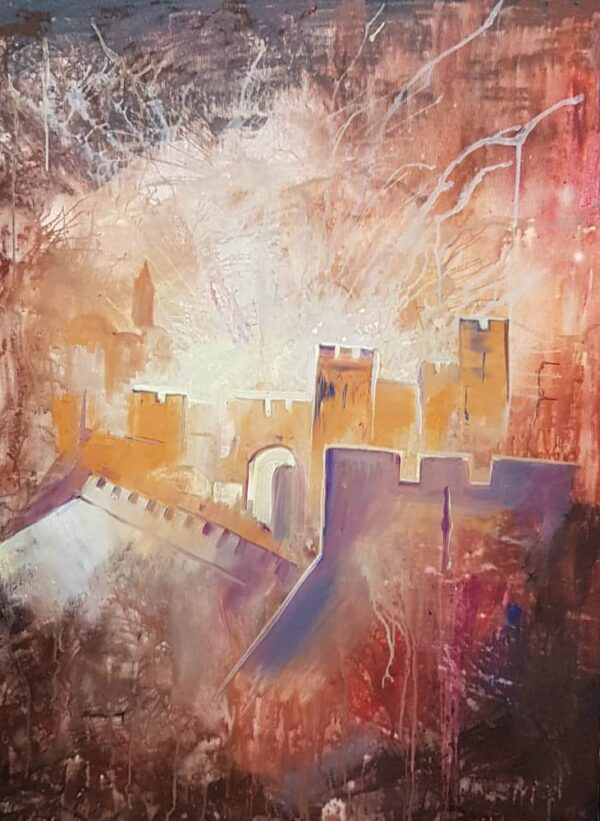
[sps_html tag=”img” src=”https://cdn.theartssection.com/wp-content/uploads/2025/11/brushstrokes-of-tradition-vibrant-jewish-art-on-canvas-in-contemporary-jewish-artists-bridge-tradition-and-technology-in-canvas-work.jpeg” alt=”Brushstrokes Of Tradition: Vibrant Jewish Art On Canvas in Contemporary Jewish Artists Bridge Tradition and Technology in Canvas Work” style=”width: 100%; height: auto;”]
[sps_html tag=”img” src=”https://cdn.theartssection.com/wp-content/uploads/2025/11/brushstrokes-of-tradition-vibrant-jewish-art-on-canvas-within-jewish-symbols-modern-digital-art-canvas-print.jpg” alt=”Brushstrokes Of Tradition: Vibrant Jewish Art On Canvas within "Jewish Symbols" Modern Digital Art Canvas Print” style=”width: 100%; height: auto;”]