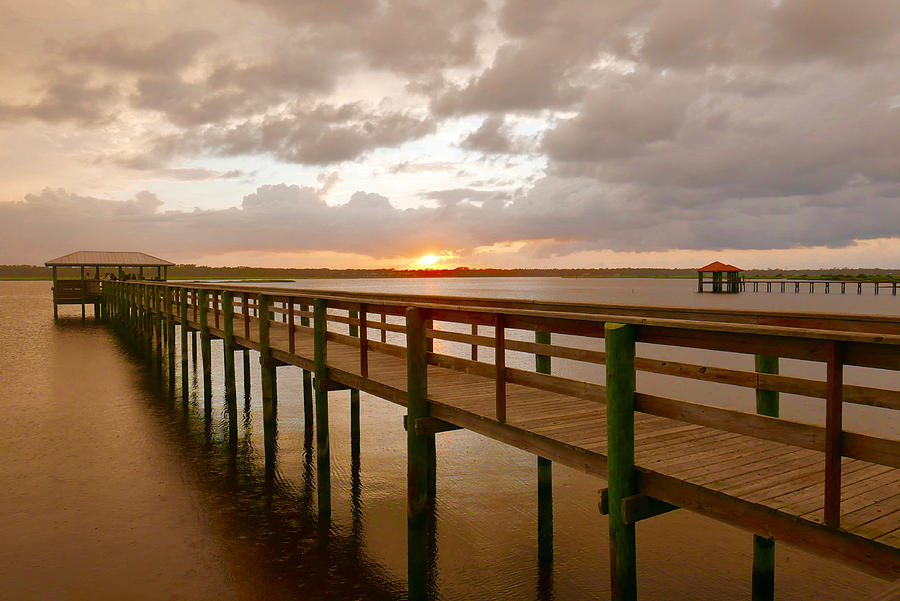
There’s something magical about bringing the ocean’s spirit into your living space. Whether you’re drawn to the rugged beauty of weathered ships or the serene calm of distant horizons, nautical-themed wall art offers endless possibilities for creating visual harmony. But how do you blend different pieces together without creating chaos? It’s like navigating a ship through rough waters – you need the right compass and a steady hand.
When it comes to decorating with nautical art, many people fall into the trap of collecting pieces that look great individually but clash when placed together. The secret lies not just in choosing beautiful artwork, but in understanding how colors, textures, and themes work together to create a cohesive whole. Think of it like a sailor reading the wind patterns – you need to understand the underlying currents that make everything flow smoothly. This isn’t just about aesthetics; it’s about creating a space that feels like a gentle ocean breeze rather than a stormy sea.
Understanding the Core Elements of Nautical Design
Before diving into your collection, it helps to know what makes nautical art special. The foundation rests on three key elements: color palette, texture, and theme. Traditional nautical colors include deep blues, crisp whites, warm browns, and subtle greens. These aren’t just random choices – they reflect the natural tones found at sea. Texture matters too; think about how rough canvas looks next to smooth metal prints. And the theme? That’s where your personal connection lives. Do you prefer romantic sailing scenes or stark maritime maps? Understanding these basics gives you the tools to build your collection thoughtfully. A well-chosen blue might anchor an entire room, while a single piece with interesting texture can become the focal point that ties everything else together.
Choosing Your Color Foundation
Colors are like the heartbeat of your nautical collection. Start with one dominant hue that reflects your space’s mood. Deep navy blues work wonderfully for creating a sense of depth and permanence, much like the ocean itself. White accents add brightness and clarity, helping pieces breathe. Brown tones bring warmth and stability, especially useful when you want to ground lighter elements. Green touches offer a fresh contrast and can represent both sea and land. Consider how each piece affects the overall color story. For example, a vintage sailing ship painting in rich sepia tones might anchor a room that otherwise features bright blues and whites. The key is consistency – not every piece needs to match exactly, but they should feel like they belong in the same conversation. Sometimes a splash of unexpected color can create the perfect visual surprise that keeps things interesting.
Mastering the Art of Scale and Proportion
This is where many people get tripped up. You might have the most beautiful collection, but if everything’s the same size, your wall becomes monotonous. Think about how different-sized pieces interact with each other. Large statement pieces work well as anchors, while smaller frames can create a sense of movement and rhythm. A grand maritime map might serve as the centerpiece, with smaller framed photographs filling in around it. Try to create a visual hierarchy – some pieces should naturally draw the eye more than others. This isn’t about creating a perfect grid, but rather finding balance through variety. Sometimes a small mirror with a nautical frame can create more visual interest than a large painting because of its reflective quality and the way it interacts with light. Don’t forget that the space itself matters – a large empty wall calls for bold statements, while a smaller area might benefit from a more intimate grouping.
Creating Visual Flow Through Theme Consistency
While it’s tempting to collect everything that catches your eye, having a unifying theme makes all the difference. You could go with a chronological approach, showing the evolution of maritime history. Or perhaps focus on different aspects of ocean life – from ships and sailors to marine creatures and weather phenomena. Some collectors prefer to stick with a single time period, like Victorian-era naval art, while others embrace modern interpretations. The important thing is that each piece contributes to the larger story you’re telling. When you’re putting together a gallery wall, ask yourself: does this piece fit the narrative I’m trying to create? A weathered anchor might connect well with a lighthouse scene, even though they’re visually different. The shared maritime heritage creates a thread that binds them together. Sometimes the most powerful theme isn’t literal – it might be the feeling of adventure, freedom, or peacefulness that all these pieces evoke.
Using Textures and Materials to Enhance Depth
The tactile qualities of your wall art add another layer of richness to your collection. Mix materials thoughtfully – wood frames provide warmth and natural texture, while metal or canvas can offer a more industrial feel. Some pieces might feature raised textures that catch the light differently than flat prints. Consider how these materials complement each other. A painted canvas might look best beside a metal plaque, but a heavily textured piece might clash with something too smooth. Don’t overlook the importance of how materials age – some will develop character over time, while others remain consistent. A vintage wooden frame will naturally weather, adding charm that might not be present in newer materials. The interplay between different textures can create visual excitement without overwhelming the senses. It’s like how the sound of waves changes depending on the surface they hit – each material creates its own unique echo.
Practical Tips for Arranging Your Collection
Here are some hands-on approaches that really work:
• Start with a focal point – choose one strong piece and build around it
• Use the rule of thirds – place your largest pieces along imaginary grid lines
• Leave breathing room – don’t overcrowd the wall
• Hang at eye level – typically 57-60 inches from floor to center of art
• Take photos before hanging to plan layout
• Test different arrangements with paper cutouts first
Remember, there’s no perfect arrangement. What matters is what makes you happy. Sometimes a slightly off-center composition works better than a perfectly symmetrical one. The goal isn’t perfection, but harmony. You might find that your collection evolves over time, and that’s perfectly fine. The ocean changes constantly, and so should your artistic expression. Let your wall art tell your story, not just display pretty pictures.
Avoiding Common Mistakes in Nautical Wall Art
Many people make the mistake of thinking bigger always means better. A large piece can overwhelm a small space, while a tiny frame might get lost on a big wall. Another common error is mixing too many different styles. If you have a traditional nautical piece, pairing it with something very contemporary can create a jarring effect. Too many similar colors can also make things feel flat and uninteresting. Don’t forget about lighting – how your pieces look during different times of day can completely change the mood of your space. Some art looks great in natural light but dulls under artificial illumination. Also, consider the practical aspect of maintenance – some materials require more care than others. A canvas print might be more forgiving than a delicate metal sculpture. Finally, resist the urge to rush. Take time to let your collection settle and grow organically rather than forcing a perfect look.
Making Your Collection Work With Existing Decor
Your nautical art should enhance rather than compete with what’s already in your space. If you have a modern minimalist living room, a few carefully chosen nautical pieces can add personality without disrupting the clean lines. In a rustic farmhouse setting, more traditional maritime art might blend seamlessly with exposed beams and natural materials. Consider the room’s function too – a kitchen might call for simpler, more practical pieces, while a bedroom might benefit from more contemplative, calming imagery. The key is to maintain the room’s overall aesthetic while adding that special maritime touch. Sometimes a single piece can bridge two different design worlds – a contemporary nautical print might complement both traditional and modern furniture. Your collection should feel like it was always meant to be there, not like an afterthought.
Building Your Collection Over Time
Don’t feel pressured to buy everything at once. Building a great collection is a journey, not a destination. Start with pieces that speak to you emotionally rather than just visually. Think about how each addition fits into your current space and future plans. Consider buying one piece at a time, allowing yourself to truly appreciate each addition. Look for opportunities to expand your collection gradually – seasonal sales, local art shows, or even estate sales can yield wonderful finds. Sometimes the most meaningful pieces are those you discover unexpectedly. A local artist’s workshop might offer something unique, or a friend’s vacation photo could become a treasured addition. The process of building your collection should be enjoyable, not stressful. Your art should reflect your growth as a person and collector, not just your wallet.
The Emotional Impact of Maritime Art
Beyond the visual appeal, nautical art carries emotional weight that resonates deeply with many people. The ocean represents freedom, mystery, and endless possibility. Ships symbolize journeys, both literal and metaphorical. These connections make maritime art more than decoration – they’re reminders of our place in the world and our capacity for adventure. When you’re surrounded by these images, you might find yourself feeling calmer, more inspired, or simply more connected to nature. Some people find that their nautical collections help them cope with stress or remind them of positive experiences. The repetition of familiar maritime motifs can create a sense of comfort and continuity. It’s almost like having a small piece of the ocean in your home, offering a moment of peace whenever you need it. The emotional benefits often make the effort of curating your collection worthwhile.
Creating visual harmony with nautical-themed wall art is less about following rigid rules and more about developing an intuitive sense of what works for your space and your heart. It’s about understanding that beautiful art isn’t just about looking good – it’s about creating a space that feels alive and meaningful. The best collections come from patience, experimentation, and genuine love for the subject matter. Whether you’re starting fresh or refining an existing arrangement, remember that your wall art should feel like a gentle embrace rather than a harsh command. The ocean teaches us that beauty emerges from complexity, and that’s exactly what happens when you master the art of nautical visual harmony. Your walls don’t just need to look good – they need to feel right. That’s the true magic of a well-curated nautical collection.
[sps_html tag=”img” src=”https://cdn.theartssection.com/wp-content/uploads/2025/11/scenic-view-of-a-wooden-pier-at-the-key-west-island-in-florida-during-a-regarding-how-wooden-piers-capture-the-essence-of-sunset-moments-in-contemporary-art.jpg” alt=”Scenic View Of A Wooden Pier At The Key West Island In Florida During A … regarding How Wooden Piers Capture the Essence of Sunset Moments in Contemporary Art” style=”width: 100%; height: auto;”]
[sps_html tag=”img” src=”https://cdn.theartssection.com/wp-content/uploads/2025/11/wooden-pier-over-water-at-sunset-photograph-by-erica-finstad-fine-art-with-how-wooden-piers-capture-the-essence-of-sunset-moments-in-contemporary-art.jpg” alt=”Wooden Pier Over Water At Sunset Photograph By Erica Finstad - Fine Art … with How Wooden Piers Capture the Essence of Sunset Moments in Contemporary Art” style=”width: 100%; height: auto;”]
[sps_html tag=”img” src=”https://cdn.theartssection.com/wp-content/uploads/2025/11/wooden-pier-in-sunset-editorial-photography-image-of-adventure-65985557-pertaining-to-ruined-wooden-pier-for-boats-at-sunset-sea-bridge-wall-art-4-panels.jpg” alt=”Wooden Pier In Sunset. Editorial Photography. Image Of Adventure - 65985557 pertaining to "Ruined Wooden Pier For Boats At Sunset" Sea Bridge Wall Art, 4 Panels” style=”width: 100%; height: auto;”]
[sps_html tag=”img” src=”https://cdn.theartssection.com/wp-content/uploads/2025/11/wooden-pier-at-sunset-stock-photo-image-of-molo-beach-101136006-throughout-how-wooden-piers-capture-the-essence-of-sunset-moments-in-contemporary-art.jpg” alt=”Wooden Pier At Sunset Stock Photo. Image Of Molo, Beach - 101136006 throughout How Wooden Piers Capture the Essence of Sunset Moments in Contemporary Art” style=”width: 100%; height: auto;”]
[sps_html tag=”img” src=”https://cdn.theartssection.com/wp-content/uploads/2025/11/pier-sunset-stock-image-image-of-wooden-thailand-nature-40527291-pertaining-to-how-wooden-piers-capture-the-essence-of-sunset-moments-in-contemporary-art.jpg” alt=”Pier Sunset Stock Image. Image Of Wooden, Thailand, Nature - 40527291 pertaining to How Wooden Piers Capture the Essence of Sunset Moments in Contemporary Art” style=”width: 100%; height: auto;”]