From ancient pottery to modern home decor, the image of birds resting on branches has captivated artists and craftsmen for millennia. This simple yet powerful motif carries deep cultural meanings and artistic significance that spans continents and centuries.
Picture this: a delicate porcelain vase adorned with a tiny sparrow perched on a twig, or perhaps a wooden bowl decorated with a graceful heron standing in still water. These aren’t just pretty pictures – they’re windows into centuries of human creativity and cultural expression. The motif of birds on branches isn’t merely decorative; it’s a language all its own, speaking volumes about our relationship with nature, spirituality, and artistic heritage. Whether you’re a casual observer or someone deeply interested in art history, there’s something profoundly moving about how these winged figures have been captured and reimagined across countless mediums and cultures.
Ancient Origins and Cultural Significance
The earliest examples of birds on branches appear in ancient civilizations, where they carried profound symbolic weight. In ancient Egypt, the ibis was sacred to Thoth, the god of wisdom, often depicted with its distinctive curved beak and feathered form. These representations weren’t just artistic choices – they were spiritual messages. Similarly, in ancient China, the crane symbolized longevity and good fortune, frequently appearing in porcelain and silk artworks. The branch itself served as a bridge between earth and sky, representing the connection between the physical and spiritual worlds. Even in prehistoric cave paintings, we see early attempts to capture these moments of stillness and grace, showing how fundamental this motif has always been to human expression. The simplicity of a bird on a branch allowed artists to focus on movement, balance, and the poetry of nature rather than complex narratives.
Regional Styles and Traditional Techniques
Different regions developed their own unique approaches to depicting birds on branches. Japanese artisans perfected the art of minimalism, creating elegant ink drawings that captured the essence of a bird’s pose with just a few carefully placed strokes. Chinese craftsmen used intricate enamel work on porcelain, making each feather seem to flutter with life. In the Islamic world, geometric patterns often surrounded bird motifs, creating complex interplays between the natural and mathematical. European artisans brought their own flair, with Victorian-era jewelry featuring detailed enamel birds that could be worn as personal talismans. Native American tribes carved birds into wood and stone, often incorporating them into ceremonial objects. Each culture added its own flavor to this universal theme, proving that while the basic idea remains constant, the execution tells us everything about the artist’s background and beliefs. The techniques themselves became part of the heritage – from Japanese woodblock printing to Moroccan metalwork, each method carried forward generations of skill and tradition.
Evolution Through Different Artistic Periods
As time passed, the bird-on-a-branch motif evolved dramatically through various artistic movements. During the Renaissance, artists like Albrecht Dürer created incredibly detailed studies that showed the scientific accuracy of bird anatomy combined with artistic beauty. The Art Nouveau period brought flowing lines and organic forms, making the branches look almost like they were dancing. The Arts and Crafts movement emphasized handcrafted quality, with artisans creating one-of-a-kind pieces that celebrated the individual’s touch. Modern designers have taken these traditional elements and given them fresh interpretations, sometimes using unexpected materials or contemporary color palettes. What’s fascinating is how each era maintained the core appeal of the motif while adapting it to their aesthetic sensibilities. The bird on a branch never really went out of style – it simply changed clothes, if you will. Some periods embraced realism, others favored abstraction, but the underlying message of peace, freedom, and connection to nature remained constant.
Materials and Craftsmanship Through History
The materials used to create these beautiful works tell their own stories. Ancient Egyptians worked with gold leaf and precious stones, making their bird decorations symbols of wealth and divine favor. Medieval European artisans used silver and enamel, creating pieces that could last for centuries. Asian cultures developed specialized techniques for working with porcelain, glass, and silk that made their bird decorations both delicate and durable. The choice of material often reflected social status and available technology. A simple clay pot with a painted bird might be everyday household ware, while a jade carving of a phoenix could be a royal treasure. Modern craftspeople continue to experiment with new materials while honoring traditional methods. Some use recycled materials to create contemporary versions of classic bird-on-a-branch designs, showing how this heritage continues to evolve. The craftsmanship involved in creating these pieces often took months or even years, requiring patience, skill, and deep respect for the materials.
Symbolic Meanings Across Cultures
Birds on branches carry different meanings depending on the culture and context. In many Western traditions, they represent freedom and the ability to rise above earthly concerns. In Eastern philosophies, they often symbolize harmony between humans and nature. For some Native American cultures, specific bird species held particular spiritual significance, with their placement on branches indicating messages from the spirit world. The position of the bird matters too – a bird looking toward the horizon suggests hope and new beginnings, while one facing away might represent contemplation or the past. Even the type of branch affects interpretation; thick, sturdy branches might suggest stability, while slender twigs imply delicacy or fragility. These subtle variations show how artists and viewers alike understood that every element in a composition contributed to the overall message. The symbolism isn’t always explicit, but it’s always present, waiting for those who know how to read the visual language.
Modern Interpretations and Contemporary Relevance
Today’s artists continue to draw inspiration from this rich heritage, finding new ways to express timeless themes. Contemporary ceramicists create stunning pieces that blend traditional techniques with modern aesthetics. Fashion designers incorporate bird motifs into jewelry and clothing, bringing ancient symbolism into daily wear. Digital artists explore how this classic motif translates to virtual spaces and social media. The enduring popularity shows that there’s something deeply satisfying about seeing a bird rest peacefully on a branch – it speaks to our desire for calm in a chaotic world. Modern interpretations often emphasize environmental themes, with artists using the motif to highlight conservation efforts. Some contemporary craftspeople are documenting traditional techniques, ensuring these skills don’t disappear. Others are pushing boundaries, creating pieces that challenge expectations while maintaining the core emotional resonance that makes these works so powerful. The heritage lives on, not as a museum piece, but as a living tradition that continues to inspire and connect people across time and space.
The story of birds on branches in decorative art is ultimately the story of human creativity and our eternal fascination with the natural world. From ancient temples to modern homes, these images remind us of our place within larger ecosystems and our capacity for artistic expression. They’ve survived wars, plagues, and technological revolutions because they speak to something fundamental about what we value and how we want to see ourselves in relation to the world around us. Whether you’re admiring a small porcelain figurine or studying a grand tapestry, you’re participating in thousands of years of human artistic endeavor. The next time you see a bird on a branch, remember that you’re looking at more than just a pretty picture – you’re witnessing the continuation of a tradition that connects us to our ancestors and to each other across time. This heritage isn’t static; it’s alive and breathing, constantly being reinterpreted and reimagined by new generations of artists and appreciators.
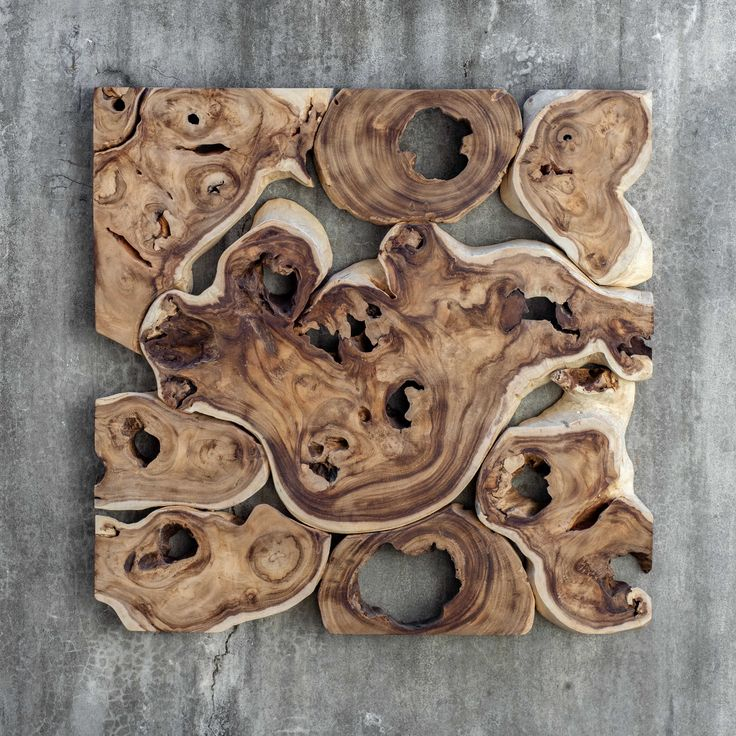
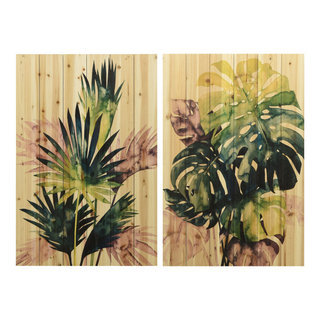
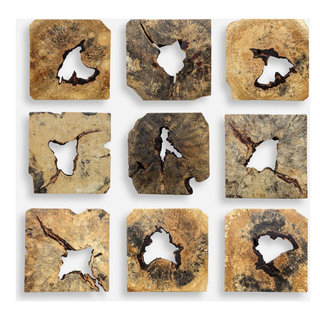
[sps_html tag=”img” src=”https://cdn.theartssection.com/wp-content/uploads/2025/12/avram-wood-wall-arts-combine-premium-quality-materials-with-unique-high-pertaining-to-how-uttermost-combines-natural-materials-with-classic-artistic-themes.jpg” alt=”Avram Wood Wall Arts Combine Premium Quality Materials With Unique High … pertaining to How Uttermost Combines Natural Materials with Classic Artistic Themes” style=”width: 100%; height: auto;”]
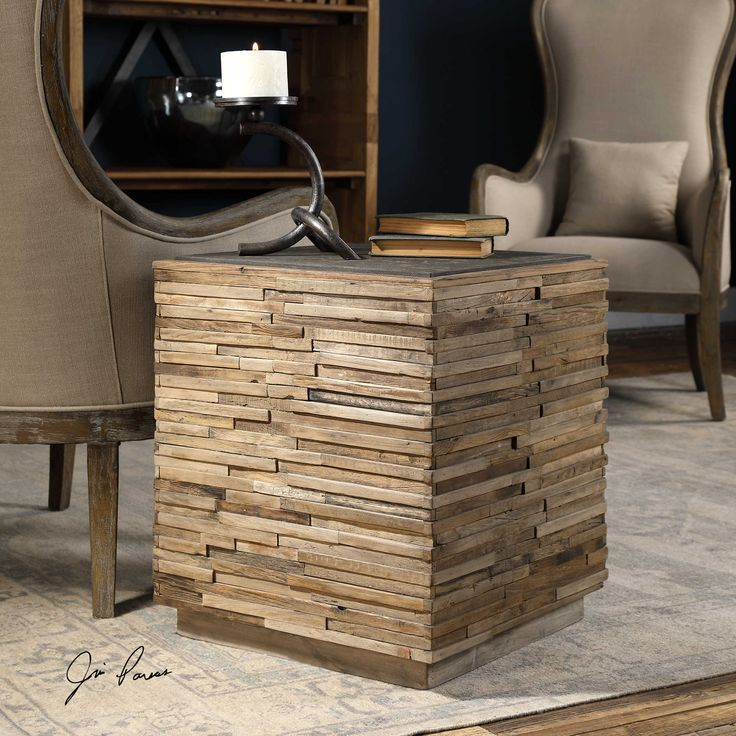
[sps_html tag=”img” src=”https://cdn.theartssection.com/wp-content/uploads/2025/12/malia-end-tables-combine-premium-quality-materials-with-unique-high-pertaining-to-how-uttermost-combines-natural-materials-with-classic-artistic-themes.jpg” alt=”Malia End Tables Combine Premium Quality Materials With Unique High … pertaining to How Uttermost Combines Natural Materials with Classic Artistic Themes” style=”width: 100%; height: auto;”]
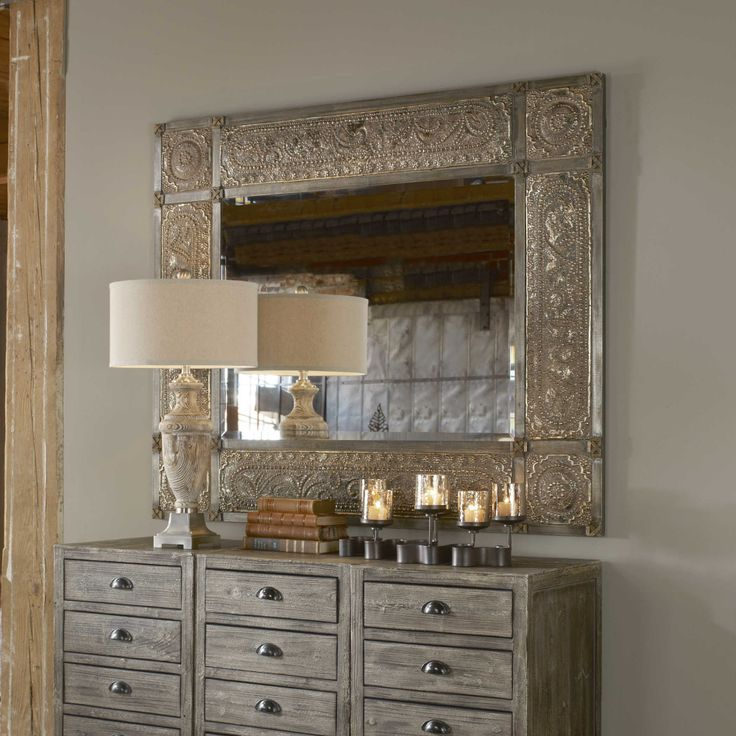
[sps_html tag=”img” src=”https://cdn.theartssection.com/wp-content/uploads/2025/12/uttermosts-mirrors-combine-premium-quality-materials-with-unique-high-in-how-uttermost-combines-natural-materials-with-classic-artistic-themes.jpg” alt=”Uttermost's Mirrors Combine Premium Quality Materials With Unique High … in How Uttermost Combines Natural Materials with Classic Artistic Themes” style=”width: 100%; height: auto;”]
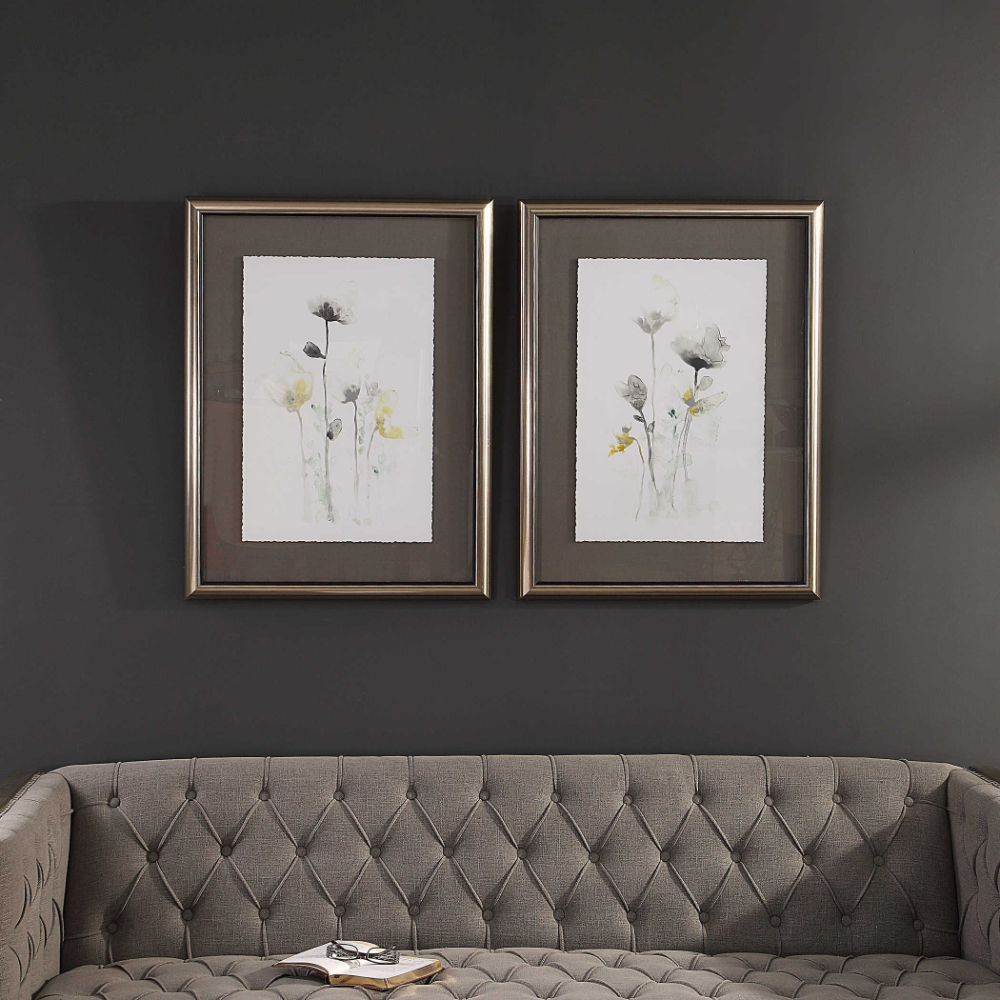
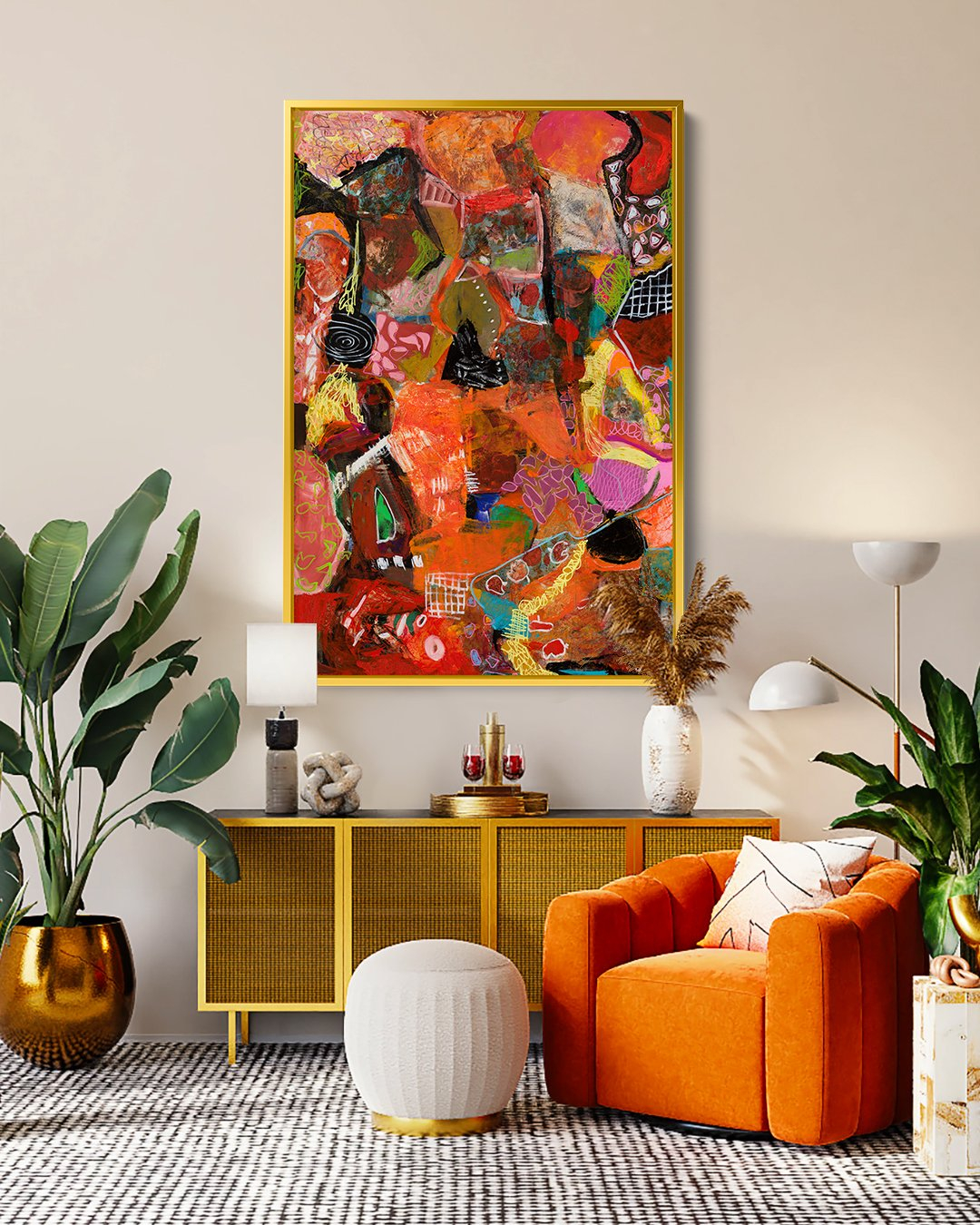
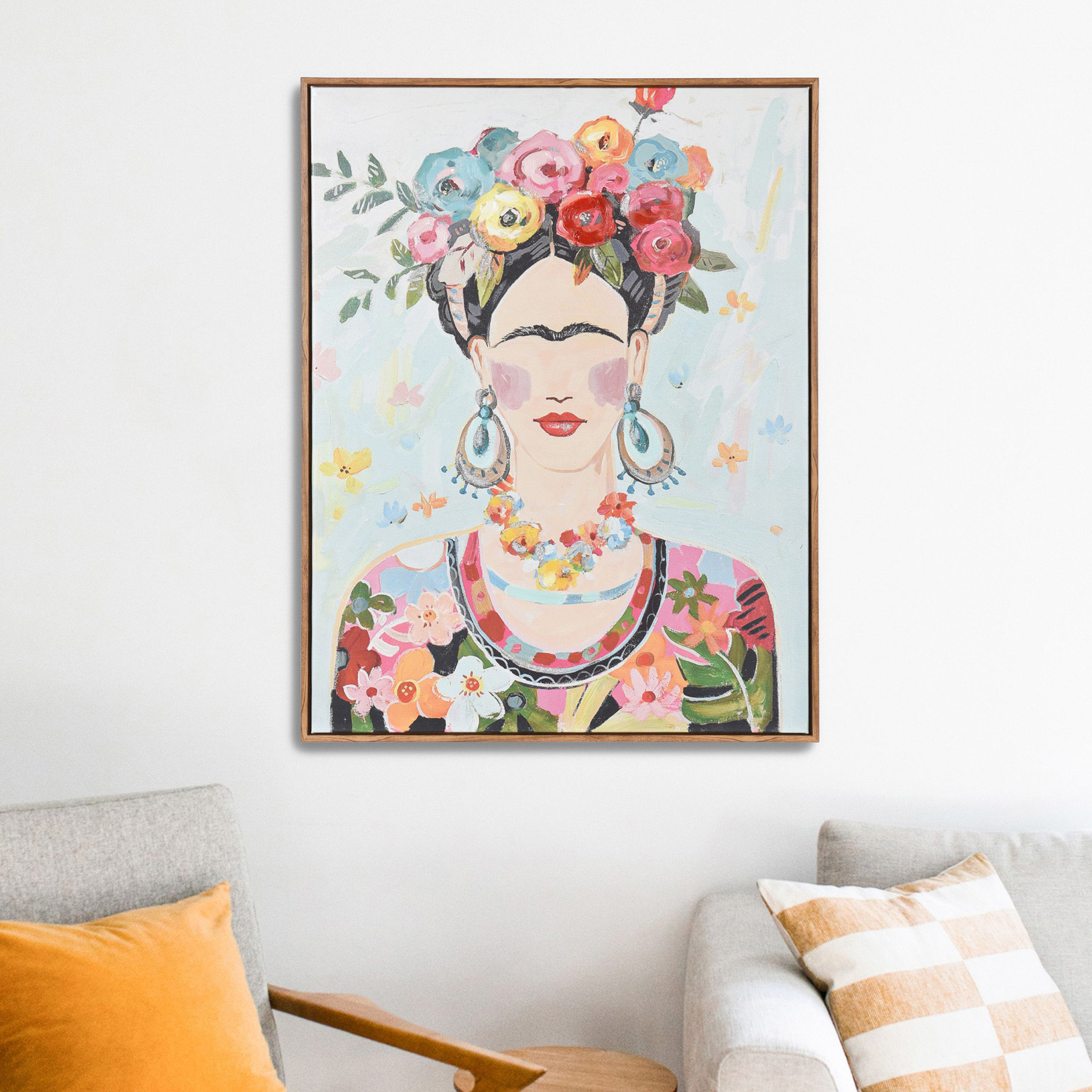
[sps_html tag=”img” src=”https://cdn.theartssection.com/wp-content/uploads/2025/12/uttermosts-art-combines-premium-quality-materials-with-unique-high-intended-for-how-uttermost-combines-natural-materials-with-classic-artistic-themes.jpg” alt=”Uttermost's Art Combines Premium Quality Materials With Unique High … intended for How Uttermost Combines Natural Materials with Classic Artistic Themes” style=”width: 100%; height: auto;”]
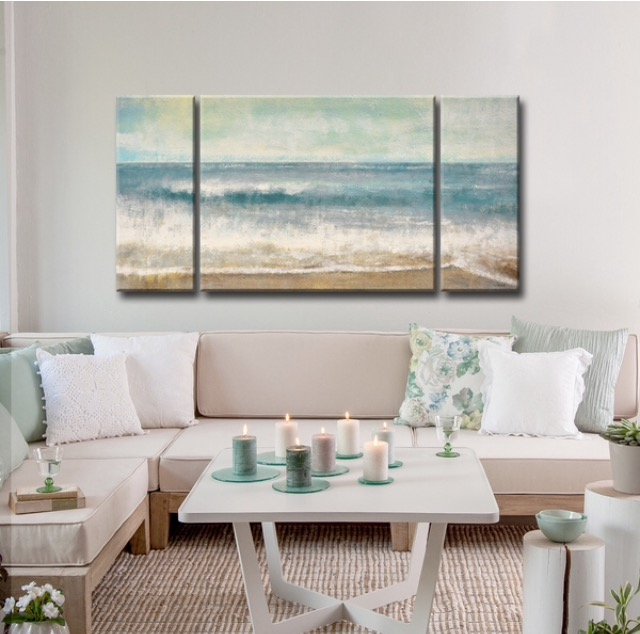
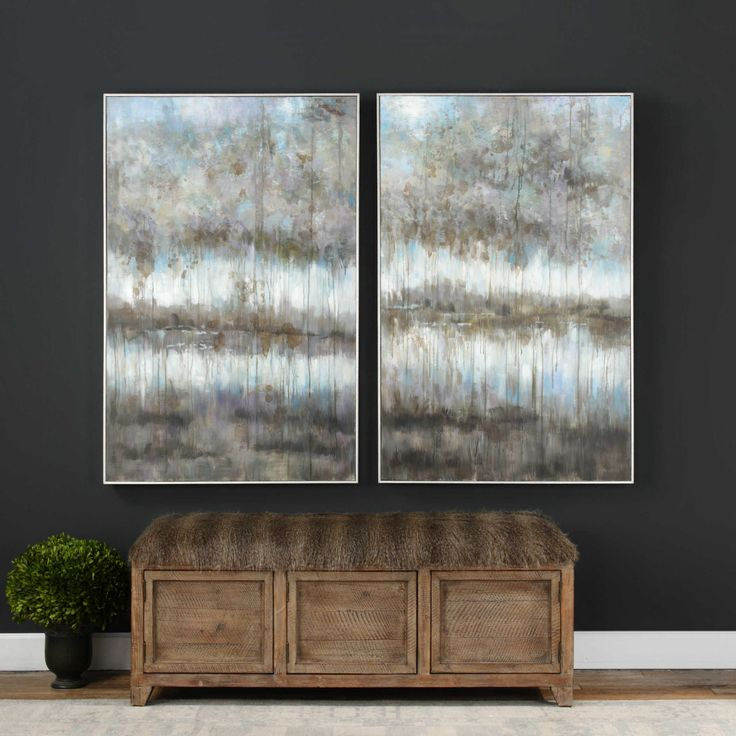
[sps_html tag=”img” src=”https://cdn.theartssection.com/wp-content/uploads/2025/12/uttermosts-art-combines-premium-quality-materials-with-unique-high-intended-for-how-uttermost-combines-natural-materials-with-classic-artistic-themes.png” alt=”Uttermost's Art Combines Premium Quality Materials With Unique High … intended for How Uttermost Combines Natural Materials with Classic Artistic Themes” style=”width: 100%; height: auto;”]