Norman Wyatt Jr’s artistic journey reveals itself not just through his work, but through how he chooses to present it. His two-part artistic statement isn’t merely about showcasing paintings or sculptures. It’s a visual conversation that speaks to viewers across generations and cultures. What makes his approach so compelling? The way he layers meaning, emotion, and cultural references into every brushstroke and composition.
In the world of contemporary art, few voices carry the weight and authenticity that Norman Wyatt Jr brings to his craft. His artistic statement isn’t just one piece of work—it’s two distinct yet interconnected parts that together tell a complete story. This duality creates something special in visual art. It’s like having two windows looking at the same scene from different angles. The artist’s choice to split his message into two parts isn’t arbitrary. It’s a deliberate decision that opens up new dimensions of interpretation and emotional connection. When we examine his visual language, we’re not just looking at colors and shapes. We’re peering into someone’s soul, their experiences, and their understanding of the world around them. The complexity lies not in the technical execution, but in how he uses visual elements to communicate deeper truths about identity, heritage, and human experience. Every element in his work has purpose. Every color choice carries significance. And every composition tells part of a larger narrative.
The Foundation of Dual Expression
Wyatt Jr’s two-part structure isn’t just about division—it’s about completeness. The first part often establishes context, grounding viewers in familiar territory before shifting into unexpected territory in the second part. Think of it like reading a story that begins with the setup and then moves into the climax. This approach allows him to build emotional investment gradually while maintaining surprise. The foundation rests on several key principles:
• Narrative progression: Each part builds upon the previous one, creating a logical flow that guides the viewer naturally
• Contrast and harmony: The parts may seem different but they complement each other beautifully
• Cultural resonance: Both sections connect to shared experiences while offering unique perspectives
This method of presentation suggests that the artist believes in the power of storytelling through visual means. Rather than presenting a single moment, he offers two moments that, when viewed together, create a fuller picture. The dual nature also reflects how we often experience life—through multiple lenses and perspectives.
Color as Emotional Architecture
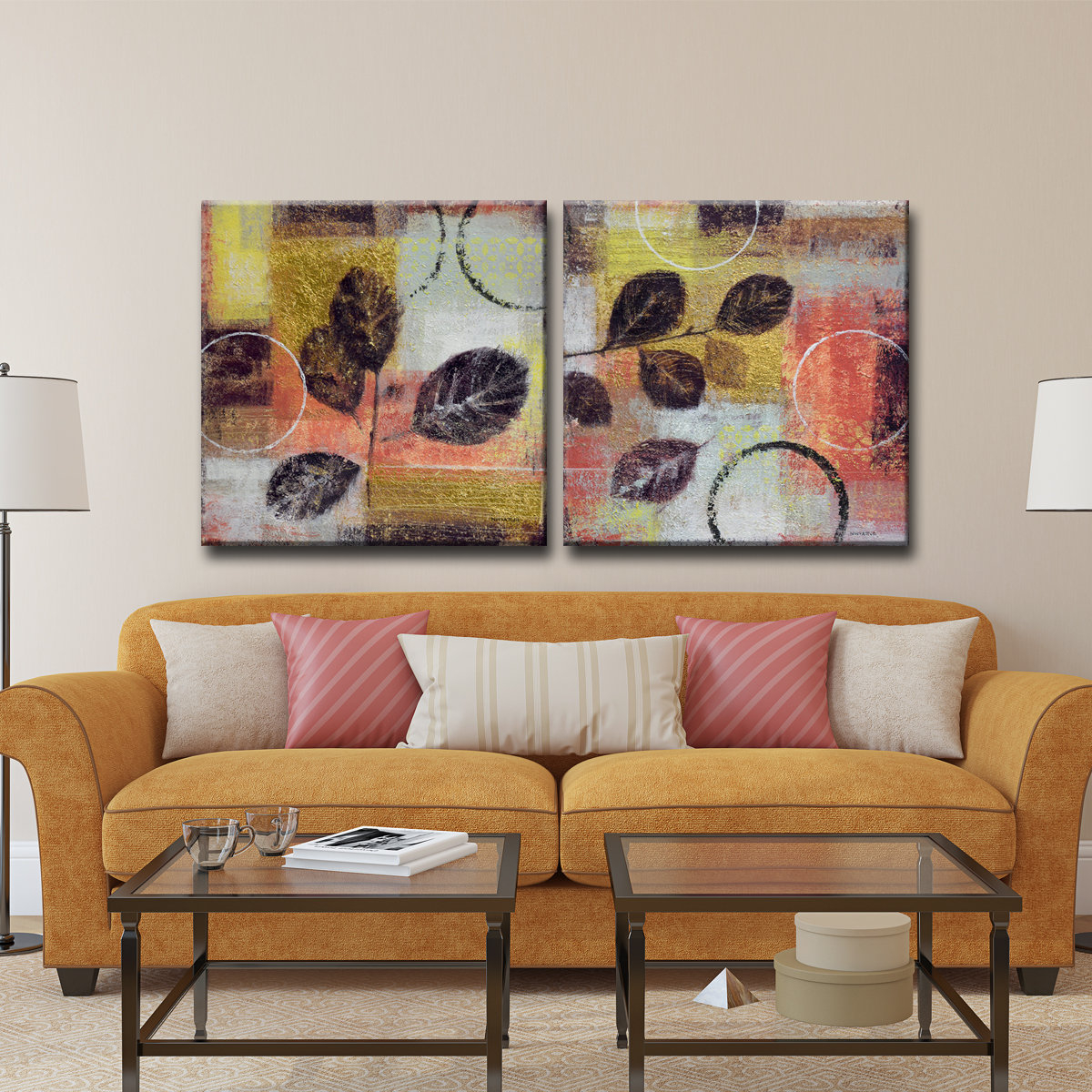
Colors in Wyatt Jr’s work aren’t chosen randomly. They form the emotional backbone of his artistic statement. His palette often shifts between warm and cool tones, creating tension and release within his compositions. In the first part, he might use earth tones and muted colors to establish a sense of groundedness and tradition. Then, in the second part, he introduces vibrant hues that feel almost electric in comparison.
Consider how certain colors can make us feel immediately. Red might evoke passion or danger. Blue could suggest calm or melancholy. Green often represents growth or renewal. Wyatt Jr understands this psychology of color deeply. He uses these associations strategically, sometimes playing against expectations to create intrigue. For instance, he might place bright yellow in a dark space to draw attention, or use deep purples in a scene that otherwise feels bright and cheerful. This psychological layering gives his work depth that goes beyond surface beauty. The colors don’t just decorate his art—they drive its emotional engine. They’re not decorative elements but active participants in the narrative. The way he balances these hues shows both technical skill and intuitive understanding of human emotion.
Composition as Conversation
What happens when you put two artistic statements side by side? You get dialogue. That’s exactly what Wyatt Jr achieves with his two-part approach. His compositions don’t just show us things—they create conversations between the viewer and the artwork. The relationship between the two parts becomes crucial to understanding his message.
The compositional choices he makes reveal his understanding of how space works in visual art. In the first part, he might use symmetrical arrangements that feel stable and familiar. But then in the second part, he introduces asymmetry or unexpected focal points that challenge the viewer’s expectations. This shift mirrors how our lives often change unexpectedly. The way he positions elements within the frame shows careful consideration of how the eye moves through the artwork.
He also plays with scale and proportion. Sometimes objects appear much larger than they should, creating emphasis or importance. Other times, small details become magnified, drawing attention to overlooked aspects of life. These decisions aren’t accidents—they’re choices made to guide the viewer’s journey through his artistic statement. The composition becomes a map, showing us where to look and what to feel. This attention to how the eye travels through space gives his work a rhythm and flow that keeps viewers engaged.
Symbolism Beyond the Surface
If you look closely at Wyatt Jr’s work, you’ll find layers of symbolism that speak to universal human experiences. Symbols in his art aren’t flashy or obvious—they’re woven naturally into the fabric of each piece. In the first part, you might see traditional symbols that connect to cultural heritage or family history. These elements ground the viewer in something familiar. Then, in the second part, he might introduce symbols that feel more modern or experimental.
The symbolism often relates to themes of transformation, growth, and identity. A tree might represent strength and longevity in one section, but in another, it could symbolize the passage of time or the branches of family relationships. Water appears frequently in his work, but its meaning changes depending on the context. Sometimes it represents cleansing or renewal, other times it might symbolize the flow of time or memory.
These symbolic elements work together to create a visual language that transcends words. They allow viewers to connect with his work on an intuitive level, even if they don’t fully understand the cultural references or specific meanings behind each symbol. The artist trusts that the viewer will find their own connections and interpretations. This openness to multiple readings makes his work incredibly rich and lasting.
Texture and Materiality
Artists who work with mixed media often do so because they want to add physical dimension to their message. Wyatt Jr takes this concept further by using texture not just for visual interest but to reinforce his conceptual goals. His work often combines smooth surfaces with rough textures, creating tactile contrast that invites touch even though viewers can only observe visually.
In the first part, he might use smoother materials to create a sense of calm or order. The second part could introduce more textured elements that feel more organic or chaotic. This contrast helps tell the story of change and development. The physicality of his work matters enormously. When you see a painting with visible brushstrokes, you’re seeing the artist’s hand at work. When you notice where paint was applied thickly versus thinly, you’re experiencing the artist’s emotional state during creation.
He also plays with how materials interact with light. Some areas reflect light differently than others, creating subtle variations that change as viewers move around the piece. This interplay of material and light adds another layer of complexity to his visual language. The textures don’t just decorate the work—they become part of its story, telling us about the process, the materials used, and the artist’s intentions. This attention to physical presence makes his art feel alive and immediate.
Cultural Context and Universal Truths
One of the most remarkable aspects of Wyatt Jr’s two-part statement is how he balances cultural specificity with universal appeal. His work draws heavily from his own background and community, yet somehow manages to speak to broader human experiences. The first part often contains specific cultural references that might be unfamiliar to outsiders but feel deeply familiar to those who share that background.
But then the second part expands beyond these specific references to explore themes that resonate across cultures and generations. This balance shows his sophisticated understanding of how art can be both rooted and global. He doesn’t try to make everything universally accessible—he lets some elements remain specific to his culture while ensuring others transcend boundaries.
The result is art that honors its origins while speaking to everyone. Viewers from different backgrounds can find something meaningful in his work, whether they recognize the specific references or not. The visual language he employs works on multiple levels. It’s simultaneously personal and impersonal, local and international. This duality creates a powerful bridge between different worlds. It’s a testament to his skill as both artist and storyteller that he can maintain this balance without losing either specificity or accessibility. The cultural context becomes a launching point rather than a limitation.
Norman Wyatt Jr’s two-part artistic statement represents more than just a creative choice—it’s a profound approach to how we experience and interpret visual art. His method of presenting his work in two distinct yet connected parts challenges viewers to engage more deeply with what they’re seeing. Through careful attention to color, composition, symbolism, texture, and cultural context, he creates a visual language that speaks directly to human experience. The fact that his work can be understood on multiple levels—from surface beauty to deep cultural meaning—shows the true power of thoughtful artistic expression. His approach reminds us that great art isn’t just about what we see, but about how we feel and think about what we see. The dual nature of his statement offers a model for how artists can create richer, more complex works that invite ongoing discovery. Whether you’re a longtime fan of his work or encountering it for the first time, there’s always something new to find in his visual poetry. His legacy lies not just in individual pieces, but in how he expanded the possibilities of what art can communicate. This two-part approach stands as a reminder that sometimes the most powerful messages come not from single statements, but from conversations between multiple perspectives.
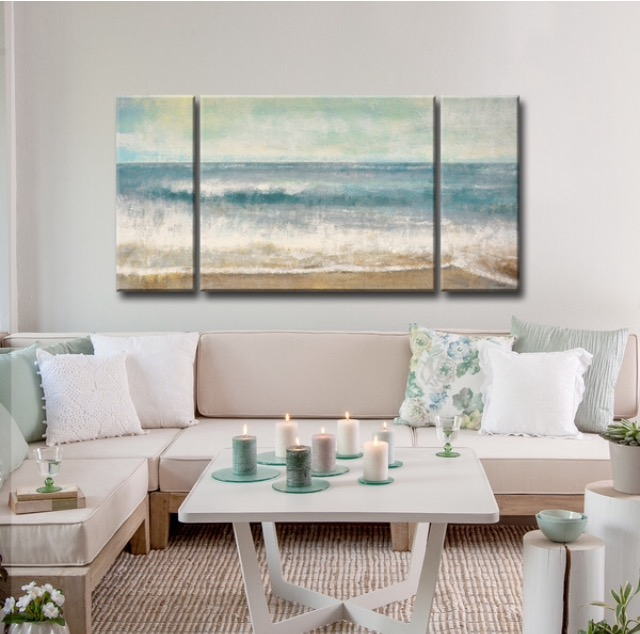
[sps_html tag=”img” src=”https://cdn.theartssection.com/wp-content/uploads/2025/12/ready2hangart-last-november-i-ii-by-norman-wyatt-jr-2-piece-canvas-for-analyzing-the-cultural-impact-of-norman-wyatt-jr-s-2-piece-canvas-art-set-last-november-i-ii.jpg” alt=”Ready2Hangart 'Last November I/Ii' By Norman Wyatt, Jr. 2-Piece Canvas … for Analyzing the Cultural Impact of Norman Wyatt Jr.'s 2-Piece Canvas Art Set Last November I/II” style=”width: 100%; height: auto;”]
[sps_html tag=”img” src=”https://cdn.theartssection.com/wp-content/uploads/2025/12/new-art-from-norman-wyatt-jr-online-beach-memories-throughout-ready2hangart-last-november-i-ii-by-norman-wyatt-jr-2-piece-canvas-art-set.jpg” alt=”New Art From Norman Wyatt, Jr. Online – "Beach Memories" throughout Ready2Hangart 'Last November I/Ii' By Norman Wyatt, Jr. 2-Piece Canvas Art Set” style=”width: 100%; height: auto;”]