Landscape wall art isn’t just about pretty pictures anymore. Today’s modern interpretations are creating emotional connections, telling stories, and transforming spaces in ways we never imagined. But what exactly makes these pieces work so well? Let’s explore the five fundamental design elements that define today’s most compelling landscape wall art.
You know that feeling when you walk into a room and something just… clicks? That’s the magic of great landscape wall art. It’s not just about the view from a mountain peak or the gentle curve of a shoreline. It’s about how those images are framed, composed, and presented to speak directly to our souls. In a world filled with digital distractions, these pieces offer something pure and grounding. They remind us of nature’s quiet power and our place within it. But what makes some landscape wall art resonate while others just blend into the background? The answer lies in understanding these five core design elements that separate the good from the great.
The Power of Composition
Composition is like the skeleton of any great artwork. In landscape wall art, it’s the invisible force that guides your eye across the canvas. Think about how a masterful composition can make a simple forest scene feel dramatic or transform a peaceful meadow into a sense of endless space. The rule of thirds often works wonders, but sometimes breaking these rules creates even more impact. What happens when you place a lone tree off-center? Suddenly, it becomes a focal point that commands attention. Consider how famous artists like Ansel Adams used leading lines to draw viewers deeper into their photographs. The way elements frame each other – whether it’s mountains framing a valley or trees creating natural borders – these decisions shape how we experience the piece. A well-composed landscape wall art piece doesn’t just show us a scene; it takes us on a journey.
Color Psychology and Emotional Impact
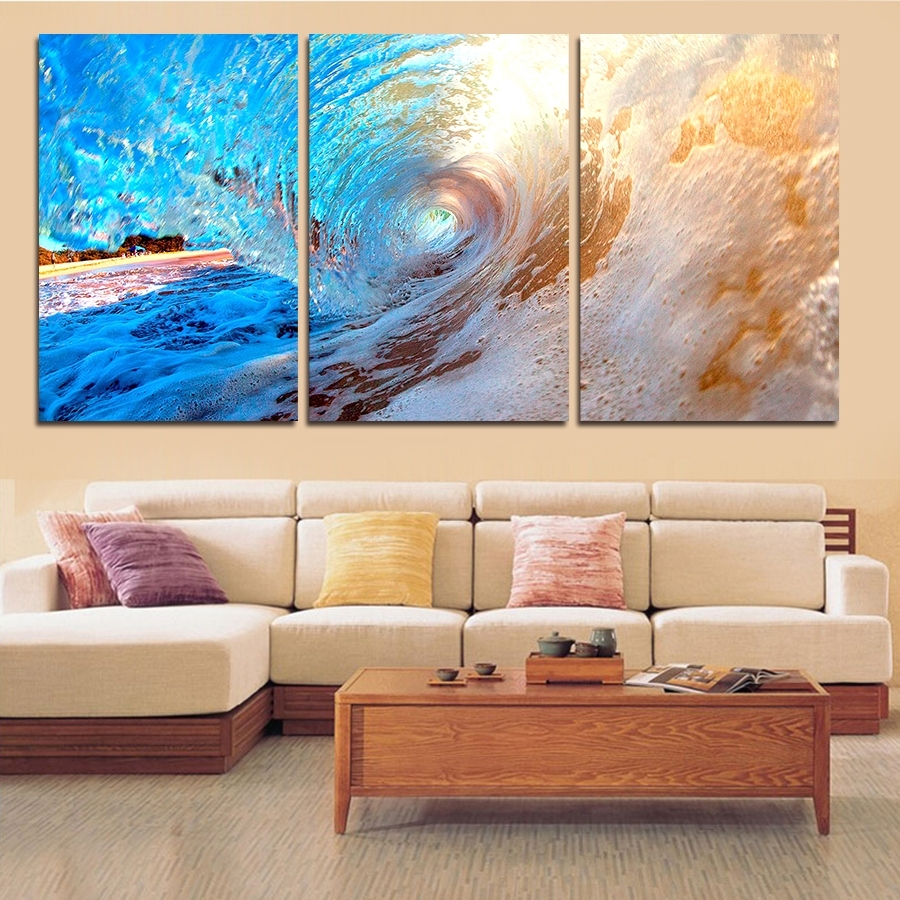
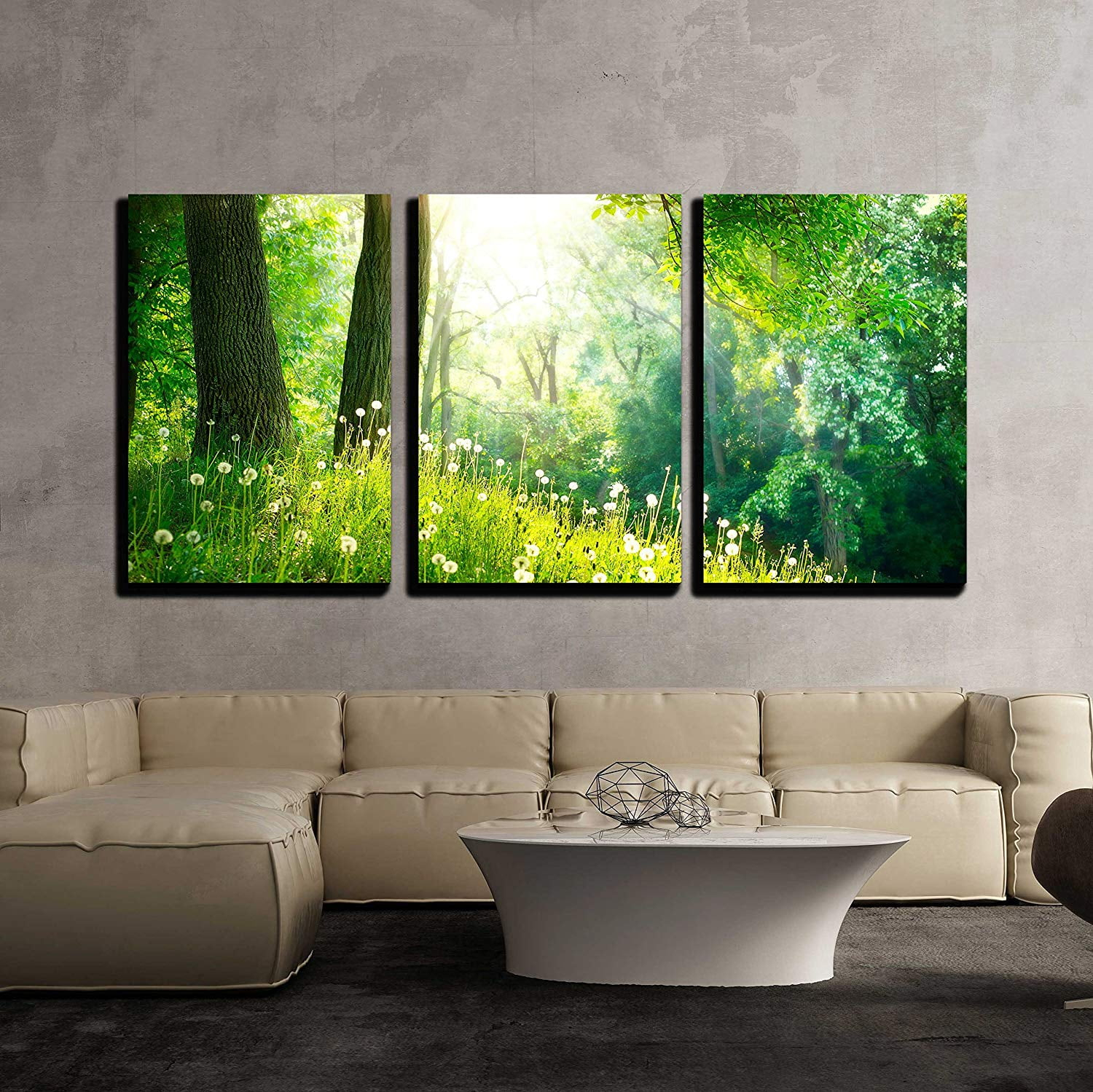
Colors in landscape wall art aren’t just decorative – they’re emotional architects. A sunset painting might use warm oranges and reds to evoke feelings of warmth and celebration. Conversely, cool blues and grays can create a sense of calm or melancholy. This isn’t just artistic preference; it’s rooted in psychology. Research shows that different colors trigger specific emotional responses. When you’re looking at landscape art, pay attention to how the palette makes you feel. Does the green of a forest make you want to breathe deeply? Do the golden tones of autumn bring back memories of cozy evenings? These subtle emotional cues are what make landscape wall art so personal. The best pieces understand that color isn’t just about what we see – it’s about how we feel. A monochromatic landscape can be incredibly powerful too, especially when it emphasizes texture and contrast rather than hue. Sometimes less is more when it comes to emotional resonance.
Texture and Depth Creation
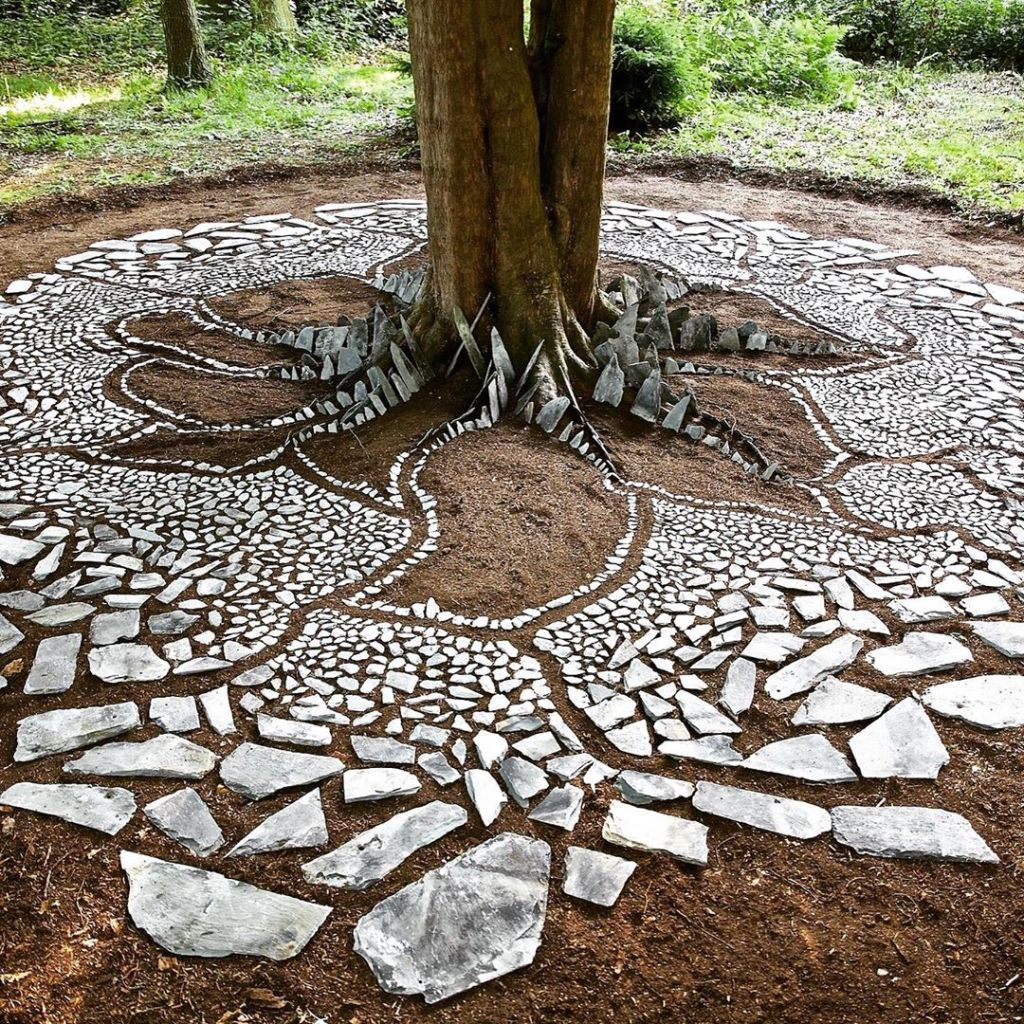
Great landscape wall art understands that dimension matters. Texture adds life to flat surfaces, giving viewers something to touch with their imagination. Think about how the rough bark of a tree contrasts with the smoothness of water. Or how the soft layers of clouds create depth against a stark sky. Artists achieve this through various techniques – from the careful application of paint to the strategic use of shadows and highlights. The interplay between light and shadow creates visual texture that makes landscapes feel alive. A skilled artist knows how to make a wall seem to recede or how to give a distant mountain range a sense of weight. When you look at a landscape wall art piece, do you feel like you could step into it? That’s texture working its magic. It’s not just about the physical feel of materials either – it’s about creating a mental landscape that feels real and tangible.
Scale and Perspective Mastery
Scale is perhaps one of the most misunderstood aspects of landscape wall art. It’s not just about size – it’s about how we perceive space and distance. A small landscape can feel vast, while a large piece might feel intimate. This is where perspective becomes crucial. The artist must decide how much of the world to show and how to represent that world to the viewer. A wide-angle shot might emphasize the grandeur of a mountain range, while a tight composition focuses on details like a single flower or weathered stone. What happens when you see a landscape that seems to stretch beyond the frame? That’s scale manipulation at work. Many contemporary artists play with traditional perspective, using techniques that challenge our expectations. Some create pieces that feel like windows, others like portals to another world entirely. Understanding scale helps us appreciate why certain landscape wall art pieces feel so transformative.
Narrative and Storytelling Elements
The most memorable landscape wall art tells a story. It might be a story about time passing, seasons changing, or human connection to nature. These narratives often emerge subtly – through the positioning of elements, the choice of subjects, or even the weather depicted. A landscape showing a lone figure walking through a field suggests solitude and contemplation. A scene of wildflowers in full bloom tells a story of growth and renewal. The best pieces don’t just capture a moment; they capture emotion and memory. They become part of our personal story, helping us remember special places or experiences. Sometimes the narrative is obvious – a stormy sea clearly tells a tale of power and danger. Other times, it’s more subtle, like how the angle of a tree branch might suggest the passage of time. These storytelling elements make landscape wall art more than decoration – they become conversation starters and sources of personal meaning.
Balance and Harmony in Visual Weight
Balance in landscape wall art is like music – it needs rhythm and harmony to work effectively. Some pieces feel perfectly balanced because all elements work together, while others create tension through imbalance. This doesn’t mean symmetrical balance is always better. Sometimes asymmetrical compositions are more dynamic and interesting. The key is ensuring that visual weight distributes itself naturally across the piece. A large mountain might balance a small river, or a bright sun might balance darker shadows. This kind of balance makes the artwork feel stable and complete. Think about how a landscape with multiple elements – perhaps a lake reflecting mountains and surrounded by trees – creates a natural equilibrium. When all these components work together, the result feels satisfying and complete. The artist must consider how each element contributes to the overall balance, ensuring no single part overwhelms the others.
Modern landscape wall art isn’t just about capturing beautiful views – it’s about crafting experiences that connect us to something larger than ourselves. Each of these five design elements – composition, color, texture, scale, and narrative – works together to create pieces that resonate long after we’ve looked away. The next time you find yourself drawn to a landscape wall art piece, take a moment to notice how these elements interact. What draws your eye first? How does the color make you feel? What story is being told? Understanding these principles doesn’t make you an expert, but it does help you appreciate the craftsmanship behind these beautiful works. Whether you’re choosing art for your home or simply enjoying it in a gallery, recognizing these elements transforms your viewing experience. After all, great art doesn’t just decorate walls – it enriches lives.
[sps_html tag=”img” src=”https://cdn.theartssection.com/wp-content/uploads/2025/12/tips-for-how-to-decorate-a-contemporary-home-with-modern-flair-with-regard-to-modern-home-decor-trends-featuring-endless-lavender-panel-collections.jpeg” alt=”Tips For How To Decorate A Contemporary Home With Modern Flair with regard to Modern Home Decor Trends Featuring Endless Lavender Panel Collections” style=”width: 100%; height: auto;”]
[sps_html tag=”img” src=”https://cdn.theartssection.com/wp-content/uploads/2025/12/color-series-decorating-with-lavender-lilac-bedroom-lavender-room-with-regard-to-endless-rows-of-lavender-flowers-modern-landscape-wall-art-5-panels.jpg” alt=”Color Series; Decorating With Lavender | Lilac Bedroom, Lavender Room … with regard to "Endless Rows Of Lavender Flowers" Modern Landscape Wall Art, 5 Panels” style=”width: 100%; height: auto;”]
[sps_html tag=”img” src=”https://cdn.theartssection.com/wp-content/uploads/2025/12/lavender-wedding-check-out-these-decor-ideas-for-your-celebration-with-endless-rows-of-lavender-flowers-modern-landscape-wall-art-5-panels.jpg” alt=”Lavender Wedding: Check Out These Decor Ideas For Your Celebration … with "Endless Rows Of Lavender Flowers" Modern Landscape Wall Art, 5 Panels” style=”width: 100%; height: auto;”]
[sps_html tag=”img” src=”https://cdn.theartssection.com/wp-content/uploads/2025/12/decorating-with-lavender-pantones-2022-color-trend-with-endless-rows-of-lavender-flowers-modern-landscape-wall-art-5-panels.jpg” alt=”Decorating With Lavender: Pantone’s 2022 Color Trend with "Endless Rows Of Lavender Flowers" Modern Landscape Wall Art, 5 Panels” style=”width: 100%; height: auto;”]
[sps_html tag=”img” src=”https://cdn.theartssection.com/wp-content/uploads/2025/12/decorating-with-lavender-color-walls-intended-for-endless-rows-of-lavender-flowers-modern-landscape-wall-art-5-panels.jpg” alt=”Decorating With Lavender Color Walls intended for "Endless Rows Of Lavender Flowers" Modern Landscape Wall Art, 5 Panels” style=”width: 100%; height: auto;”]