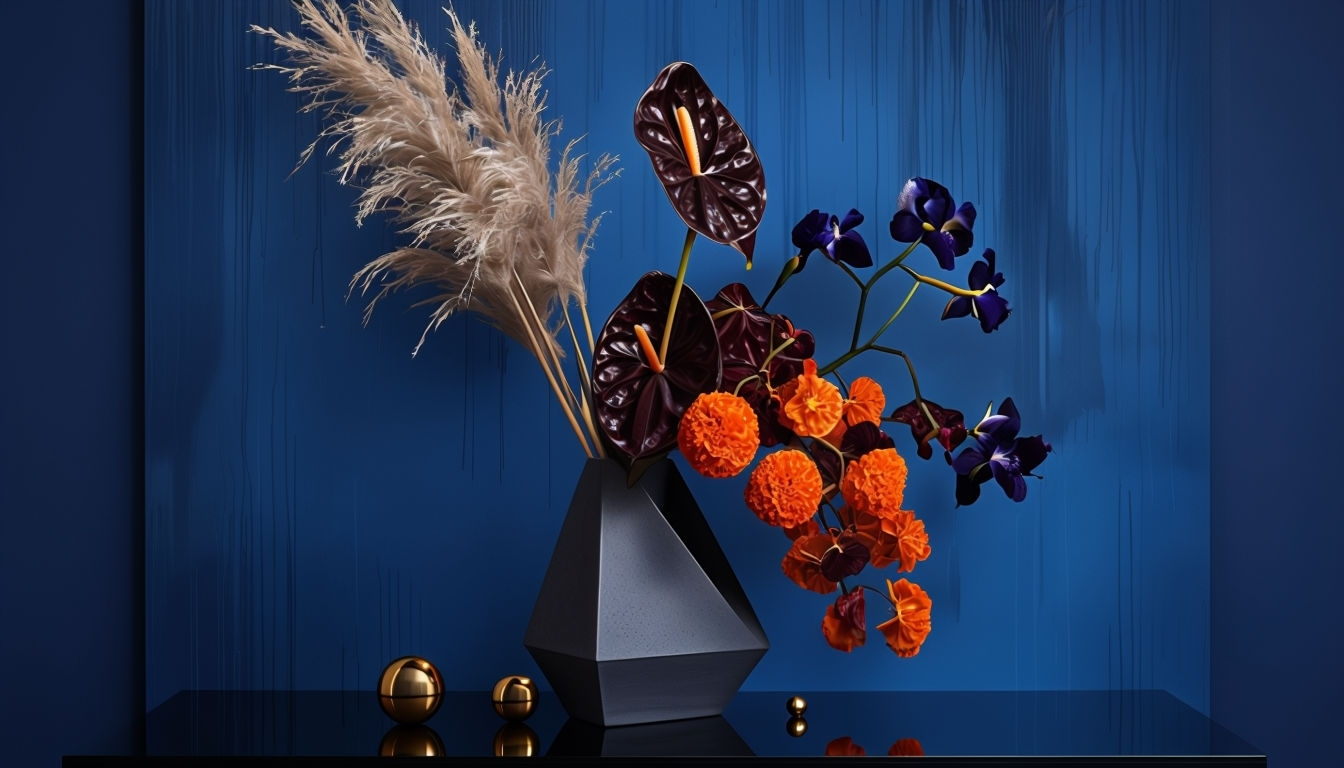
Think about the last time you looked at a still life photograph hanging on a wall. Was it just a pretty picture, or did it somehow draw you in? That’s the magic modern approaches to still life photography bring to wall art installation. Today’s artists aren’t just capturing objects anymore – they’re crafting experiences that live and breathe on your walls.
In the world of contemporary art and interior design, still life photography has undergone a dramatic transformation. What began as traditional arrangements of fruit, flowers, and household items has evolved into something far more complex and engaging. Modern photographers and artists now approach still life with fresh perspectives, using technology, unconventional compositions, and innovative lighting to create wall art that tells stories beyond simple object representation. The result? A revolution in how we think about static images and their role in our living spaces.
Breaking Traditional Boundaries
The old-school still life photography of the 19th century focused heavily on perfect composition and realistic portrayal. Today’s artists challenge those conventions entirely. They might photograph a single apple with dramatic shadows that seem to tell a story, or arrange objects in unexpected ways that make viewers question what they’re seeing. This shift isn’t just aesthetic – it’s philosophical. Artists want to provoke thought rather than simply please the eye.
Consider how a modern photographer might capture a stack of books not as mere objects, but as symbols of knowledge and curiosity. The lighting, angles, and surrounding elements all contribute to creating a narrative that resonates with viewers long after they’ve looked away. These aren’t just pictures – they’re visual poems that demand attention and interpretation.
Lighting as a Creative Tool
One of the most significant changes in modern still life photography is the sophisticated use of lighting. Gone are the days when photographers relied solely on natural light or basic studio setups. Today’s artists manipulate light to create mood, emotion, and depth in ways that were impossible before.
For instance, a photographer might use a single spotlight to highlight one element in a cluttered arrangement, drawing the viewer’s eye precisely where they want it. Or they might employ multiple light sources to create dramatic chiaroscuro effects that make simple objects appear almost sculptural. The interplay between light and shadow becomes a character in itself, adding layers of complexity that transform a simple still life into a compelling visual statement.
This approach directly impacts wall art installation because it means each photograph can be designed to work in different lighting conditions, making them more versatile for various spaces.
Digital Integration and Post-Processing
Modern still life photography often incorporates digital techniques that blur the line between reality and artistic creation. Photographers might composite multiple images, adjust colors dramatically, or even add elements that weren’t present in the original scene. This isn’t about deception – it’s about expanding creative possibilities.
A stunning example might be a still life that appears to show objects floating in mid-air, achieved through careful digital manipulation. Or perhaps a photograph that combines elements from different times of day to create a surreal moment that couldn’t exist naturally. These techniques allow artists to express concepts that pure photography alone might not capture.
For wall art installation, this means artists can create works that are more ambitious in scope and conceptually rich, knowing they have tools to realize their vision fully. The digital realm opens doors to infinite creativity while maintaining the authenticity of the photographic medium.
Color Theory and Emotional Impact
Contemporary still life photographers pay meticulous attention to color relationships and their psychological impact. They understand that the palette of a photograph can make or break its emotional resonance with viewers. Where once photographers might have chosen colors based on natural appearance, today’s artists consider how specific color combinations affect mood and atmosphere.
A monochromatic still life might evoke calm and sophistication, while a vibrant, saturated palette could energize a space and create excitement. Some artists deliberately choose colors that complement or contrast with existing room décor, ensuring their wall art integrates seamlessly with the environment while still standing out as a focal point.
This strategic use of color transforms still life photography from simple object representation into a form of environmental psychology. The right combination of hues can make a room feel warmer, cooler, more spacious, or more intimate – all through the carefully chosen still life that graces the wall.
Unconventional Arrangements and Composition
Modern still life photography embraces unconventional composition techniques that challenge viewers’ expectations. Rather than following classical rules of thirds or golden ratios, contemporary artists might place subjects off-center in ways that create tension, or use negative space strategically to emphasize certain elements.
Some photographers experiment with unusual perspectives, shooting from below to make small objects appear monumental, or from extreme angles that distort familiar shapes into something mysterious. Others focus on the relationship between objects rather than individual items, arranging them to suggest interaction or conflict.
These approaches directly influence how wall art is installed and experienced. When a viewer looks at such a photograph, they don’t just see the objects – they see a conversation happening between the elements. The installation process must account for how these dynamic compositions will be viewed from different angles and distances, ensuring the artwork remains impactful regardless of where someone stands in the room.
Technology and Interactive Elements
The integration of technology has opened new frontiers in still life photography and wall art. Some artists now incorporate motion sensors, LED elements, or even augmented reality features into their still life installations. These aren’t just gimmicks – they represent a fundamental shift in how we experience static art.
Imagine a still life photograph that responds to movement in the room, changing subtle aspects of its presentation as people walk past. Or a wall installation that uses projection mapping to make objects appear to move within the frame. These technologies don’t replace the beauty of traditional still life photography – they enhance it, creating immersive experiences that engage viewers on multiple levels.
For interior designers and homeowners, this evolution means that wall art can become more interactive and personalized. The same photograph might look different at various times of day, or respond to the presence of people in the room, making the artwork truly part of the living space rather than just decoration.
The evolution of still life photography into modern wall art represents more than just a change in technique – it’s a complete reimagining of how static images can function in our lives. Today’s photographers don’t just document objects; they craft experiences that speak to our emotions, challenge our perceptions, and transform our living spaces. Whether through innovative lighting, digital manipulation, or technological integration, these modern approaches have elevated still life photography from a traditional art form into a powerful tool for personal expression and environmental design. The next time you look at a wall hung with still life photography, remember that you’re experiencing more than just a photograph – you’re witnessing the intersection of art, technology, and human emotion, all carefully arranged to make your space uniquely yours.
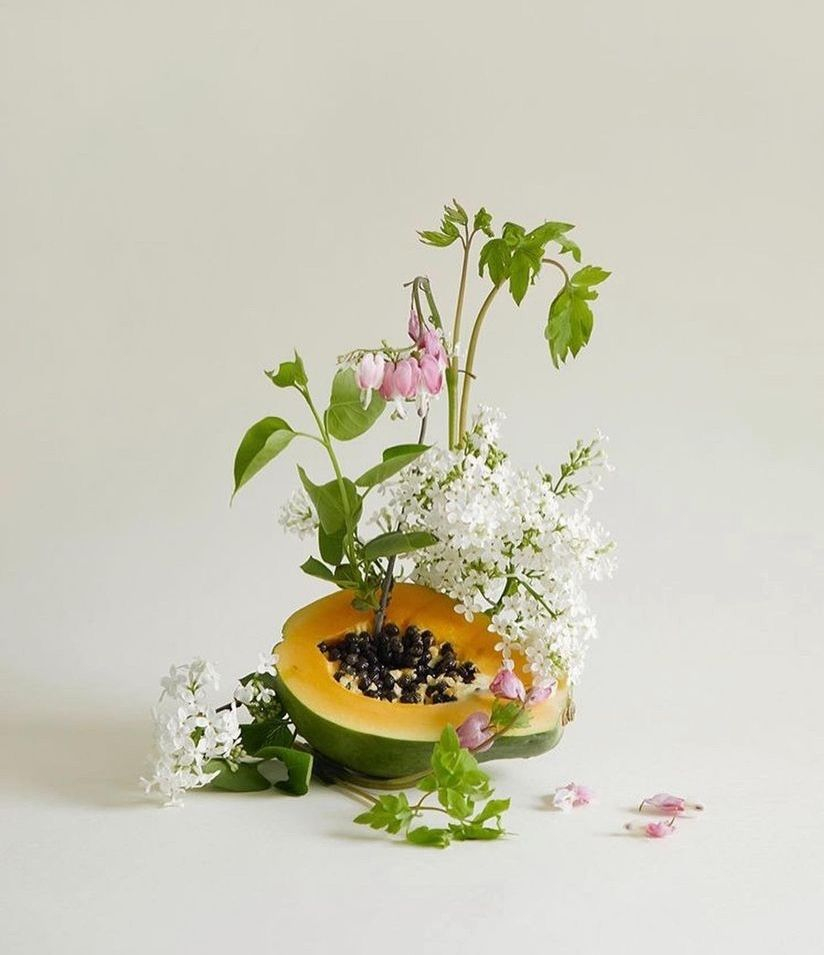
[sps_html tag=”img” src=”https://cdn.theartssection.com/wp-content/uploads/2025/12/floral-arrangement-by-fruit-assembly-on-instagram-still-life-throughout-interior-design-trends-featuring-contemporary-floral-still-life-installations.jpg” alt=”Floral Arrangement By Fruit Assembly On Instagram | Still Life … throughout Interior Design Trends Featuring Contemporary Floral Still Life Installations” style=”width: 100%; height: auto;”]
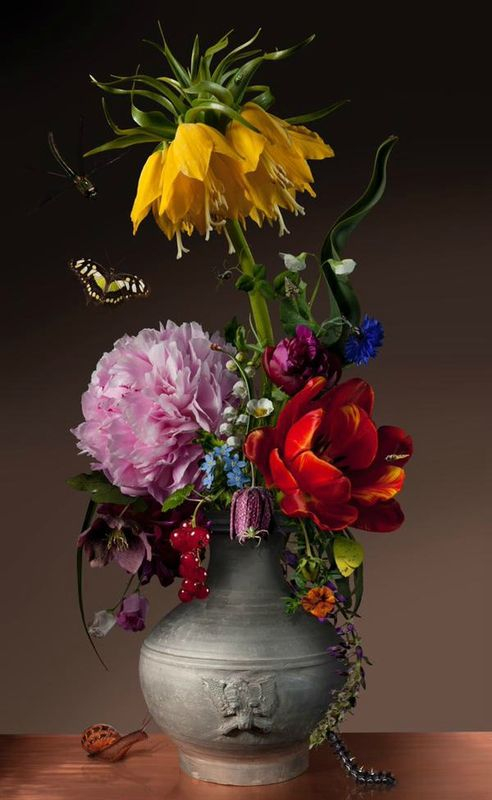
[sps_html tag=”img” src=”https://cdn.theartssection.com/wp-content/uploads/2025/12/photographic-floral-still-lifes-by-bas-meeuws-alain-r-truong-flower-pertaining-to-still-life-bouquet-of-chamomiles-modern-landscape-wall-art-4-panels.jpg” alt=”Photographic Floral Still Lifes By Bas Meeuws - Alain.r.truong | Flower … pertaining to "Still Life Bouquet Of Chamomiles" Modern Landscape Wall Art, 4 Panels” style=”width: 100%; height: auto;”]
[sps_html tag=”img” src=”https://cdn.theartssection.com/wp-content/uploads/2025/12/modern-still-life-floral-arrangement-with-vibrant-colors-background-intended-for-still-life-bouquet-of-chamomiles-modern-landscape-wall-art-4-panels.jpeg” alt=”Modern Still-Life Floral Arrangement With Vibrant Colors Background … intended for "Still Life Bouquet Of Chamomiles" Modern Landscape Wall Art, 4 Panels” style=”width: 100%; height: auto;”]
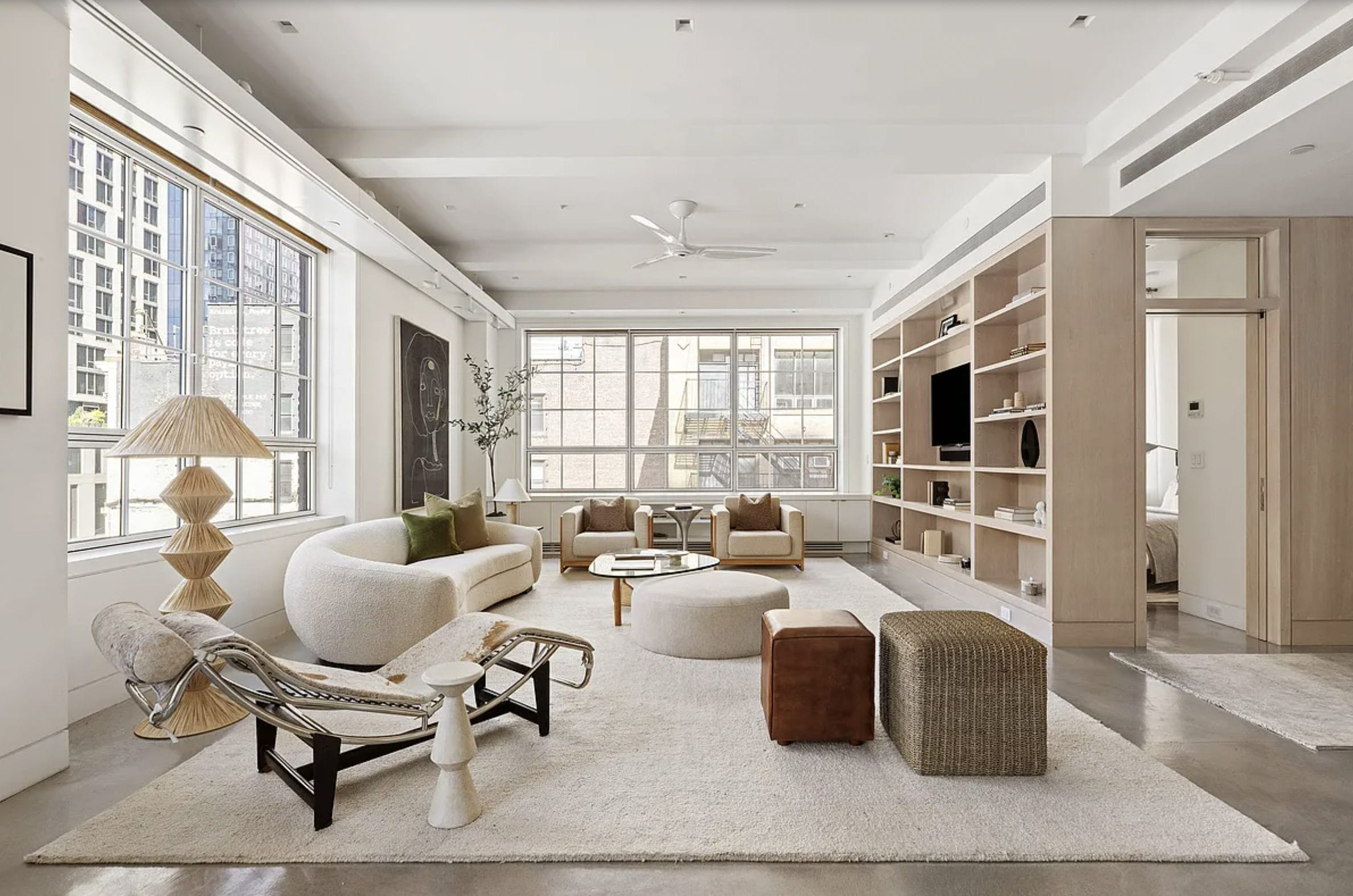
[sps_html tag=”img” src=”https://cdn.theartssection.com/wp-content/uploads/2025/12/16-interior-design-trends-2026-must-have-looks-youll-love-decorilla-within-still-life-bouquet-of-chamomiles-modern-landscape-wall-art-4-panels.jpg” alt=”16 Interior Design Trends 2026: Must-Have Looks You'll Love - Decorilla … within "Still Life Bouquet Of Chamomiles" Modern Landscape Wall Art, 4 Panels” style=”width: 100%; height: auto;”]
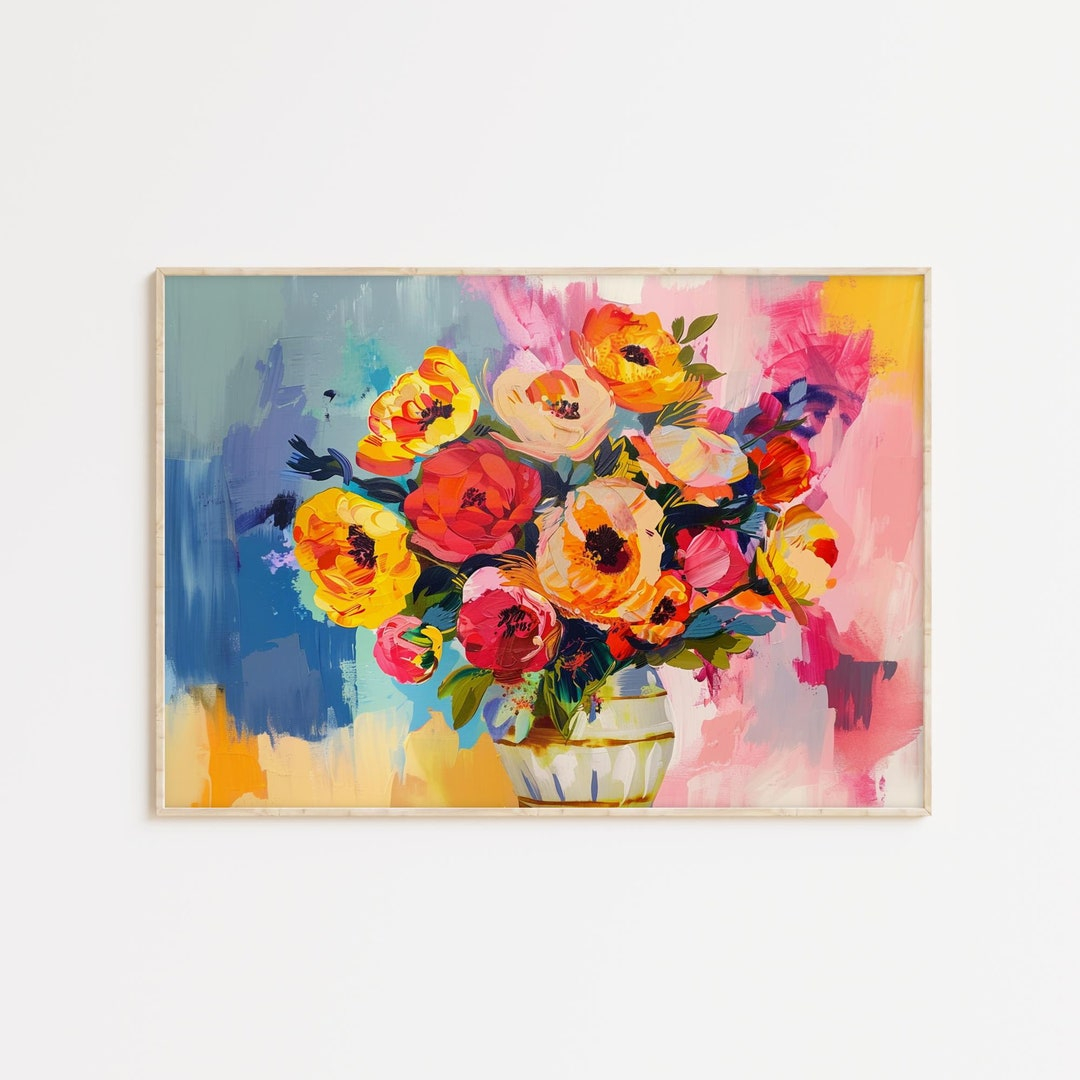
[sps_html tag=”img” src=”https://cdn.theartssection.com/wp-content/uploads/2025/12/contemporary-floral-still-life-ii-home-decor-premium-art-print-303-p-etsy-inside-interior-design-trends-featuring-contemporary-floral-still-life-installations.jpg” alt=”Contemporary Floral Still Life Ii Home Decor Premium Art Print 303-P - Etsy inside Interior Design Trends Featuring Contemporary Floral Still Life Installations” style=”width: 100%; height: auto;”]