There’s something deeply satisfying about looking at a well-crafted wooden wall panel. The way light dances across the slats, how each piece seems to breathe with life, and the quiet confidence of traditional craftsmanship all come together in these remarkable artworks. These aren’t just decorations – they’re stories carved in wood, passed down through generations of artisans who understood that true beauty comes from working with nature rather than against it.
When you think about wall art, you might picture paintings or photographs hanging on a plain surface. But there’s another category that’s been captivating people for centuries: slatted solid wood wall art. This technique involves arranging individual wooden slats in precise patterns to create stunning visual effects. It’s not just about aesthetics though – there’s a rich history behind these beautiful works. From ancient Japanese screens to European country homes, slatted wood walls have provided both functional and artistic value. What makes them so special? It’s the marriage of simple materials with sophisticated techniques that have been refined over hundreds of years. Each slat tells its own story while contributing to a larger masterpiece.
Historical Roots and Cultural Significance
Slatted wood walls aren’t a modern invention. They have deep historical roots stretching back thousands of years. In Japan, the tradition of shoji screens showcases this technique beautifully. These translucent panels allowed light to filter through while maintaining privacy, creating a gentle atmosphere that’s still admired today. The Chinese developed their own variations, using wooden slats to create decorative partitions in homes and temples. European craftsmen adapted the concept for interior walls, often incorporating intricate joinery methods. What’s fascinating is how different cultures interpreted the same basic idea. The Japanese focused on minimalism and natural beauty, while European artisans often added ornate details and carved elements. Both approaches created lasting impact, proving that good design transcends borders. Even today, many architects and designers draw inspiration from these traditional methods when creating contemporary spaces.
Essential Materials and Tools
Creating quality slatted wood art starts with choosing the right materials. Solid hardwoods like oak, maple, and ash work best because they’re strong enough to hold their shape and durable enough to last decades. The wood should be properly dried to prevent warping or cracking over time. Thickness matters too – most traditional pieces use slats between 1/8 inch and 1/4 inch thick. As for tools, you’ll need basic woodworking equipment plus some specialized items. A sharp hand saw or power miter saw helps cut precise angles. Specialized clamps keep pieces aligned during assembly. Measuring tools ensure uniformity across all slats. Some craftspeople prefer hand tools for the finer details, while others rely on power tools for efficiency. The key is having the right balance between precision and practicality. Quality tools make the difference between amateur and professional results.
Traditional Joining Methods
One of the most impressive aspects of traditional slatted wood art is how pieces connect without nails or glue. These ancient techniques show incredible ingenuity. The dovetail joint, for instance, interlocks slats in a way that’s virtually unbreakable. The mortise and tenon method creates strong connections by fitting one piece into another like puzzle pieces. Another popular approach uses tongue-and-groove joints, where edges fit together perfectly. These methods require skill and patience, but they produce stunning results. Many artisans still practice these time-honored techniques today. They understand that proper joining creates not just a functional piece, but an artwork that demonstrates respect for both material and craft. The beauty lies in seeing how each connection point reinforces the overall structure.
Design Patterns and Layout Strategies
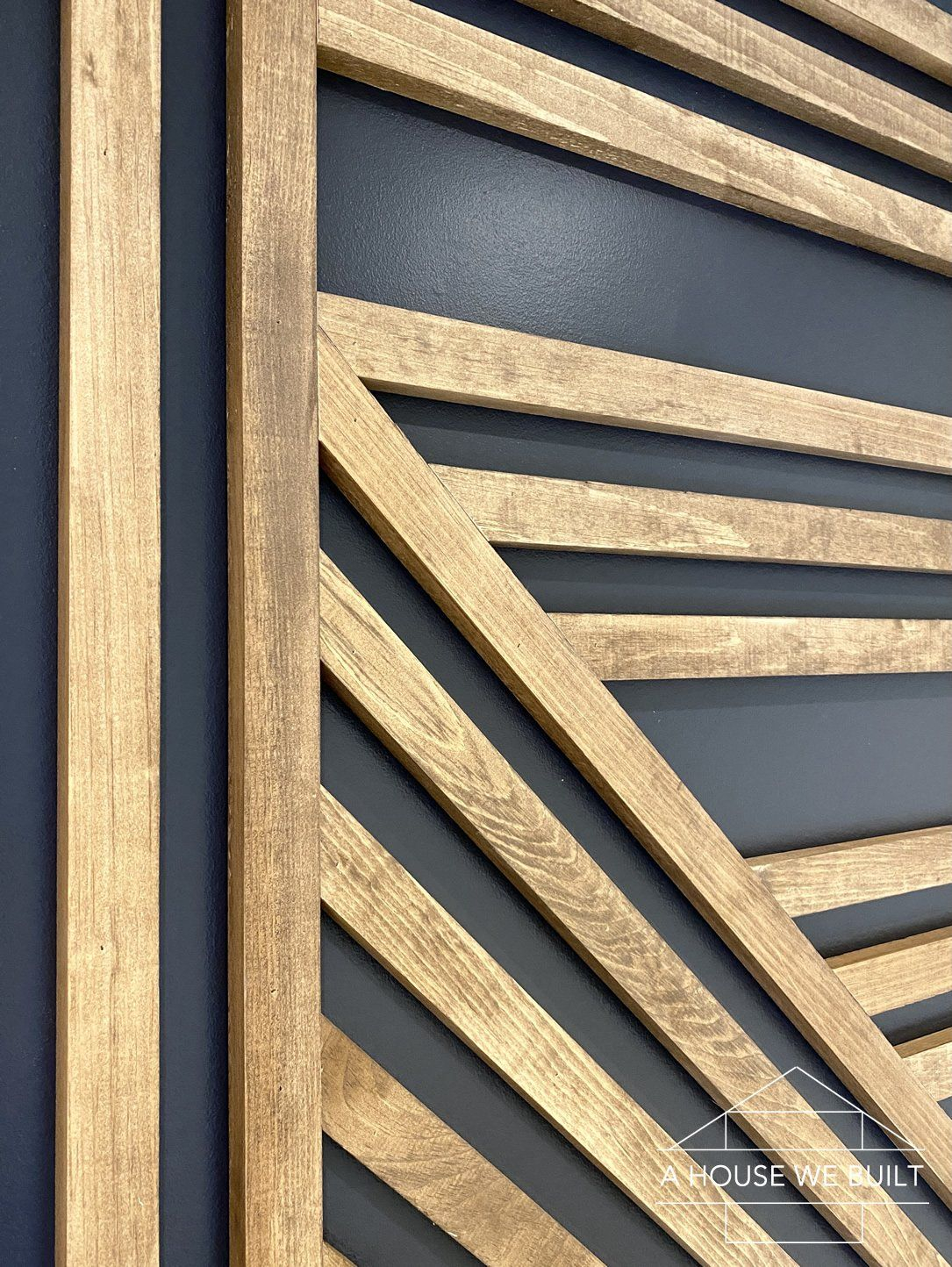
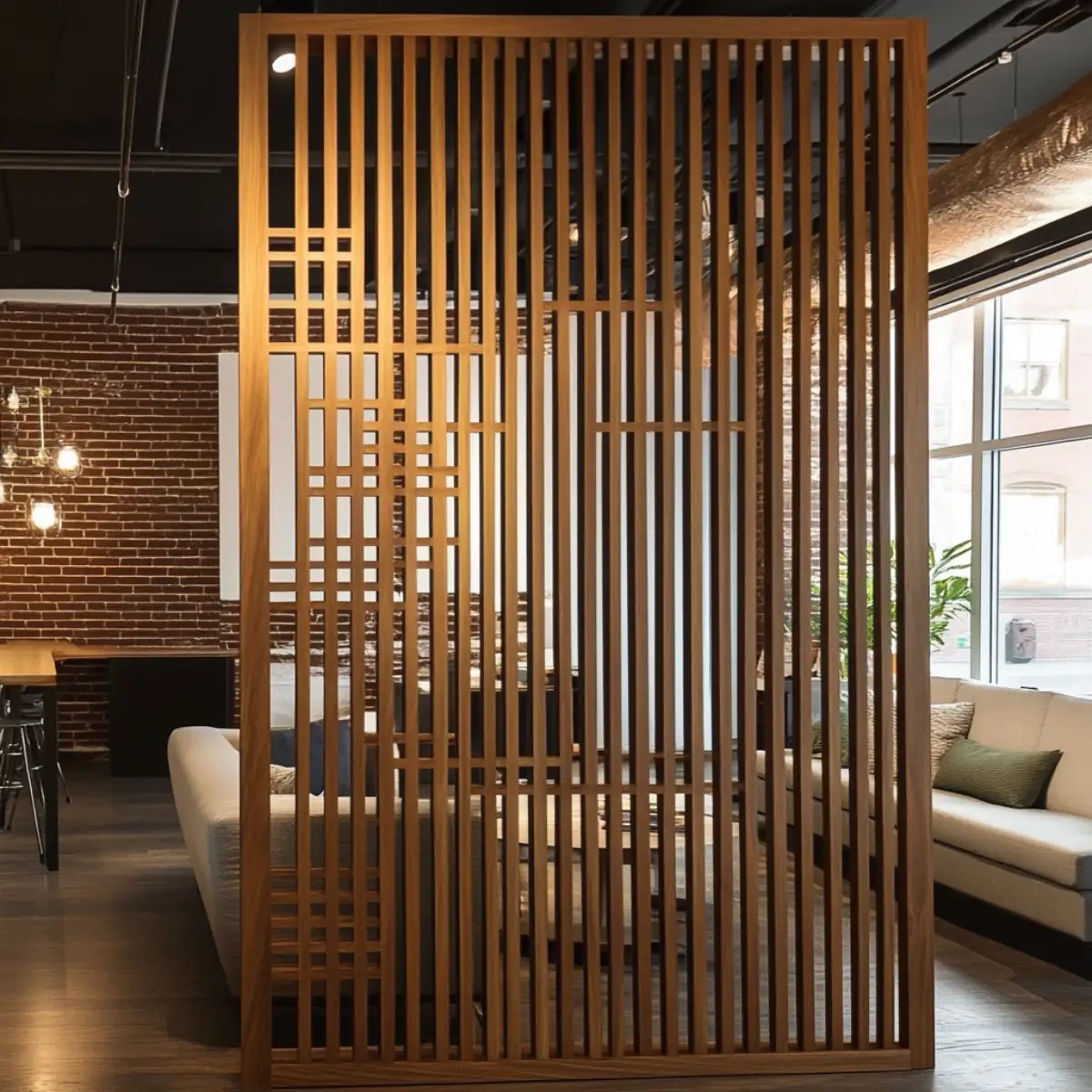
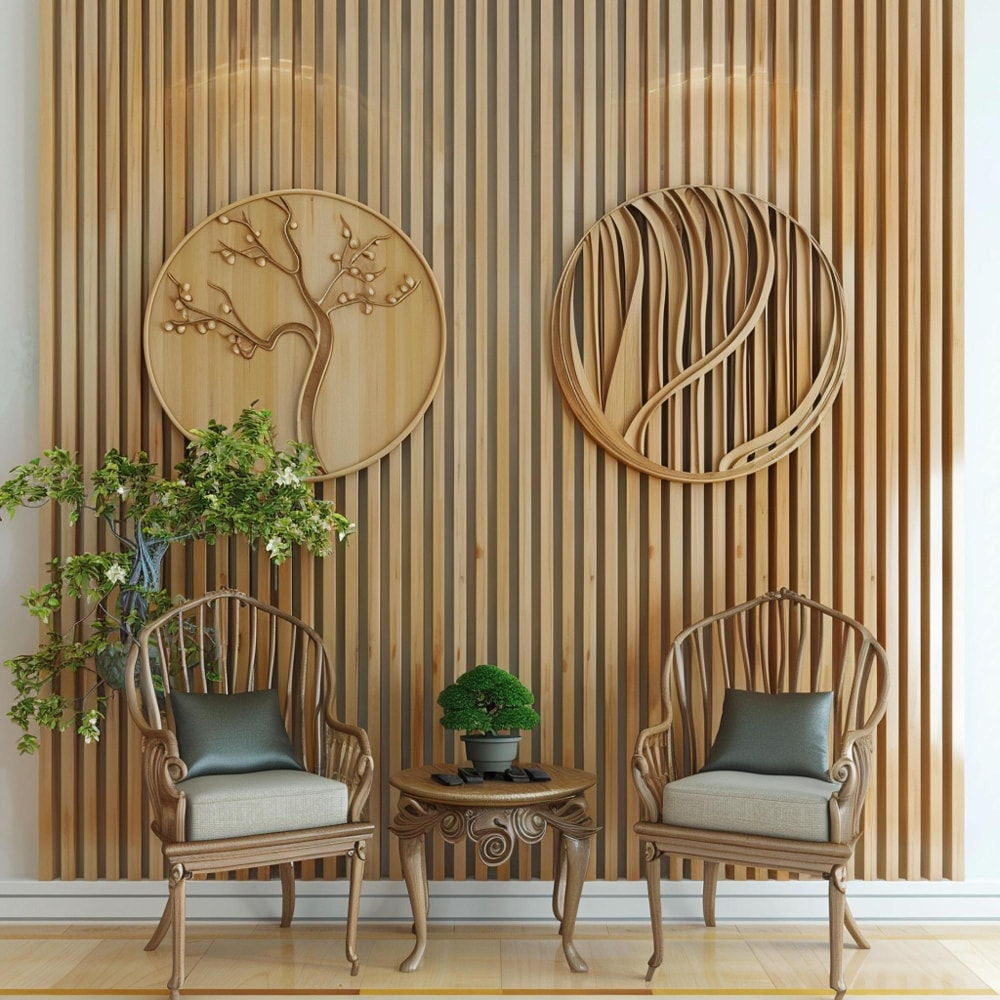
The arrangement of slats creates visual impact that goes beyond simple decoration. Traditional patterns often follow mathematical principles that create harmony and balance. The most common approach uses evenly spaced slats, creating a rhythmic pattern that’s pleasing to the eye. Some artists experiment with varying widths, alternating between thick and thin slats for dynamic effect. Others play with angles, creating diagonal arrangements that add movement to static surfaces. The spacing between slats affects how much light passes through, changing the mood of the room. Some designs allow full light transmission, while others create subtle shadows. The choice depends on intended function – whether it’s to provide privacy, soften harsh light, or simply add visual interest. Great designers know that every element must serve a purpose.
Maintenance and Longevity Considerations
Wooden wall art deserves care to maintain its beauty and structural integrity. Regular cleaning with appropriate products keeps surfaces looking fresh. Avoid harsh chemicals that might damage the wood grain or finish. Humidity control is crucial – wood expands and contracts with moisture changes. Keeping indoor humidity between 30-50% prevents warping and cracking. Periodic reapplication of protective finishes helps preserve the wood’s natural appearance. Some traditional methods involve applying beeswax or linseed oil to enhance grain visibility. Professional restoration may be needed after decades of service. The key is understanding that these pieces are living objects that respond to their environment. Proper maintenance extends their lifespan significantly, sometimes for generations. People who invest in quality wood art often discover it becomes more valuable over time.
Modern Applications and Contemporary Relevance
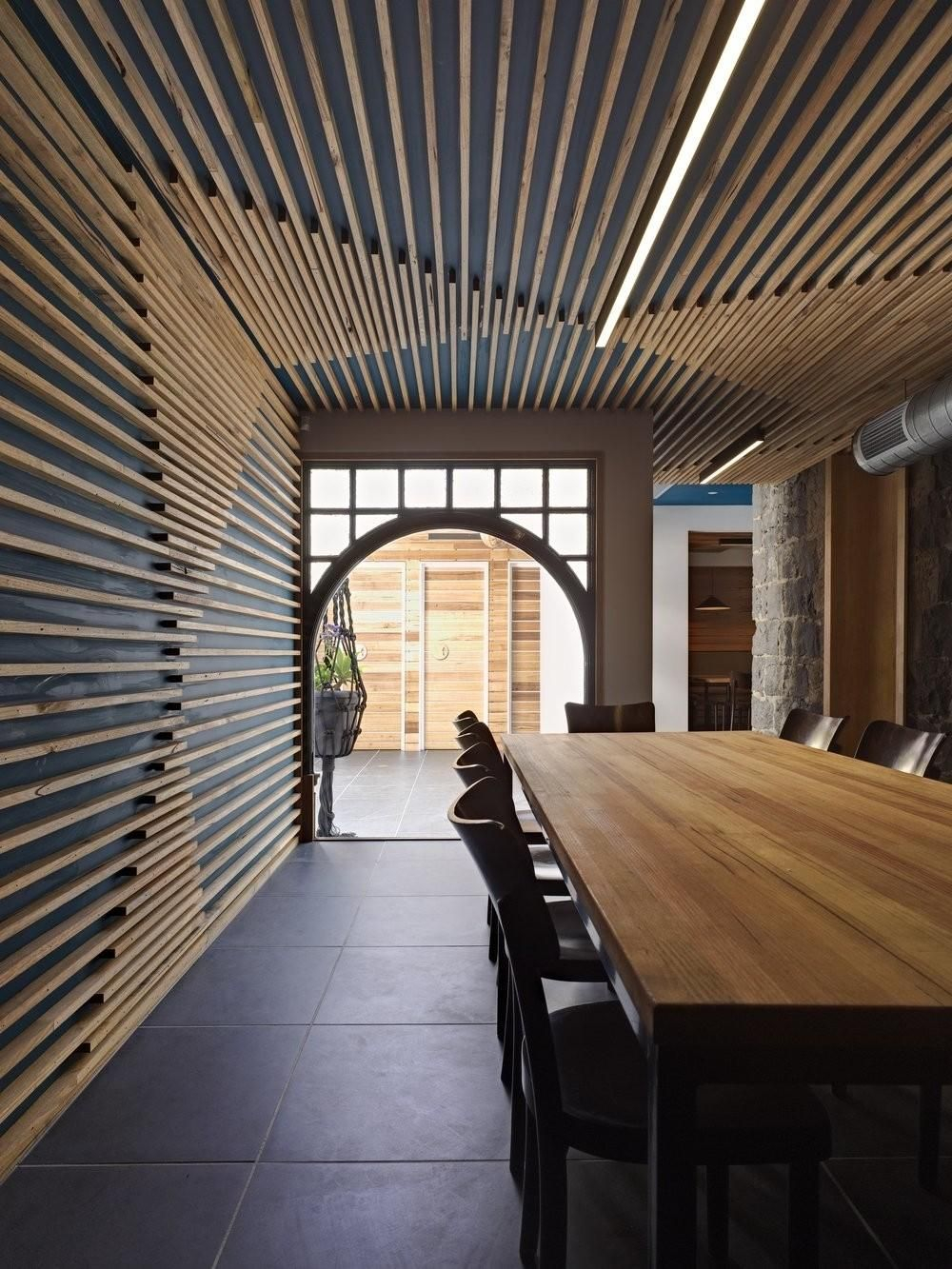
Today’s designers are rediscovering the timeless appeal of slatted wood walls. Modern interpretations often blend traditional techniques with current aesthetics. Architects incorporate them into office spaces, creating calming environments that reduce stress. Residential designers use them to define rooms or create focal points in living areas. The versatility of the medium allows for creative expression across various styles. Contemporary artists experiment with unusual woods, combining traditional methods with modern color schemes. Some create geometric patterns that challenge conventional expectations. Others stick closely to classic forms, honoring the original techniques. The technology available today makes it easier to achieve consistent results while maintaining the organic feel. This evolution shows how traditional craftsmanship continues to adapt and thrive in new contexts.
Slatted solid wood wall art represents more than just decoration – it embodies centuries of accumulated wisdom about working with natural materials. Every slat tells a story of careful selection, skilled craftsmanship, and attention to detail. Whether you’re considering creating one yourself or simply appreciating these beautiful works, understanding their traditional techniques adds depth to your experience. The methods used by master craftspeople weren’t just about creating something that looks good – they were about creating something that would last. That legacy continues today, inspiring new generations of artists and designers. When you look at a well-made slatted wood panel, you’re witnessing a connection between past and present, between traditional knowledge and modern application. These pieces remind us that sometimes the simplest approaches yield the most profound results.
[sps_html tag=”img” src=”https://cdn.theartssection.com/wp-content/uploads/2025/12/easy-diy-slat-wall-art-kristin-dion-design-in-understanding-the-craftsmanship-behind-slatted-wood-and-iron-wall-art.jpg” alt=”Easy Diy Slat Wall Art - Kristin Dion Design in Understanding the Craftsmanship Behind Slatted Wood and Iron Wall Art” style=”width: 100%; height: auto;”]
[sps_html tag=”img” src=”https://cdn.theartssection.com/wp-content/uploads/2025/12/how-to-build-a-slat-wall-artofit-inside-understanding-the-craftsmanship-behind-slatted-wood-and-iron-wall-art.jpg” alt=”How To Build A Slat Wall – Artofit inside Understanding the Craftsmanship Behind Slatted Wood and Iron Wall Art” style=”width: 100%; height: auto;”]
[sps_html tag=”img” src=”https://cdn.theartssection.com/wp-content/uploads/2025/12/10-diy-wood-slat-wall-ideas-for-a-cozy-and-contemporary-look-with-regard-to-deer-handed-painted-iron-wall-sculpture-on-slatted-solid-wood-wall-art.webp” alt=”10 Diy Wood Slat Wall Ideas For A Cozy And Contemporary Look with regard to "Deer" Handed Painted Iron Wall Sculpture On Slatted Solid Wood Wall Art” style=”width: 100%; height: auto;”]
[sps_html tag=”img” src=”https://cdn.theartssection.com/wp-content/uploads/2025/12/how-to-decorate-a-wood-slat-wall-at-angela-yamamoto-blog-inside-deer-handed-painted-iron-wall-sculpture-on-slatted-solid-wood-wall-art.jpg” alt=”How To Decorate A Wood Slat Wall At Angela Yamamoto Blog inside "Deer" Handed Painted Iron Wall Sculpture On Slatted Solid Wood Wall Art” style=”width: 100%; height: auto;”]
[sps_html tag=”img” src=”https://cdn.theartssection.com/wp-content/uploads/2025/12/50-creative-interior-wood-slat-wall-ideas-to-transform-your-space-the-throughout-understanding-the-craftsmanship-behind-slatted-wood-and-iron-wall-art.jpeg” alt=”50 Creative Interior Wood Slat Wall Ideas To Transform Your Space — The … throughout Understanding the Craftsmanship Behind Slatted Wood and Iron Wall Art” style=”width: 100%; height: auto;”]