In a world filled with mass-produced furniture and fleeting design trends, there’s something deeply satisfying about pieces that carry centuries of heritage. Traditional Chinese woodwork stands as a testament to patience, precision, and artistic vision that continues to influence modern interior design. These ancient techniques, passed down through generations of master craftsmen, offer more than just functional furniture – they bring stories, culture, and soul into our living spaces.
Imagine walking into a room where every piece of furniture seems to breathe with history. The subtle grain patterns in the wood tell tales of ancient workshops, while the precise joints speak of craftsmanship that predates modern machinery. Traditional Chinese woodwork isn’t just about making things that last – it’s about creating objects that connect us to our past while serving our present needs. This art form combines mathematical precision with artistic beauty, resulting in pieces that feel both timeless and fresh. Whether you’re designing a new home or simply looking to add character to your existing space, understanding these techniques can transform how you see and appreciate wooden furniture.
The Foundation of Chinese Woodworking Philosophy
Chinese woodwork isn’t merely about building furniture – it’s rooted in a philosophical approach that emphasizes harmony between nature and humanity. The ancient Chinese believed that wood possessed its own energy and spirit, which needed to be respected rather than dominated. This mindset influenced everything from the choice of timber species to the joining methods used. They developed sophisticated systems that allowed wood to move naturally with humidity changes while maintaining structural integrity. Think about how many modern pieces of furniture warp or crack after just a few years – traditional Chinese methods prevent such issues through careful attention to grain direction, seasonal drying, and joint design. The philosophy behind this craft teaches us that good design should work with nature rather than against it.
Master Techniques That Define the Craft
The secret to traditional Chinese woodwork lies in its remarkable array of joinery techniques. Unlike modern construction that relies heavily on nails or screws, Chinese craftsmen developed hundreds of different joints that fit together perfectly without any fasteners. These include mortise-and-tenon joints, dovetail joints, and sliding dovetails that create strength and flexibility simultaneously. The precision required for these techniques means that a single mistake could ruin an entire piece. A skilled craftsman might spend weeks just perfecting one joint. But the results are extraordinary – furniture that can last for centuries and still look as good as the day it was made. Consider the difference between a table that holds together with glue versus one that fits perfectly with interlocking pieces. The latter feels solid, stable, and built to endure.
Key Materials and Their Significance
Choosing the right wood is crucial in traditional Chinese woodworking, and it’s not just about appearance. Different types of timber offer varying properties that affect both durability and aesthetic appeal. The most prized woods include rosewood, which is dense and beautiful with rich colors; teak, known for its resistance to moisture and insects; and various hardwoods like oak and maple that provide strength and stability. Each wood type has its own characteristics – some are more prone to cracking, others to warping, and each requires specific handling techniques. The craftsmen learned to select wood based on its grain pattern, density, and natural properties. For instance, a piece designed for outdoor use might require different considerations than indoor furniture. The selection process itself is an art, requiring deep knowledge of how wood behaves under different conditions over time.
Design Elements That Speak to Modern Lives
While traditional Chinese woodwork may seem distant from today’s minimalist aesthetic, it actually offers many design elements that translate beautifully into contemporary spaces. Clean lines, balanced proportions, and thoughtful functionality are principles that apply equally well to ancient and modern contexts. The concept of ‘negative space’ – where empty areas are given equal importance to filled areas – creates visual breathing room that makes modern rooms feel less cluttered. Many designers now incorporate Chinese-inspired elements like curved edges, natural wood finishes, and modular components that can adapt to changing needs. These features aren’t just decorative; they reflect practical concerns about how we live today. How often do you find yourself needing to rearrange furniture or adjust layouts? Traditional Chinese designs often anticipate these needs through flexible construction and adaptable forms.
Cultural Symbolism in Every Piece
Beyond their physical beauty, traditional Chinese wooden pieces often carry deep cultural meanings. Dragons, phoenixes, lotus flowers, and other symbolic motifs appear not just as decoration but as expressions of values and aspirations. A chair carved with dragon motifs might represent power and protection, while a cabinet adorned with bamboo could symbolize resilience and flexibility. These symbols aren’t arbitrary – they’re rooted in centuries of cultural interpretation and meaning-making. In today’s context, this symbolism adds layers of personal significance to furniture choices. When you choose a piece with particular motifs, you’re not just buying furniture – you’re selecting a conversation starter, a family heirloom, or a statement about your values. The cultural richness embedded in these works makes them far more than simple objects; they become repositories of identity and memory.
Practical Applications in Contemporary Homes
Bringing traditional Chinese woodwork into modern homes doesn’t mean sacrificing comfort or convenience. Many contemporary designers have successfully integrated these principles into everyday living spaces. Consider how a traditional Chinese sideboard can serve as both storage and display, or how a wooden screen can define spaces without blocking light. The modular nature of many traditional pieces allows for creative adaptations to small apartments or open-plan living areas. Some homeowners have even learned basic traditional techniques themselves, creating custom pieces that combine old wisdom with new needs. What’s particularly appealing is that these pieces age gracefully – they don’t go out of style, but instead develop character over time. The wood darkens and gains luster, the joints settle and strengthen, and the overall presence becomes more refined with each passing year.
Traditional Chinese woodwork represents more than just historical technique – it’s a bridge between cultures, eras, and ways of thinking about design. These ancient practices teach us that true craftsmanship isn’t about speed or quantity, but about quality, intentionality, and respect for materials. As we navigate increasingly fast-paced lives, there’s something deeply grounding about choosing furniture that’s built to last, designed with thoughtfulness, and infused with cultural meaning. Whether you’re incorporating one carefully chosen piece into your space or exploring the full potential of traditional techniques, these approaches offer a path toward more meaningful, enduring, and beautiful living environments. The artistry of traditional Chinese woodworking reminds us that the best designs are those that stand the test of time – not just physically, but in terms of their emotional and cultural resonance.
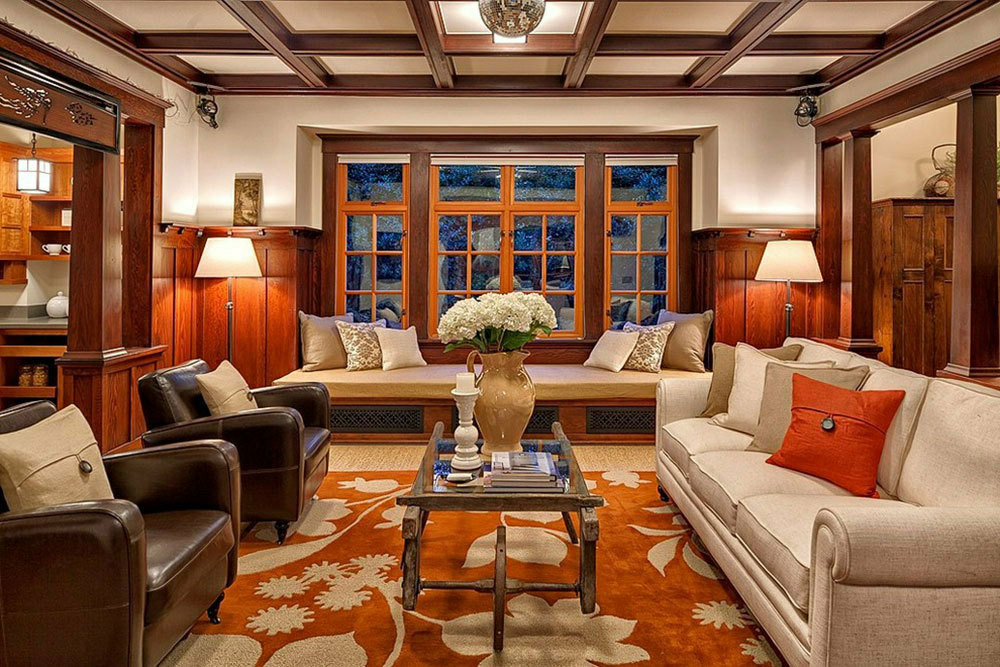
[sps_html tag=”img” src=”https://cdn.theartssection.com/wp-content/uploads/2025/12/pinterest-interior-design-trends-for-2025-artisan-craftsmanship-warm-in-artisan-craftsmanship-in-modern-home-interior-design.jpg” alt=”Pinterest Interior Design Trends For 2025: Artisan Craftsmanship, Warm … in Artisan Craftsmanship in Modern Home Interior Design” style=”width: 100%; height: auto;”]
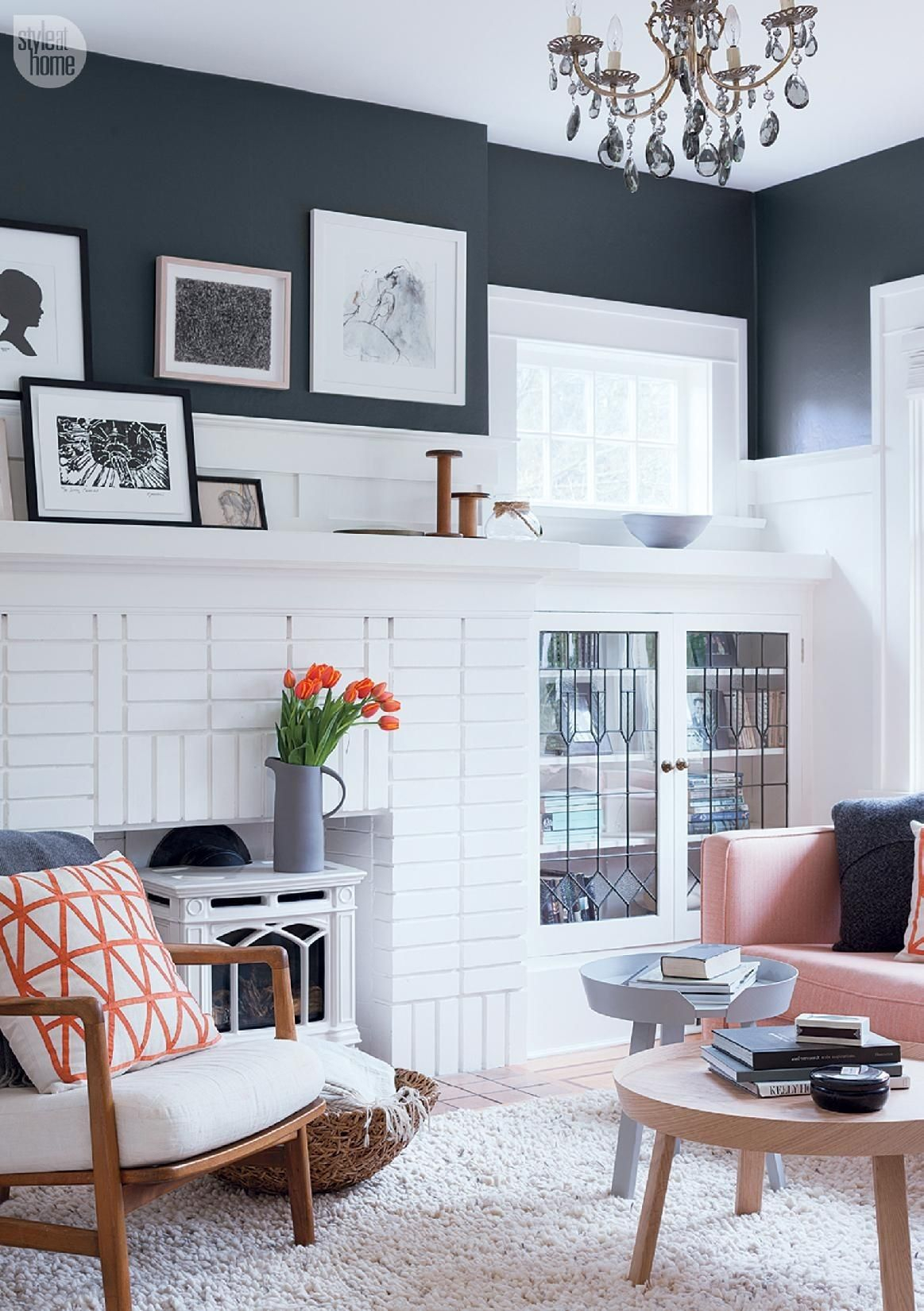
[sps_html tag=”img” src=”https://cdn.theartssection.com/wp-content/uploads/2025/12/house-home-this-arts-crafts-home-has-a-modern-take-on-traditional-with-regard-to-artisan-craftsmanship-in-modern-home-interior-design.jpg” alt=”House & Home - This Arts & Crafts Home Has A Modern Take On Traditional … with regard to Artisan Craftsmanship in Modern Home Interior Design” style=”width: 100%; height: auto;”]
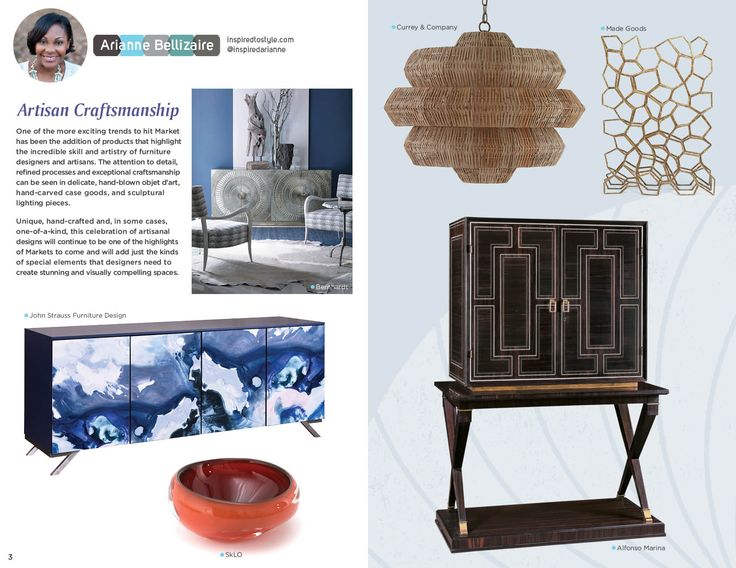
[sps_html tag=”img” src=”https://cdn.theartssection.com/wp-content/uploads/2025/12/artisan-craftsmanship-furniture-design-design-decor-in-pair-chinese-vintage-restored-wood-geometric-brown-wall-hanging-art-hws3753.jpg” alt=”Artisan Craftsmanship | Furniture Design, Design, Decor in Pair Chinese Vintage Restored Wood Geometric Brown Wall Hanging Art Hws3753″ style=”width: 100%; height: auto;”]
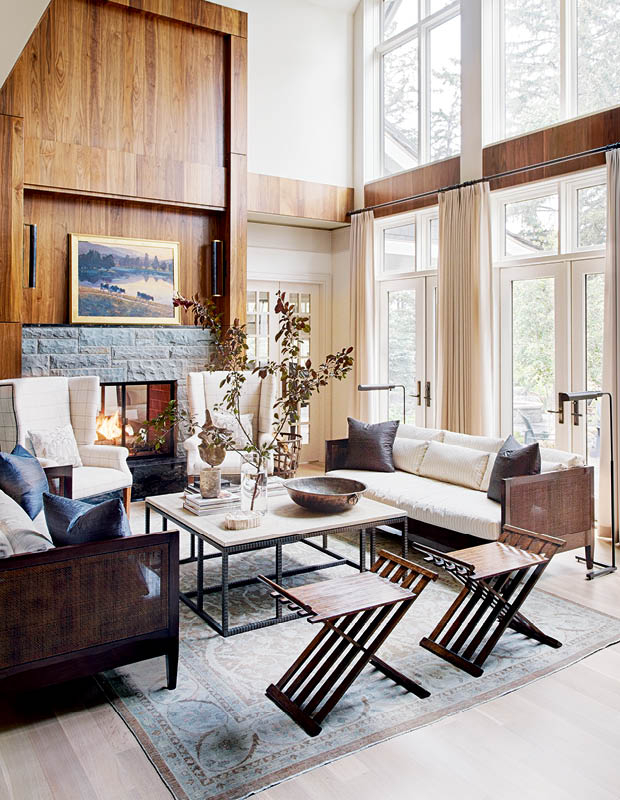
[sps_html tag=”img” src=”https://cdn.theartssection.com/wp-content/uploads/2025/12/all-about-modern-craftsman-interior-design-and-why-you-will-like-it-inside-artisan-craftsmanship-in-modern-home-interior-design.jpeg” alt=”All About Modern Craftsman Interior Design And Why You Will Like It inside Artisan Craftsmanship in Modern Home Interior Design” style=”width: 100%; height: auto;”]
[sps_html tag=”img” src=”https://cdn.theartssection.com/wp-content/uploads/2025/12/craftsman-home-interior-craftsman-interior-living-room-decor-1912-color-with-artisan-craftsmanship-in-modern-home-interior-design.jpg” alt=”Craftsman Home Interior Craftsman Interior Living Room Decor 1912 Color … with Artisan Craftsmanship in Modern Home Interior Design” style=”width: 100%; height: auto;”]