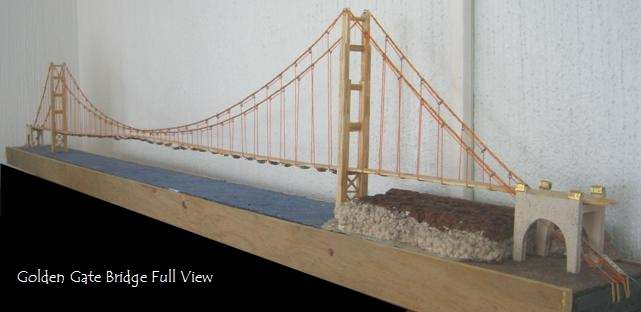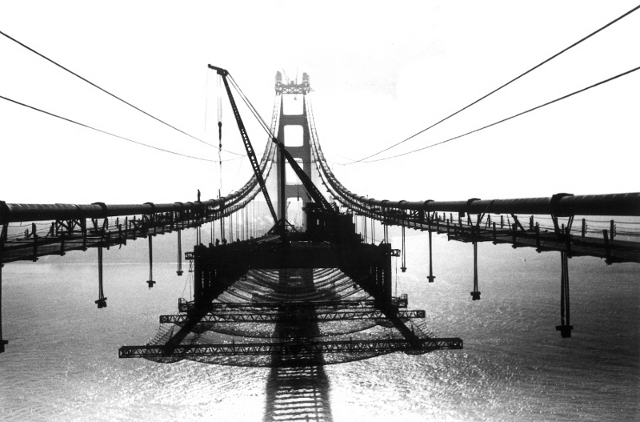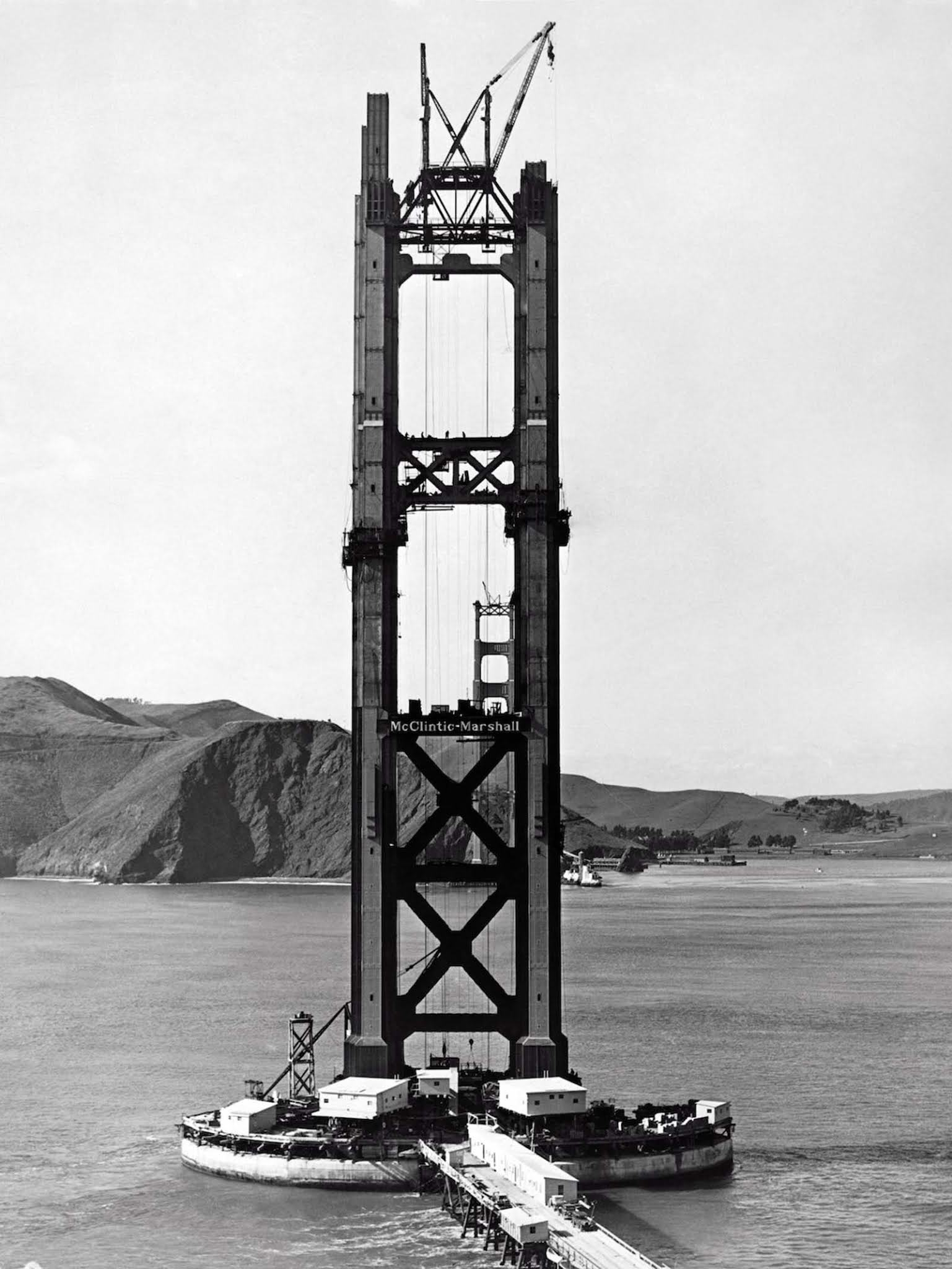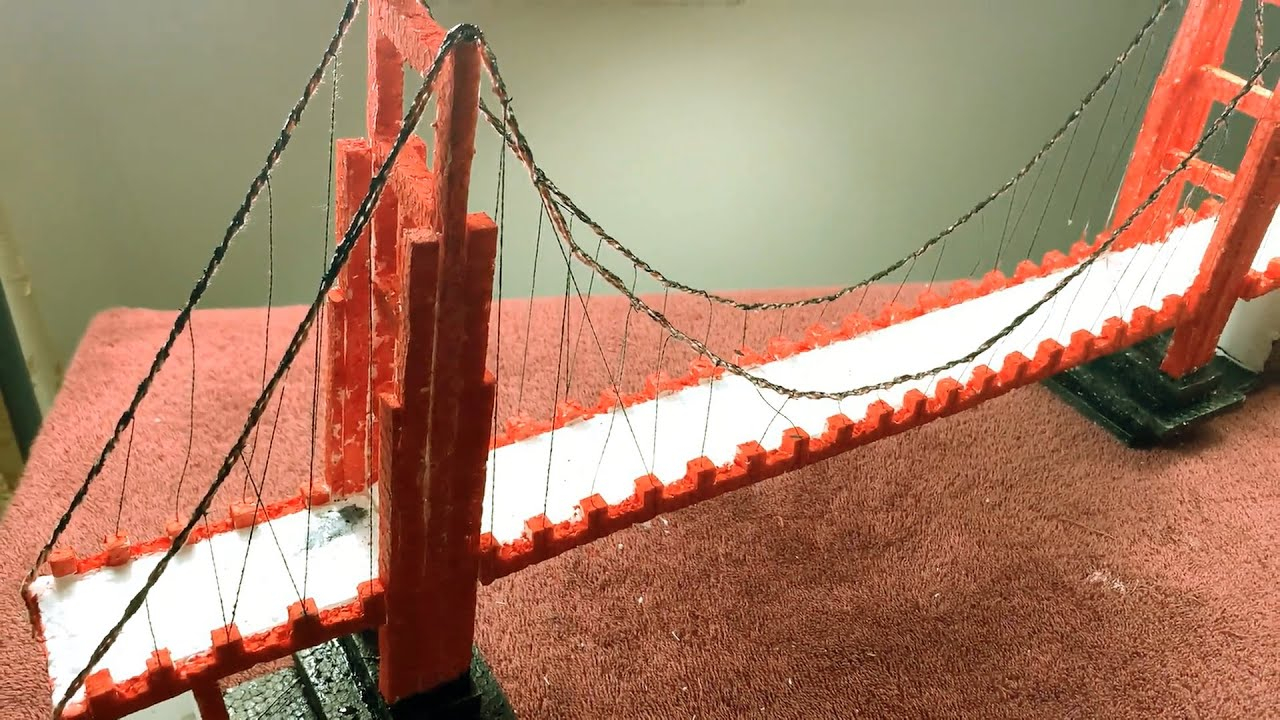
The Golden Gate Bridge stands as one of America’s most recognizable landmarks, its distinctive orange hue and elegant arch capturing hearts worldwide. But what if you could bring that same sense of wonder directly onto your wall? Creating authentic Golden Gate Bridge wall art with hand-painted iron details isn’t just about replicating a famous structure. It’s about translating the bridge’s spirit, strength, and beauty into something that lives on your wall every day.
There’s something magical about watching someone transform raw materials into a work of art that speaks to our collective memory. The Golden Gate Bridge wall art with iron details represents that exact magic. It’s not merely decorative—it becomes a conversation starter, a focal point, and a tribute to engineering brilliance. Whether you’re a seasoned artisan or someone looking to try their hand at creating something meaningful, crafting authentic iron bridge art offers a unique blend of historical reverence and creative expression. This isn’t just about copying a photo; it’s about understanding the bridge’s soul and translating it into metal and paint.
Understanding the Golden Gate Bridge’s Design Elements
Before you even pick up a brush or hammer, you must first understand what makes the Golden Gate Bridge so visually striking. The bridge’s design is a masterclass in structural aesthetics. Its signature International Orange color wasn’t chosen for decoration alone—it was selected for visibility during San Francisco’s notorious fog. The bridge’s towers rise majestically from the water, connected by suspension cables that create a rhythmic pattern across the span. The deck itself follows a graceful curve that complements the natural landscape.
When crafting wall art, focus on these key elements:
• The sweeping curves of the main deck
• The distinctive tower shapes with their characteristic tapering
• The cable patterns that define the suspension system
• The way light catches the bridge’s surface
• The relationship between the bridge and the surrounding bay
Each of these components tells a story. The towers aren’t just vertical elements—they’re architectural statements that convey strength and elegance simultaneously. The cables create visual movement, drawing the eye across the composition. Understanding these design principles helps ensure your iron artwork resonates with the original’s power and grace.
Choosing the Right Iron Materials and Tools
The foundation of any quality iron artwork lies in selecting appropriate materials and preparing them properly. For Golden Gate Bridge wall art, you’ll want to start with high-quality mild steel or wrought iron. These metals offer the right balance of workability and durability for wall-mounted pieces. The thickness matters too—typically 1/8 inch to 1/4 inch works well for most projects.
Essential tools include:
• Metal shears or angle grinder for cutting
• Welding equipment (MIG or TIG) for joining pieces
• Sandpaper and grinding wheel for finishing
• Basic hand tools like hammers, chisels, and punches
• A sturdy workbench with proper lighting
Remember that iron will age gracefully over time, developing a patina that enhances rather than detracts from its beauty. This natural weathering process adds character to your piece, making each one truly unique. Don’t rush the material selection process—investing in good quality iron pays dividends in both craftsmanship and longevity.
Designing Your Iron Framework
The framework forms the skeleton of your wall art. Start with scaled drawings or digital models of the Golden Gate Bridge. Focus on proportions rather than exact measurements, since you’ll be working with artistic interpretation rather than precise replication. The bridge’s main arch should be the centerpiece, with towers rising symmetrically from either side.
Key framework considerations:
• Create a base that allows for proper mounting
• Plan for weight distribution across the entire piece
• Consider how the iron elements will connect seamlessly
• Think about the negative space that will enhance the overall composition
• Ensure structural integrity while maintaining aesthetic appeal
Many artists find success starting with simple geometric shapes and gradually building complexity. Begin with basic rectangles for the towers, then add curved sections for the deck. Use reference photos extensively, but don’t get trapped in trying to copy every detail. The essence of the bridge matters more than perfect replication.
Mastering the Hand-Painting Process
Painting iron details requires patience and understanding of how colors interact with metal surfaces. The iconic International Orange used on the actual bridge is a carefully mixed hue that combines red oxide with yellow ochre and other pigments. You’ll want to research this specific shade or create your own variation that captures the bridge’s warmth.
Painting techniques for authentic results:
• Apply thin, even coats rather than thick applications
• Allow each layer to dry completely before adding the next
• Use a fine brush for detailed areas like cables and small elements
• Consider using a primer specifically designed for metal surfaces
• Test colors on scrap iron before committing to your final piece
The texture of the iron itself affects how paint behaves. Rougher surfaces hold paint differently than smooth ones. Some artists prefer to leave certain areas with a more natural iron finish to contrast with painted elements, creating depth and dimension. The interplay between painted and unpainted sections often creates the most interesting visual effects.
Adding Realistic Details and Textures
This is where your iron art transforms from a simple structure into a compelling representation of the Golden Gate Bridge. Pay attention to how cables appear when they’re not perfectly straight. They have subtle bends and movements that give them life. The deck surface isn’t flat—it has slight variations in height and texture that reflect the actual bridge construction.
Important detail elements:
• Cable shadows and reflections that suggest depth
• Weathered areas that imply aging and exposure
• Small hardware details like bolts and connection points
• Surface imperfections that make the piece feel lived-in
• Lighting effects that show how the bridge might appear in different conditions
Some artists use techniques like dry brushing to create highlights, while others prefer to build up layers of paint to achieve the desired depth. The key is consistency—each element should feel like it belongs in the same world as the actual bridge. Don’t forget to study how light plays across the real structure, because that’s often what makes the difference between a good replica and a great one.
Finishing Touches and Mounting Considerations
Once your iron and paint work is complete, the finishing touches determine whether your wall art succeeds as a standalone piece or becomes a conversation piece. Proper finishing involves protecting your investment and ensuring safety for wall mounting.
Critical finishing steps:
• Apply a clear protective coating to preserve paint and prevent rust
• Check all joints and connections for stability
• Ensure weight distribution won’t damage your wall
• Consider using brackets or additional support for larger pieces
• Test the mounting hardware with a similar weight sample
Mounting considerations vary based on size and weight. A smaller piece might only need two screws, while larger installations may require more substantial support. Many artists choose to mount their pieces slightly off-center to create visual interest, allowing some negative space that draws the eye around the composition. Professional installation services are available for large-scale pieces, though many enthusiasts enjoy the satisfaction of mounting their own work.
Creating authentic Golden Gate Bridge wall art with hand-painted iron details is more than a craft—it’s a way of connecting with history, engineering, and artistic expression. Each piece you create becomes a bridge between past and present, between the viewer and the landmark itself. Whether you’re working on a small accent piece or a full-scale wall installation, the journey of bringing that familiar orange silhouette to life through metal and paint offers deep satisfaction.
The beauty of this art form lies in its accessibility. You don’t need expensive equipment or years of experience to begin. Start with simple shapes and gradually build your skills. Remember that authenticity comes not from perfect replication but from capturing the essence of what makes the Golden Gate Bridge special. The bridge’s enduring appeal isn’t just in its appearance—it’s in the stories it tells, the engineering marvel it represents, and the feelings it evokes. When you craft your own version of this iconic structure, you’re not just making art; you’re preserving a piece of American heritage for future generations to appreciate. The iron will weather, the paint may fade, but the spirit of the bridge will live on through every careful stroke and thoughtful detail you add.
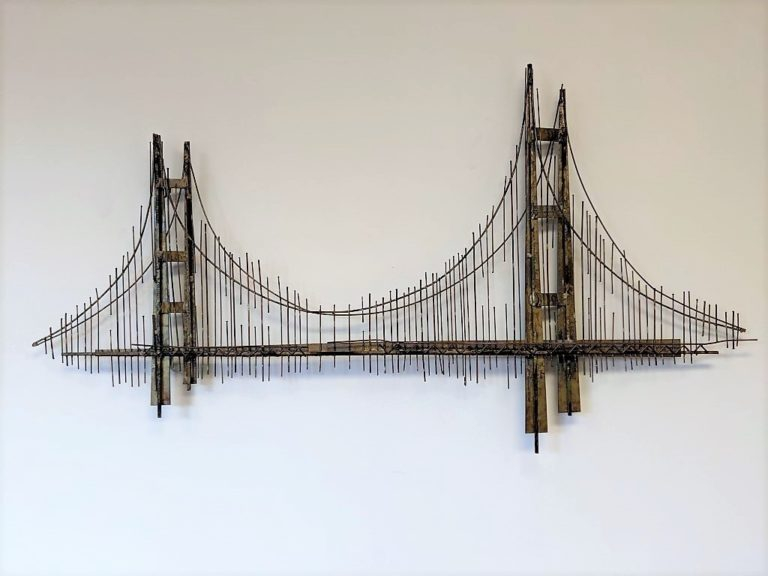
[sps_html tag=”img” src=”https://cdn.theartssection.com/wp-content/uploads/2025/12/curtis-jere-golden-gate-bridge-metal-wall-sculpture-epoch-intended-for-how-handmade-iron-sculptures-bring-golden-gate-bridge-history-to-life-on-wooden-walls.jpg” alt=”Curtis Jere Golden Gate Bridge Metal Wall Sculpture - Epoch intended for How Handmade Iron Sculptures Bring Golden Gate Bridge History to Life on Wooden Walls” style=”width: 100%; height: auto;”]
[sps_html tag=”img” src=”https://cdn.theartssection.com/wp-content/uploads/2025/12/how-to-make-a-golden-gate-bridge-at-william-woodard-blog-intended-for-how-handmade-iron-sculptures-bring-golden-gate-bridge-history-to-life-on-wooden-walls.jpg” alt=”How To Make A Golden Gate Bridge At William Woodard Blog intended for How Handmade Iron Sculptures Bring Golden Gate Bridge History to Life on Wooden Walls” style=”width: 100%; height: auto;”]
[sps_html tag=”img” src=”https://cdn.theartssection.com/wp-content/uploads/2025/12/how-to-make-miniature-golden-gate-bridge-how-to-build-amazing-bridge-regarding-how-handmade-iron-sculptures-bring-golden-gate-bridge-history-to-life-on-wooden-walls.jpg” alt=”How To Make Miniature Golden Gate Bridge | How To Build Amazing Bridge … regarding How Handmade Iron Sculptures Bring Golden Gate Bridge History to Life on Wooden Walls” style=”width: 100%; height: auto;”]
[sps_html tag=”img” src=”https://cdn.theartssection.com/wp-content/uploads/2025/12/life-on-the-gate-working-on-the-golden-gate-bridge-1933-37-kqed-intended-for-how-handmade-iron-sculptures-bring-golden-gate-bridge-history-to-life-on-wooden-walls.jpg” alt=”Life On The Gate: Working On The Golden Gate Bridge 1933-37 | Kqed intended for How Handmade Iron Sculptures Bring Golden Gate Bridge History to Life on Wooden Walls” style=”width: 100%; height: auto;”]
[sps_html tag=”img” src=”https://cdn.theartssection.com/wp-content/uploads/2025/12/golden-gate-bridge-miniature-model-in-golden-gate-bridge-handed-painted-iron-wall-sculpture-on-wooden-wall-art.jpg” alt=”Golden Gate Bridge Miniature Model in "Golden Gate Bridge" Handed Painted Iron Wall Sculpture On Wooden Wall Art” style=”width: 100%; height: auto;”]