Have you ever looked at a painting of an old city street and felt like you could actually hear the distant footsteps echoing on the stones. Some artists just possess a rare gift for translating simple textures into deep emotional experiences.
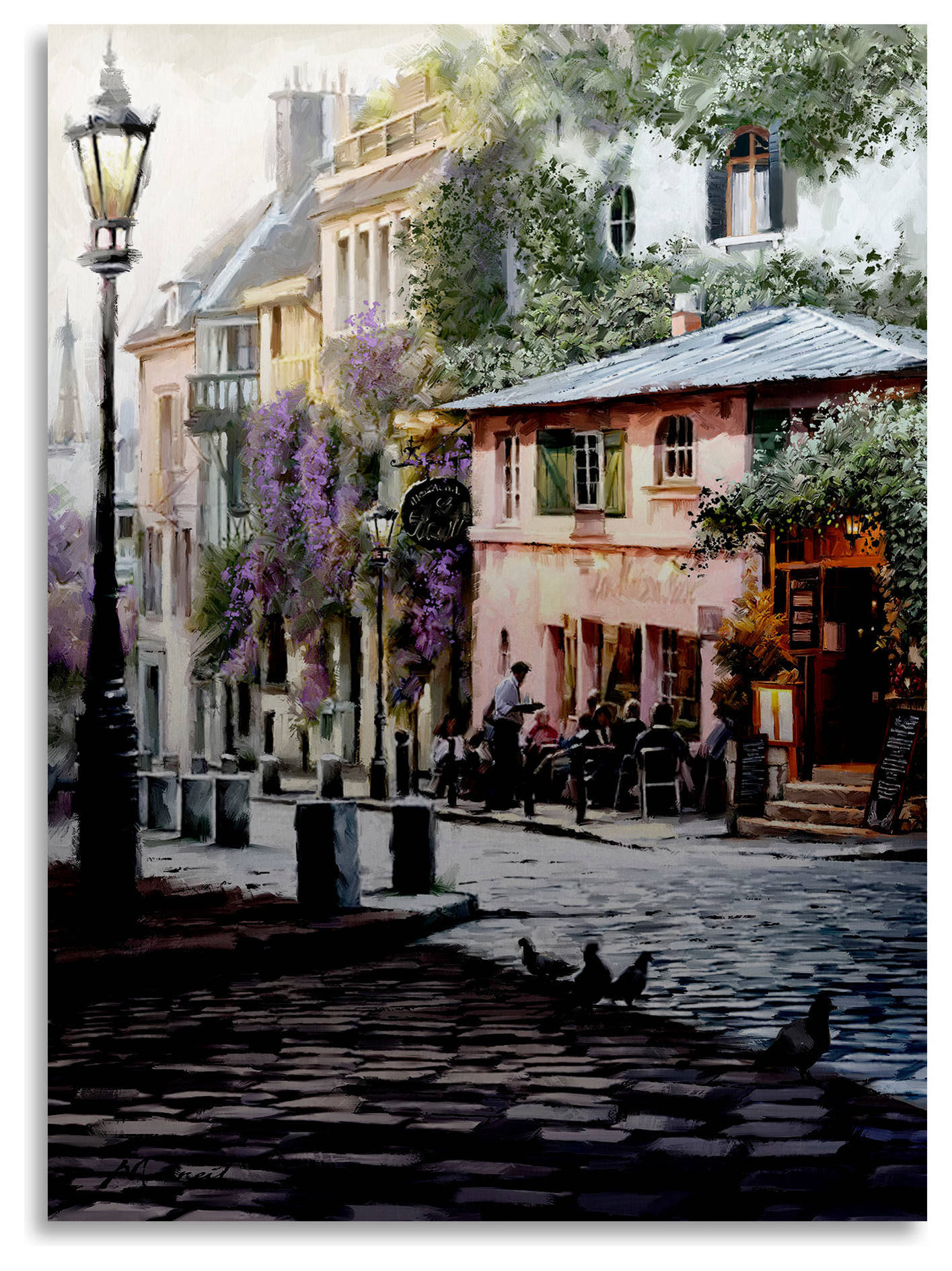
When people talk about atmospheric cityscapes, one name always stands out in 2026. Richard Macneil has spent decades mastering the art of warmth, texture, and urban nostalgia. His famous depictions of cobbled pathways transport viewers straight into cozy European alleyways.
The Journey of a Self-Taught Creator
Born in Worcester, England, Richard Macneil started his creative path early. He worked at Worcester Royal Porcelain before branching out into sculpture and ceramics internationally. His time in the United States even led to his work being displayed in the White House.
These diverse roots in physical sculpting shaped his unique approach to visual art. Instead of flat planes, he builds depth using heavy textures and rich layers. This background allows him to envision scenes in three dimensions before putting brush to canvas.
Capturing the Essence of Old Stone
Recreating ancient stone pathways is no small feat. Artists must balance rigid geometric patterns with organic, weathered imperfections. Macneil achieves this by using bold brushstrokes and earthy palettes.
Every single stone feels weathered by time and human footsteps. The subtle play of light bouncing off wet pavement adds an extra layer of realism. Viewers can almost feel the chill in the air and the dampness of the historic ground.
Playing with Light and Shadow
Lighting defines the emotional core of any successful street scene. Macneil often places glowing streetlamps against deep twilight skies. This contrast draws the human eye right down the winding alleyway.
Warm windows spill golden light onto cold stone surfaces. Such contrasting elements create a cozy atmosphere amid urban isolation. It makes you want to step right into the frame and find a warm cafe.
Sculptural Sensibilities on Flat Surfaces
Even when working on two-dimensional prints or paintings, Macneil’s sculptural background shines through. He carves out spaces with thick paint applications and deliberate shadows. Buildings feel heavy, solid, and enduring against the passing years.
This tactile quality bridges the gap between painting and relief sculpture. It tricks the brain into perceiving physical depth where there is only flat media. Fans often reach out to touch the canvas, expecting actual raised texture.
Global Appeal and Timeless Nostalgia
Art needs to connect with real human emotions to endure. Macneil’s street scenes resonate with people from Tokyo to New York. Everyone recognizes the universal comfort of a quiet, historic neighborhood lane.
By stripping away modern clutter, he focuses purely on timeless architectural beauty. People in 2026 still crave this sense of simplicity and connection. His work offers a peaceful escape from our fast-paced digital reality.
Studying Macneil’s portfolio offers valuable lessons for modern creators. Focus on texture rather than getting bogged down in microscopic details. Let lighting guide the viewer’s journey across your composition.
Embrace imperfections because they add character to your creative projects. True charm lives in the worn edges and irregular shapes of the physical world. Keep your storytelling grounded in universal feelings of warmth and belonging.
Richard Macneil has redefined how we experience urban charm through visual art. His journey from sculpting ceramics to capturing glowing cobblestone alleyways proves that true creativity knows no bounds. By blending rich textures with masterful lighting, he invites us all to slow down and enjoy the view.
Ultimately, these timeless street scenes remind us of the beauty hidden in everyday architecture. Whether you are an avid collector or a casual admirer, his work leaves a lasting mark on the heart. We continue to look at his cityscapes and find a quiet place to call home.