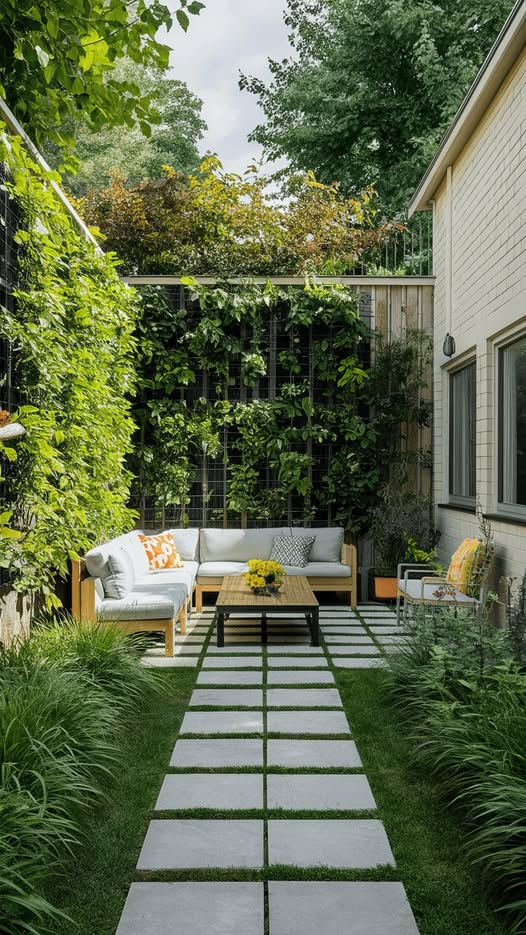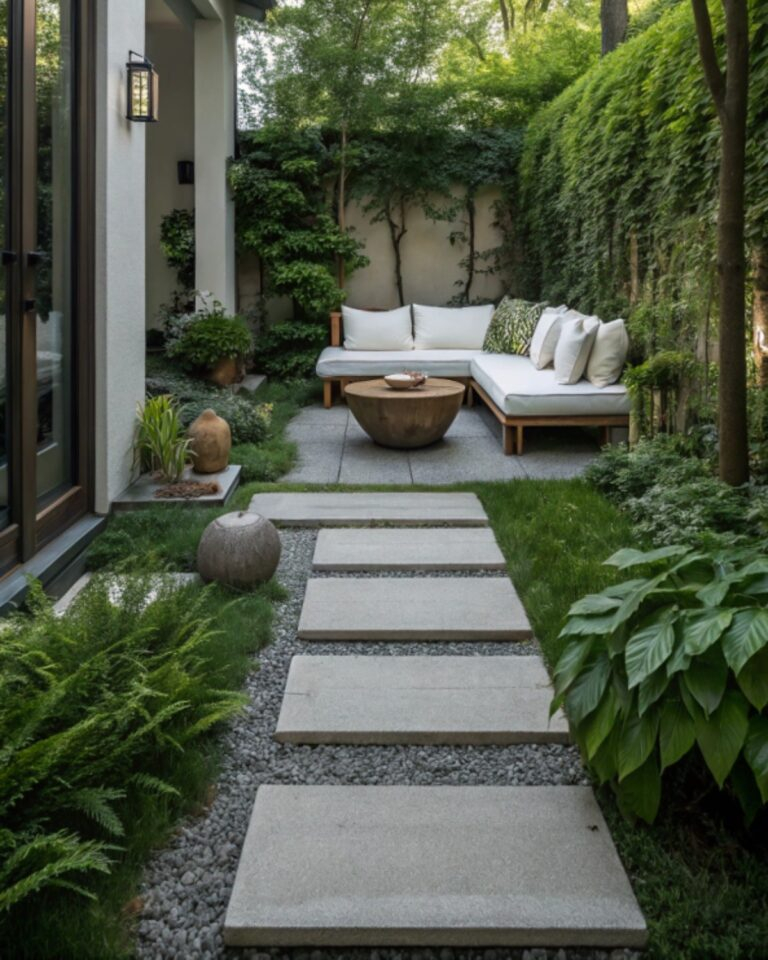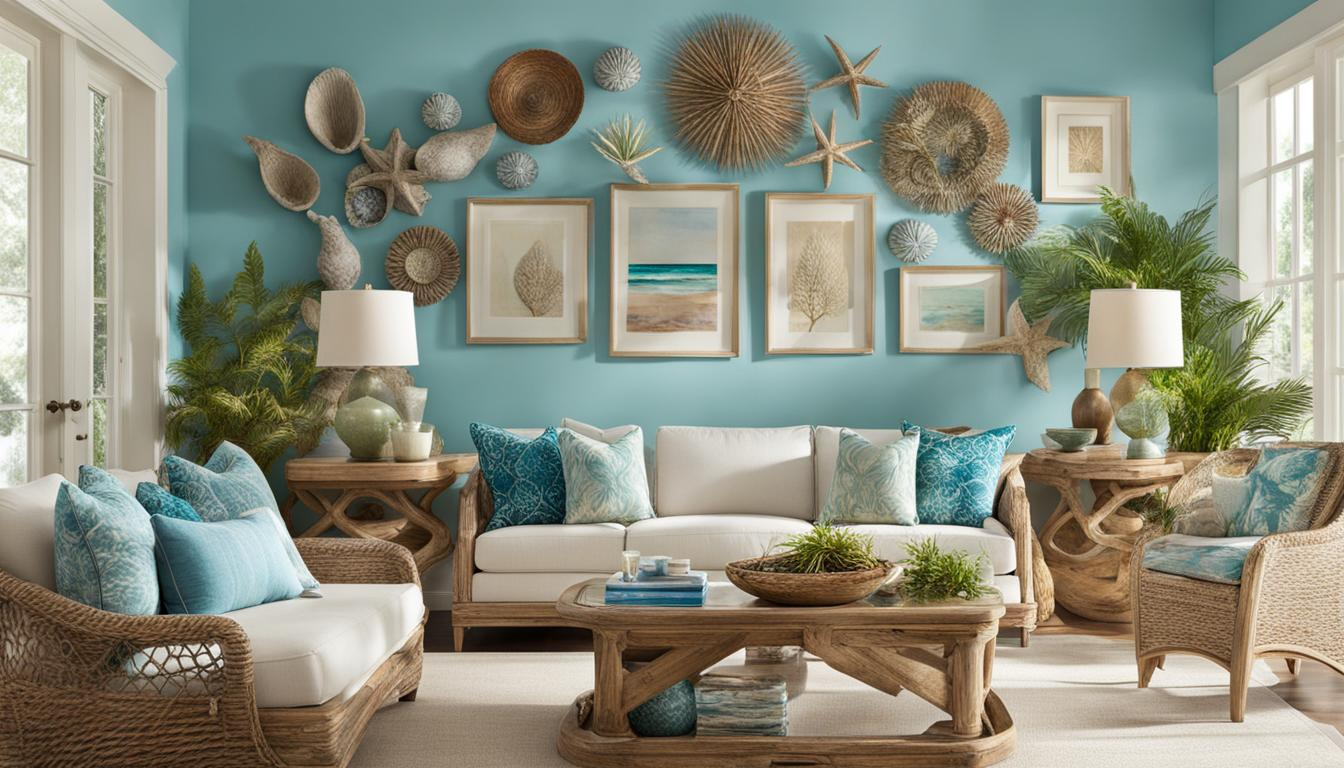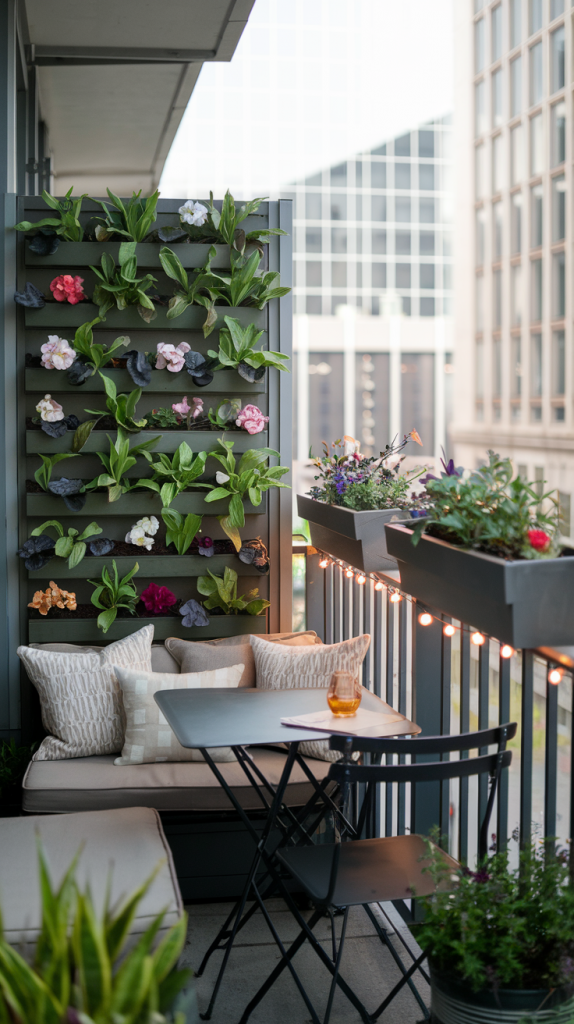
Have you ever walked into a room and felt an instant weight lift off your shoulders, almost like the walls were breathing right along with you. We spend so much of our modern lives staring at flat screens and drywall, trapped inside boxes of our own making. Yet, something magical happens when a touch of the great outdoors finds its way into our living areas. It is not just about making a place look pretty. It goes much deeper than surface aesthetics, reaching straight into how we feel day in and day out.
Think about the last time you stood at the edge of a quiet forest or stared out at a sprawling mountain range. Your breathing slowed down. Your thoughts stopped racing. Environmental psychology tells us that our brains are hardwired to respond positively to natural scenes. In recent years, designers and researchers have really started paying attention to this connection. Bringing natural vistas indoors is no longer just a luxury trend for high-end cabins. It is becoming an essential way to nurture our mental health right inside our own four walls.
Why Our Brains Crave Green Spaces
Long ago, humans relied heavily on reading the landscape for survival, looking for water, shelter, and safety. Because of this ancient history, our nervous systems still react instantly to natural cues. When we hang a large photo of a misty valley or paint a mural of a sunlit meadow in a bedroom, something evolutionary clicks. Our heart rate settles down.
This deep-rooted connection is often called biophilia, and it acts as a quiet bridge between our biology and our built surroundings. When we surround ourselves with reminders of the outdoors, our minds perceive safety and abundance. It lowers cortisol levels, which is just a fancy science word for stress hormone. You do not need to move to the countryside to feel this shift. A well-placed nature view can trick the brain into a state of calm relaxation.
The Healing Power of Scenic Wall Art
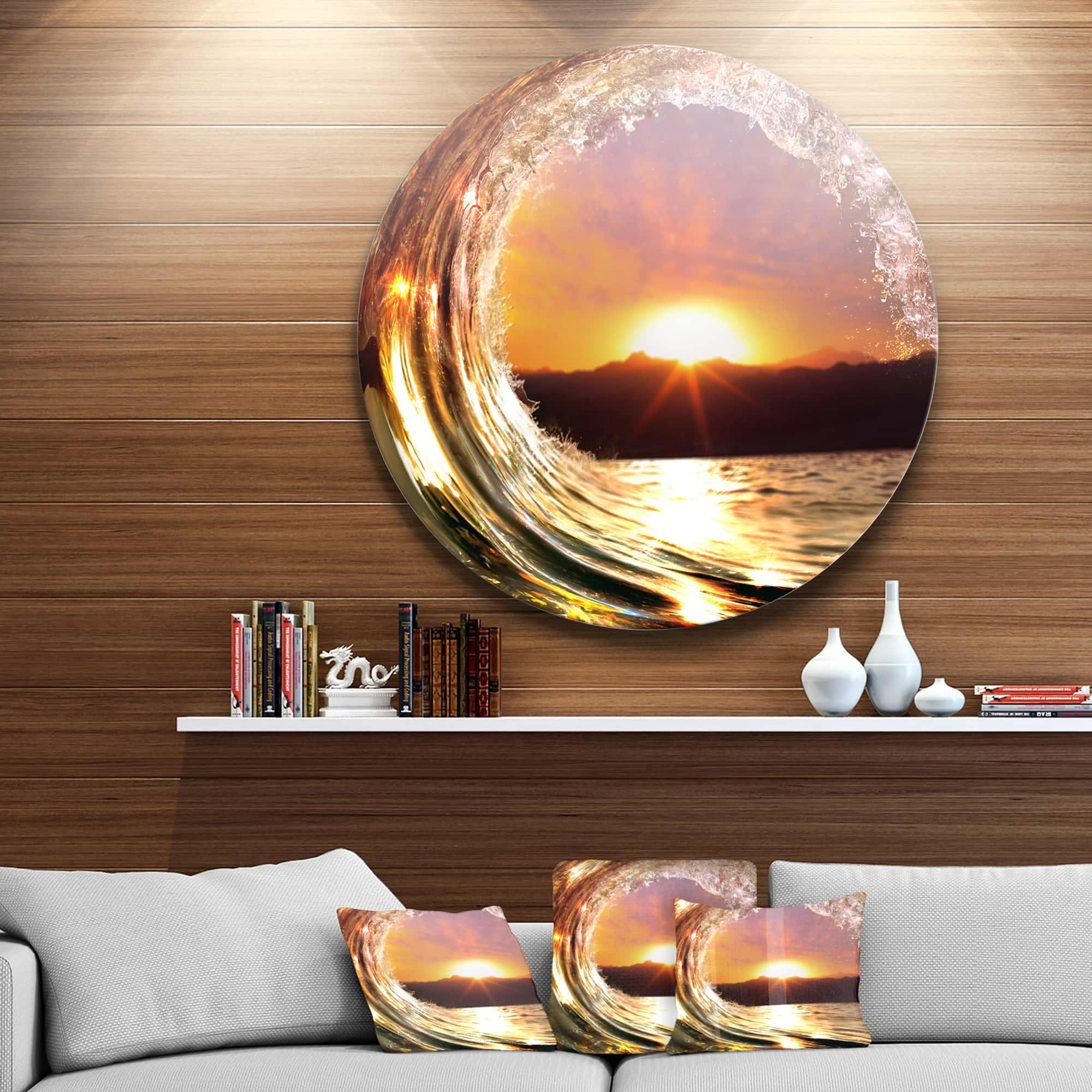
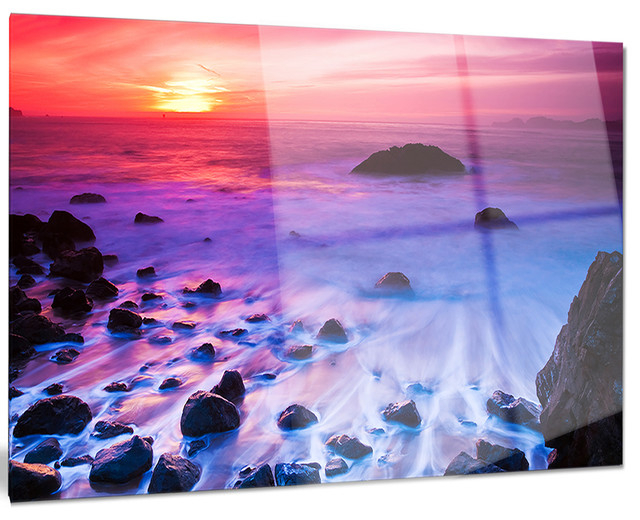
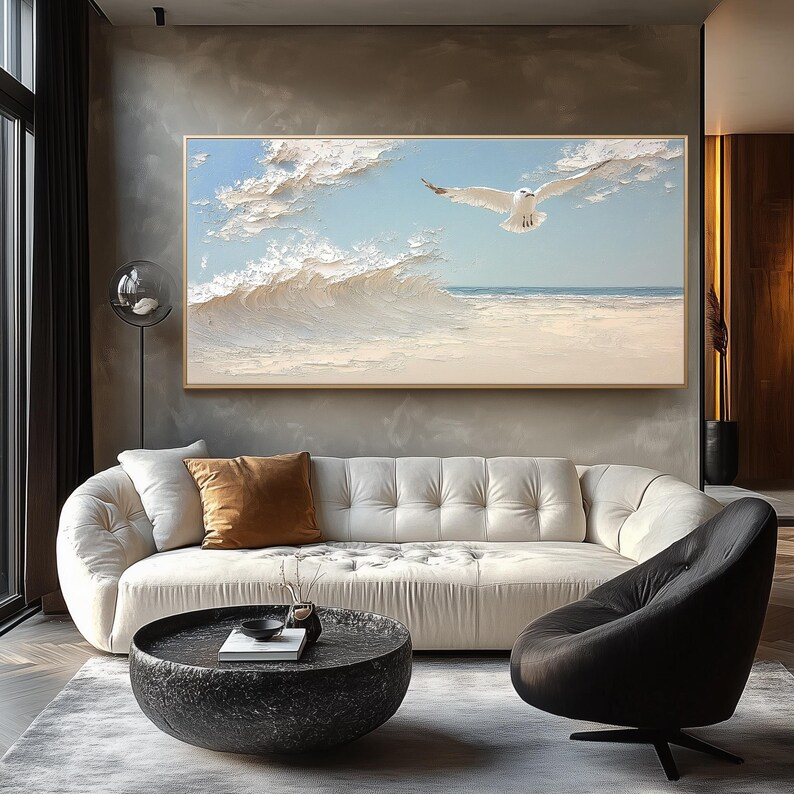
Bare walls can sometimes feel cold, prison-like, and uninviting. Slapping a generic poster on the wall will not cut it if you want genuine emotional relief. What you choose to display matters a lot. Large-scale photography of dense forests, flowing rivers, or rolling hills can actually trick the eye into thinking the room expands outward.
This visual expansion reduces feelings of claustrophobia and mental fatigue, which are common issues in smaller urban apartments. When people dealing with anxiety or mild depression incorporate these landscapes into their daily view, they often report feeling more grounded. The art acts as a gentle anchor during chaotic days, reminding you that there is a vast, peaceful world waiting just outside your door.
Natural Materials That Ground the Room
Visuals are only part of the puzzle. To make a landscape feel truly alive indoors, you need to engage other senses. Think about raw wood furniture, rough stone accents, or woven bamboo blinds. These organic textures mimic the rugged surfaces found in nature.
When your feet touch a wooden floor or your hand brushes against a stone tabletop, it reinforces the illusion of being outside. Mixing these tactile elements with your visual landscape creates a fully immersive experience. It turns a sterile living room into a warm, breathable sanctuary. You stop feeling boxed in and start feeling connected to the earth again.
Bringing Natural Light Into the Equation
You cannot talk about indoor landscapes without talking about the sun. Natural light is the lifeblood of any biophilic design. Rooms that rely solely on harsh overhead bulbs can leave us feeling drained and sluggish.
Positioning mirrors to bounce daylight across a nature photograph can amplify the illusion of an open sky or a sunlit canopy. Large windows frame the real world like a living painting, changing colors as the day moves from morning gold to evening twilight. If your space lacks big windows, warm spectrum lighting can mimic the sun’s natural arc, keeping your inner clock happy and balanced.
Bringing the Outside Right Into Your Living Room
Plants play a huge role in bridging the gap between flat art and living ecosystems. Having potted ferns, cascading ivy, or a small indoor tree adds a three-dimensional depth that prints alone cannot achieve.
Positioning your leafy greens near your landscape artwork creates a seamless blur between the art on the wall and the life on the floor. Plus, caring for living plants gives us a sense of purpose and routine. Tending to a growing thing helps us slow down and notice small details, pulling us away from endless scrolling and digital burnout.
You do not need a massive budget or a total home makeover to bring these concepts to life. Start small. Pick one wall in a room where you spend the most time, like your home office or bedroom.
Hang a calming photograph of a landscape that genuinely makes you feel at peace. Add a couple of hardy houseplants underneath it, and swap out synthetic decor for something made of wood or clay. Pay attention to how your mood shifts over the next few weeks. You might just find that your home feels a little lighter, kinder, and much easier to breathe in.
Our homes should never feel like cages. They are meant to be safe harbors that recharge our spirits after long, exhausting days. By inviting natural landscapes into our interior spaces, we give ourselves a daily reminder of stillness and grace.
The small choices we make in our living environments ripple out into how we think, feel, and treat one another. Taking the time to craft a peaceful, nature-infused home is one of the kindest investments you can make in your own well-being. After all, a calmer mind usually starts with a calmer space.