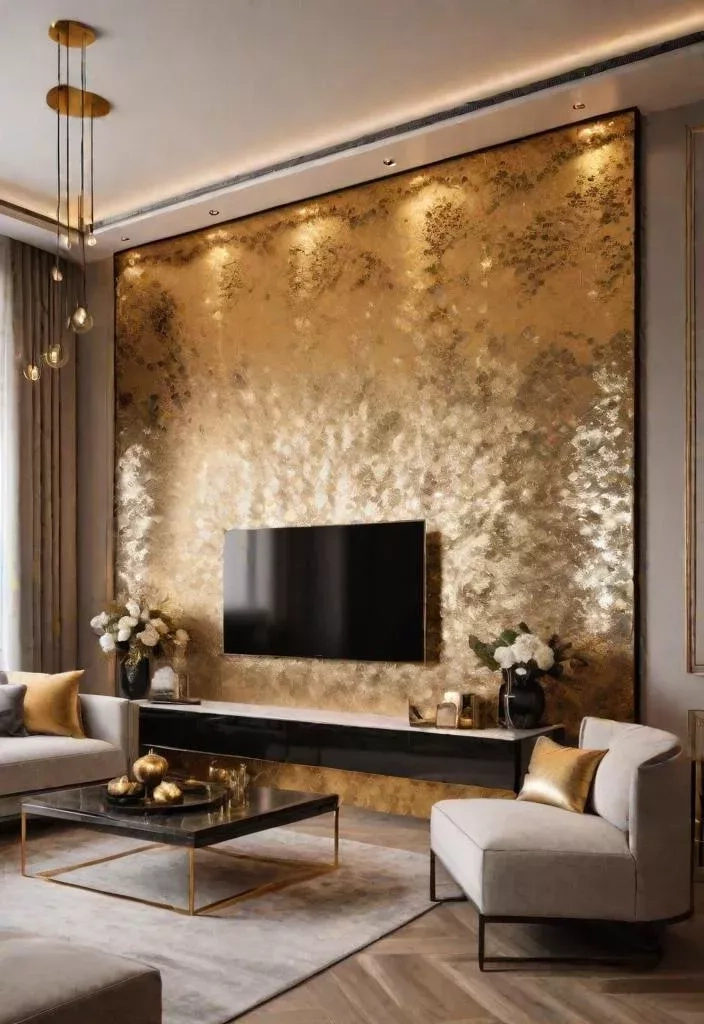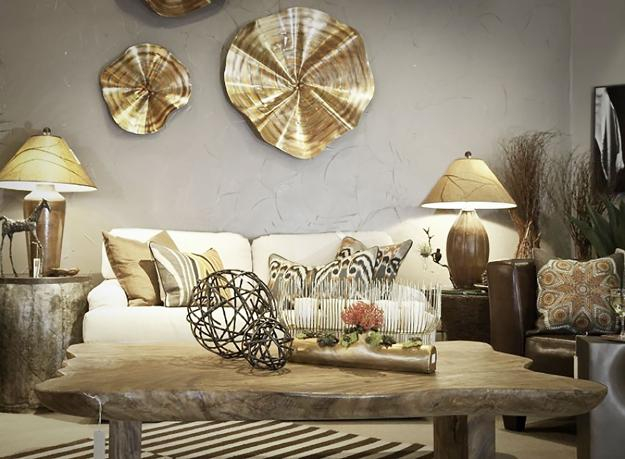
There is something strangely captivating about light hitting a hammered surface on a living room wall. We have spent thousands of years shaping hard ore into art, turning cold elements into warm centerpieces for our homes. Have you ever wondered why we feel such a deep pull toward shiny metals hanging in our spaces? It is not just about filling an empty spot. It connects us to ancient hands that beat bronze and copper into shape long before modern factories existed.
Long before mass production made everything identical, decorating living spaces meant relying on local smiths and artisans. People looked at raw earth metals not just as tools or coins, but as canvases. Every culture developed its own unique way of bending, etching, and polishing hard materials to reflect their stories. Today, as we move through 2026, looking back at these old traditions helps us appreciate the true patience required to make something lasting out of stubborn elements.
The Ancient Roots of Metalworking
Long ago, ancient craftspeople discovered that heat and a heavy hammer could tame stubborn ores like copper and gold. They did not have fancy machinery. They relied on fire, stone anvils, and sheer muscle power to create sacred shields and ceremonial plaques for their dwellings. These early pieces were rarely just decorative because they held deep spiritual meaning for the communities that made them.
Over time, this raw survival skill evolved into a true fine art form across early civilizations in Mesopotamia and Egypt. Smiths learned how to beat metals into paper-thin sheets that could be pressed into wooden frames or direct stone walls. We can still see these echoes in museums today, where ancient hammered reliefs tell stories of gods and kings. It reminds us that our desire to put meaningful art on our walls goes back to the very dawn of human history.
The Islamic Art of Damascening and Inlay
Moving forward through time, master craftsmen in the Middle East took metal decoration to breathtaking new heights. They perfected a technique known as damascening, where thin threads of precious silver and gold were hammered into grooves carved into dark iron or steel backdrops. The result was a stunning contrast that caught every flicker of candlelight in grand palaces.
This intricate style eventually spread across trade routes, influencing artisans from Spain to India. The process demanded incredible patience because a single slip of the hammer could ruin weeks of delicate inlay work. Even now, modern interior designers look to these classic geometric patterns when they want to add a touch of timeless elegance and cultural depth to a room.
The Asian Traditions of Repoussé and Chasing
Across Asia, techniques like repoussé and chasing became the heart of traditional metal art. Artists worked from the reverse side of a metal sheet, pushing the material outward to create raised reliefs, then flipped it over to carve fine details from the front. This required an almost magical touch, balancing firmness and gentleness so the metal would not tear under pressure.
In places like Japan and China, master metalsmiths applied these methods to create breathtaking wall panels featuring dragons, cherry blossoms, and sweeping landscapes. These pieces were designed to bring harmony and balance into the home. The subtle play of shadows across the textured surfaces gave the artwork a living quality that flat paintings simply could not match.
European Guilds and Baroque Splendor
During the European Renaissance and Baroque periods, metal wall decor shifted toward grand displays of wealth and theatrical drama. Guilds of specialized metalsmiths formed strict rules to protect their trade secrets, passing down knowledge from master to apprentice over many years. They created massive gilded bronze mirrors and ornate wall sconces that transformed gloomy castles into glowing halls.
Ironwork also took center stage during this era, with master blacksmiths forging elaborate scrolls and floral motifs for gates and interior wall accents. This period proved that even industrial metals like iron could be coaxed into delicate, lace-like patterns. The craftsmanship of these European guilds set a high standard that modern artisans still study and try to replicate today.
Indigenous Craftsmanship and Global Heritage
Beyond the royal courts and bustling European cities, indigenous communities around the globe developed their own distinct metallic traditions. Native American silversmiths, African brass workers, and South American artisans used locally sourced copper and silver to forge wall adornments that honored nature and tribal heritage. These traditions often relied on recycling and melting down existing metal objects, showcasing an early form of sustainable art.
Every hammered texture or stamped pattern carried specific tribal histories and ancestral symbols. By hanging these pieces in living spaces, families kept their heritage alive across generations. Today, interior enthusiasts increasingly seek out these authentic global styles, valuing the human story and cultural roots embedded in every single handmade piece.
In recent years, there has been a powerful return to handmade metal crafts as people grow tired of mass-produced plastic decor. Modern artisans are combining ancient hammering and welding techniques with contemporary designs, creating bold abstract wall sculptures that fit right into modern homes. This revival keeps historic traditions breathing while giving them a fresh, modern twist.
Choosing handcrafted metal art means supporting independent creators who spend countless hours perfecting their craft. Whether it is a minimalist brass sunburst or a heavily textured copper panel, these modern heirlooms bring warmth and soul to our living spaces. It proves that the old ways of working with fire and metal still have a very important place in our fast-paced world.
The journey of metallic wall decor spans thousands of years, evolving from sacred tribal artifacts to cherished elements of modern interior design. Through every hammer strike and polished surface, these traditions remind us of our shared human desire to create beauty that lasts.
Next time you look at a piece of metal art on your wall, remember the long history of fire, skill, and patience that brought it into being. Embracing these timeless crafts lets us honor the past while making our own living spaces feel a little more grounded and alive.