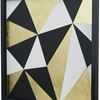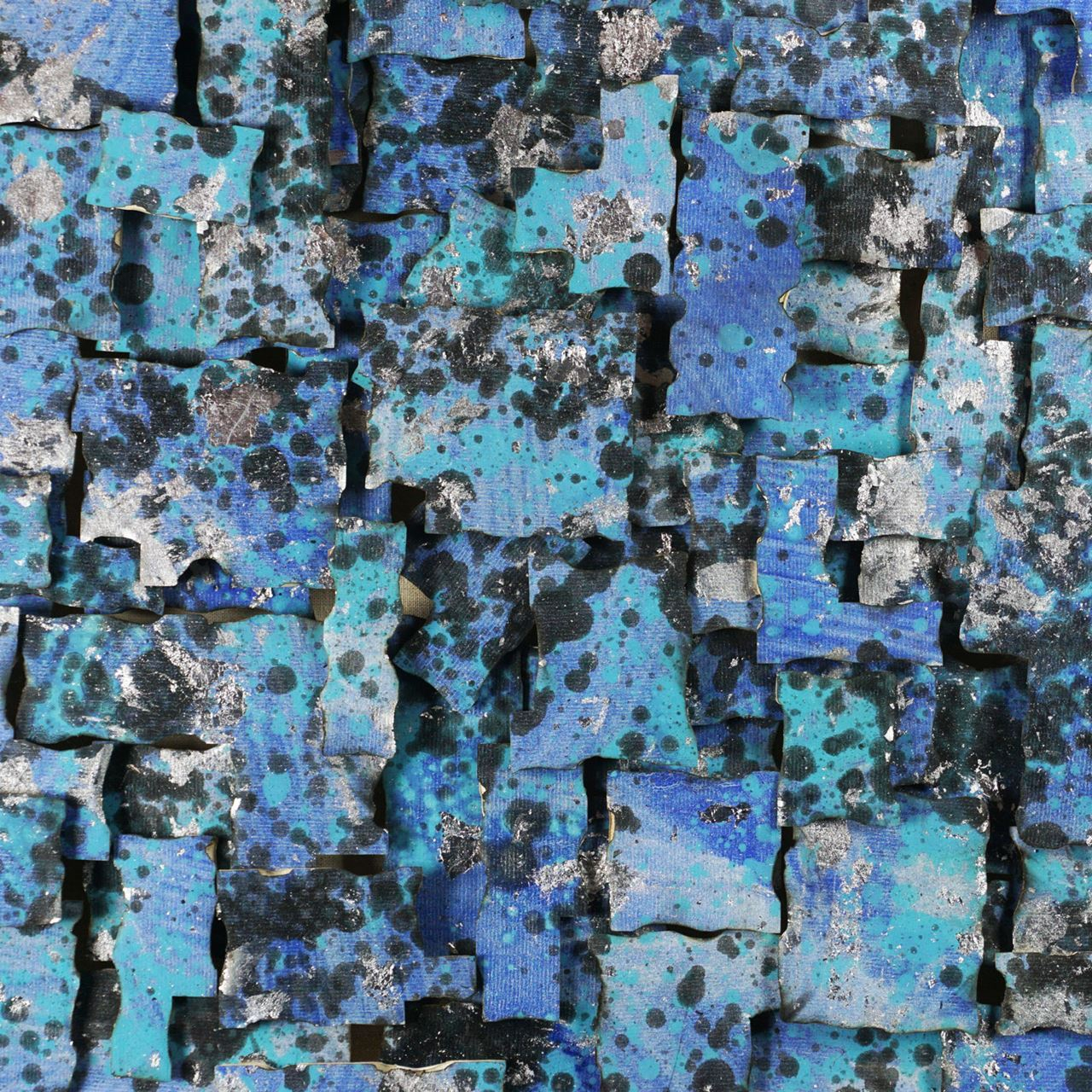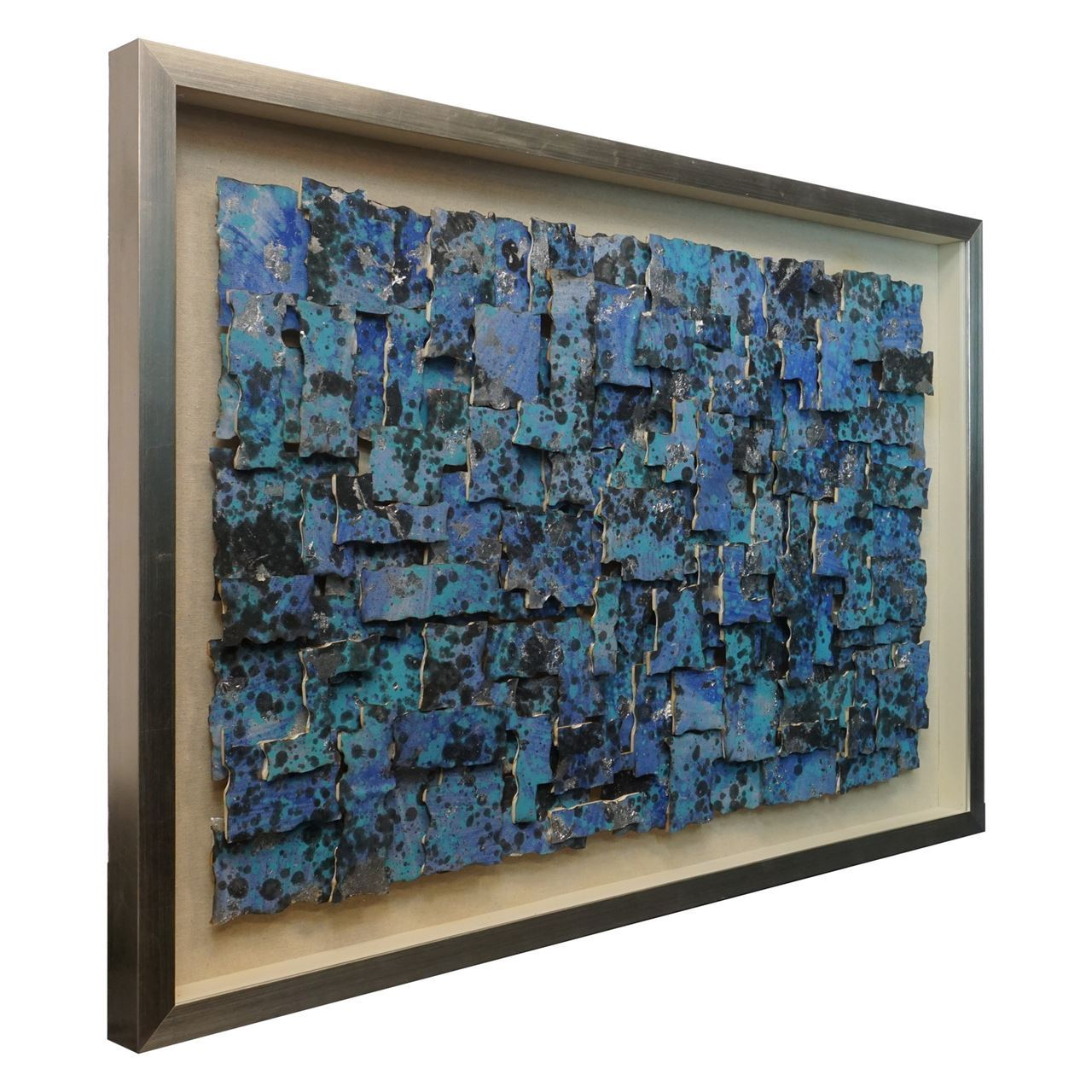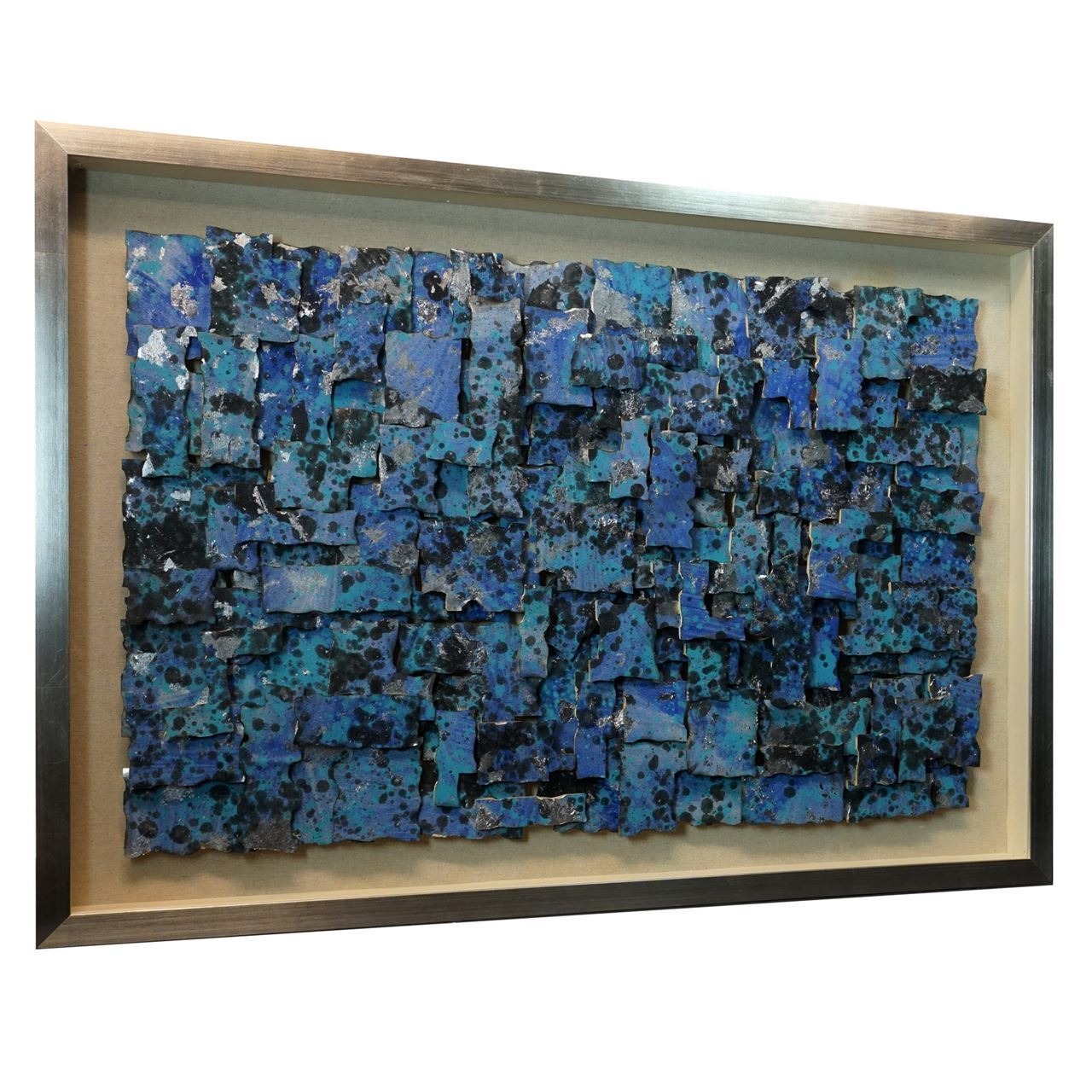
Have you ever gazed at an abstract puzzle shadow box and felt… something? A tug, a curiosity, a feeling that there’s more than meets the eye? That’s the magic of these art forms. They’re not just pretty things to look at; they are powerful tools that reshape how we perceive the world. They play with our brains in ways that are quite interesting. I want to share with you everything I know about it. This is my area of expertise and I’m very passionate about it.
We live in a world flooded with visual information. We’re constantly bombarded with images, and our brains work overtime trying to make sense of it all. But what happens when the familiar vanishes? When the rules of perspective bend, and the expected is replaced with the unexpected? That’s where abstract puzzle shadow boxes come in. These art forms are multi-layered and often constructed with multiple pieces. They provide a unique lens through which to view the world. This article will delve into the psychology behind their appeal, exploring how these artworks affect our perception, challenge our assumptions, and spark our imaginations. I’ll share insights from my own research, and offer practical tips on how to truly see these fascinating creations.
The Power of Illusion: Space, Depth, and the Brain
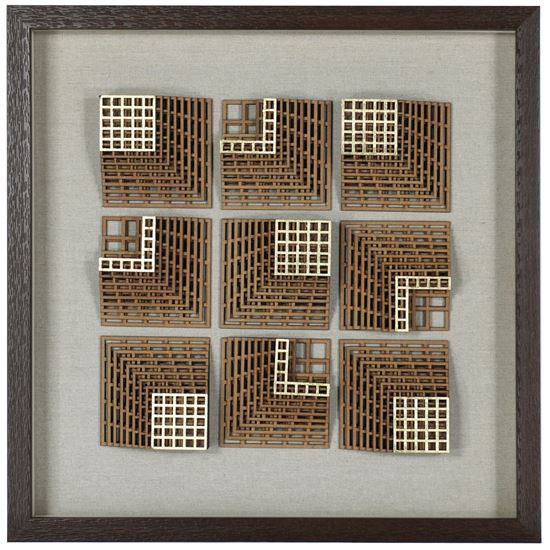
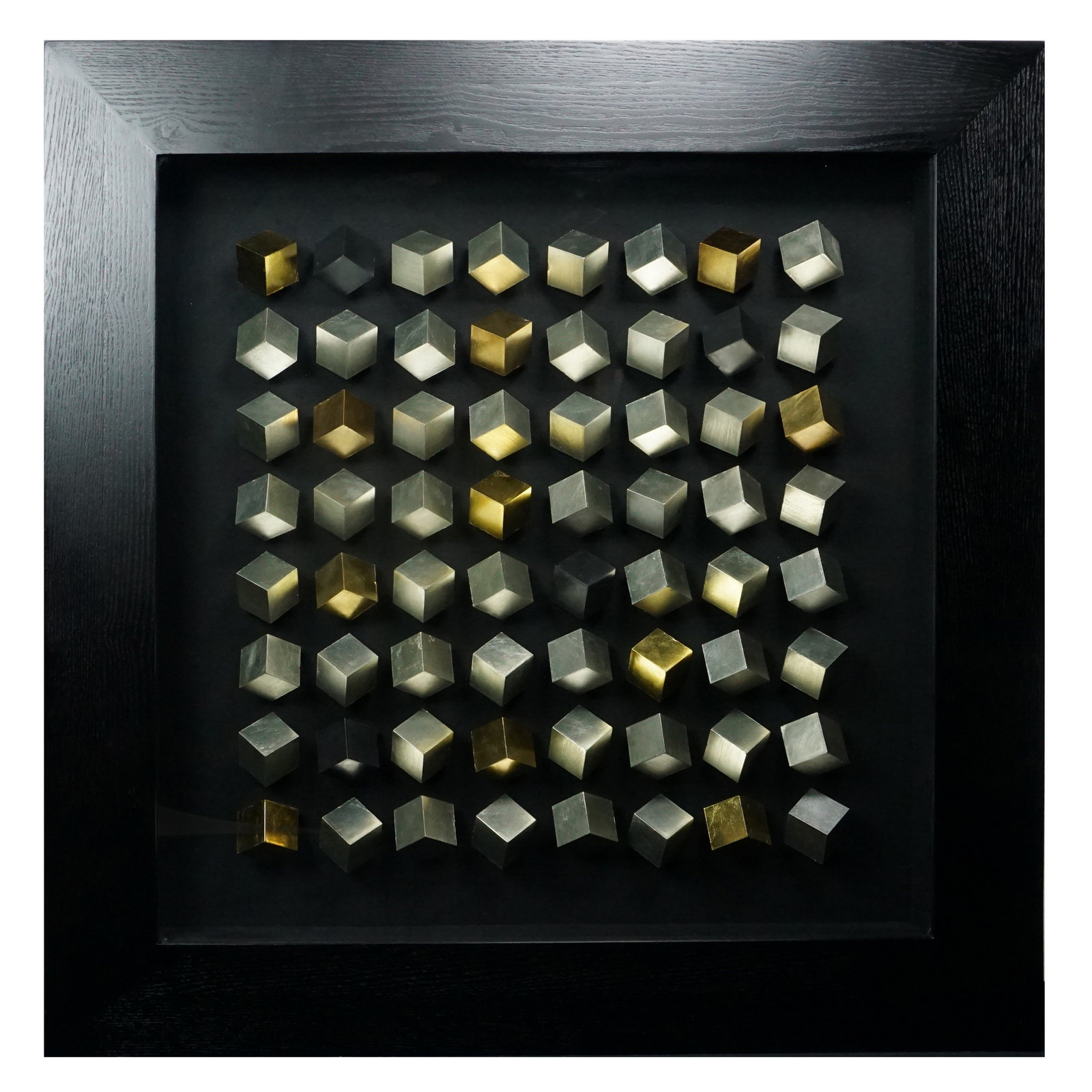
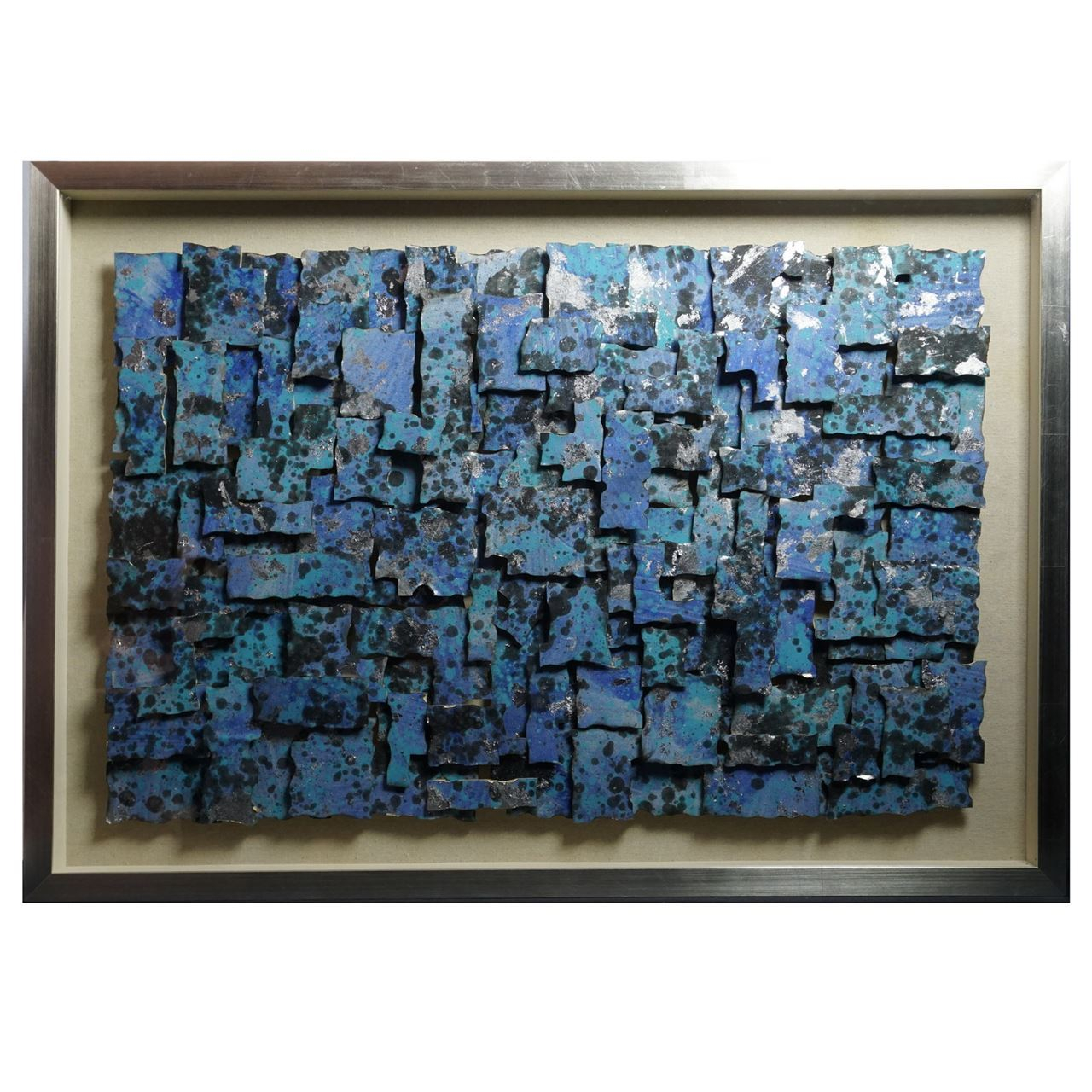
One of the most immediate effects of an abstract puzzle shadow box is its manipulation of space. The use of layers, shadows, and often, contrasting colors, creates an illusion of depth, even when the physical box is relatively shallow. Our brains are wired to interpret three-dimensional space, and these artworks tap into that inherent ability. Consider this: you look at a shadow box, and your mind automatically begins to construct a world within the frame. The way light interacts with the different elements, the way shadows fall, all these things work together to trick your brain into experiencing a sense of depth. It’s like looking into a miniature, self-contained universe. And the more you study them, the more you begin to see how the artist has played with these very concepts. For example, a carefully placed cutout can create the illusion of something being far away, even though it is right next to another object.
Form and the Unseen: Challenging Perceptual Assumptions
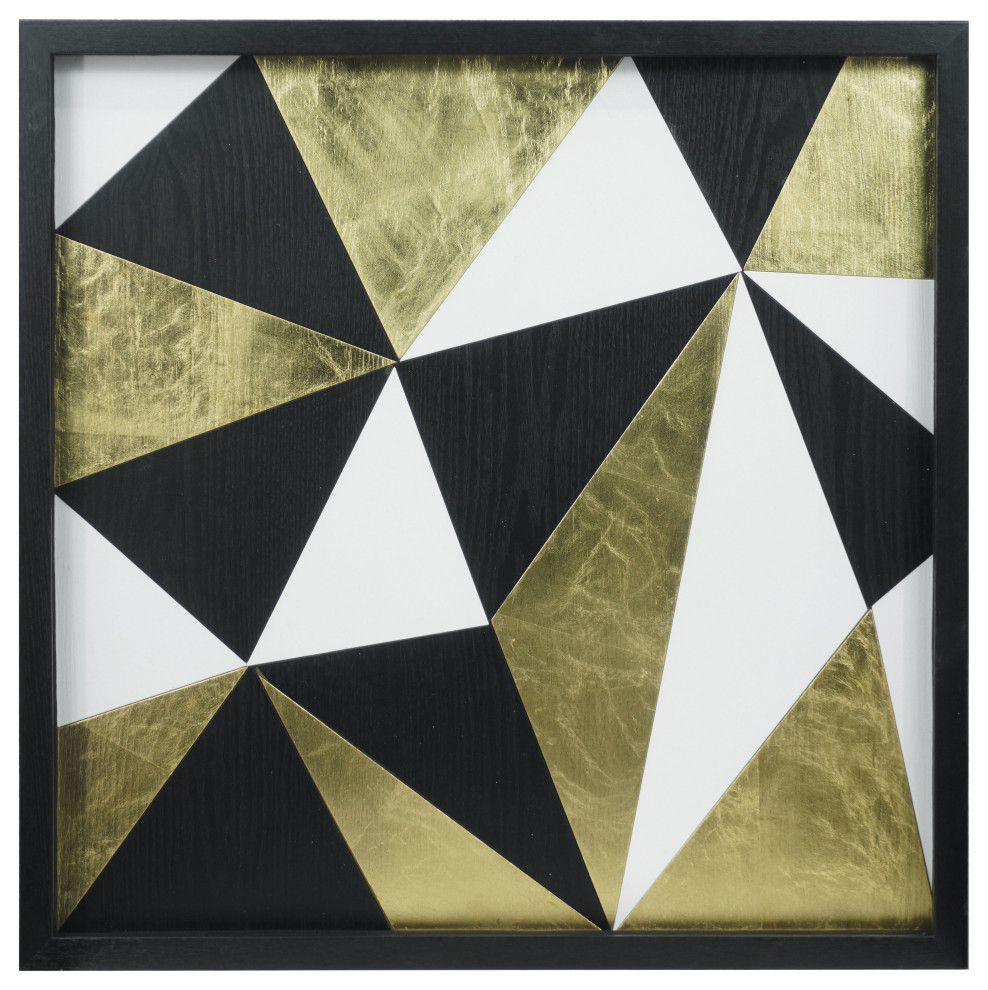
Abstract art, by its very nature, defies easy categorization. It doesn’t aim to represent reality literally; instead, it challenges us to question our preconceived notions about form, shape, and the meaning we assign to them. Abstract puzzle shadow boxes take this to another level. The puzzle element adds an extra layer of complexity. The viewer is often left to piece together meaning, to find the connections between seemingly disparate elements. This process of active interpretation is key to the psychological impact. It forces us to think about what we’re seeing, to move beyond passive observation, and to engage our creativity. The artist is basically creating a riddle, and you, the viewer, are trying to solve it. It’s a very powerful dynamic, and one that can be incredibly rewarding. The meaning is not always easy to find, and sometimes, it doesn’t exist; and that’s okay.
Color, Light, and Shadow: The Emotional Landscape
Color, light, and shadow are not just visual elements; they are powerful tools that can evoke strong emotional responses. In abstract puzzle shadow boxes, these elements are often used with great intention. The choice of colors, the way light is directed, and the interplay of shadow can create a specific mood or atmosphere. For instance, a shadow box dominated by cool blues and greens, with soft lighting, might evoke feelings of tranquility and peace. In contrast, a piece with bold reds, oranges, and stark shadows could generate a sense of energy or even unease. The artist becomes a conductor, using these tools to orchestrate a specific experience for the viewer. It’s a very intimate and personal process, and each time you look at a piece, you might experience something different. It can change based on your mood, your experiences, and even the time of day.
The Cognitive Benefits: Sharpening Your Mental Toolkit
Beyond the aesthetic and emotional impact, abstract puzzle shadow boxes can also offer cognitive benefits. The process of looking at and interpreting these artworks engages different parts of the brain. It stimulates our problem-solving skills, enhances our pattern recognition abilities, and encourages us to think outside the box. The act of deconstructing the piece, trying to understand the artist’s intention, and finding connections between the different elements exercises our cognitive muscles. It’s like a mental workout. Regular engagement with this type of art can lead to improved critical thinking skills, increased creativity, and a greater appreciation for complexity. It can also help you to become more patient and persistent, as you learn to embrace the ambiguity and the process of discovery. It may seem like a simple art form, and, in some ways, it is. But the benefits are quite complex, and worth the time.
Examples and Case Studies: Real-World Applications
Let’s look at some real-world examples to illustrate these concepts. Consider the work of artist [Insert Fictional Artist Name Here]. Their shadow boxes often feature geometric shapes and a limited color palette. The use of precise angles and the manipulation of light create a sense of order and control, while the puzzle element challenges the viewer to find the underlying structure. Another artist, [Insert Another Fictional Artist Name Here], employs a more chaotic approach. Their shadow boxes are filled with seemingly random elements, and the use of vibrant colors and dramatic shadows creates a sense of energy and movement. These examples highlight how different artists use the same basic tools to create very different experiences. These art forms are often used in therapy settings, to help patients understand themselves and the world around them. They also are used in educational settings, to help children and adults alike, to learn and grow.
Tips for Viewing and Appreciating Abstract Puzzle Shadow Boxes
So, how can you get the most out of these fascinating artworks? Here are a few tips:
- Take your time: Don’t rush. Allow yourself ample time to observe the piece and let your eyes wander.
- Look from different angles: Walk around the artwork, and see how the perspective changes.
- Focus on the details: Notice the way the light interacts with the different elements, and pay attention to the shadows.
- Ask questions: What emotions does the piece evoke? What do you think the artist is trying to communicate?
- Embrace the ambiguity: Don’t worry if you don’t immediately understand the meaning. The beauty of abstract art lies in its open-endedness.
- Do your research: Learn about the artist, and their techniques. This can give you a deeper appreciation for their work.
- Share your thoughts: Talk about the artwork with others. Discussing your interpretations can lead to new insights and a more rewarding experience.
By following these tips, you can unlock the hidden depths of these art forms and discover the power they hold to shape our perception and enrich our lives. It takes practice, but anyone can do it.
Abstract puzzle shadow boxes are more than just decorative objects. They are powerful tools that challenge our perceptions, stimulate our imaginations, and enrich our lives. By understanding the psychology behind their appeal, we can unlock new ways of seeing, and appreciate the profound impact they have on our understanding of space, form, and the world around us. So, the next time you encounter one of these artworks, take a moment to truly look. Allow yourself to be drawn in. You might just be surprised by what you discover. The joy of art, is the journey, and these shadow boxes will take you on one you’ll never forget. And, who knows, you might even become an artist yourself. It’s a very rewarding hobby, and a great way to explore your own creativity and view on the world.
[sps_html tag=”img” src=”https://cdn.theartssection.com/wp-content/uploads/2025/05/huji-home-products-abstract-puzzle-shadow-box-wall-decor-ms38369a-24-with-abstract-puzzle-shadow-box-wall-decor.jpeg” alt=”Huji Home Products. Abstract Puzzle Shadow Box Wall Décor (Ms38369A) 24 … with Abstract Puzzle Shadow Box Wall Décor” style=”width: 100%; height: auto;”]
[sps_html tag=”img” src=”https://cdn.theartssection.com/wp-content/uploads/2025/05/huji-home-products-abstract-puzzle-pieces-shadow-box-wall-decor-regarding-the-psychology-of-art-how-abstract-puzzle-shadow-boxes-impact-our-perception-1.jpeg” alt=”Huji Home Products. Abstract Puzzle Pieces Shadow Box Wall Décor … regarding The Psychology of Art How Abstract Puzzle Shadow Boxes Impact Our Perception” style=”width: 100%; height: auto;”]
[sps_html tag=”img” src=”https://cdn.theartssection.com/wp-content/uploads/2025/05/huji-home-products-abstract-3d-wood-carving-shadow-box-wall-decor-for-the-psychology-of-art-how-abstract-puzzle-shadow-boxes-impact-our-perception.jpeg” alt=”Huji Home Products. Abstract 3D Wood Carving Shadow Box Wall Décor … for The Psychology of Art How Abstract Puzzle Shadow Boxes Impact Our Perception” style=”width: 100%; height: auto;”]
[sps_html tag=”img” src=”https://cdn.theartssection.com/wp-content/uploads/2025/05/corrigan-studio-abstract-puzzle-shadow-box-wall-decor-wayfair-pertaining-to-the-psychology-of-art-how-abstract-puzzle-shadow-boxes-impact-our-perception.jpg” alt=”Corrigan Studio® Abstract Puzzle Shadow Box Wall Décor | Wayfair pertaining to The Psychology of Art How Abstract Puzzle Shadow Boxes Impact Our Perception” style=”width: 100%; height: auto;”]
[sps_html tag=”img” src=”https://cdn.theartssection.com/wp-content/uploads/2025/05/orren-ellis-mini-cubes-shadow-box-wall-decor-wayfair-inside-abstract-puzzle-shadow-box-wall-decor.jpg” alt=”Orren Ellis Mini Cubes Shadow Box Wall Décor | Wayfair inside Abstract Puzzle Shadow Box Wall Décor” style=”width: 100%; height: auto;”]