We often hear that going big with your art can make a statement. But what’s really going on behind that? It’s not just about filling wall space; there’s a whole fascinating interplay of perception and psychology that makes larger artworks resonate differently. Let’s dive into how size can truly amplify the impact of your creative endeavors.
Think about the last time you stood before a truly monumental painting or a colossal sculpture. Didn’t it just draw you in? There’s a reason for that. Enlarging your artwork isn’t merely a technical adjustment; it’s a strategic decision that can fundamentally alter how your piece is experienced. It taps into our innate responses to scale, influencing our emotions, our perception of detail, and even our physical presence in relation to the art. It’s about creating an experience, not just displaying an image. So, how do we harness this power effectively?
Visual Dominance and Emotional Resonance
When you increase the size of your artwork, you’re inherently increasing its visual weight. This makes it more dominant in a space, commanding attention more readily than a smaller piece. Imagine walking into a room with a postage-stamp-sized portrait versus a life-sized one. The larger portrait naturally draws your eye and often evokes a stronger emotional response. Why? Because it occupies more of our visual field, which can create a sense of intimacy or even overwhelming presence. This can make viewers feel more connected to the subject matter or the artist’s intent. It’s a primal reaction; larger things often signal importance or significance to our brains.
Shifting Focus: From Detail to Overall Impression
As artwork scales up, the viewer’s relationship with it changes. With smaller pieces, we tend to focus on intricate details, the fine brushstrokes, or the subtle nuances. However, when a piece is enlarged significantly, our focus often shifts from the minute to the magnificent. We start to appreciate the overall composition, the broad strokes of color, and the general mood or atmosphere the artwork conveys. This isn’t necessarily a loss of detail; it’s a reinterpretation of it. For example, a large abstract painting might reveal new patterns and color interactions when viewed from a distance that wouldn’t be apparent up close. This change in perspective can offer a fresh appreciation for the work. It’s like stepping back from a mosaic to see the whole picture rather than just the individual tiles.
The Psychology of Immersion
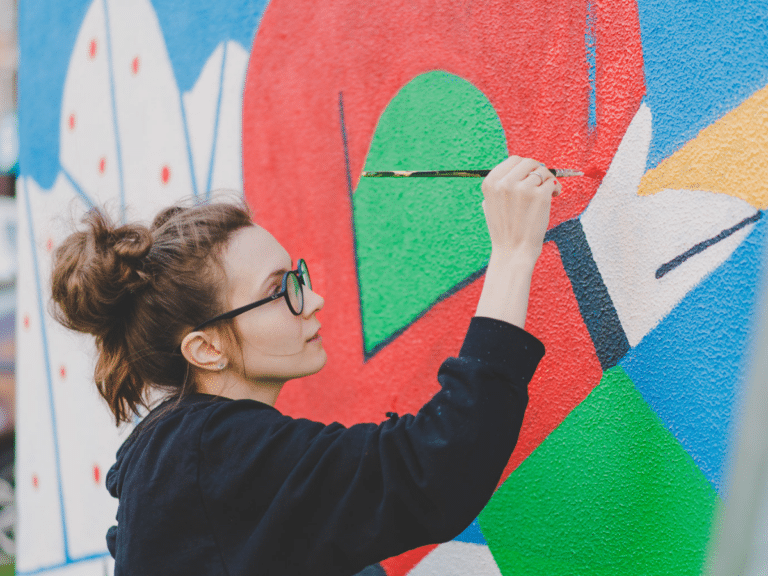
Larger artworks have a unique ability to immerse the viewer. When a piece is big enough to fill a significant portion of your vision, it can feel like you’re stepping into the artwork itself. This sense of immersion is powerful. Think of murals or large-scale installations that surround you. They can transport you to different places or evoke particular feelings. This psychological effect is amplified by the physical space the art occupies. It demands a different kind of engagement, often requiring the viewer to move their head or even walk around to take it all in. This active participation deepens the connection and makes the experience more memorable. It’s like being inside a story rather than just reading it.
Leveraging Color and Texture at Scale
Color and texture behave differently when enlarged. A vibrant color that might be a subtle accent on a small canvas can become an overwhelming force on a large one. Similarly, textural elements can gain a new dimension. For instance, thick impasto strokes might appear as dramatic landscapes of light and shadow when scaled up. When planning to enlarge your work, consider how your chosen colors will read. Will they remain balanced, or will one hue dominate too much? How will the texture translate? Sometimes, enlarging can smooth out subtle textures, while other times, it can exaggerate them, creating a new tactile quality even when viewed from afar. It’s a careful calibration of visual elements.
Context is Key: Matching Scale to Environment
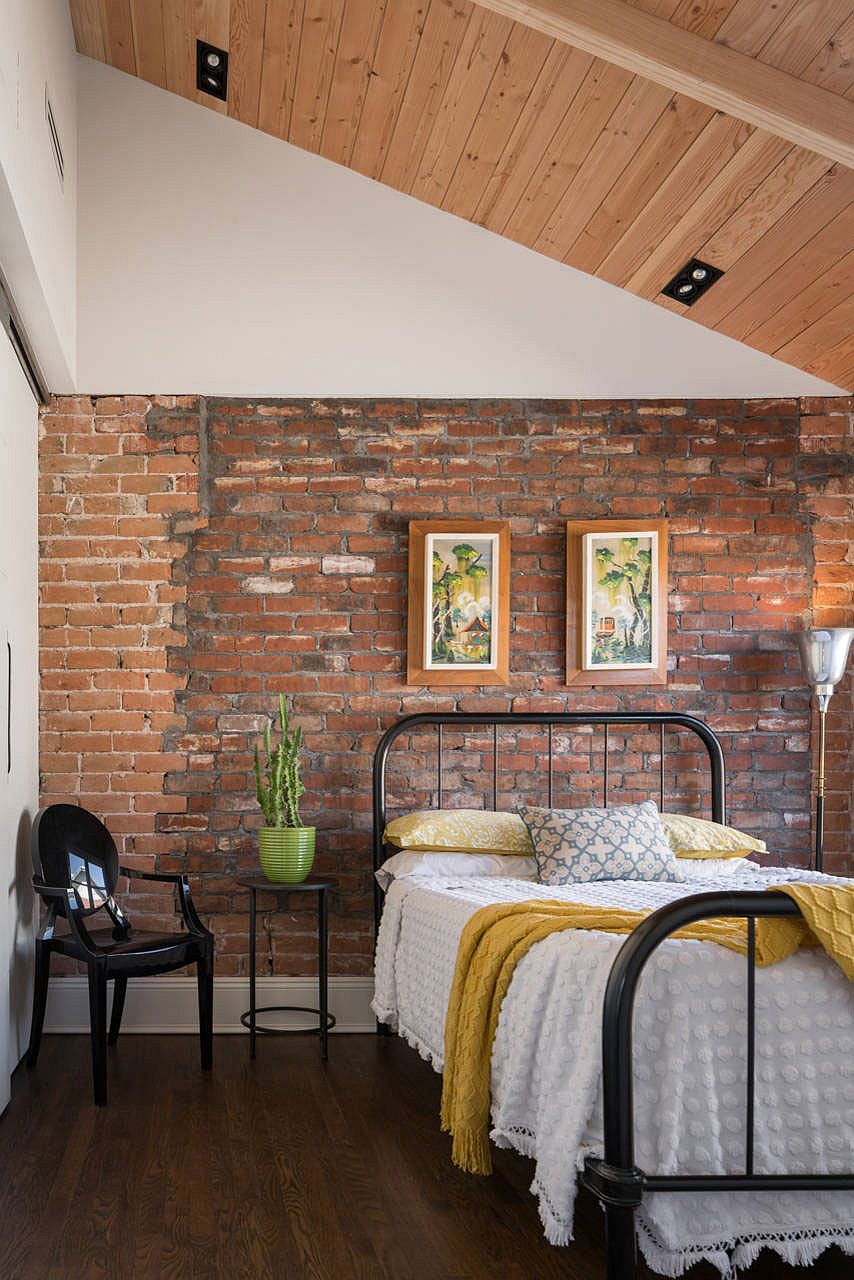
The impact of an enlarged artwork is also heavily influenced by its surroundings. A large piece that might feel overwhelming in a small room could be perfectly balanced in a grand hall or an open public space. Conversely, a piece that feels intimate when small might get lost in a vast area unless it’s significantly enlarged. The goal is to create a harmonious relationship between the artwork and its environment. Consider the architecture, the lighting, and the intended audience. A piece intended for a corporate lobby will likely have different scaling requirements than one destined for a home gallery. Understanding the context helps ensure that the enlargement enhances, rather than detracts from, the overall experience.
Practical Considerations for Enlargement
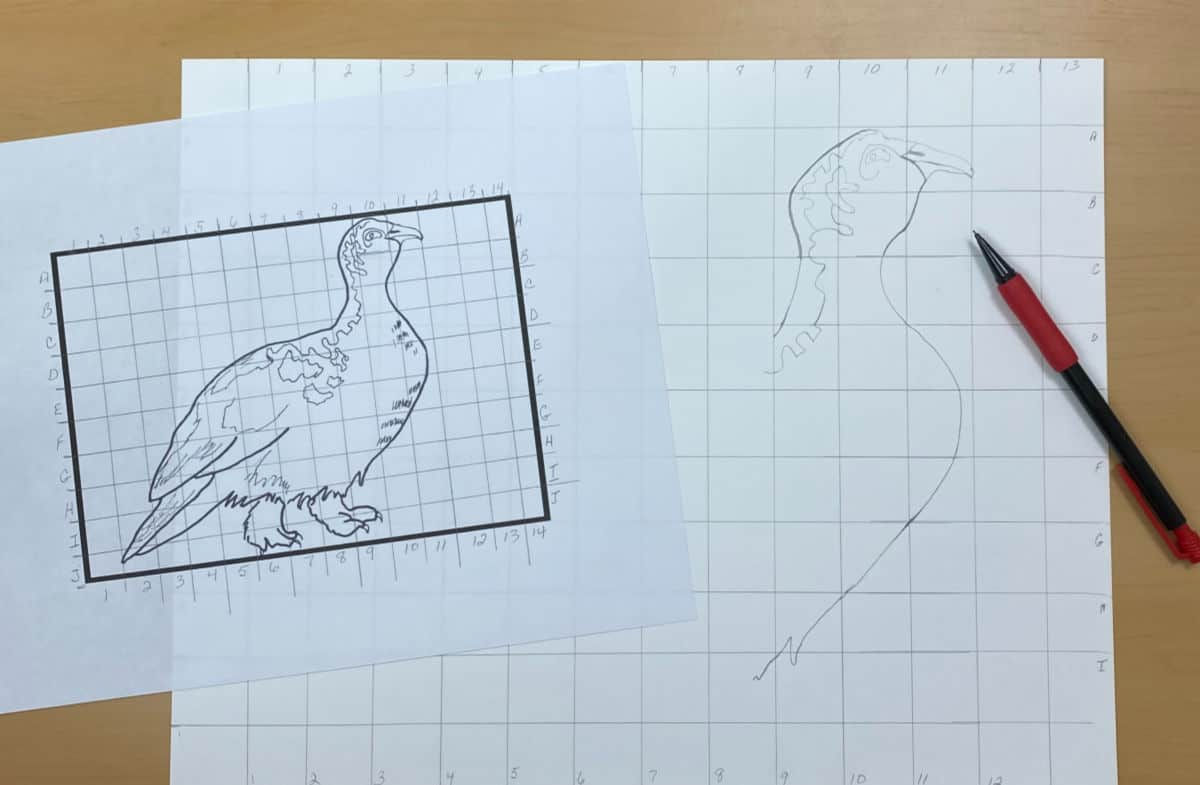
Enlarging artwork isn’t just about hitting ‘scale up’ on a computer. For digital art, maintaining resolution is paramount. Pixels that look fine at a small size can become glaringly obvious when blown up. This means starting with a high-resolution file is crucial. For physical media like paintings or drawings, the process might involve different techniques. Some artists redraw or repaint their work at a larger scale, allowing for adjustments and reinterpretations. Others use specialized printing or reproduction methods. Whatever the medium, fidelity to the original vision while embracing the new scale is the key. Think about the materials you’ll use too; they need to support the larger format and maintain their integrity.
Enlarging your artwork is a potent tool, capable of transforming how your message is received. It’s a subtle science, blending visual principles with an understanding of human perception and psychology. By carefully considering visual dominance, immersion, the shift in focus, and the context of display, you can harness the power of scale to create truly impactful art. It’s about making deliberate choices that resonate with your audience on a deeper, more visceral level, turning a visual experience into an unforgettable encounter. So, next time you consider scaling up, remember these principles, and let your art speak volumes.
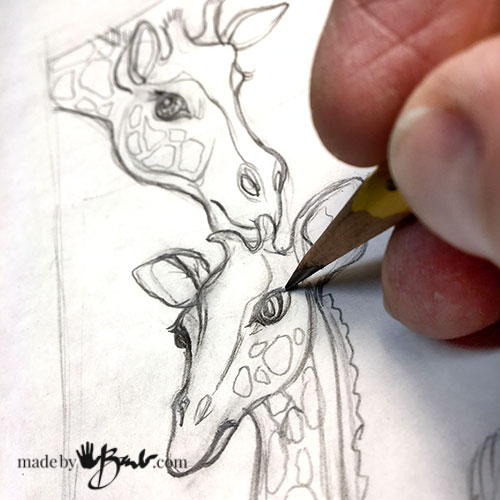
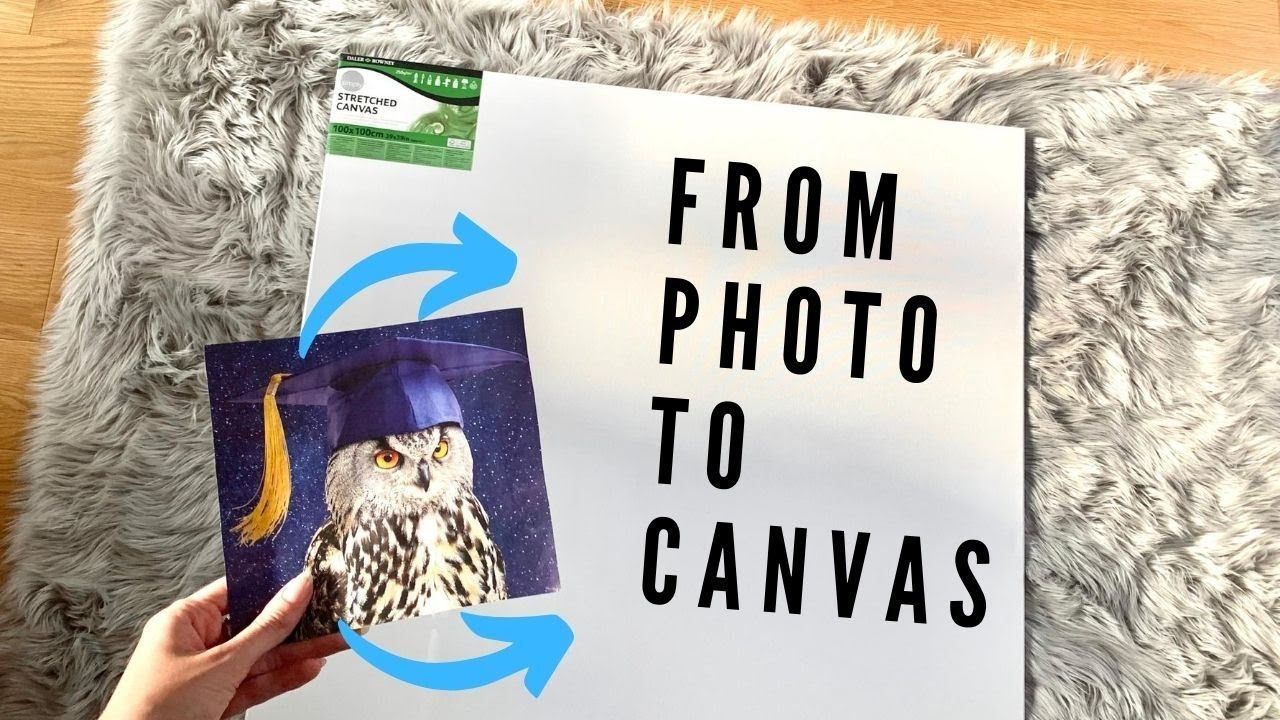
[sps_html tag=”img” src=”https://cdn.theartssection.com/wp-content/uploads/2025/08/how-to-enlarge-a-picture-to-paint-trembeling-art-regarding.jpg” alt=”How To Enlarge A Picture To Paint - Trembeling Art regarding” style=”width: 100%; height: auto;”]
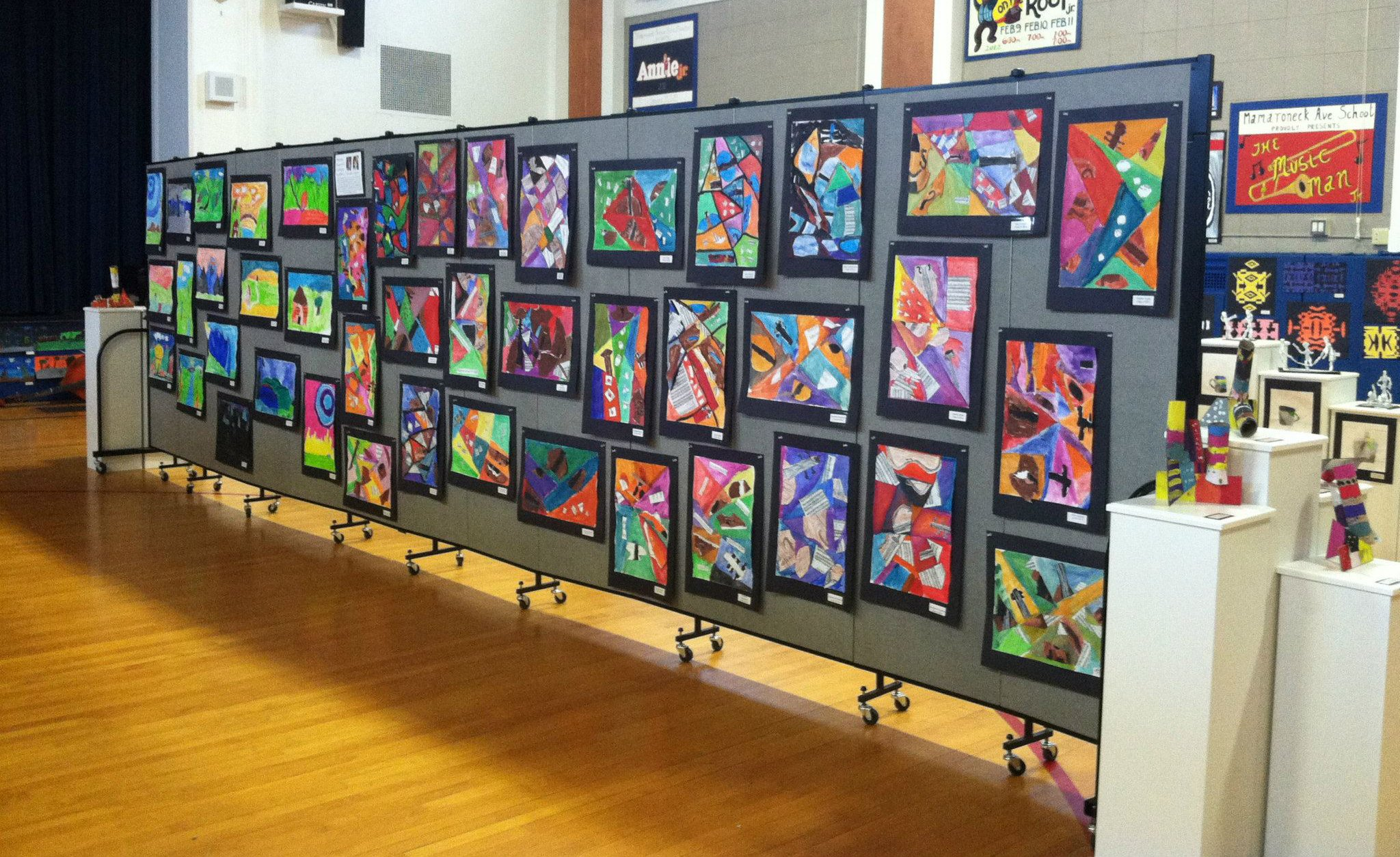
[sps_html tag=”img” src=”https://cdn.theartssection.com/wp-content/uploads/2025/08/techniques-for-displaying-art-for-great-impact-artsy-shark-for-the-expert-guide-to-enlarging-your-artwork-for-display.jpg” alt=”Techniques For Displaying Art For Great Impact | Artsy Shark for The Expert Guide to Enlarging Your Artwork for Display” style=”width: 100%; height: auto;”]
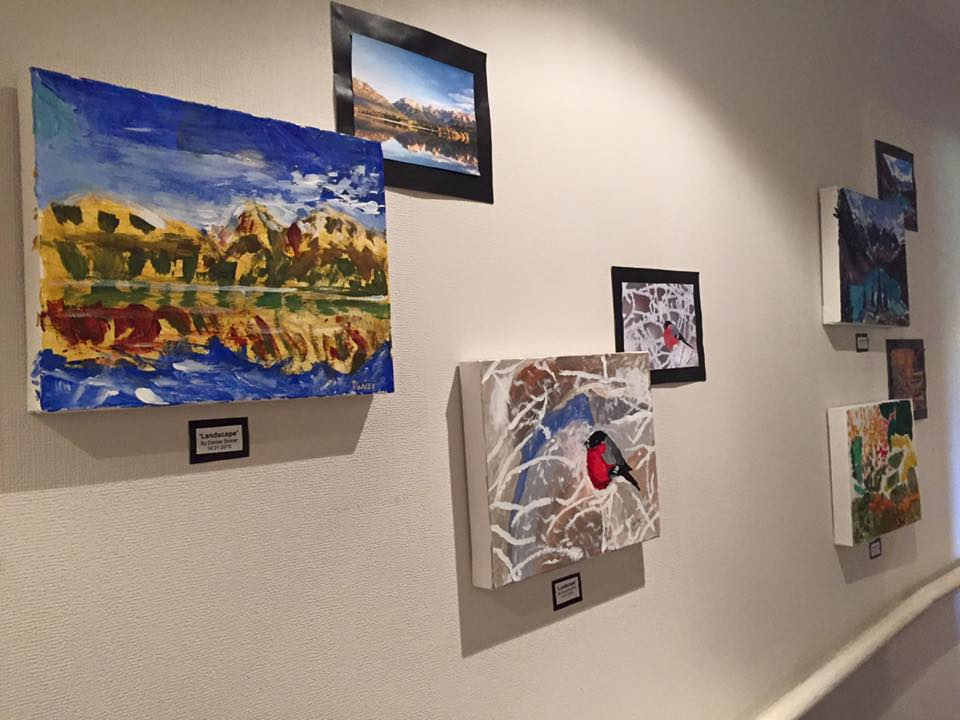
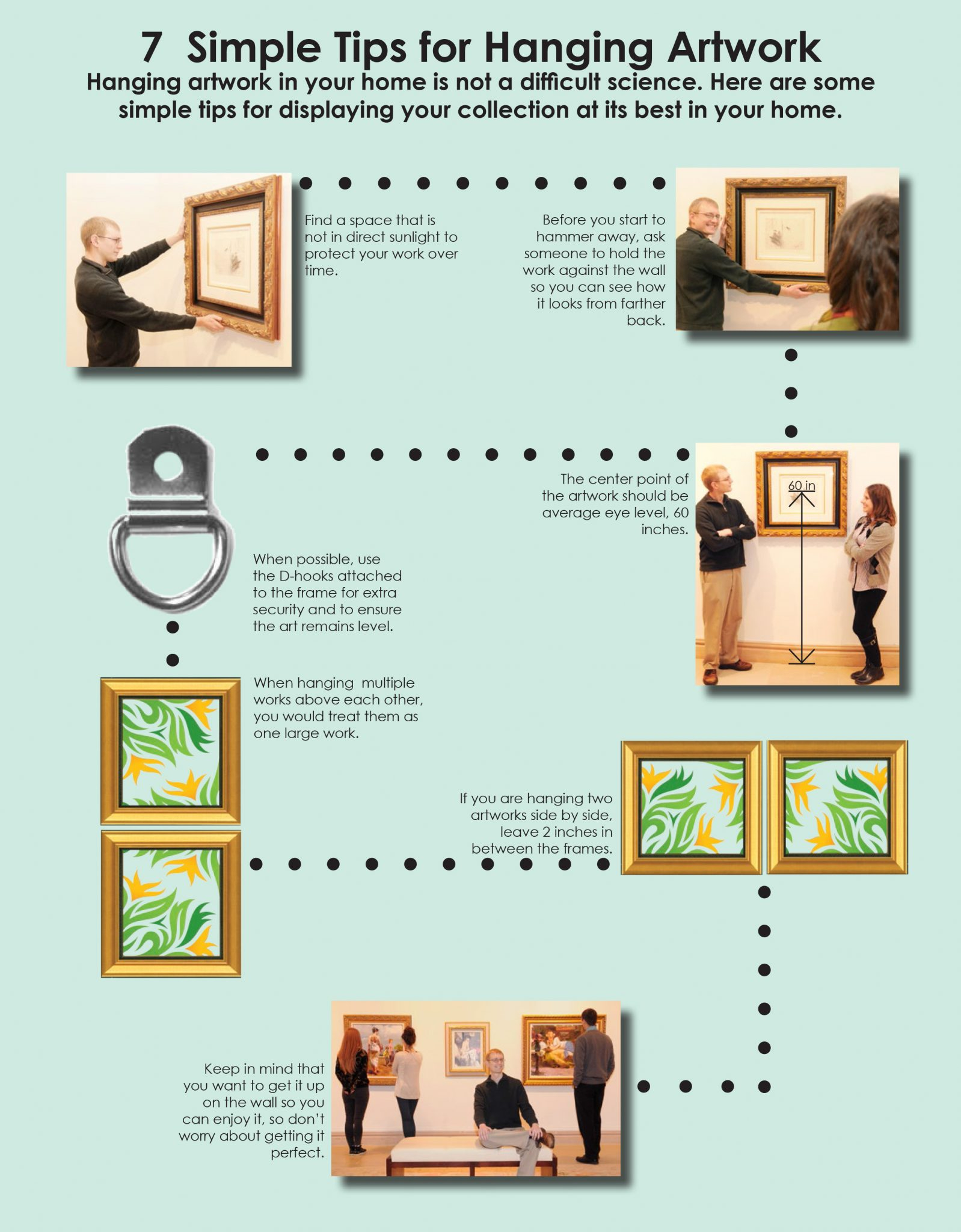
[sps_html tag=”img” src=”https://cdn.theartssection.com/wp-content/uploads/2025/08/7-simple-tips-for-hanging-artwork-park-west-gallery-intended-for-the-expert-guide-to-enlarging-your-artwork-for-display.jpg” alt=”7 Simple Tips For Hanging Artwork - Park West Gallery intended for The Expert Guide to Enlarging Your Artwork for Display” style=”width: 100%; height: auto;”]
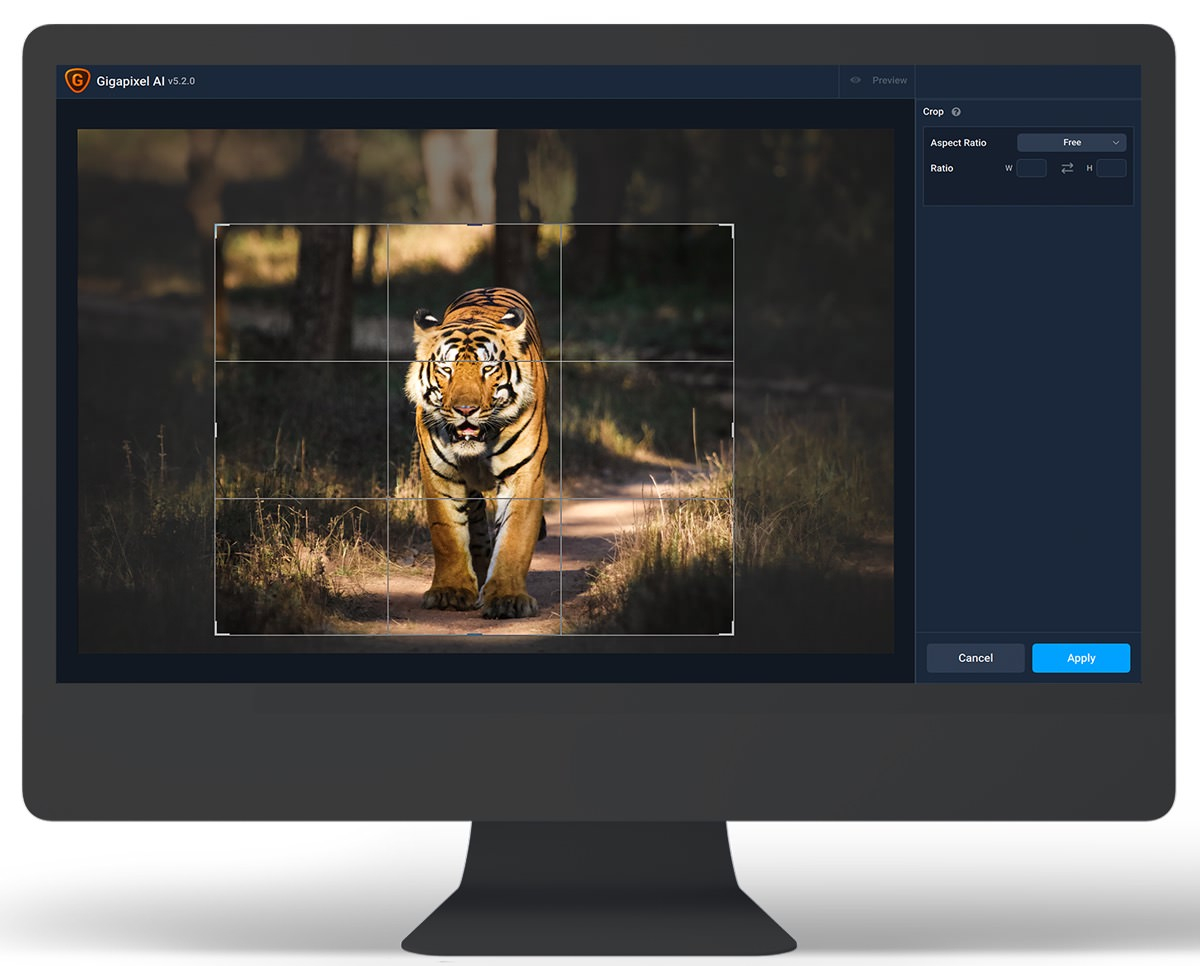
[sps_html tag=”img” src=”https://cdn.theartssection.com/wp-content/uploads/2025/08/a-guide-to-enlarging-images-while-preserving-quality-regarding.jpeg” alt=”A Guide To Enlarging Images While Preserving Quality regarding” style=”width: 100%; height: auto;”]
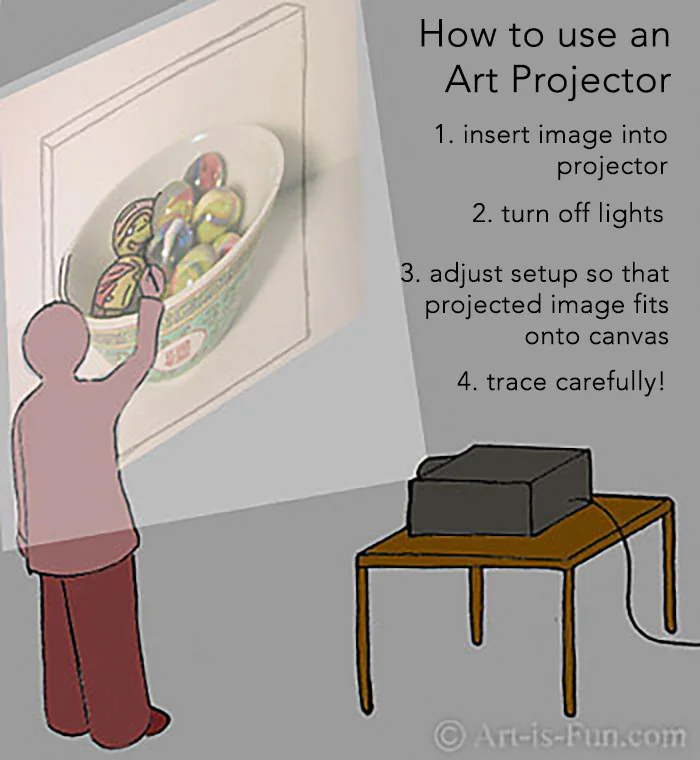
[sps_html tag=”img” src=”https://cdn.theartssection.com/wp-content/uploads/2025/08/art-projector-guide-how-to-use-different-art-projectors-to-enlarge-regarding-the-expert-guide-to-enlarging-your-artwork-for-display.jpg” alt=”Art Projector Guide: How To Use Different Art Projectors To Enlarge … regarding The Expert Guide to Enlarging Your Artwork for Display” style=”width: 100%; height: auto;”]