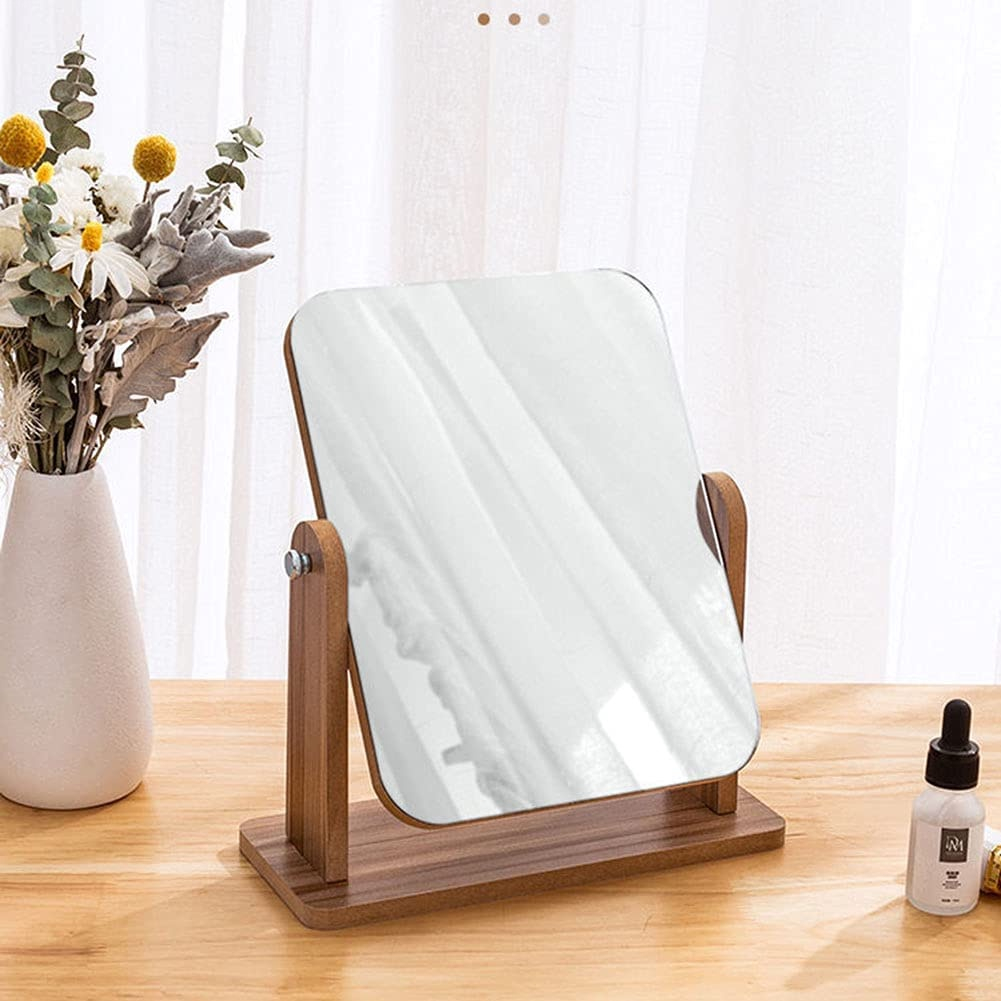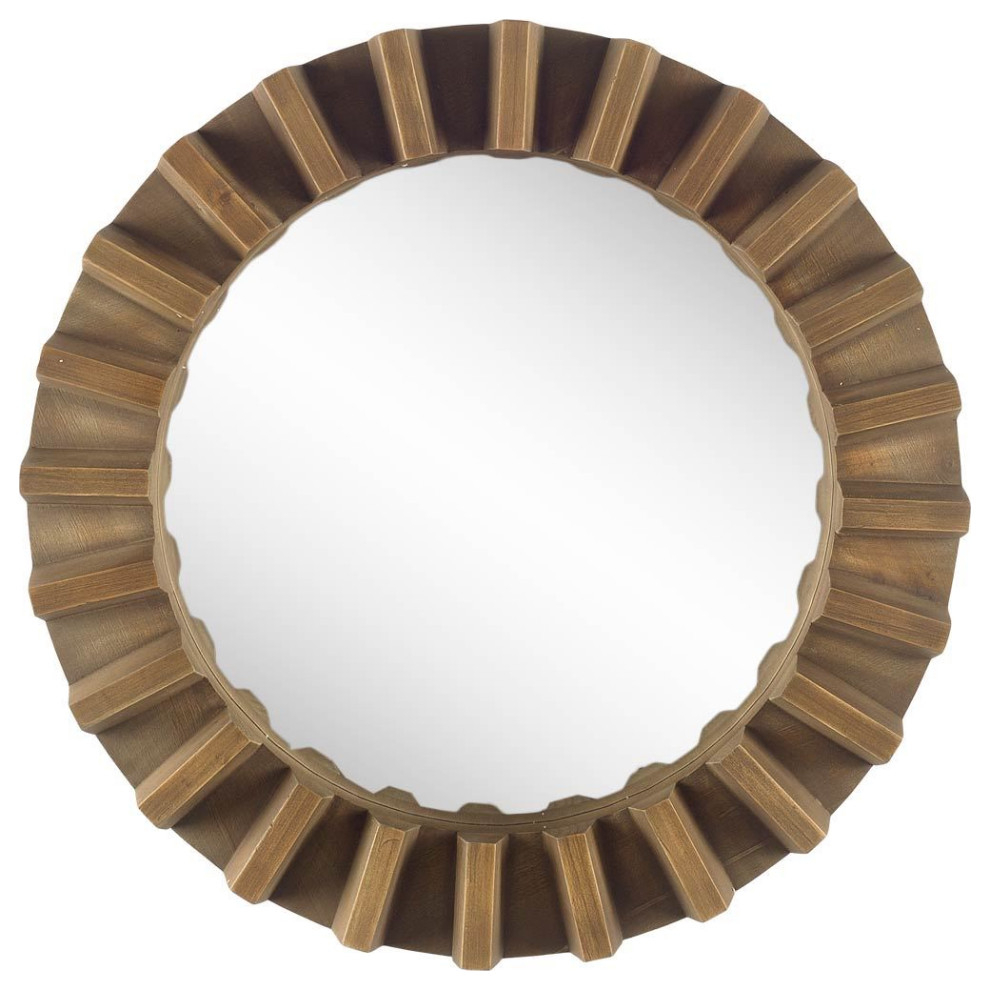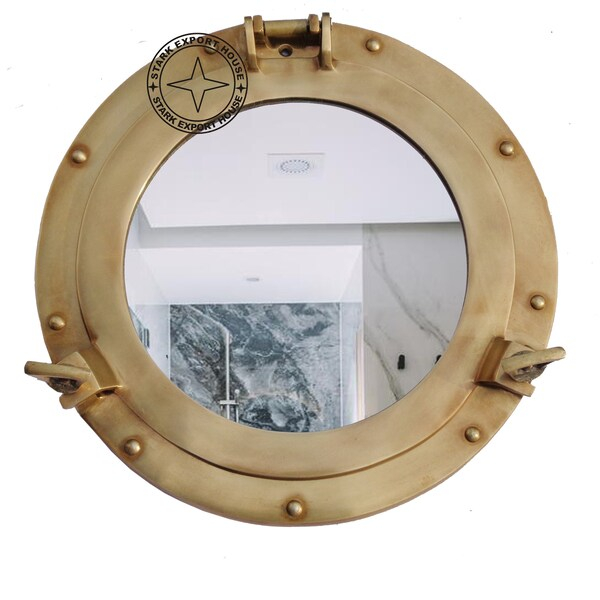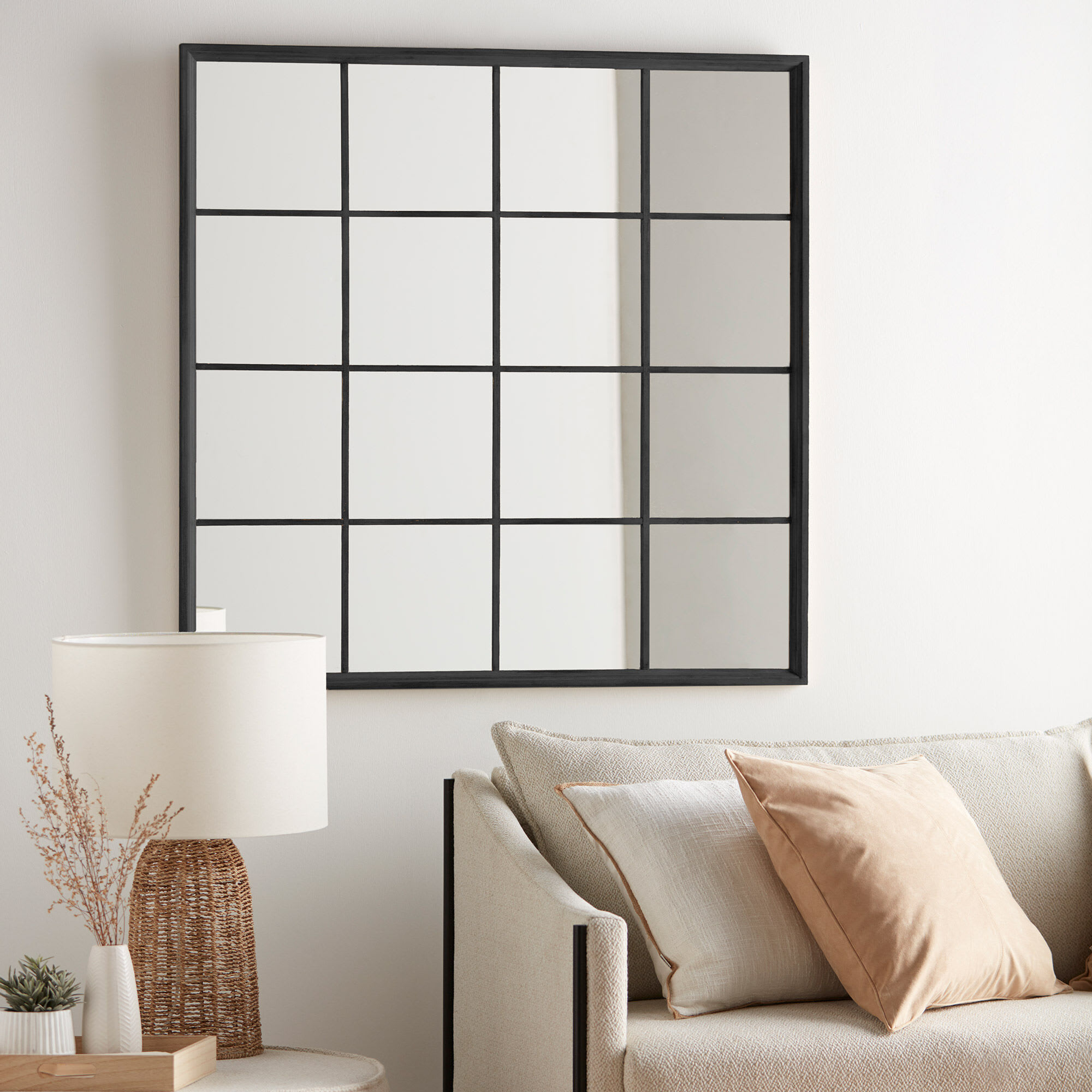
Ever walked into a room and felt it was bigger, brighter, or just… better? Often, without consciously realizing it, the size and placement of a wall mirror play a huge role in that feeling. It’s not just about seeing your own face; it’s about how that reflective surface interacts with the space around it and, ultimately, with you. Let’s dive into the fascinating psychology behind why mirror dimensions matter so much.
We often think of mirrors as purely functional items – a place to check our outfit, a quick grooming aid. But their impact goes far deeper. The dimensions of a wall mirror are like an unseen architect, subtly altering our perception of a room’s size, light, and even its overall vibe. It’s a psychological trick of the light, a spatial illusion, and a powerful tool for interior design. Understanding this can transform how you view and use mirrors in your own home. Think about it: a tiny handheld mirror gives you a very different experience than a floor-to-ceiling wall mirror, right? That’s the power of scale at play.
The Illusion of Expansion: Making Small Spaces Feel Larger
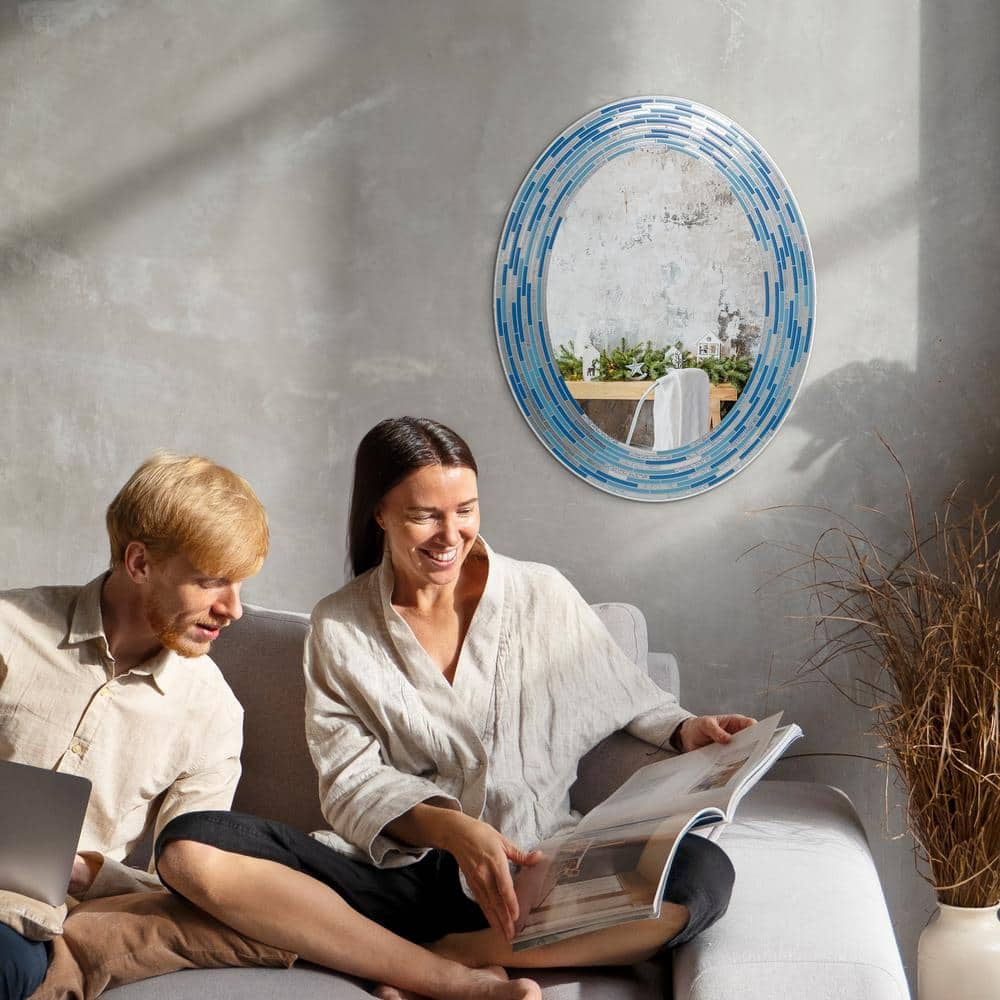
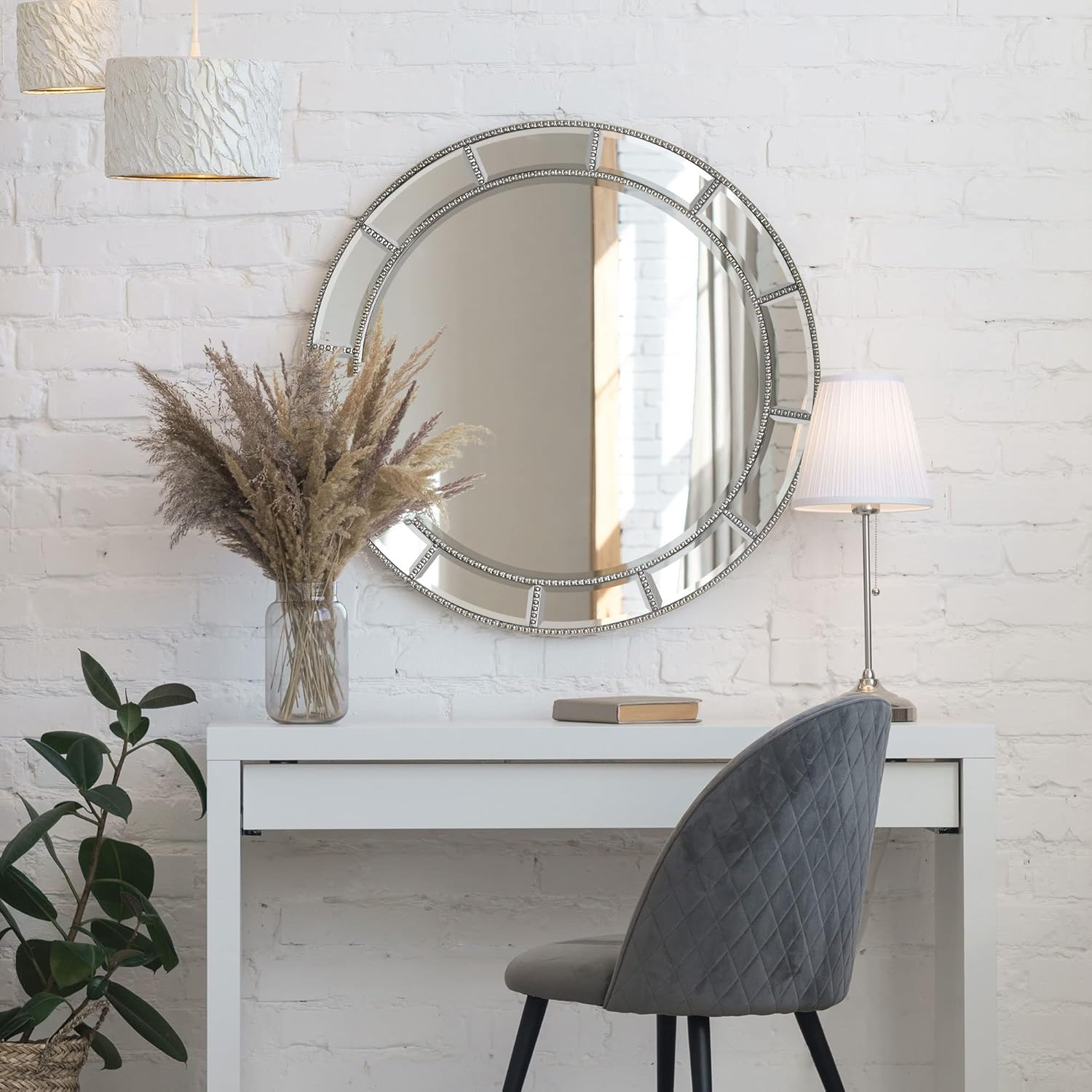
One of the most celebrated effects of mirrors is their ability to create an illusion of greater space. But how does this actually work? It’s all about fooling the eye. A large wall mirror, especially when placed strategically, can visually double the perceived depth of a room. Imagine a narrow hallway; a long, rectangular mirror running along one side can make it feel significantly wider and more open. The key here is the mirror’s surface area and its placement. The bigger the mirror, and the more you can see reflected in it (like a window or a well-lit area), the more pronounced the expansion effect will be. It’s like adding another window without actually breaking through a wall. This is especially useful in apartments or smaller homes where maximizing perceived space is crucial. Even a moderately sized round mirror can bounce light around, making a cramped corner feel less confined. The trick is to consider what the mirror will reflect; a cluttered wall won’t do much for you, but a reflection of a light source or an attractive view can work wonders.
Light Amplification: Brightening Dim Interiors
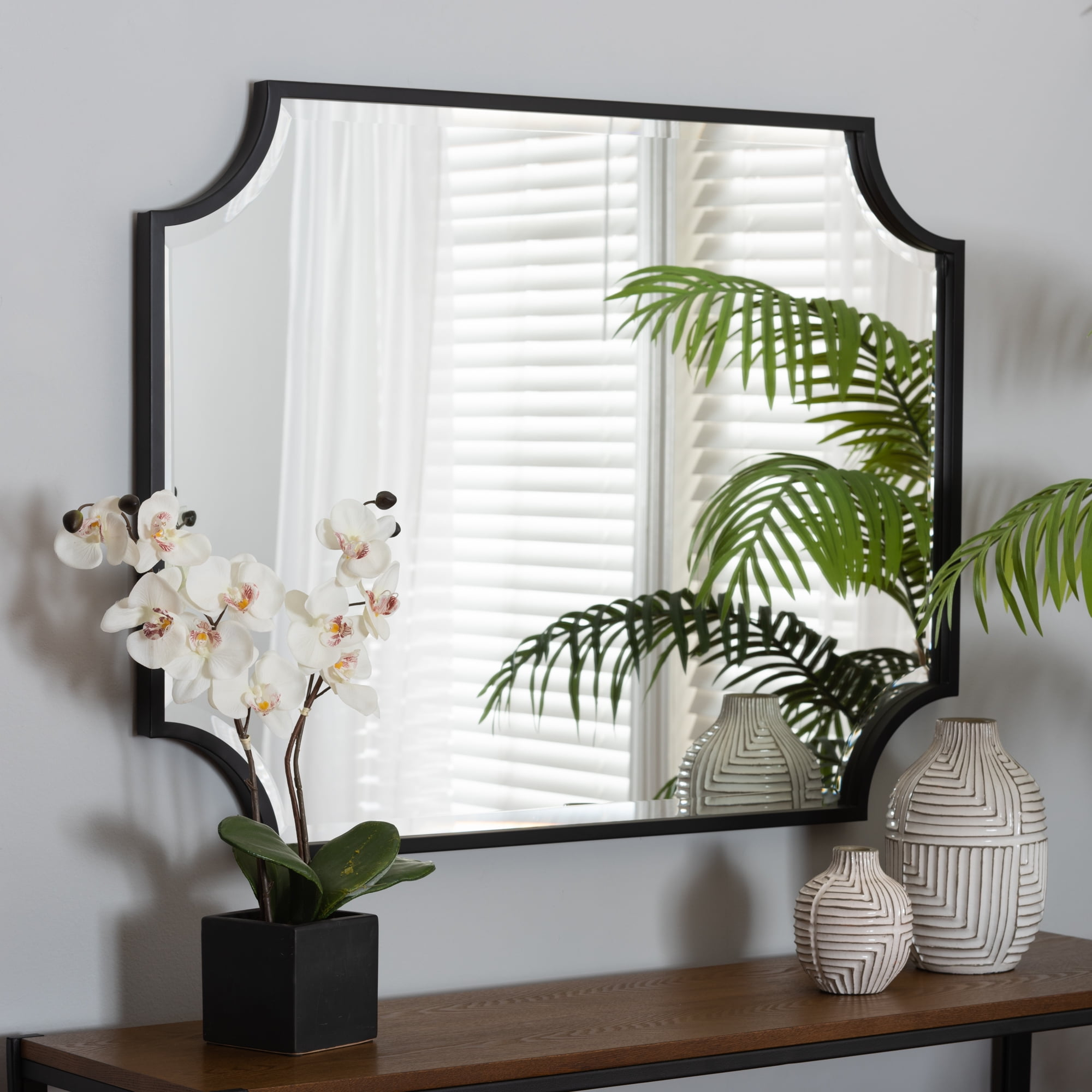
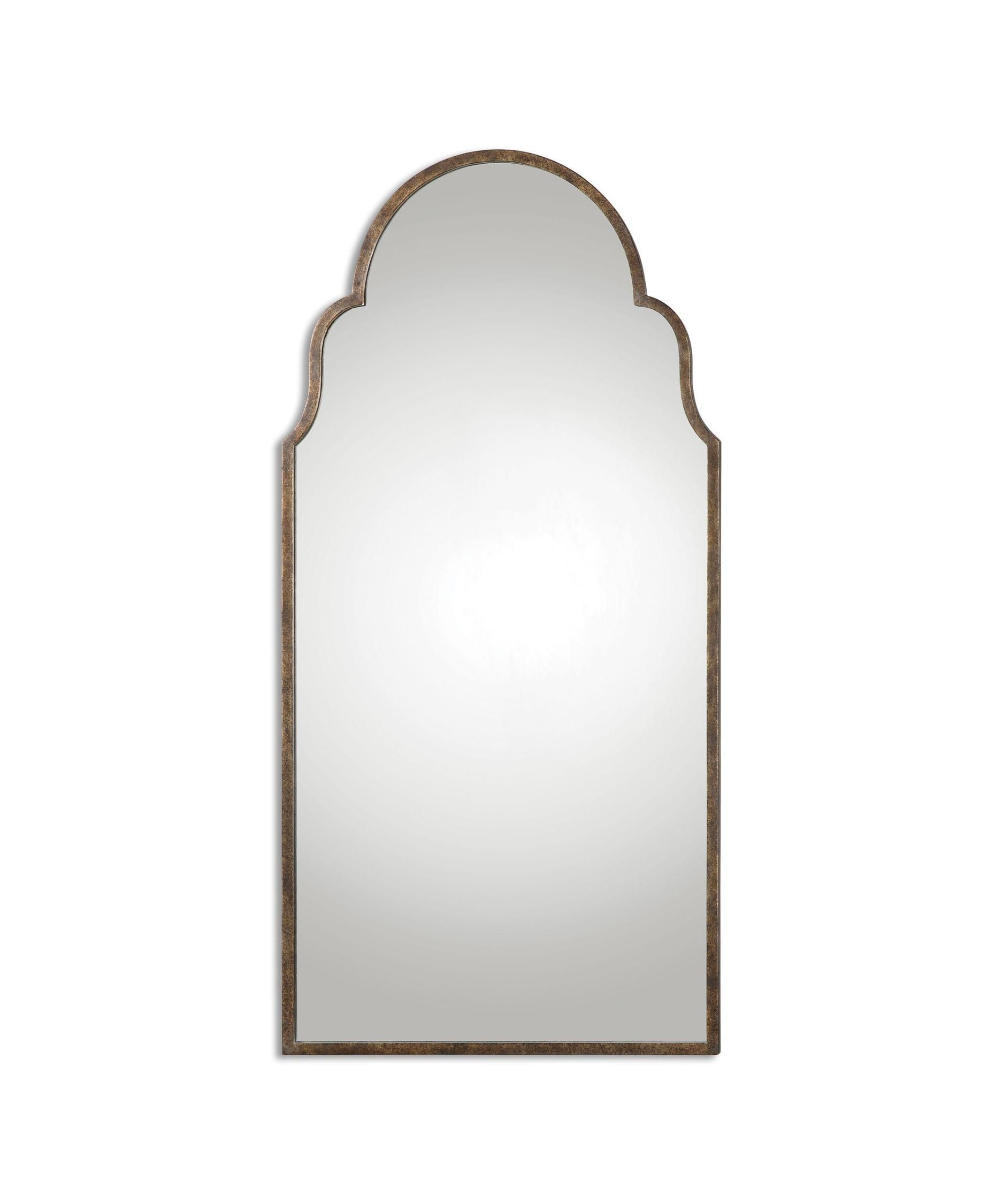
Beyond just making rooms feel bigger, mirrors are masters at manipulating light. In rooms that don’t get a lot of natural sunlight, a well-placed mirror can be a game-changer. Think about a north-facing room or a basement den; these areas can often feel a bit gloomy. A large mirror positioned opposite a window will capture that incoming light and bounce it back into the room, effectively amplifying the available brightness. It’s like having a passive light booster. The size of the mirror is critical here; a larger surface area will reflect more light. Even a smaller mirror can make a difference if it’s placed perfectly to catch the light from a lamp or overhead fixture. Consider the shape too. A mirror with a rounded top, for instance, might diffuse light softly, while a sharp, rectangular mirror could create more defined light patterns. The goal is to harness and redistribute the existing light to make the space feel more airy and welcoming. It’s a simple yet incredibly effective way to combat dimness and create a more cheerful atmosphere.
Mood and Ambiance: The Emotional Resonance of Mirror Size
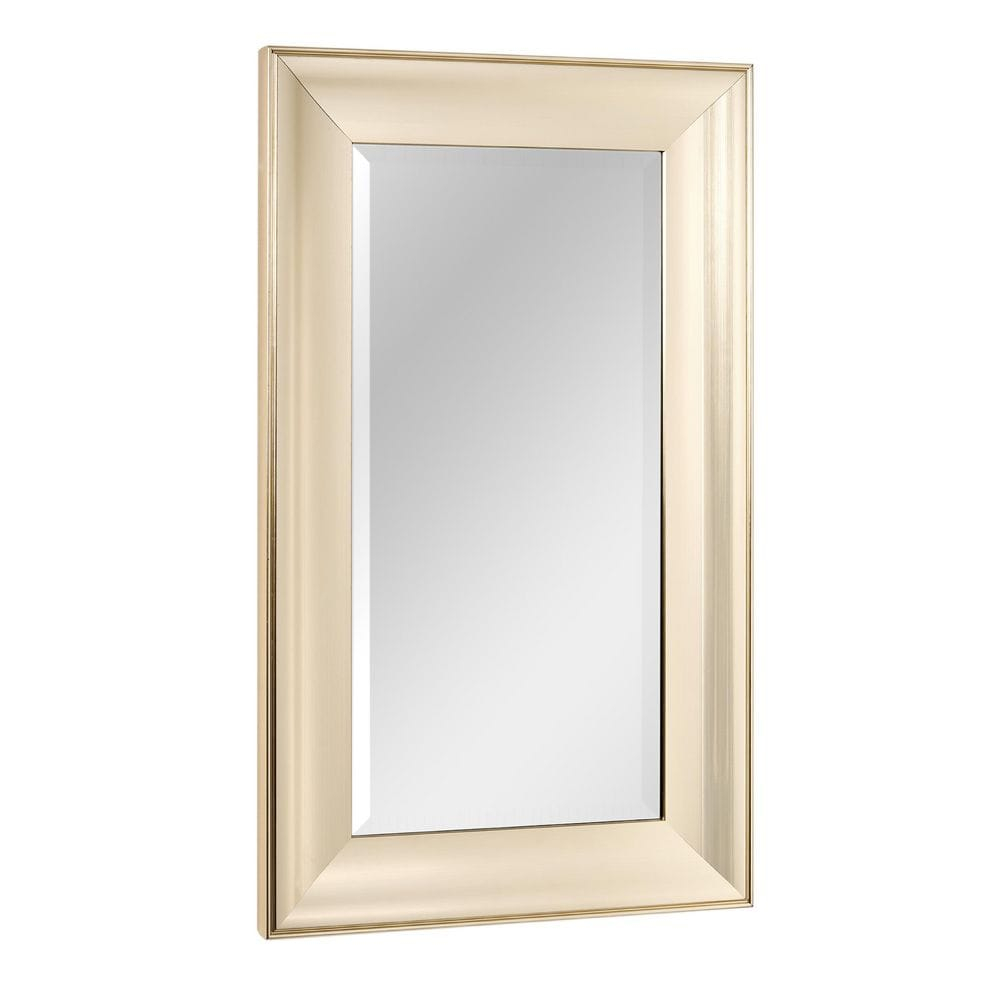
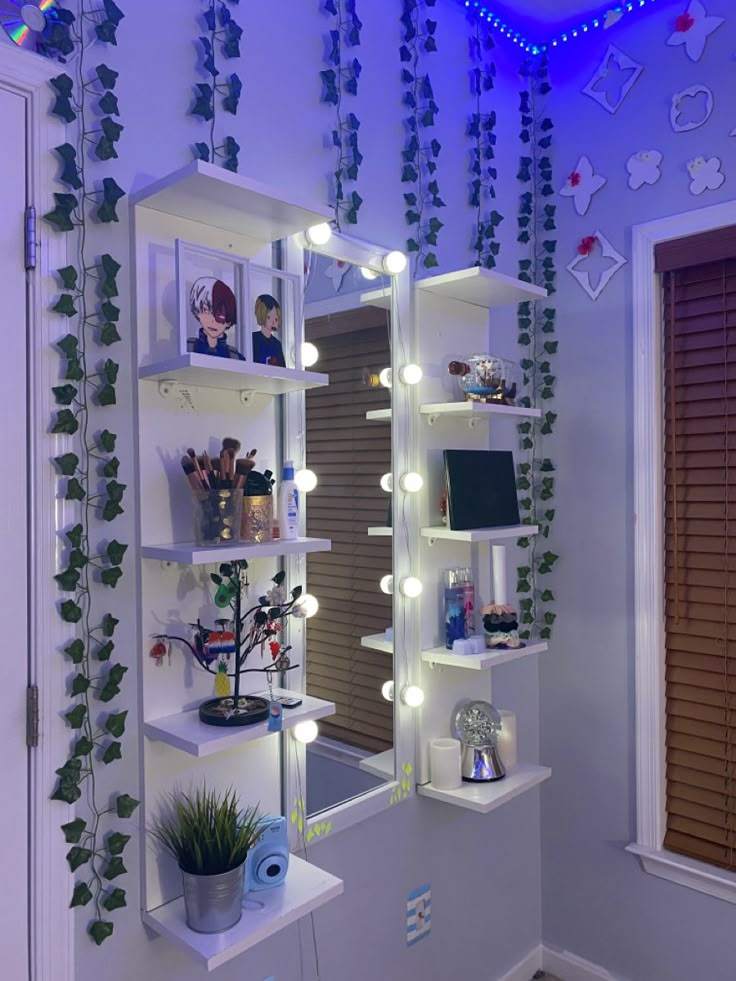
The dimensions of a mirror aren’t just about spatial perception; they also influence the mood and ambiance of a room. A very large, statement mirror can become a focal point, adding drama and a sense of grandeur. Think of an oversized, ornate mirror above a fireplace; it draws the eye and commands attention, contributing to a more sophisticated and perhaps even formal atmosphere. On the other hand, a collection of smaller mirrors, perhaps with interesting frames or arranged in a gallery style, can create a more eclectic and playful feel. They can add visual interest without overwhelming the space. The shape also plays a part. A tall, slender mirror might lend an air of elegance, while a wide, horizontally oriented mirror could create a sense of calm and stability. It’s about balancing the mirror’s presence with the desired emotional impact for the room. You want the mirror to contribute positively to the overall feeling, not detract from it.
Proportion and Balance: Finding the Right Fit
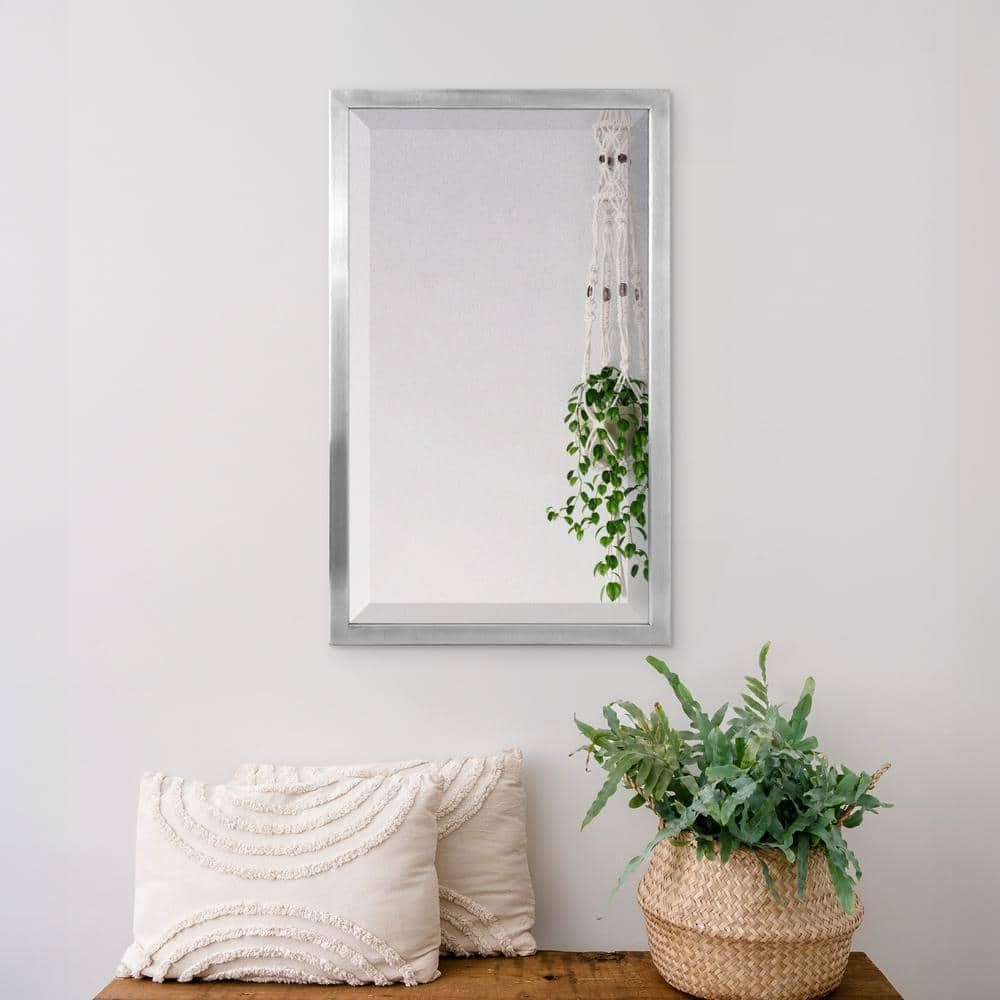
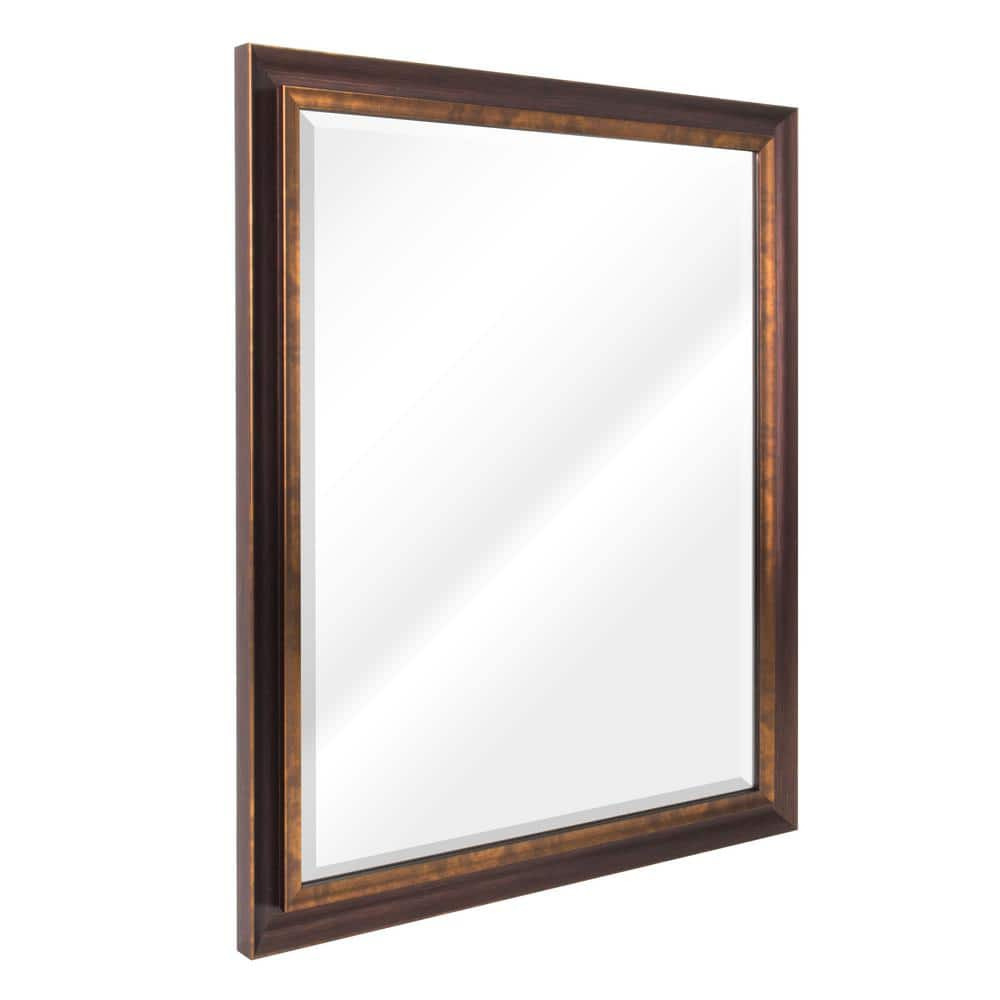
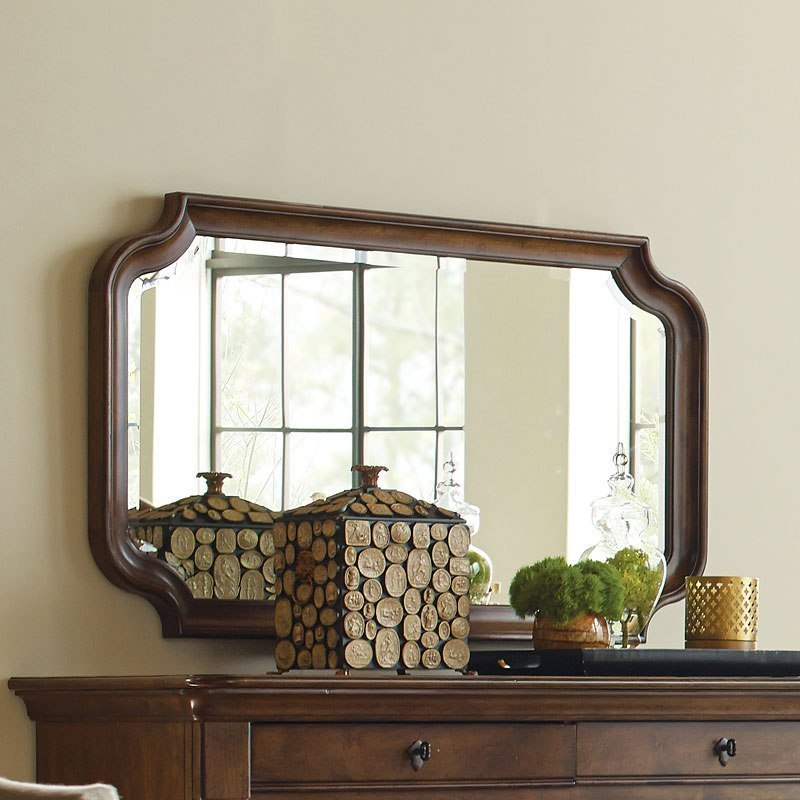
Just as a piece of furniture needs to be proportionate to the room it occupies, so too does a mirror. A huge mirror in a tiny room can feel overwhelming and out of place, making the space feel even smaller. Conversely, a minuscule mirror on a vast, empty wall can get lost, failing to make any meaningful impact. The key is to consider the scale of the wall and the furniture it’s interacting with. For a large sofa, a mirror that’s about two-thirds the width of the sofa often works well, hung at eye level. Above a console table or dresser, the mirror should generally be narrower than the furniture. Think about the visual weight. A mirror with a thick, dark frame will have more visual weight than a frameless mirror or one with a thin, light-colored frame. These details matter when you’re aiming for harmony and balance in your decor. It’s about creating a conversation between the mirror and its surroundings, not a competition.
The Psychology of Self-Perception: How Mirrors Affect Us Personally
Mirrors also have a direct psychological impact on how we see ourselves. When you glance at a mirror, what you see – and how much of you you see – can influence your mood and self-esteem. A full-length mirror, for instance, allows for a complete view of your body. Seeing yourself from head to toe can be empowering if you’re feeling confident, or it can be a source of anxiety if you’re feeling self-conscious. The size and clarity of the mirror matter. A distorted reflection can be unnerving, while a clear, well-lit reflection can be more reassuring. In a dressing room or bedroom, the presence and size of a mirror can subtly affect how you prepare for the day or unwind in the evening. It’s a personal interaction, and the dimensions contribute to that experience. Consider a mirror in a hallway – it’s often a quick, functional check, less about deep introspection and more about a final touch-up before heading out. The context of where the mirror is placed influences its psychological effect on us.
Practical Tips for Choosing and Placing Your Mirrors
So, how do you translate this understanding into practice? Here are a few pointers:
- Measure your space: Before you buy, measure the wall and consider the surrounding furniture. Hold up a piece of cardboard cut to the mirror’s size to get a feel for its scale.
- Consider the reflection: What will the mirror be reflecting? Aim for reflections of light sources (windows, lamps) or visually appealing elements.
- Think about function: Is it for light and space enhancement, a decorative focal point, or a functional dressing mirror?
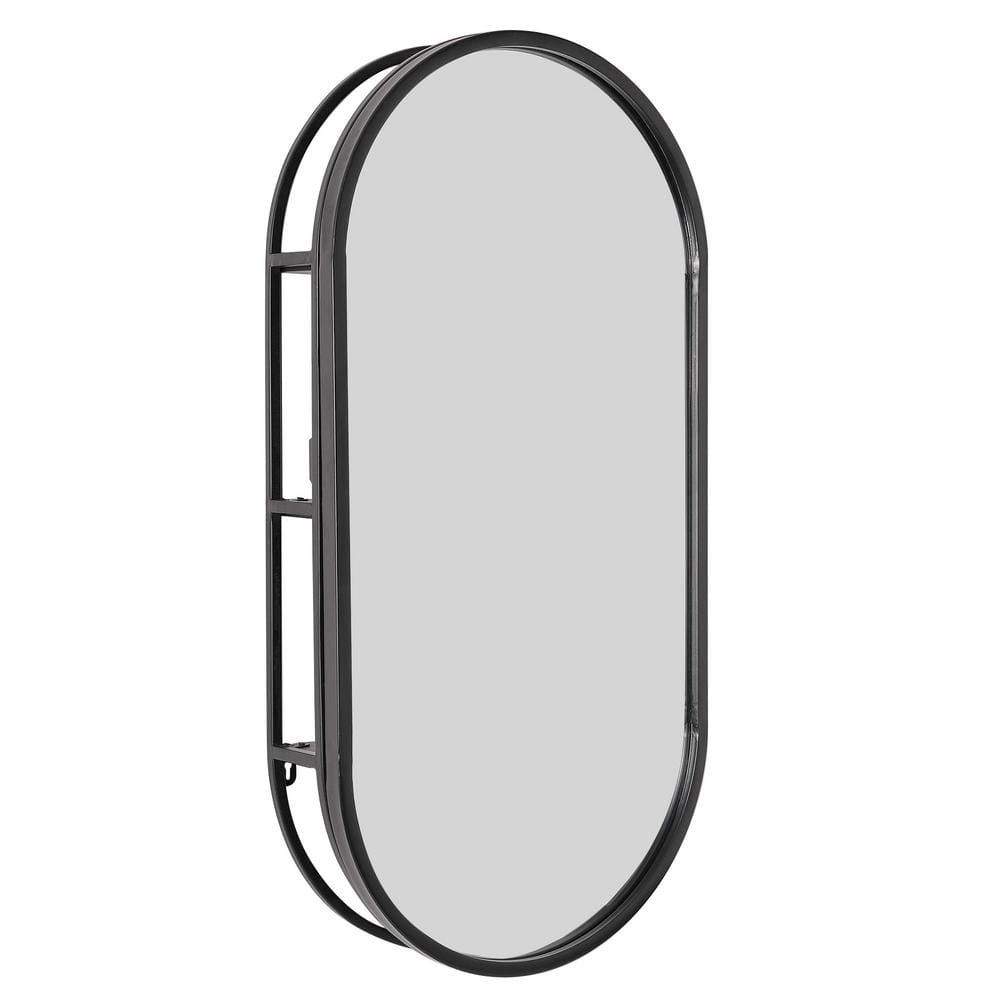
- Play with shapes: Don’t be afraid to experiment with different shapes – round, oval, rectangular, or even abstract designs – to see what best suits your aesthetic and the room’s needs.
- Hang at the right height: Generally, the center of the mirror should be at eye level (around 57-60 inches from the floor). For mirrors above furniture, ensure there’s a comfortable gap, usually 6-10 inches, between the mirror and the furniture.
- Don’t overdo it: Too many mirrors can create a disorienting effect. Choose strategically placed pieces that enhance, rather than clutter, the room.
It’s clear that the dimensions of a wall mirror are far more than just a measurement; they are a powerful design element with significant psychological implications. From expanding perceived space and amplifying light to shaping our mood and even influencing our self-perception, mirrors are active participants in our environment. By thoughtfully considering the size, shape, and placement of mirrors, you can harness their potential to create more beautiful, functional, and psychologically resonant living spaces. So next time you’re thinking about decorating, remember the profound impact that the humble mirror’s dimensions can have. It’s a simple change that can make a world of difference.
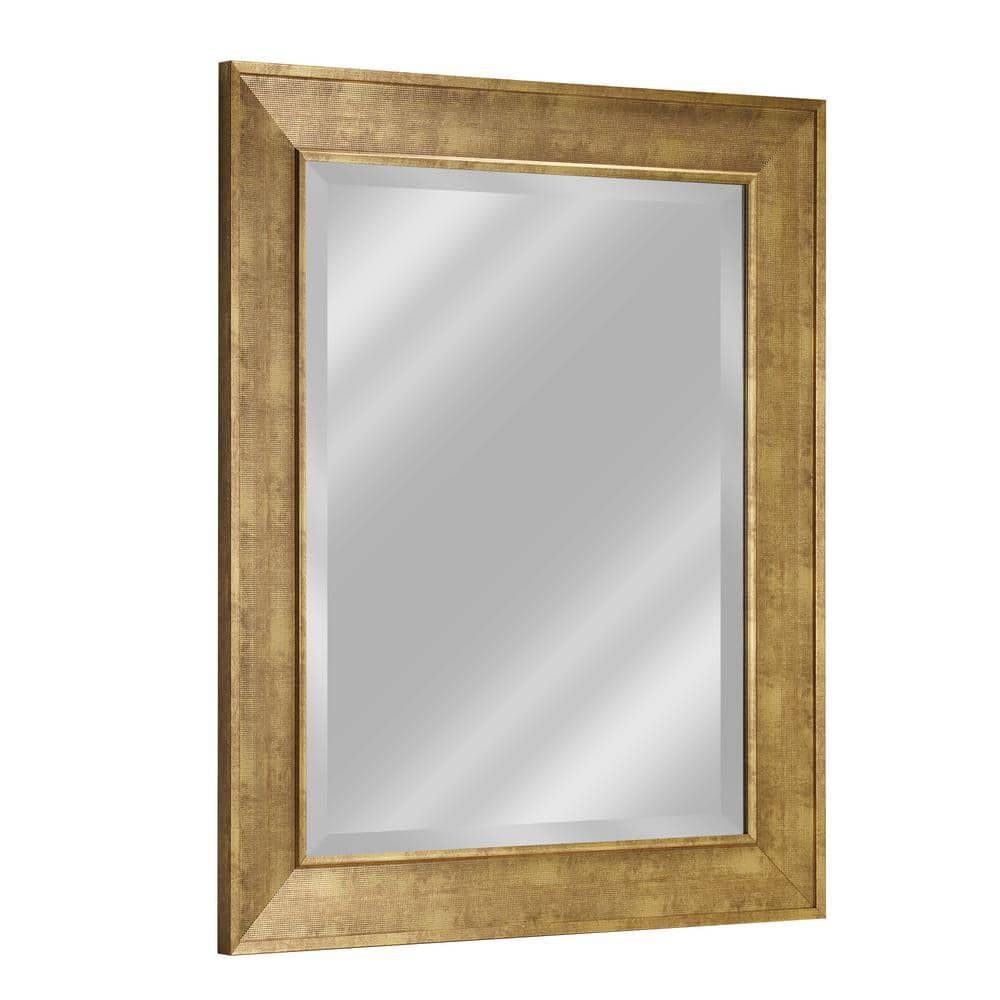
[sps_html tag=”img” src=”https://cdn.theartssection.com/wp-content/uploads/2025/08/amazon-com-head-west-chrome-pave-textured-beveled-framed-wall-mounted-within-understanding-the-dimensions-of-your-head-west-wall-mirror.jpg” alt=”Amazon.com: Head West Chrome Pave Textured Beveled Framed Wall Mounted … within Understanding the Dimensions of Your Head West Wall Mirror” style=”width: 100%; height: auto;”]
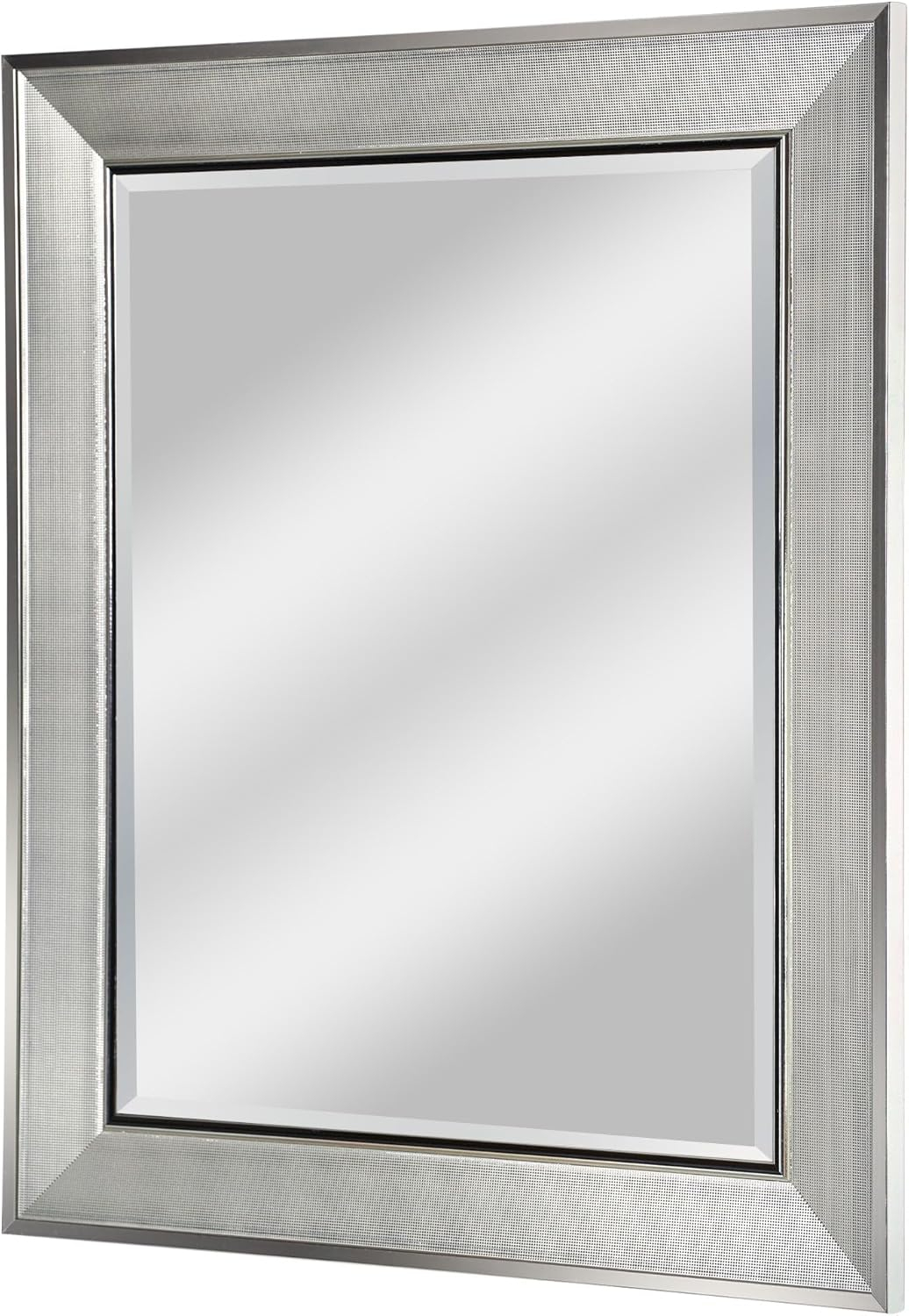
[sps_html tag=”img” src=”https://cdn.theartssection.com/wp-content/uploads/2025/08/head-west-18-in-x-29-5-in-traditional-brushed-nickel-framed-wall-in.jpg” alt=”Head West 18 In. X 29.5 In. Traditional Brushed Nickel Framed Wall … in” style=”width: 100%; height: auto;”]
[sps_html tag=”img” src=”https://cdn.theartssection.com/wp-content/uploads/2025/08/amazon-com-head-west-beaded-silver-beveled-round-mirror-bathroom-with-regard-to.jpg” alt=”Amazon.com: Head West Beaded Silver Beveled Round Mirror, Bathroom … with regard to” style=”width: 100%; height: auto;”]
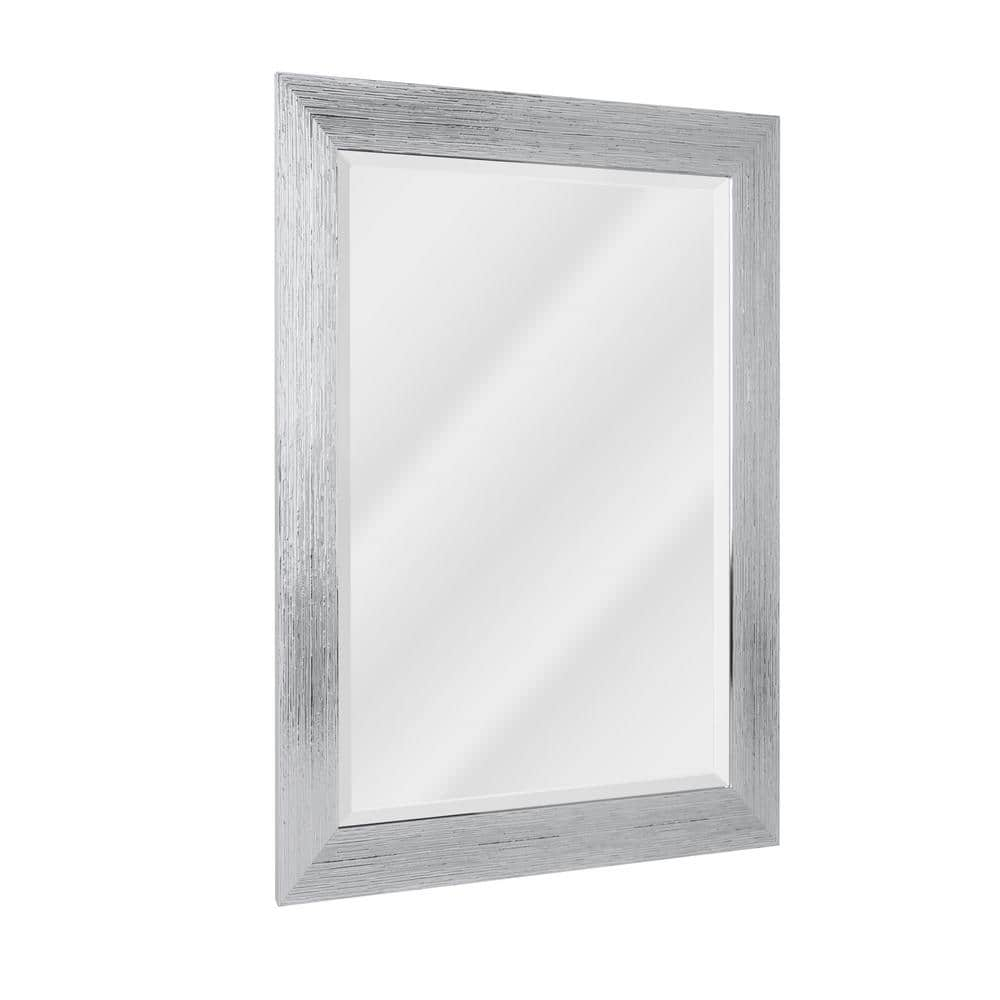
[sps_html tag=”img” src=”https://cdn.theartssection.com/wp-content/uploads/2025/08/head-west-17-in-x-29-in-chrome-textured-frame-accent-wall-mirror-intended-for.jpg” alt=”Head West 17 In. X 29 In. Chrome Textured Frame Accent Wall Mirror … intended for” style=”width: 100%; height: auto;”]
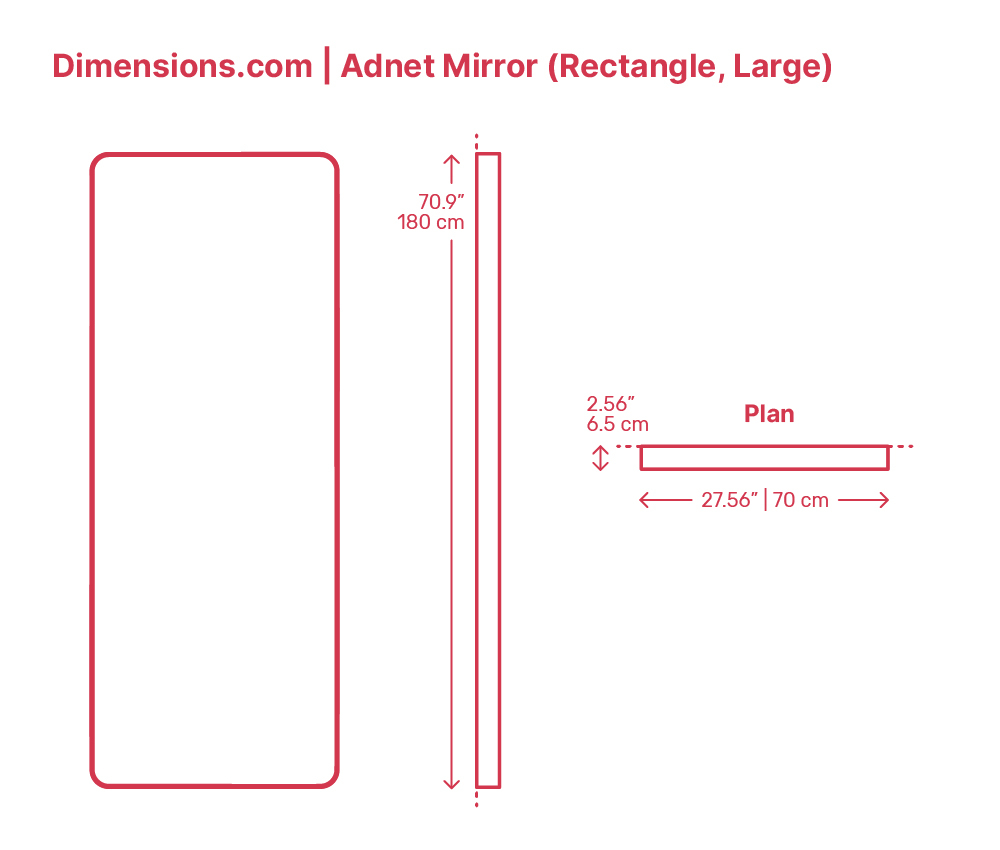
[sps_html tag=”img” src=”https://cdn.theartssection.com/wp-content/uploads/2025/08/wall-mirrors-dimensions-amp-drawings-dimensions-com-pertaining-to-understanding-the-dimensions-of-your-head-west-wall-mirror.jpg” alt=”Wall Mirrors Dimensions &Amp; Drawings | Dimensions.com pertaining to Understanding the Dimensions of Your Head West Wall Mirror” style=”width: 100%; height: auto;”]