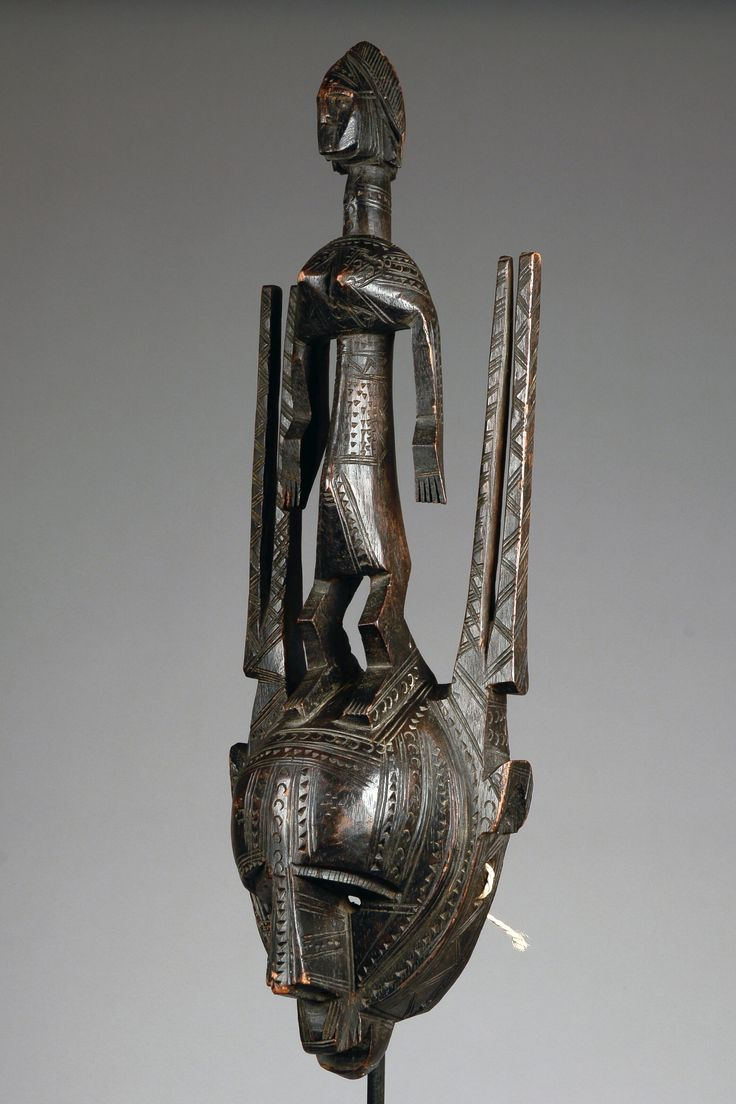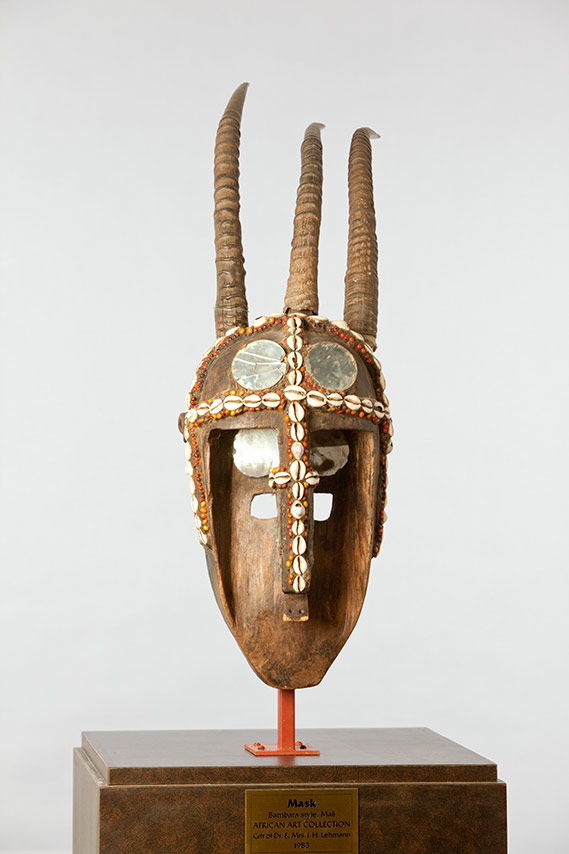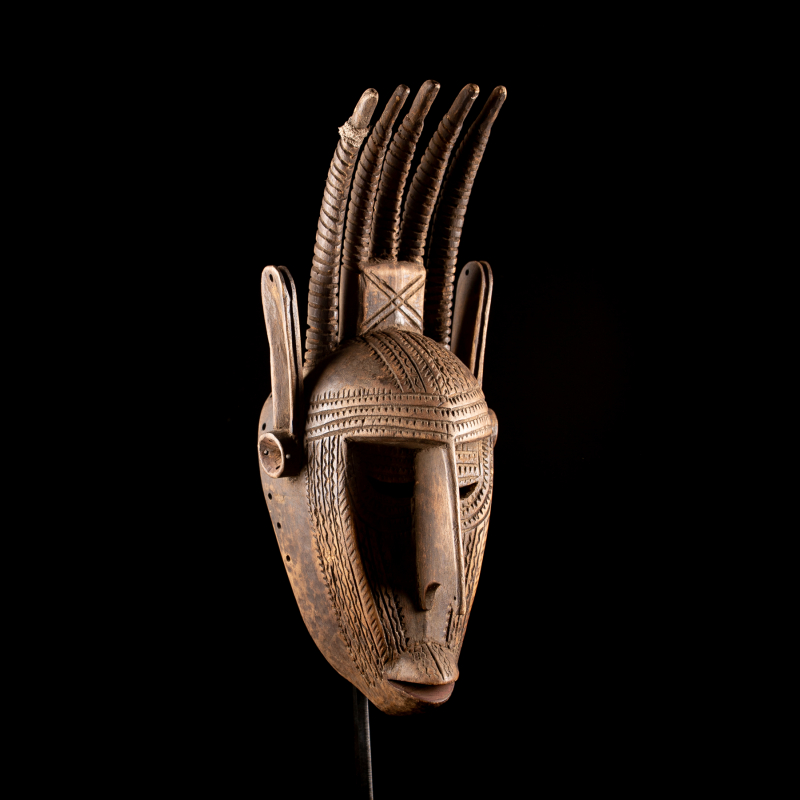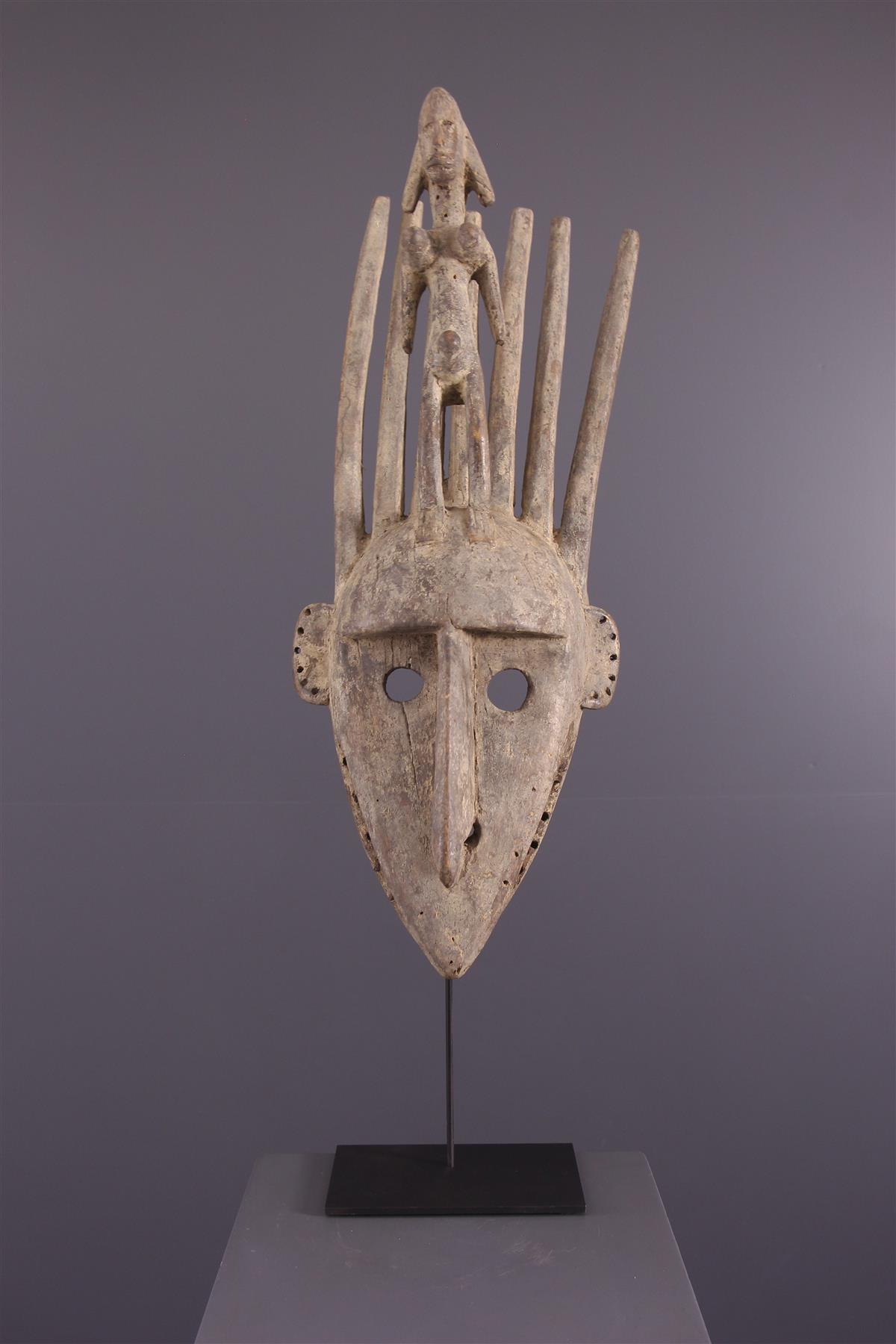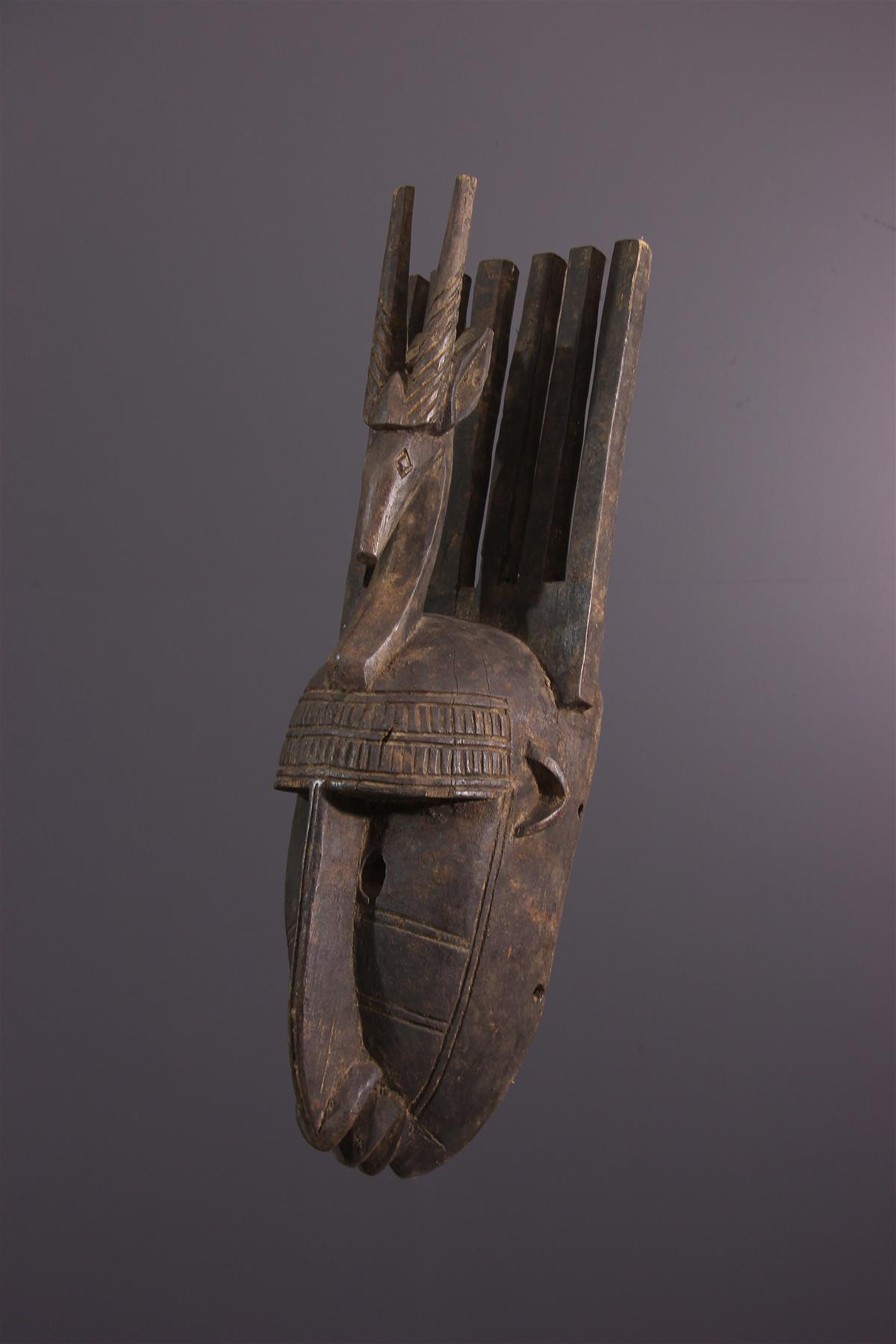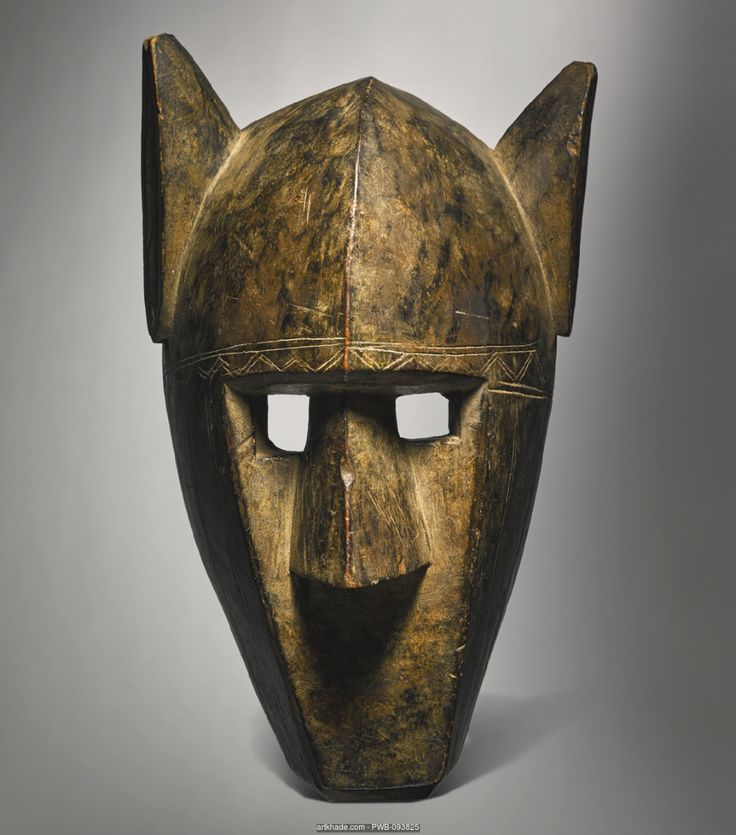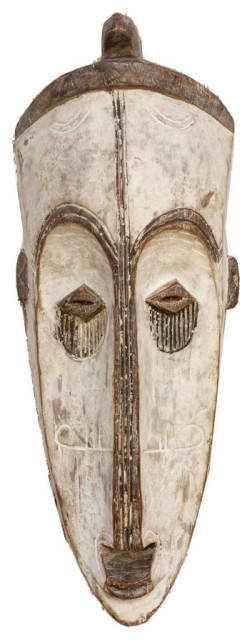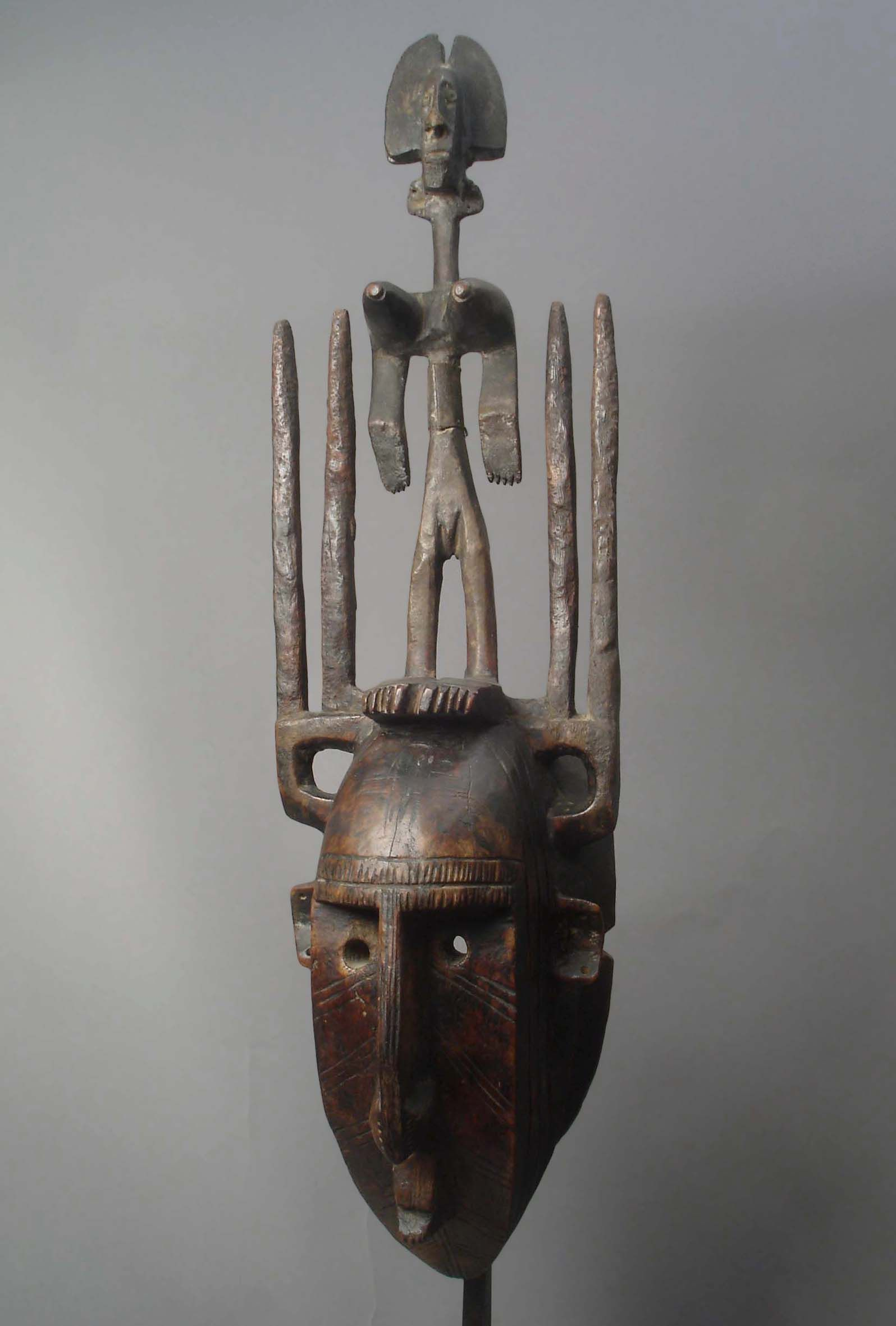
Have you ever stared at a piece of old art and just wondered who held the tools? When the famous Marka Bamana Mask 3 hit the consignment block recently, folks were losing their minds. It was early 2026 and the bidding was fierce. But before the gavel fell, I spent hours looking at the thing. Not as a price tag, but as a puzzle. Who made this? How did they bend the metal without it cracking?
It is not just a hunk of carved timber and shiny metal. It is a story. Let’s talk about how these village makers actually put it together, far away from the bright lights of the auction house.
Finding the Perfect Tree
You don’t just walk into the bush and chop down the first thing you see. That’s not how it works in West Africa. The carvers have this deep tradtion of asking the forest for permission before they take anything. They look for heavy, dense wood. Something that won’t get eaten by bugs or rot away in the rainy season.
For Mask 3, they likely used a local hardwood that takes forever to dry. It’s a waiting game. You cut it, and then you wait. The moisture has to leave the wood slowly so it doesn’t split down the middle later on. If you rush this part, the whole thing is ruined before you even pick up a chisel.
Hacking Away the Excess
People think these makers use tiny, delicate knives to shape the face. Nope. They start with heavy adzes and machetes. It’s a full-body workout. They swing and chop, getting the basic shape of the long face and the tall crest on top.
It’s loud. Wood chips fly everywhere and the smell of fresh sap fills the air. The facsinating part is how they know when to stop chopping and start scraping. They just feel it in their arms. Sometimes they just sit and stare at the block for a long time before making the next cut, listening to the wind or talking to a neighbor.
Wrapping It in Sunlight
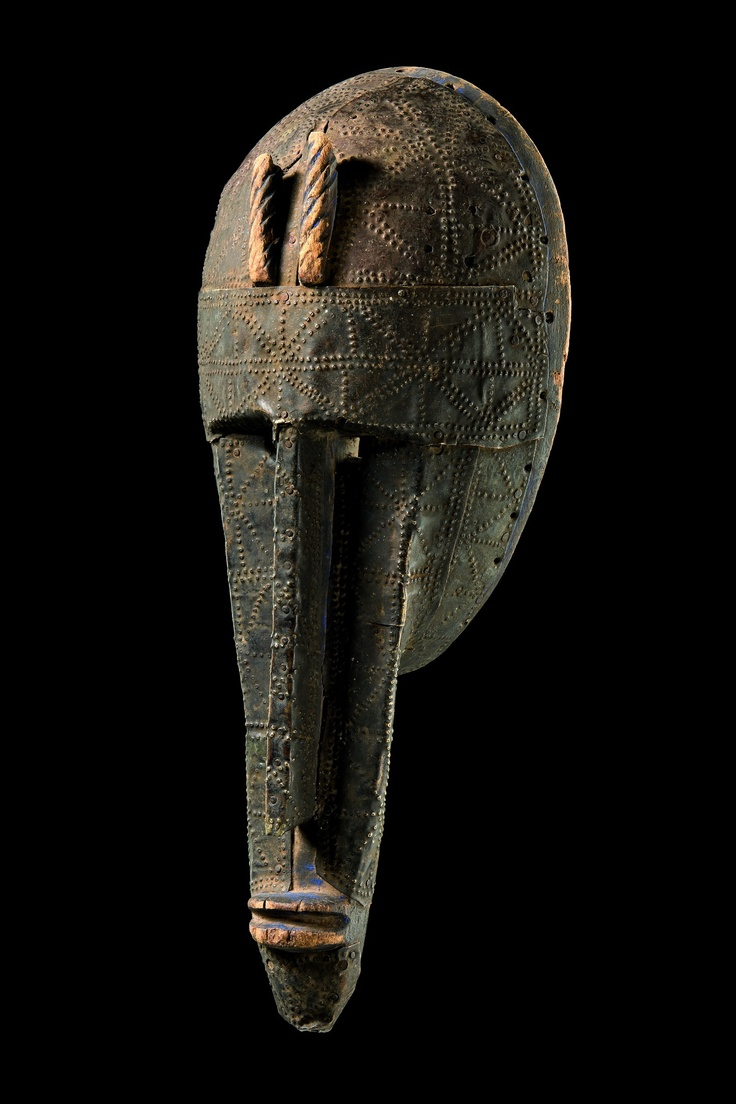
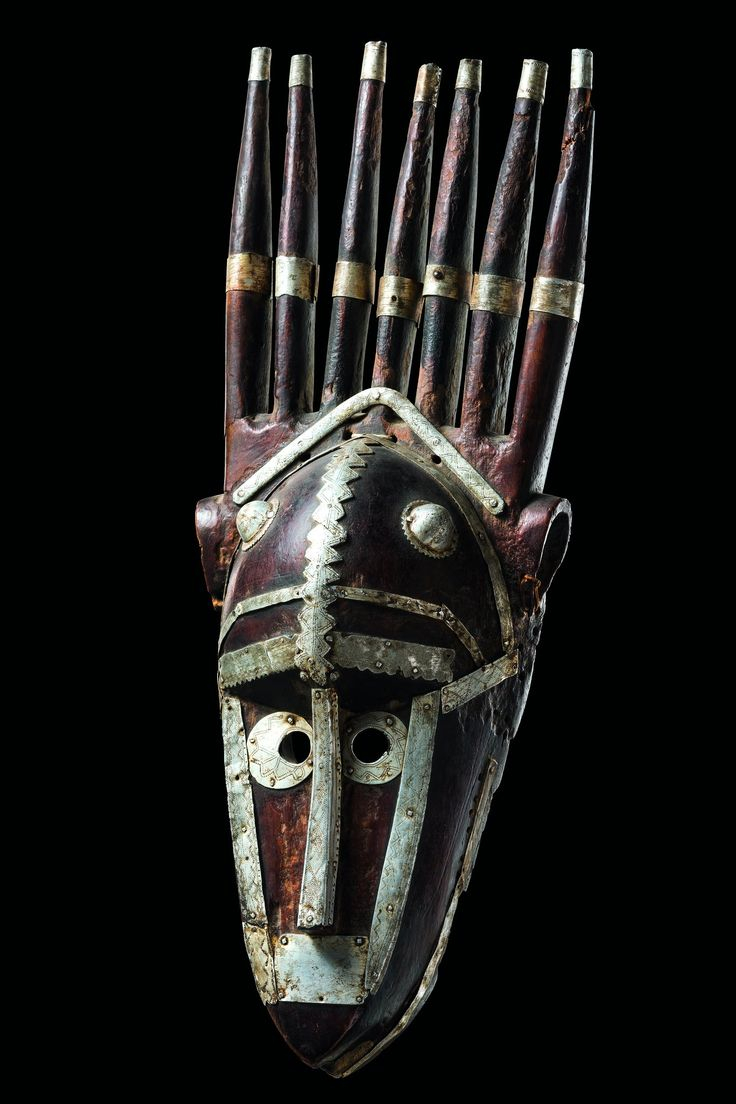
This is where the Marka style really shines. They take thin sheets of brass and cut them into little strips with hand shears. Then they hammer them right onto the wood. Mask 3 has these incredible geometric patterns made from overlapping metal that catch the light beautifully.
They use tiny little tacks to hold it down. It takes days just to cover the face. Sometimes your hands cramp up and you have to rest. I remember drinking terrible coffee while looking at the brass under a bright gallery lamp, trying to see the hammer marks. My own hands were shaking a bit from the caffeine, which just made me appreciate their steady grip even more.
Giving It Eyes and a Mouth
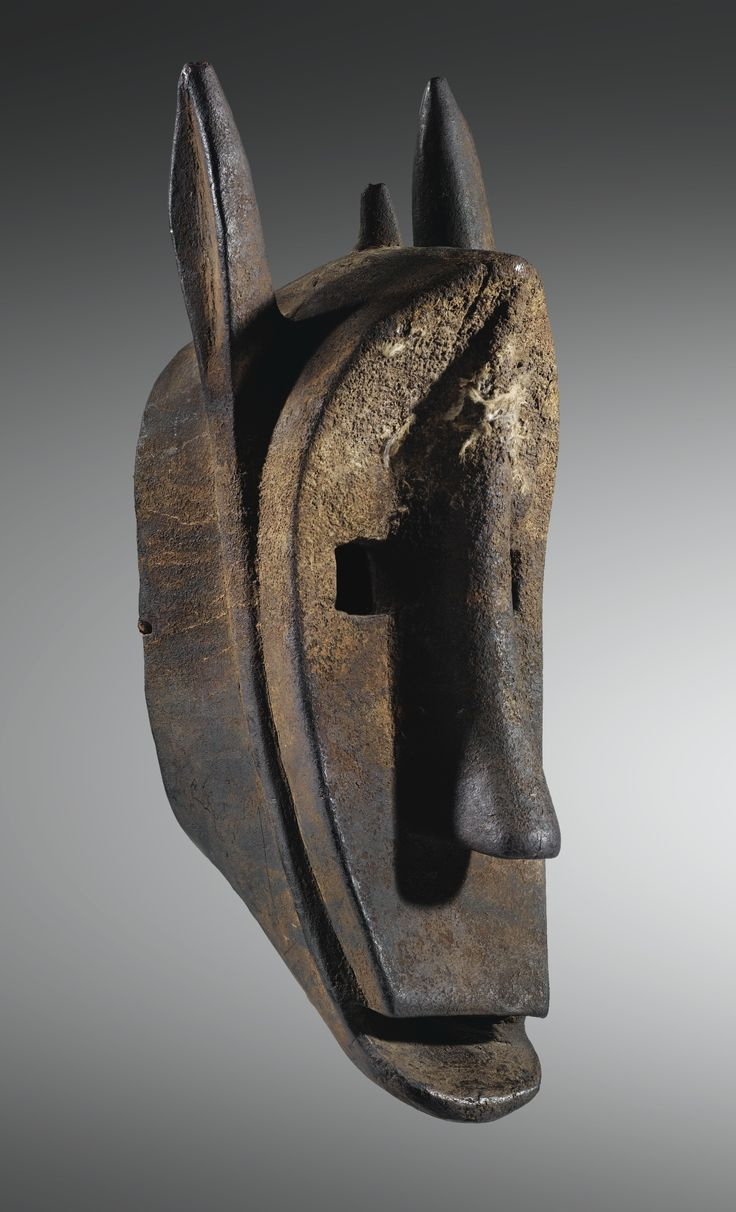
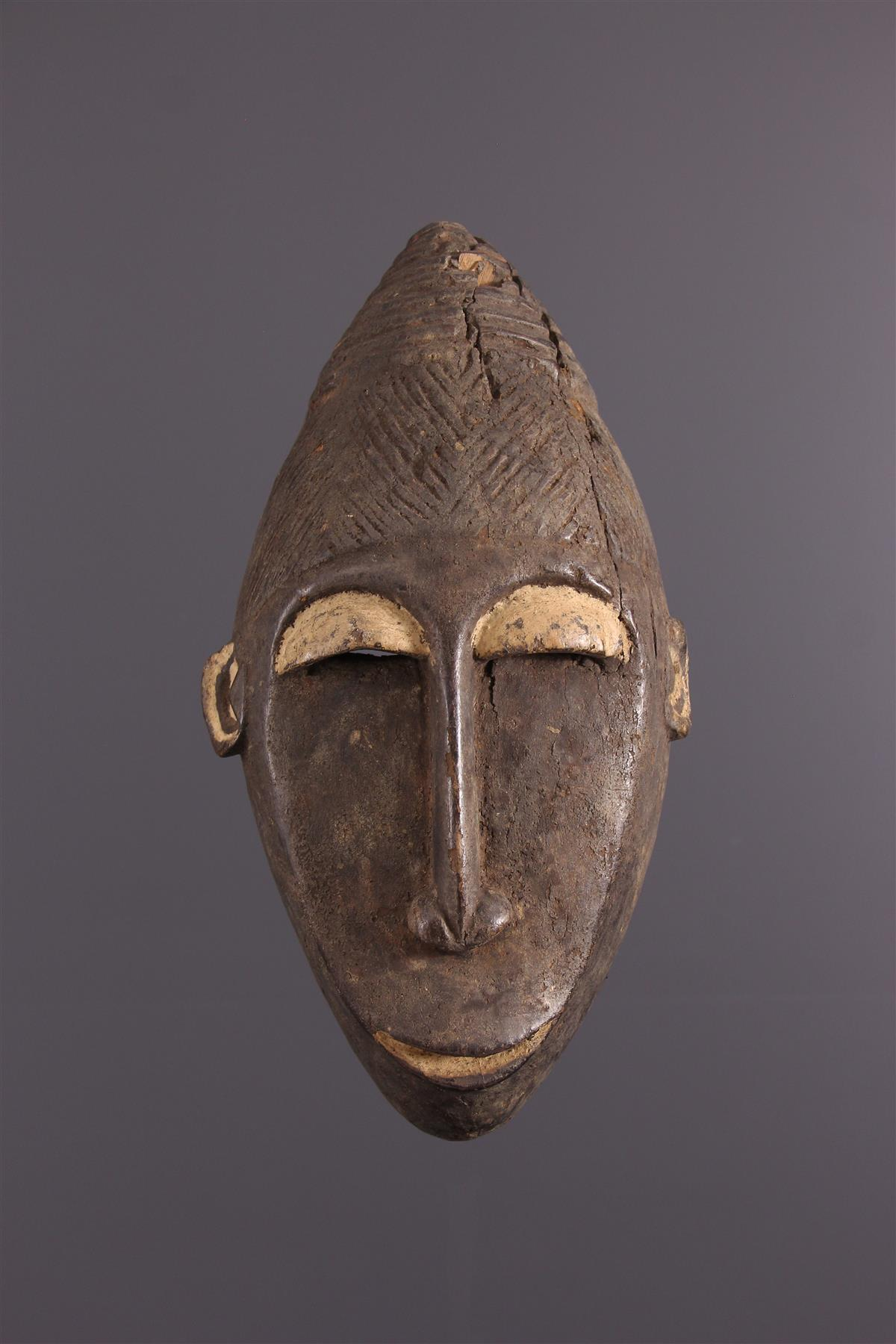
The face needs to look back at you. The artisans carved deep, narrow slit eyes. They did this so the dancer could actually see out of the mask while wearing it during ceremonies. Smart, right.
They also added a sharp nose and a small mouth. The carver who worked on Mask 3 recieved a lot of praise for the symmetry. Both sides match up almost perfectly. It takes a very steady hand to carve those straight lines without slipping and ruining the expression.
Letting Time Do Its Thing
A brand new mask is bright and flashy. But this one isn’t. It has a thick, dark crust. That comes from years of use. Palm oil, smoke from fires, and ritual drinks poured over it during long nights of dancing.
The appraisers in 2026 went wild for that surface. You can’t fake that kind of age. Well, some people try, but it always looks a bit flat. This crust tells you the mask was actually lived in, not just sitting on a shelf. The wood & metal blend together into one dark, heavy object over the decades.
It’s a bit sad, honestly. These things were made for village life, not glass cases in New York or Paris. Mask 3 probably sat in a shrine for decades before changing hands. Maybe the family needed money. Maybe the old rituals changed and the mask wasn’t needed anymore.
Now it’s a consigned item. It makes you think about the sculptin process as a living thing that eventually gets frozen in time. It leaves the dusty roads of Mali and ends up in a quiet, climate-controlled room where people whisper when they talk.
At the end of the day, this mask is a beautful piece of history. It carries the sweat of the carver and the prayers of the village.
When you look at it, try to see the hands that shaped it. It is a bridge to a world we are quickly losing, held together by brass tacks and old wood.