Stand in the center of a newly renovated living room where contemporary minimalism clashes with an undeniable craving for soul, and you will notice a peculiar empty space. It is that vast vertical expanse above a velvet sofa or flanking an arched entryway that refuses to be ignored. Interior architects working in design hubs across the country have watched client preferences shift sharply away from sterile, mass-produced canvas prints toward objects with tactile weight, narrative depth, and historical nods. This exact tension birthed the rising obsession with statement-making architectural ornaments, specifically specialized sculptural wall reliefs that command a room without overwhelming it.
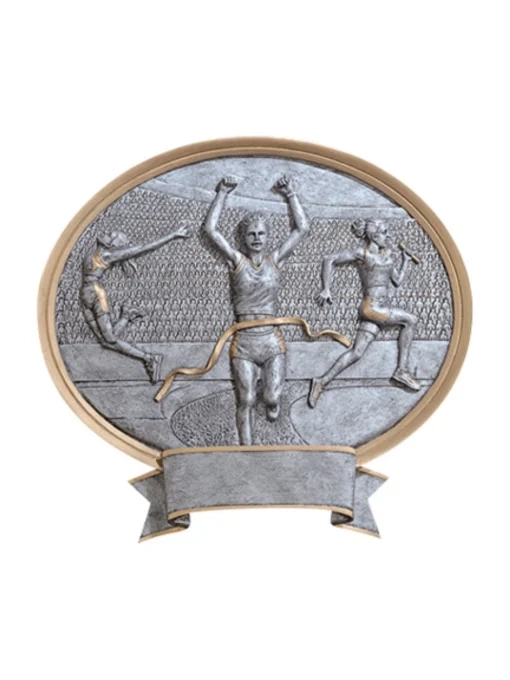
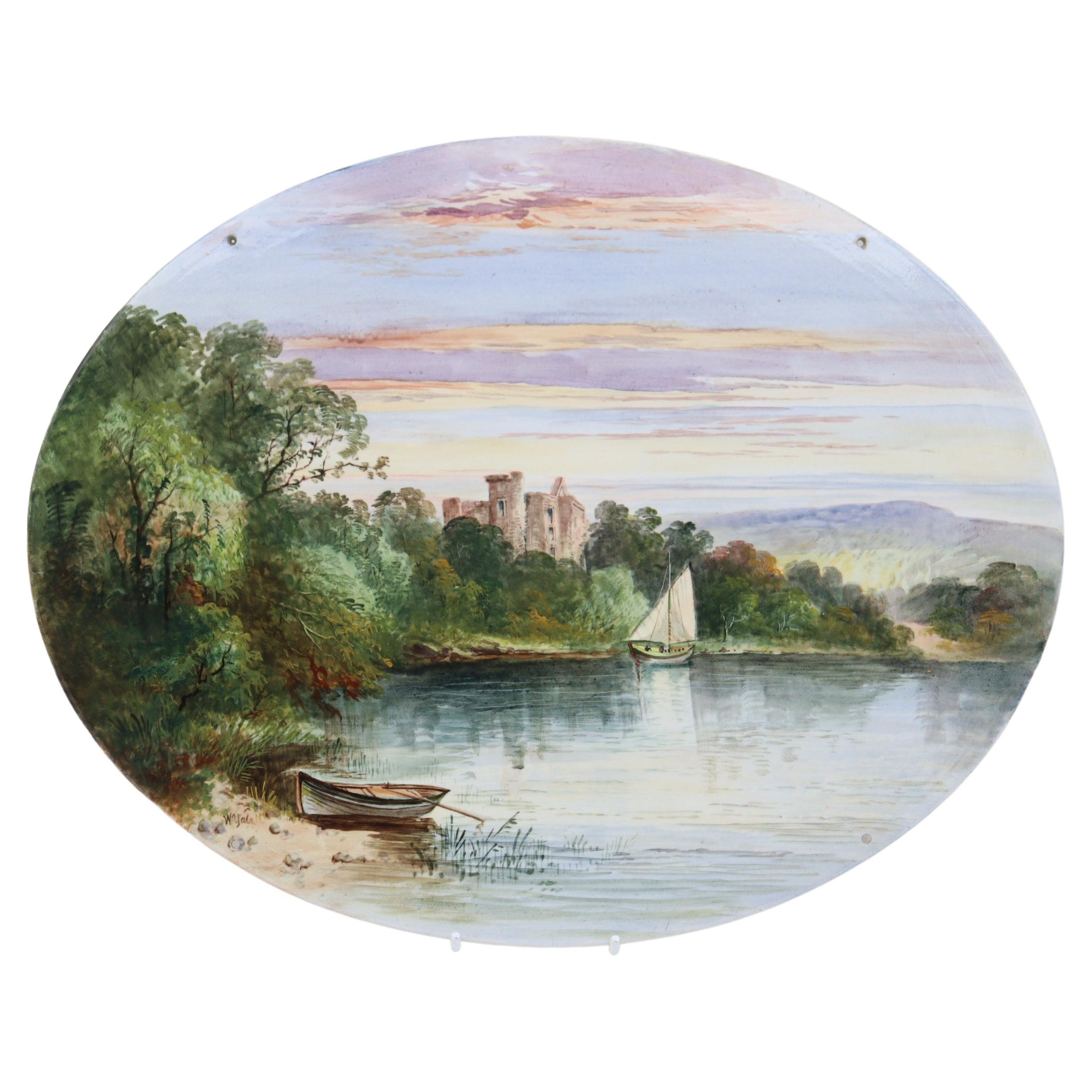
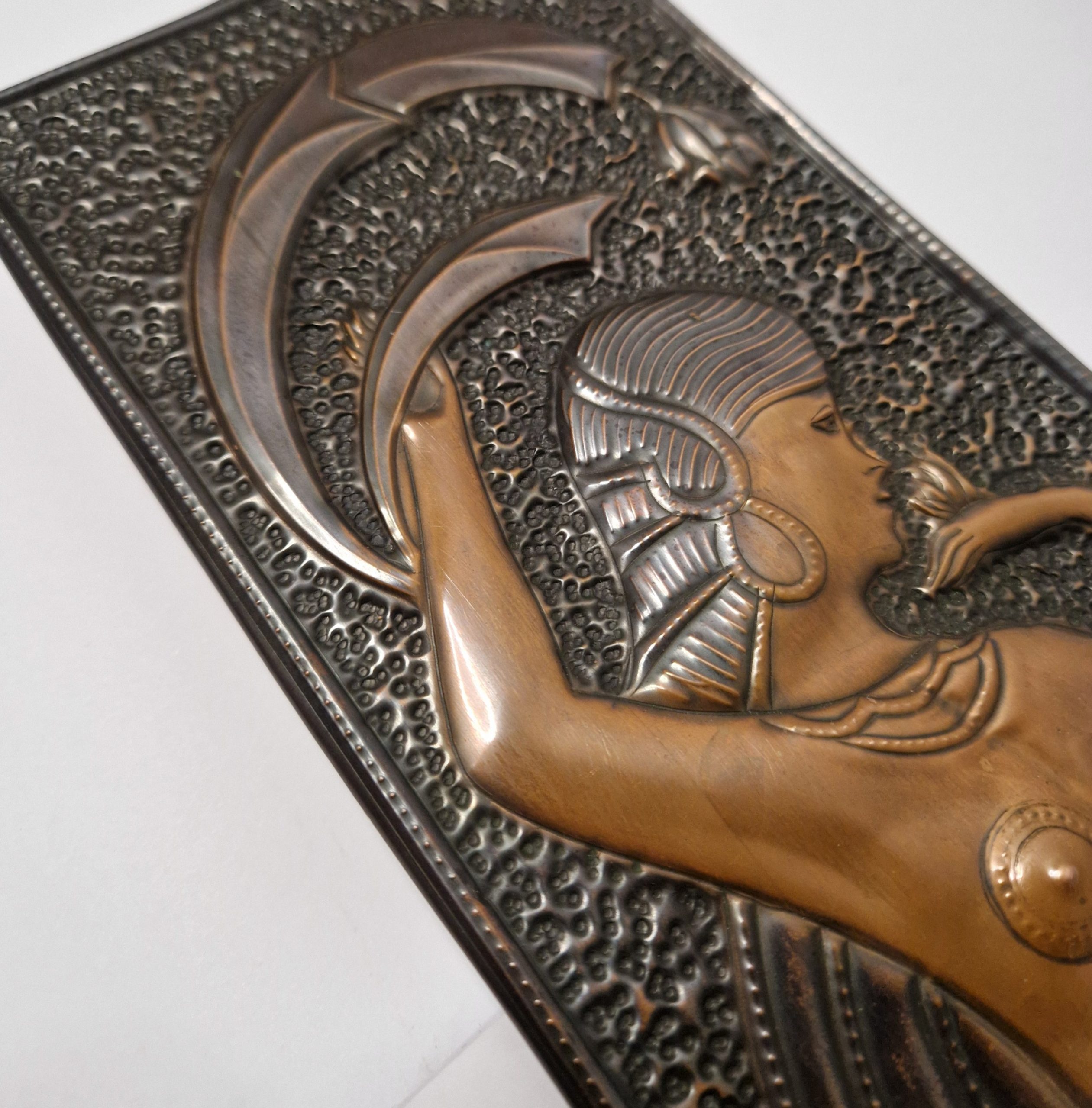
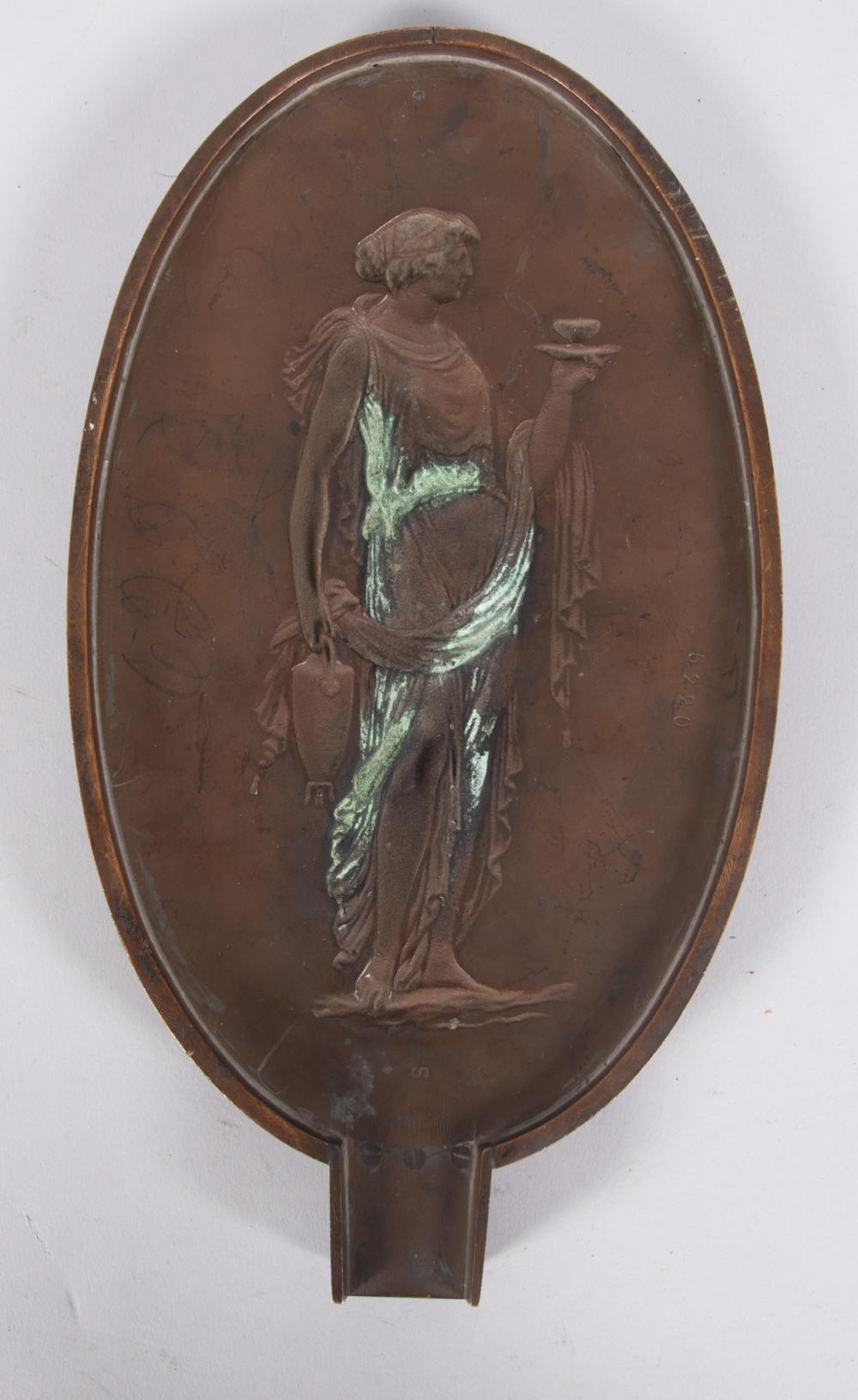
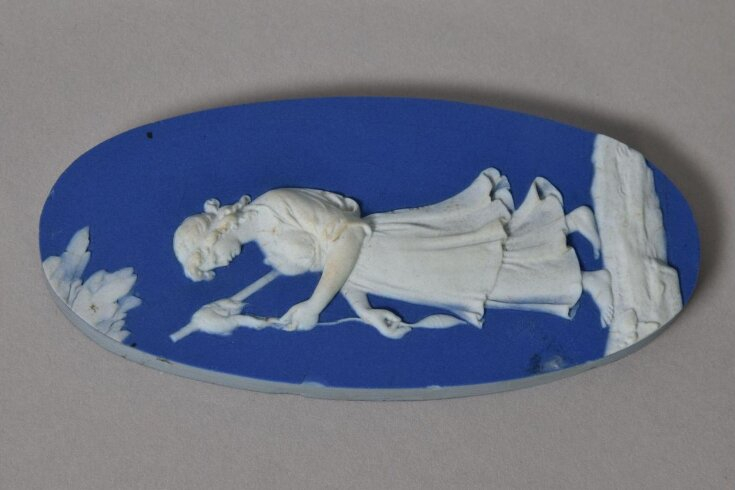
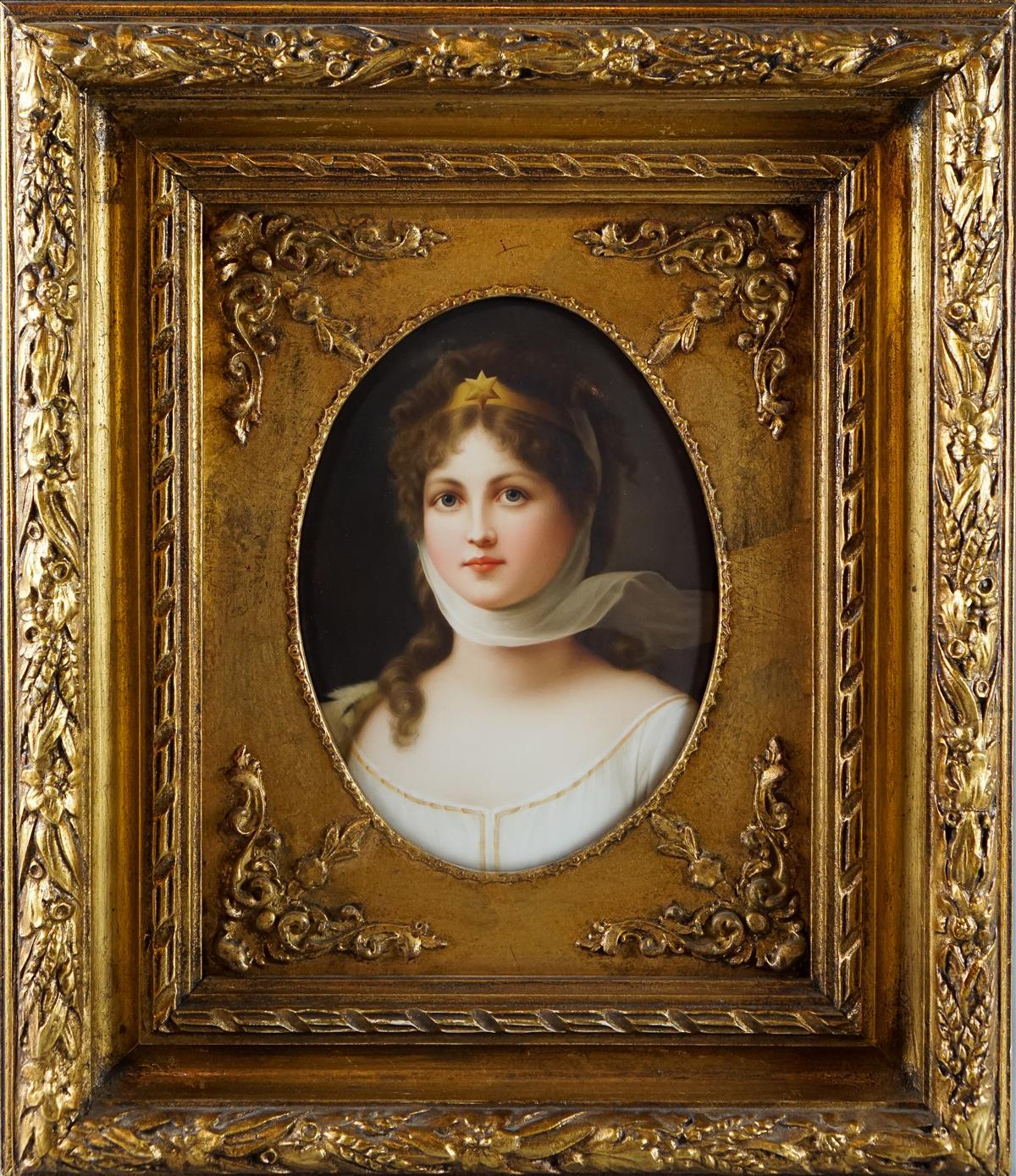
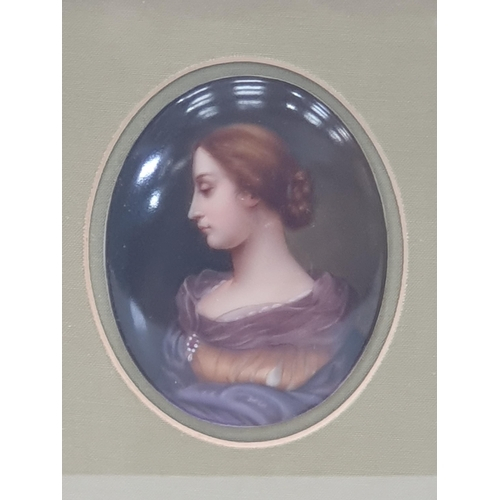
Enter the distinct world of the oval plaque female 32 wall decor, a piece that has quietly transformed from an obscure niche collectible into a cornerstone of elevated residential styling. At first glance, the numerical designation might read like an esoteric inventory code from a factory floor, but to seasoned interior stylists and antique curators, "32" signals a very specific physical scale—roughly thirty-two inches of commanding vertical or horizontal presence—designed to anchor a room’s visual gravity. The oval format itself breaks away from the rigid boxiness of modern architecture, introducing organic curves that soften hard interior lines, while the female sculptural motif invokes centuries of classical portraiture reimagined for modern dwellings.
To understand why this specific decorative object captures such immense fascination requires moving past surface aesthetics and examining the intersection of material science, artistic lineage, and spatial psychology. Walk into any high-end design showroom in 2026, and you will find that buyers no longer purchase decor merely to fill empty drywall; they curate objects that tell a story of production, heritage, and physical craft. This comprehensive guide peels back the layers of design, manufacturing, and curation surrounding these striking sculptural plaques, giving you the exact vocabulary and practical framework needed to source, style, and preserve them with absolute confidence.
The Anatomy of Classical Form Meets Modern Wall Architecture
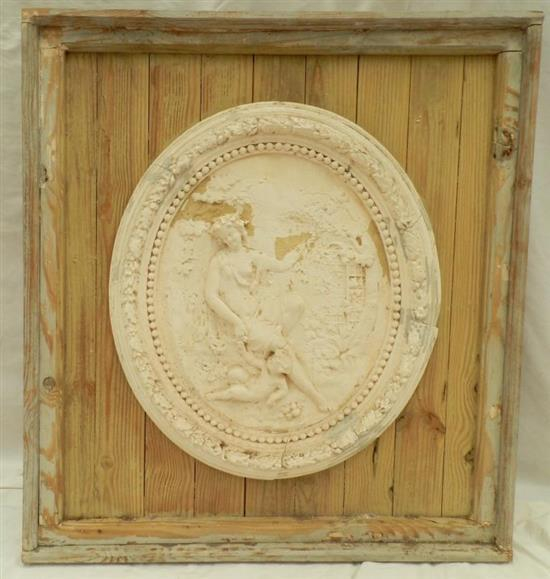
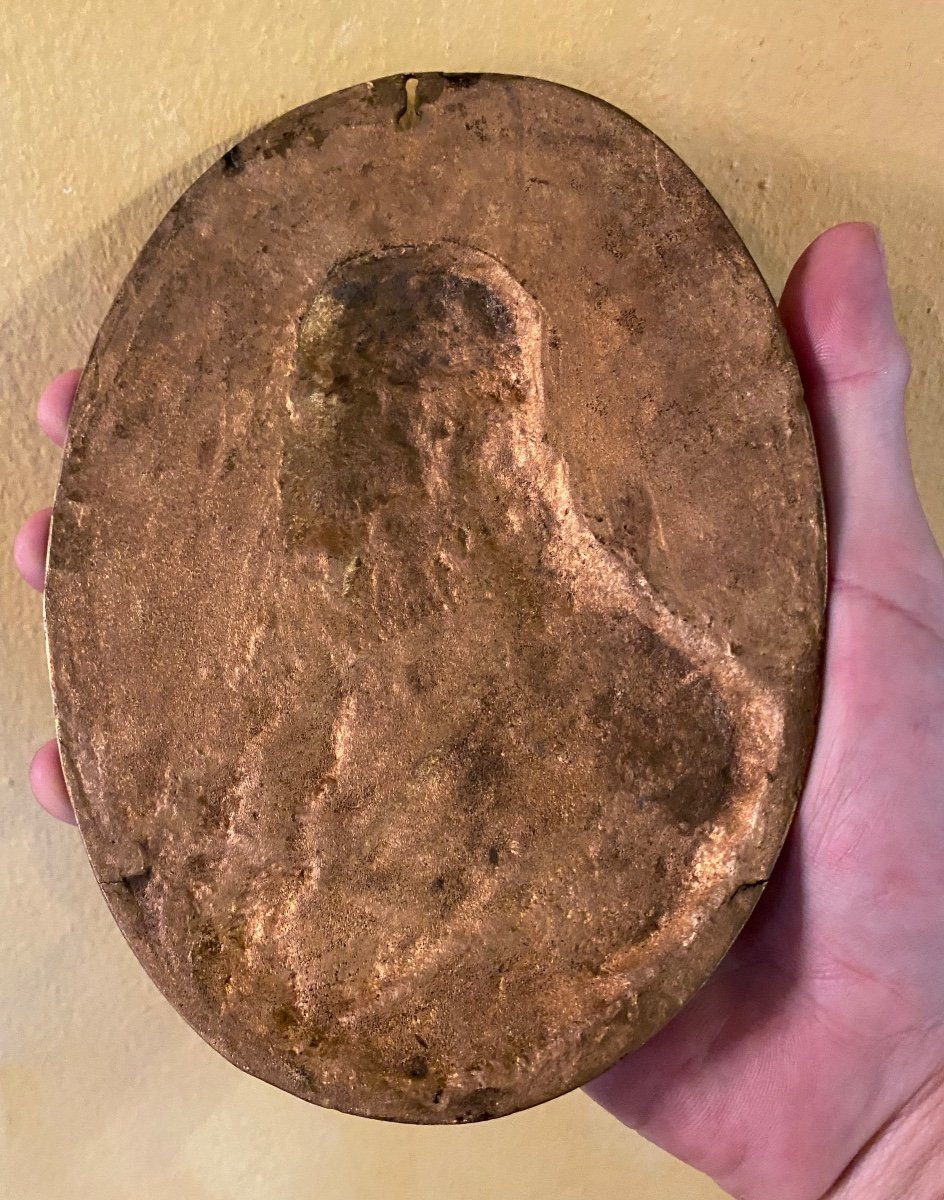
The physical architecture of a high-end sculptural wall piece relies on a careful dialogue between geometry and human form. An oval frame does something psychological to the human eye that a square or rectangle simply cannot achieve; it draws the gaze inward, forcing the viewer to contemplate the central subject without the distraction of sharp corners. When you marry this curved silhouette with a female sculptural relief—often rendered in high-relief gypsum, cast bronze, or composite resin—the plaque stops being a mere accessory and becomes a focal point of art historical gravity. The "32" in the nomenclature is not arbitrary; it represents a calculated proportion where the piece is large enough to stand alone on a main salon wall yet compact enough to integrate into a layered gallery arrangement without drowning out surrounding pieces.
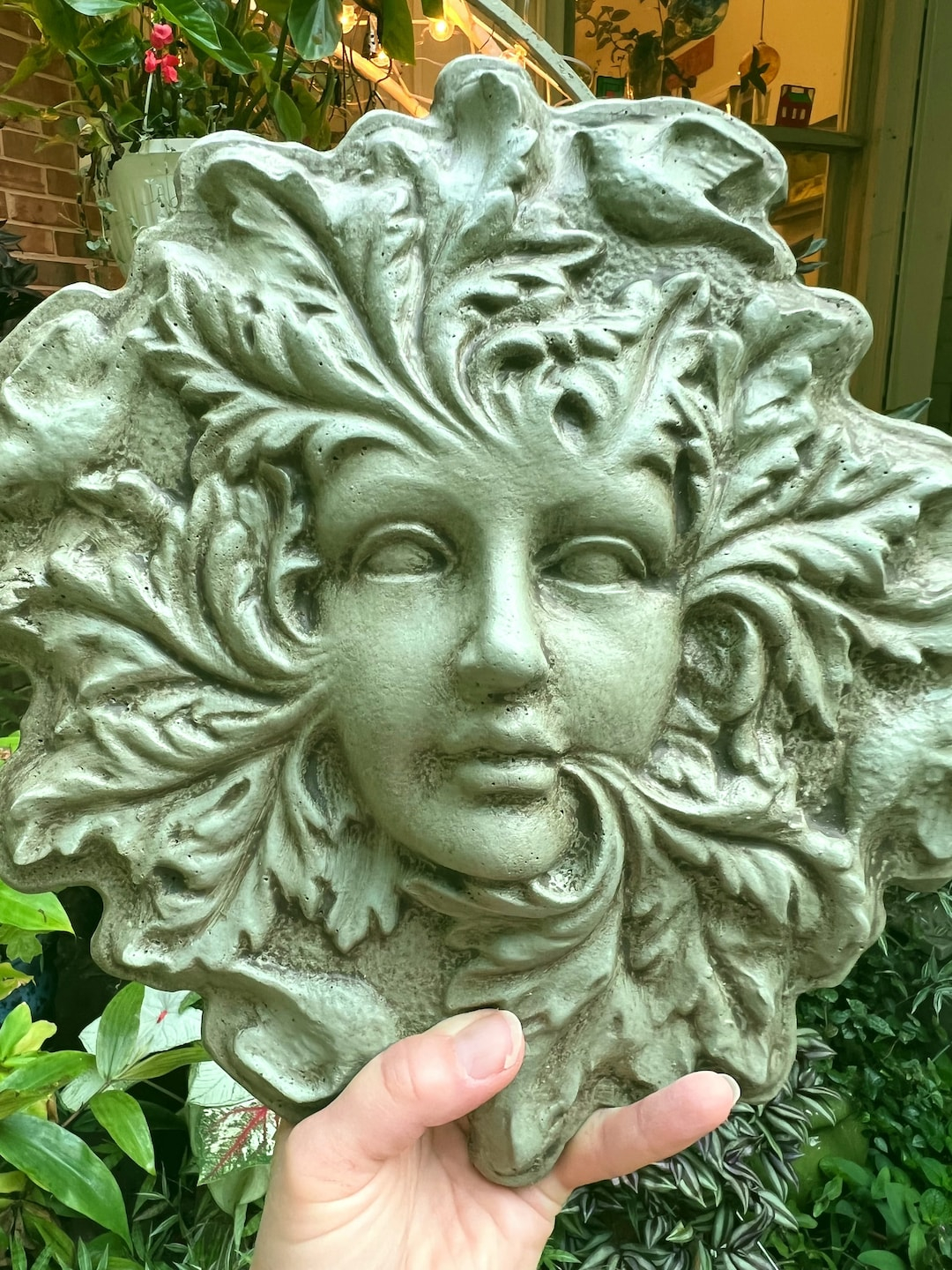
Mastering the appeal of this design requires looking closely at how light interacts with the surface. Unlike flat paintings, a true sculptural relief captures ambient light differently throughout the day, casting subtle shadows across the cheekbones, drapery, and hair strands of the female figure. Artisans who cast these pieces must account for negative space and cast shadow, ensuring that the profile remains legible whether illuminated by harsh morning sunlight or the warm, diffused glow of a picture light at midnight. This interplay of shadow and depth transforms a static wall into a dynamic canvas, proving that the physical dimensions of the plaque are merely the starting point for a much larger sensory experience.
Material selection dictates the longevity, weight, and acoustic resonance of the wall hanging. While early iterations relied heavily on heavy carved hardwoods or fragile plaster that required specialized wall anchors, contemporary manufacturing balances structural integrity with installation practicality. Resin-reinforced composites, cold-cast metals, and modified stone powders now dominate the market, offering the exact cold-to-the-touch feel and visual density of heavy marble or bronze without threatening to tear drywall down from the studs. Understanding these material trade-offs allows a decorator to match the piece to the specific structural demands of a lath-and-plaster historic home or a lightweight modern drywall partition.
The Historical Lineage and Contemporary Relevance of Sculptural Reliefs
Humanity has adorned walls with female effigies and profile portraits since antiquity, moving from Egyptian tomb reliefs and Roman cameo carvings to Renaissance portrait tondos and neoclassical plaster medallions. The oval plaque female 32 wall decor directly inherits this profound lineage, acting as a bridge between museum-quality classical art and accessible interior styling. In previous centuries, owning a carved portrait medallion required royal patronage or considerable wealth; today, modern casting technologies and artisan cooperatives make it possible to bring that same sense of timeless dignity into a suburban home or an urban loft.
Yet, treating these pieces as mere historical reproductions misses the point of how they function in modern spaces. The contemporary context demands pieces that bridge the gap between historical reverence and modern irony or minimalism. Interior designers frequently deploy a classical female relief against high-contrast backdrops—such as dark charcoal Venetian plaster, raw board-formed concrete, or crisp lime-wash walls—to create a striking dialogue between past and present. This juxtaposition strips away the dustiness of traditional antiquity, repositioning the female form as an active participant in contemporary architectural expression.
Market trends also reveal a growing consumer fatigue with flat, algorithm-driven interior design trends. When every home starts to look like a homogenized digital showroom filled with identical flat-pack furniture, the desire for texture, hand-finished imperfections, and historical allusion skyrockets. The oval plaque format provides that much-needed antidote to digital fatigue. Its curves reference the human body and natural landforms, offering a psychological comfort that straight lines and digital screens simply cannot replicate.
Step-by-Step Methodology for Sourcing, Selecting, and Styling Your Plaque
Integrating a statement wall piece into a curated room requires a methodical approach that balances architectural scale, lighting design, and spatial harmony. Rushing to hang a piece of this magnitude without a clear plan often leads to awkward compositions and damaged walls. Follow this step-by-step methodology to ensure your installation looks intentional and structurally secure.
- Step 1 (Architectural Assessment & Scale Verification): Measure the target wall space, ensuring the 32-inch vertical or horizontal dimension occupies roughly sixty to seventy-five percent of the available negative space above furniture, leaving proper breathing room on all sides.
- Step 2 (Material & Finish Matching): Evaluate the existing hardware, lighting fixtures, and wood tones in the room. Pair bronze-finished resin plaques with warm metals and earthy palettes, or choose bright white gypsum finishes for stark minimalist or Scandinavian-inspired backdrops.
- Step 3 (Hardware & Weight Distribution Analysis): Determine the exact weight of the plaque. If the piece exceeds fifteen pounds, locate the wooden wall studs using an electronic sensor rather than relying solely on drywall anchors to prevent structural failure over time.
- Step 4 (Lighting & Shadow Optimization): Plan the primary light source before driving a single nail. Position the plaque where side lighting—such as a wall sconce, picture light, or angled window—can rake across the surface to emphasize the intricate details of the female relief.
- Step 5 (Final Positioning and Layering): Hang the center point of the plaque at eye level (roughly 57 to 60 inches from the finished floor). Step back to assess its relationship with nearby furniture, ensuring it anchors the vignette rather than floating disconnectedly in space.
Navigating Common Pitfalls and Field-Tested Workarounds
Even experienced designers occasionally stumble when handling large sculptural wall decor. The unique combination of substantial weight, fragile projecting features, and specific proportional requirements makes certain mistakes common among amateur installers and DIY enthusiasts. Recognizing these pitfalls before picking up a hammer saves both your walls and your investment pieces from accidental damage.
- Pitfall 1 (Ignoring Stud Placement for Heavy Castings): Relying on cheap plastic toggle anchors for a heavy composite or plaster plaque almost always results in the piece pulling out of the drywall under its own weight. Workaround: Always drive heavy-duty mounting screws directly into wooden wall studs, or use rated toggle bolts combined with a French cleat system to distribute the load evenly across multiple points.
- Pitfall 2 (Mounting at the Wrong Height): Hanging the plaque too high—treating it as if it were outdoor signage—creates a jarring disconnect between the furniture below and the art above. Workaround: Treat the center of the female figure as your optical anchor, ensuring it sits comfortably at standard eye level rather than hovering awkwardly near the crown molding.
- Pitfall 3 (Flat, Unforgiving Direct Lighting): Placing the wall decor on a wall flooded with flat, overhead recessed lighting completely washes out the sculptural relief, making the piece look like a cheap flat sticker. Workaround: Introduce directional lighting from the side or top at a 30-degree angle to generate deep, dramatic shadows that bring the facial features and drapery to life.
- Pitfall 4 (Clashing Epochs Without a Unifying Element): Dropping a heavily ornate, Baroque-style female plaque into an ultra-sleek, industrial concrete room without any transitional elements can make the space feel confused and chaotic. Workaround: Anchor the piece using a unifying color palette, a streamlined modern frame, or complementary organic textures like linen drapery and raw wood accents.
- Pitfall 5 (Neglecting Dust and Surface Maintenance): Intricate sculptural reliefs with deep undercuts and facial contours act as natural dust magnets that are notoriously difficult to clean with standard feather dusters. Workaround: Use a clean, ultra-soft artist’s paintbrush or a low-power canned air duster once a month to gently sweep particulate matter out of the recessed crevices without scratching the finish.
The Economic Value, Longevity, and Sustainability of Sculptural Investment Decor
When examining the economics of interior decoration in 2026, the pendulum has swung firmly away from disposable, trend-chasing accessories toward enduring artisan craftsmanship. Fast-decor items purchased on impulse lose their appeal—and their structural integrity—within a few seasons, ending up in landfills and contributing to a cycle of environmental waste. In contrast, investing in a well-crafted oval plaque female 32 wall decor piece represents a commitment to durable goods. These items are constructed to withstand decades of stylistic shifts, often passing down through generations as cherished family heirlooms rather than temporary apartment fillers.
The manufacturing sector supporting these pieces has also evolved in response to consumer demand for sustainable practices. Artisans and boutique studios increasingly utilize recycled stone powders, non-toxic water-based binders, and locally sourced composite materials that drastically reduce carbon footprints compared to mass-shipping cheap plastics across oceans. Buying from independent makers who specialize in small-batch casting ensures fair labor practices and supports the continuation of traditional mold-making and sculpting skills that risk being lost in an automated world.
Furthermore, the versatility of a classic sculptural motif ensures financial longevity. Unlike trendy graphic prints or neon signs tied to micro-trends, a classical female profile possesses universal aesthetic permanence. If you decide to completely redesign your living room from a moody, maximalist dark academia aesthetic to a breezy, modern organic sanctuary, the plaque does not need to be discarded. A simple adjustment to its frame finish, a repositioning to a different wall, or a change in ambient lighting allows the exact same piece to adapt effortlessly to your evolving personal taste.
Actionable Recommendations and Strategic Framework for Collectors
Curating your living spaces with high-impact sculptural elements requires moving past random purchases and adopting the mindset of a museum curator. To build a cohesive, visually compelling interior, you must treat every wall ornament as part of a broader narrative rather than an isolated decoration. Implement this strategic framework to maximize the visual impact and long-term value of your collection.
- Embrace the Power of Negative Space: Resist the temptation to surround your oval plaque with small, cluttered picture frames. Allow the wall area immediately flanking the 32-inch plaque to remain clear so the organic curves of the oval format command undivided attention.
- Establish a Visual Dialogue: Pair your female sculptural plaque with contrasting organic textures in the immediate vicinity—such as a rough-hewn travertine console table, raw linen upholstery, or aged brass candleholders—to ground the polished elegance of the portrait.
- Prioritize Quality Over Quantity: Instead of buying multiple cheap wall accents to fill up a hallway, invest in one substantial, impeccably crafted focal piece that draws the eye and elevates the entire architectural volume of the space.
- Document and Maintain: Keep a record of the manufacturer, material composition, and recommended cleaning methods for your piece. Proper maintenance preserves the factory finish and protects the resale or heirloom value for decades to come.
The enduring fascination with the oval plaque female 32 wall decor speaks volumes about our collective desire for depth, history, and human connection within our built environments. As our daily lives become increasingly dominated by frictionless digital screens and rapid-fire visual consumption, our homes must serve as sanctuaries of tactile reality. Objects that demand physical space, catch natural light, and tell stories of artistic lineage provide a vital grounding force that no algorithm can replicate.
Mastering the craft behind these remarkable pieces transforms the act of decorating from a chore into a thoughtful artistic practice. By respecting the rules of structural installation, harnessing the power of directional lighting, and choosing quality materials built to last, you do more than just hang a piece of art on a wall. You invite history, proportion, and quiet dignity into your everyday life, ensuring your living space remains a true reflection of intention and soul.