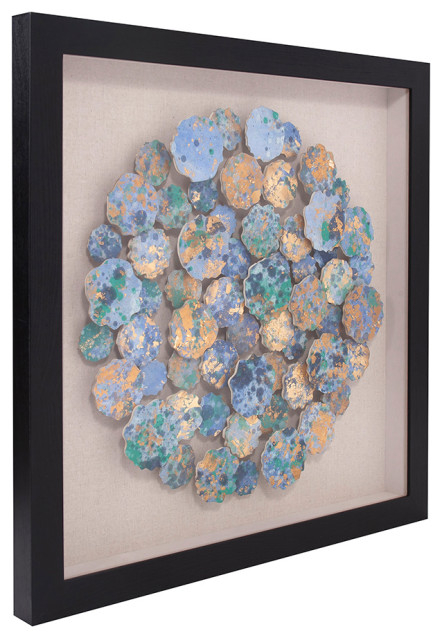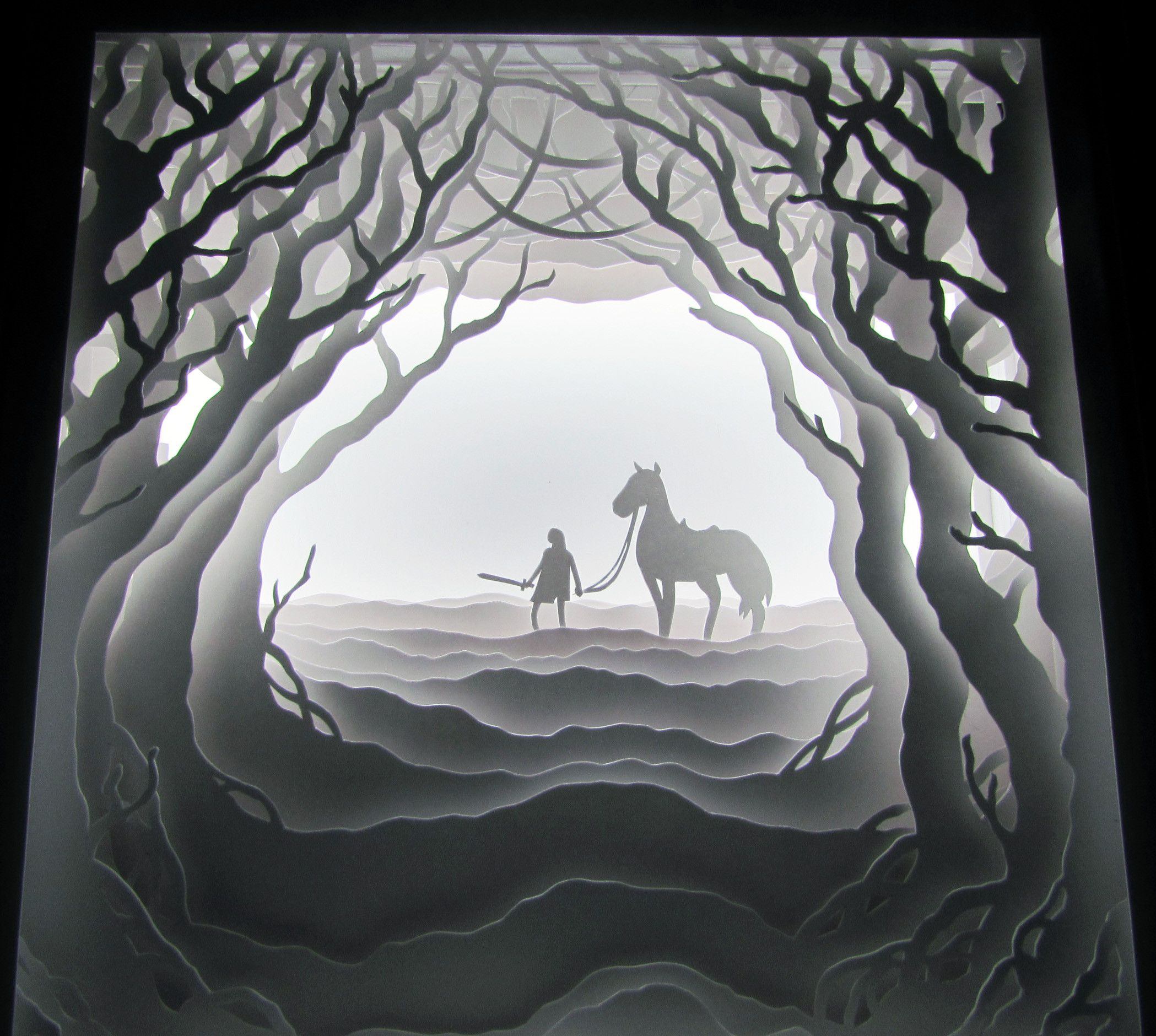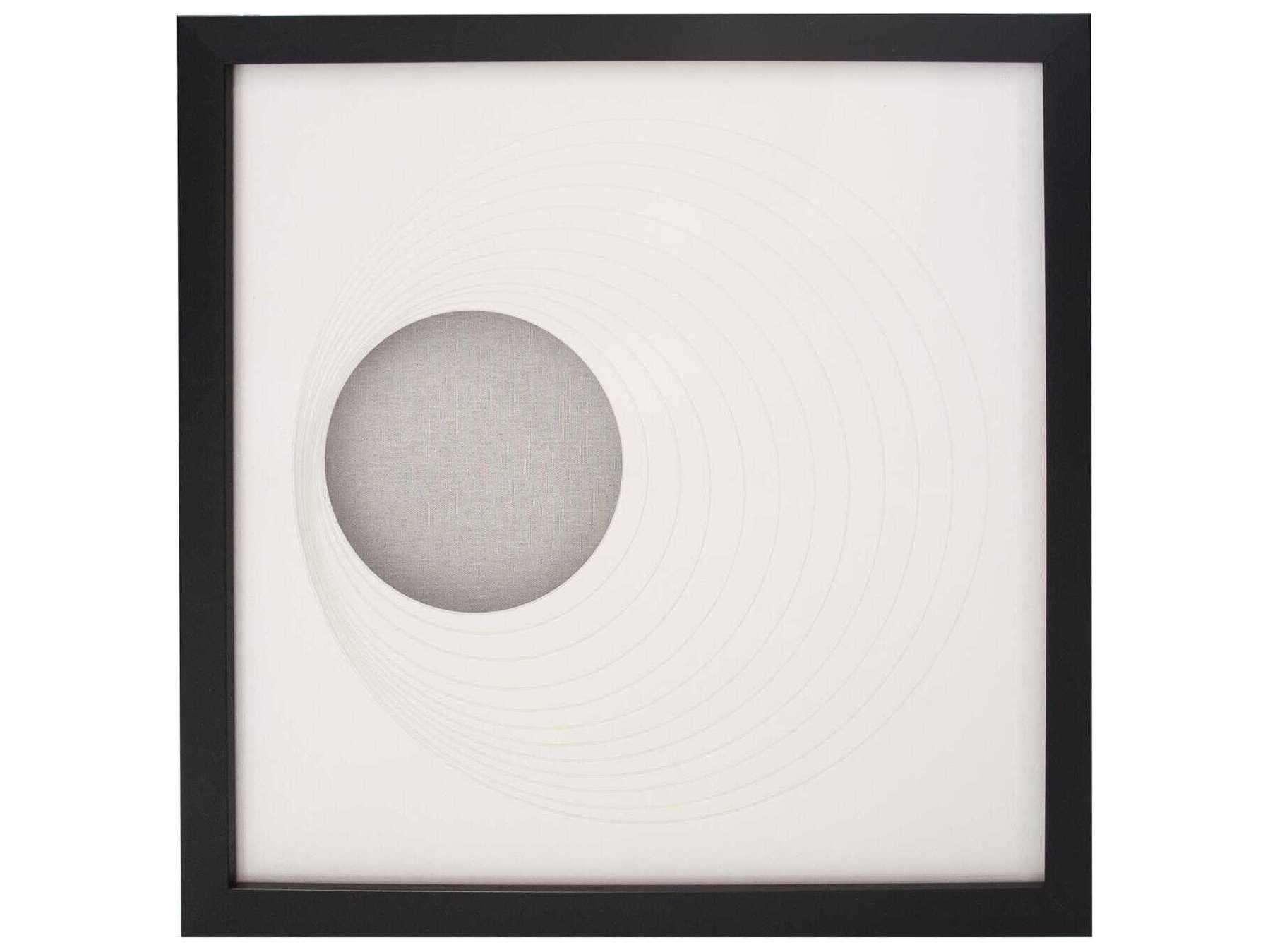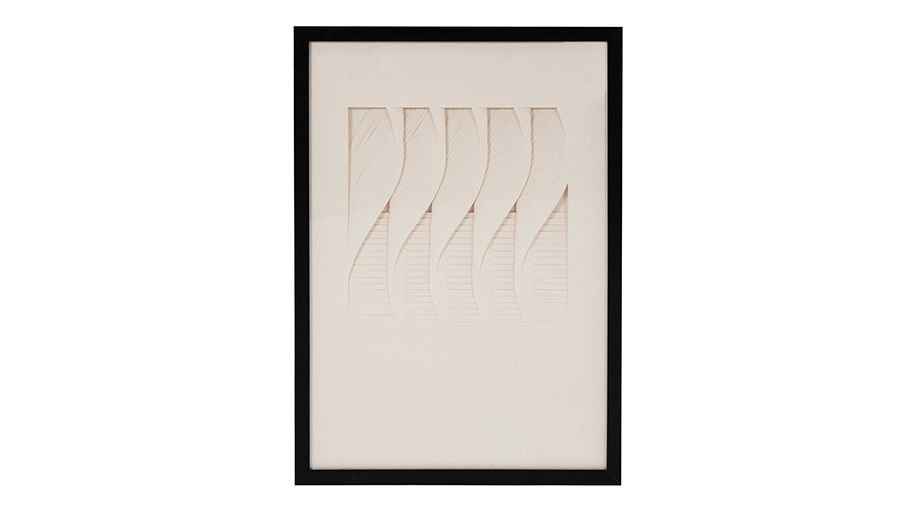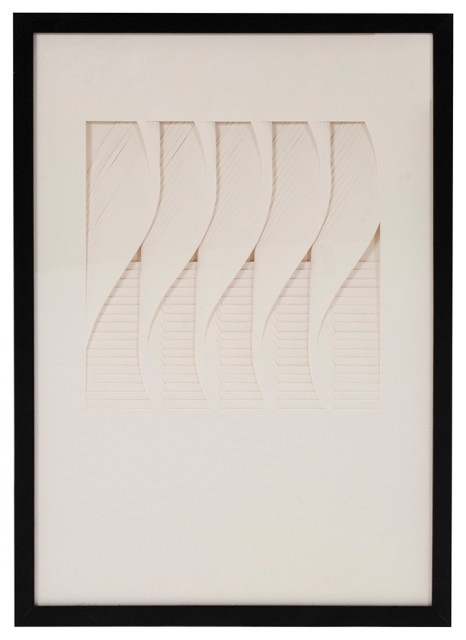
Imagine walking into a room and seeing something that seems impossible – paper that dances in three-dimensional space, creating depth and wonder. That’s the magic of dimensional paper twist shadowbox art. This unique craft combines traditional paper techniques with modern artistic vision, creating stunning pieces that seem to breathe with life. When we look closely at the work of Howard Elliott, we see someone who has mastered this art form, turning simple paper into extraordinary experiences.
Paper isn’t just for writing anymore. In the hands of skilled artists, it becomes a canvas for dreams, a medium for storytelling, and a vehicle for creating moments of pure wonder. Dimensional paper twist shadowbox art represents one of the most captivating forms of paper-based creativity today. This technique involves layering papers in such a way that they create depth, dimension, and visual interest that draws viewers in. It’s like having a conversation with the artwork itself. The beauty lies not just in the final piece, but in the process of creation, where patience, precision, and artistic vision come together.
Understanding the Basics of Shadowbox Art
Shadowbox art is essentially a form of three-dimensional artwork that appears to pop out from a flat surface. The key to success lies in understanding how light interacts with different layers of materials. Think about how shadows change throughout the day – they create depth and drama. In paper shadowbox work, we manipulate these principles using paper layers, textures, and strategic placement. The fundamental concept is simple: create multiple planes within a single frame that work together to produce visual impact. This isn’t just about stacking papers – it’s about creating a narrative through layers of meaning and visual interest.
Howard Elliott’s Revolutionary Approach
Howard Elliott brought a fresh perspective to paper art, focusing on the interplay between light, shadow, and texture. His work demonstrates how simple materials can become extraordinary when approached with artistic vision. Elliott’s method emphasizes the importance of negative space and how it contributes to the overall composition. He understood that sometimes what isn’t there matters as much as what is. His techniques involve careful planning of how each element will interact with others, ensuring that no single piece overwhelms the harmony of the whole. What makes his approach special is his ability to make complex layering seem effortless, creating works that appear both intricate and serene.
Essential Materials and Tools
Creating dimensional paper shadowbox art requires some basic supplies but also a willingness to experiment. You’ll need quality paper in various weights and textures, from thin tissue paper to thick cardstock. Adhesives play a crucial role – choose those that won’t cause paper to warp or yellow over time. Scissors and cutting tools should be sharp and precise. Consider investing in a bone folder for creating clean creases and smooth edges. Other useful items include rulers for measuring, a cutting mat, and possibly a scoring tool for creating clean folds. The materials you choose directly influence the final outcome, so don’t skimp on quality when starting out. Remember, good tools make the difference between frustrating attempts and successful creations.
The Layering Process Explained
Layering is where the magic happens in shadowbox art. Start with your base layer – this often serves as the foundation for everything else. Then add subsequent layers gradually, considering how each element will affect the others. Think about how light passes through different materials and creates shadows. Each layer should have its own purpose and contribute to the overall story being told. Some layers might be transparent, allowing light to shine through, while others provide structure and definition. The key is to build slowly and observe how changes affect the entire composition. Sometimes the best results come from unexpected combinations that weren’t planned initially.
Working with Light and Shadow Effects
Light is perhaps the most important element in shadowbox art. Understanding how light behaves allows you to control the mood and atmosphere of your piece. Natural light changes throughout the day, creating different effects that can completely alter how your work appears. Experiment with different lighting conditions to see how your creation responds. Shadows aren’t just shadows – they’re part of the artistic vocabulary. They can suggest movement, depth, and emotion. Some artists even incorporate artificial lighting to enhance their work, creating different moods depending on the environment where it’s displayed. The interplay between light and dark elements creates visual tension that keeps viewers engaged.
Advanced Techniques for Professional Results
Once you’ve mastered the basics, you can begin exploring more sophisticated approaches. Consider incorporating mixed media elements like fabric, metal accents, or found objects to add variety. Advanced paper manipulation techniques include origami folds, paper weaving, and sculptural elements that extend beyond the flat plane. The challenge comes in balancing complexity with clarity – too many elements can overwhelm the viewer. Professional artists often work with a limited color palette to maintain focus and harmony. Practice creating different textures using various paper weights and finishes. Remember, perfection isn’t always necessary – sometimes the imperfections create character and authenticity that resonate with viewers.
Dimensional paper twist shadowbox art offers a unique path for creative expression that combines technical skill with artistic vision. The journey from simple paper to complex layered compositions requires patience, practice, and a willingness to learn from both successes and failures. Howard Elliott’s influence shows us that this art form can be both technically impressive and emotionally resonant. Whether you’re creating small personal pieces or larger installations, remember that every great artist started somewhere. The most important thing is to keep experimenting, learning, and pushing boundaries. Your unique perspective and creative voice will eventually emerge through practice and dedication. The paper will teach you, and you’ll discover that the possibilities are truly endless.
[sps_html tag=”img” src=”https://cdn.theartssection.com/wp-content/uploads/2025/10/howard-elliott-dimensional-paper-twist-shadowbox-art-contemporary-with-regard-to-the-evolution-of-shadowbox-art-through-howard-elliotts-unique-paper-twist-methodology.jpg” alt=”Howard Elliott Dimensional Paper Twist Shadowbox Art - Contemporary … with regard to The Evolution of Shadowbox Art Through Howard Elliott's Unique Paper Twist Methodology” style=”width: 100%; height: auto;”]
[sps_html tag=”img” src=”https://cdn.theartssection.com/wp-content/uploads/2025/10/howard-elliott-dimensional-paper-circle-shadowbox-art-he64112-regarding-howard-elliott-dimensional-paper-twist-shadowbox-art.jpg” alt=”Howard Elliott Dimensional Paper Circle Shadowbox Art | He64112 regarding Howard Elliott Dimensional Paper Twist Shadowbox Art” style=”width: 100%; height: auto;”]
[sps_html tag=”img” src=”https://cdn.theartssection.com/wp-content/uploads/2025/10/howard-elliott-abstract-chrysanthemum-shadowbox-art-contemporary-pertaining-to-howard-elliott-dimensional-paper-twist-shadowbox-art.jpg” alt=”Howard Elliott Abstract Chrysanthemum Shadowbox Art - Contemporary … pertaining to Howard Elliott Dimensional Paper Twist Shadowbox Art” style=”width: 100%; height: auto;”]
[sps_html tag=”img” src=”https://cdn.theartssection.com/wp-content/uploads/2025/10/shadow-box-paper-art-tutorial-artjullll-with-regard-to-howard-elliott-dimensional-paper-twist-shadowbox-art.jpg” alt=”Shadow Box Paper Art Tutorial - Artjullll with regard to Howard Elliott Dimensional Paper Twist Shadowbox Art” style=”width: 100%; height: auto;”]
[sps_html tag=”img” src=”https://cdn.theartssection.com/wp-content/uploads/2025/10/howard-elliott-dimensional-paper-twist-shadowbox-art-3d-warehouse-pertaining-to-the-evolution-of-shadowbox-art-through-howard-elliotts-unique-paper-twist-methodology.jpg” alt=”Howard Elliott Dimensional Paper Twist Shadowbox Art | 3D Warehouse pertaining to The Evolution of Shadowbox Art Through Howard Elliott's Unique Paper Twist Methodology” style=”width: 100%; height: auto;”]