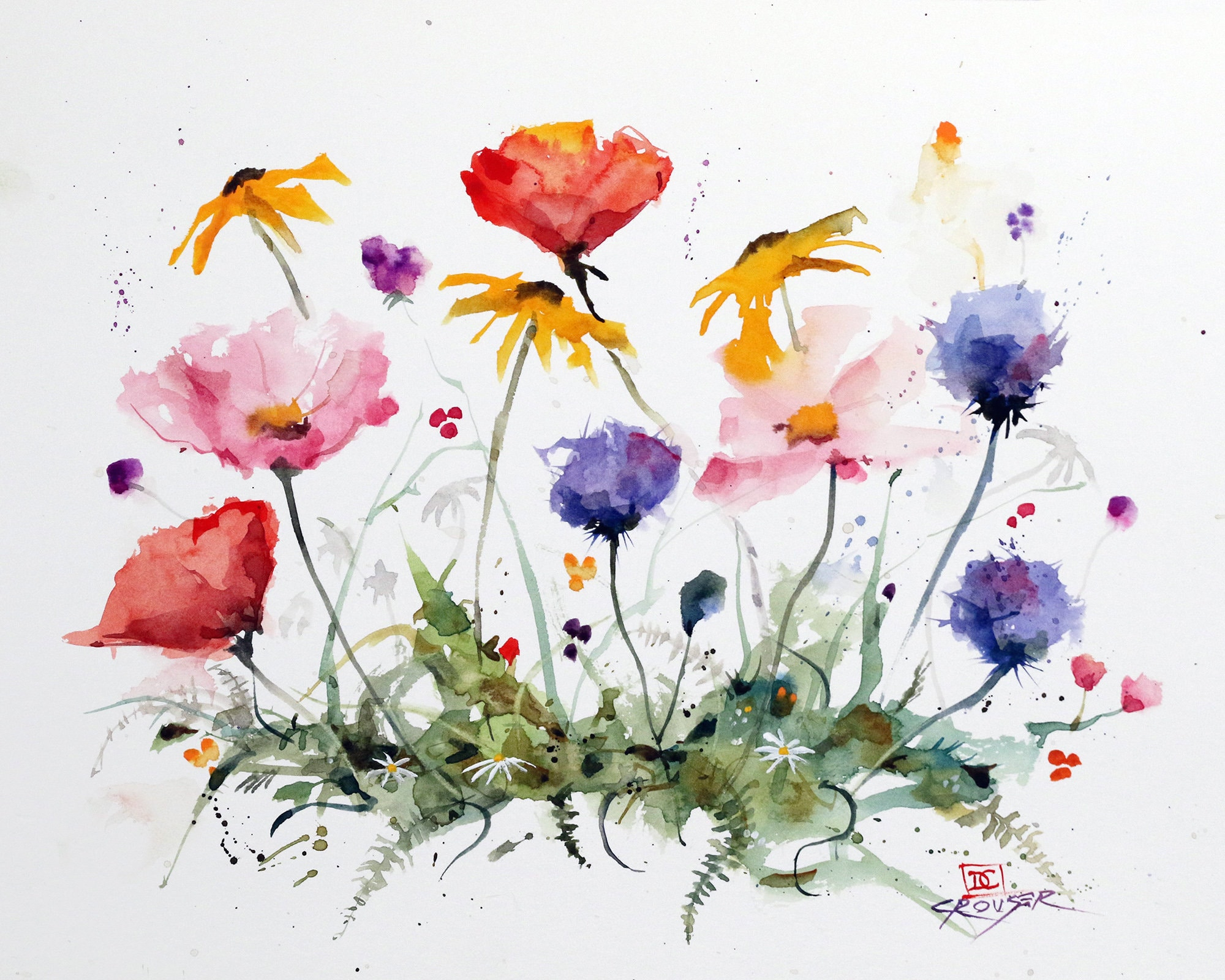
Imagine standing before a canvas that tells three different stories of blooming beauty – each panel capturing a unique moment in the life of flowers. This isn’t just art; it’s nature’s narrative told through watercolor’s ethereal touch. Floral triptych canvas prints represent one of the most captivating ways to showcase botanical beauty while demonstrating artistic mastery.
Watercolor has always been a medium that speaks softly yet powerfully to our senses. When combined with the structure of a triptych – three panels that work together as one cohesive piece – it creates something truly magical. Think of it like a story unfolding across three chapters, each with its own mood and message. In the realm of floral art, this approach allows artists to capture not just one flower, but the entire cycle of growth, bloom, and fade. The canvas becomes a stage where petals dance, colors blend naturally, and time itself seems to slow down. What makes this craft particularly rewarding is that it challenges artists to balance unity with variety, creating a harmonious whole from distinct elements.
Understanding the Triptych Format
A triptych isn’t simply three paintings stuck together – it’s a carefully planned composition where each panel contributes to a greater story. Picture this: the left panel shows a bud emerging from darkness, the center reveals full bloom in vibrant color, and the right panel displays the gentle decline of petals. The key is maintaining visual continuity while allowing each section to have its own identity. Artists often use subtle color variations or recurring motifs to tie the pieces together. For instance, a particular shade of pink might appear in all three panels, creating a thread that binds them. The physical dimensions matter too – panels should be proportionally similar to avoid visual imbalance. Some artists prefer landscape orientation for dramatic effect, while others find portrait style works better for intimate floral scenes.
Choosing the Right Watercolor Materials
The foundation of any great watercolor work lies in selecting quality materials that respond well to the medium’s fluid nature. Start with good quality watercolor paints – whether tube or pan formats, they should offer vibrant colors that don’t fade over time. The canvas itself deserves attention too. A textured surface provides better paint adhesion and creates interesting effects, especially when working with wet-on-wet techniques. Look for canvases that are specifically designed for watermedia, as they handle moisture better than regular canvas boards. Brushes play their part too – a round brush for fine details and a flat brush for broader washes are essential. Don’t forget your water container, paper towels, and masking fluid for those tricky areas where you want to preserve white spaces. The investment in quality tools pays off quickly in terms of the final result and your confidence in the process.
Planning Your Floral Composition
Before you even pick up a brush, spend time thinking about what story you want to tell. Consider the emotional journey you want viewers to experience. Do you want to show the resilience of spring flowers pushing through winter soil? Or perhaps the fleeting nature of summer blooms? Sketch out ideas in pencil first. This helps you visualize how the three sections will flow together. You might decide to focus on the same species of flower but at different stages of development. Another approach involves showing different flowers in the same environment, creating a conversation between species. Think about the lighting and how it changes across your three panels. Maybe the first shows morning light casting soft shadows, the second captures midday brightness, and the third displays the golden hour glow. Planning these elements beforehand prevents confusion during actual painting.
Mastering Watercolor Techniques for Flowers
Watercolor’s magic comes from understanding how pigment behaves when mixed with water. Wet-on-wet technique lets colors blend organically, creating soft transitions that mimic natural flower edges. Try applying paint to damp paper for dreamy, ethereal effects. Dry brush techniques add texture to petals and leaves, giving them a more realistic appearance. Layering is crucial – start with light washes and gradually build up intensity. Some artists use salt or sugar to create interesting textures on wet paint. The key is practicing patience and allowing layers to dry completely before adding new ones. Blending techniques help create smooth gradients in backgrounds or shadows. Learn to control water-to-paint ratios for different effects. Too much water and you lose definition; too little and your colors become muddy. Practice these skills on separate sheets before applying them to your triptych project.
Creating Visual Harmony Across Panels
This is where the real artistry shines. Even though you have three distinct panels, they must feel connected. Consistent color palettes help establish unity. If you choose warm tones for one panel, consider how they’ll relate to cooler tones in another. Pay attention to scale and proportions. A large flower in one panel should have a corresponding element in the others to maintain visual balance. The background elements should complement rather than compete with the main subjects. Sometimes a simple element like a leaf shape or stem pattern can serve as a connecting thread. Consider the viewer’s eye movement – how does it travel from one panel to the next? Smooth transitions are important, but dramatic shifts can also be effective if handled skillfully. Think of it like a musical composition where notes flow together while still maintaining their individual character.
Advanced Tips for Professional Results
Professional triptych works often incorporate subtle details that elevate them from amateur to masterful. Consider using underpainting techniques to establish base colors before adding details. This method gives depth and richness to your final piece. Pay attention to negative space – sometimes what you don’t paint is as important as what you do. Use masking fluid to protect delicate areas like petal edges or small details. When framing, ensure the panels align perfectly with minimal gaps. Quality framing can make or break the presentation of your work. Consider the lighting conditions where the artwork will hang – some colors appear differently under various lights. Finally, don’t rush the drying process. Patience is crucial in watercolor, especially when building up multiple layers. Each step should be completed thoroughly before moving forward. These small details can transform a good piece into a stunning one that stands out among others.
Creating floral triptych canvas prints in watercolor is both an art form and a meditation on nature’s endless beauty. It combines technical skill with creative vision, requiring artists to think not just about individual flowers but about the complete story they want to tell. The process teaches patience, careful planning, and attention to detail that translates into every aspect of artistic practice. Whether you’re a seasoned artist looking to expand your repertoire or someone discovering watercolor for the first time, this approach offers endless opportunities for personal expression. Remember that mastery comes with practice, and every brushstroke brings you closer to achieving that perfect balance between structure and spontaneity. The most beautiful floral triptychs aren’t just technically impressive – they carry emotion, telling stories that resonate with anyone who stops to look.
[sps_html tag=”img” src=”https://cdn.theartssection.com/wp-content/uploads/2025/11/tranquility-in-a-vase-of-flowers-watercolor-flowers-paintings-for-watercolor-butterflies-on-white-floral-triptych-canvas-print-28×36-3-panels.jpg” alt=”Tranquility In A Vase Of Flowers | Watercolor Flowers Paintings … for Watercolor Butterflies On White, Floral Triptych Canvas Print, 28X36, 3 Panels” style=”width: 100%; height: auto;”]
[sps_html tag=”img” src=”https://cdn.theartssection.com/wp-content/uploads/2025/11/watercolor-flowers-throughout-watercolor-butterflies-on-white-floral-triptych-canvas-print-28×36-3-panels.png” alt=”Watercolor Flowers throughout Watercolor Butterflies On White, Floral Triptych Canvas Print, 28X36, 3 Panels” style=”width: 100%; height: auto;”]
[sps_html tag=”img” src=”https://cdn.theartssection.com/wp-content/uploads/2025/11/watercolor-flower-throughout-artistic-expression-through-watercolor-and-floral-design.jpg” alt=”Watercolor Flower throughout Artistic Expression Through Watercolor and Floral Design” style=”width: 100%; height: auto;”]
[sps_html tag=”img” src=”https://cdn.theartssection.com/wp-content/uploads/2025/11/rose-original-watercolor-painting-pink-expression-flower-flowers-roses-regarding-artistic-expression-through-watercolor-and-floral-design.jpg” alt=”Rose Original Watercolor Painting Pink Expression Flower Flowers Roses … regarding Artistic Expression Through Watercolor and Floral Design” style=”width: 100%; height: auto;”]
[sps_html tag=”img” src=”https://cdn.theartssection.com/wp-content/uploads/2025/11/background-flower-watercolor-art-free-stock-photo-public-domain-pictures-inside-artistic-expression-through-watercolor-and-floral-design.jpg” alt=”Background Flower Watercolor Art Free Stock Photo - Public Domain Pictures inside Artistic Expression Through Watercolor and Floral Design” style=”width: 100%; height: auto;”]