Have you ever walked into a room that looks stunning but sounds like a echo chamber? Or maybe you’ve been in a space that sounds amazing but feels visually jarring? The magic happens when we blend the visual with the acoustic. This isn’t just about pretty pictures or good speakers. It’s about creating environments that feel right on all levels.
When we think about designing a room, we usually focus on what we see. But there’s another dimension that often gets overlooked – how that space sounds. A beautiful living room with terrible acoustics can make conversations feel strained, while a well-designed space might have a slight visual flaw but still deliver exceptional sound quality. The challenge lies in finding that sweet spot where form and function dance together. Think about it – how many times have you been in a restaurant where the food was excellent but the background noise made it impossible to have a conversation? Or perhaps you’ve experienced a home theater that looked amazing but had sound that bounced around like a ping pong ball?
Understanding the Foundation of Space Sound
Before diving into design elements, it’s crucial to grasp how sound behaves in different environments. Sound waves travel differently depending on materials, shapes, and sizes of spaces. Hard surfaces like concrete and glass reflect sound, creating echoes that can make even the most pleasant voices sound harsh. Soft materials such as carpet, fabric, and thick curtains absorb sound, reducing unwanted reverberations. The size of a room matters too – larger spaces tend to have longer reverberation times, meaning sounds linger longer. Imagine being in a cathedral with high ceilings versus a small apartment with low ceilings. The acoustic experience is completely different, even if both rooms look visually appealing.
What makes this fascinating is that our brains constantly process both visual and auditory information simultaneously. When something looks good but sounds bad, it creates a disconnect that can make us feel uncomfortable. We want our spaces to feel harmonious, not contradictory.
Visual Elements That Influence Audio Quality
Here’s where things get interesting. The very elements we use to make spaces look beautiful can either enhance or sabotage sound quality. Let’s take a closer look:
• Ceiling height – High ceilings may look majestic but can create problems with sound distribution. Low ceilings often provide better acoustic control because sound waves don’t have as much room to bounce around.
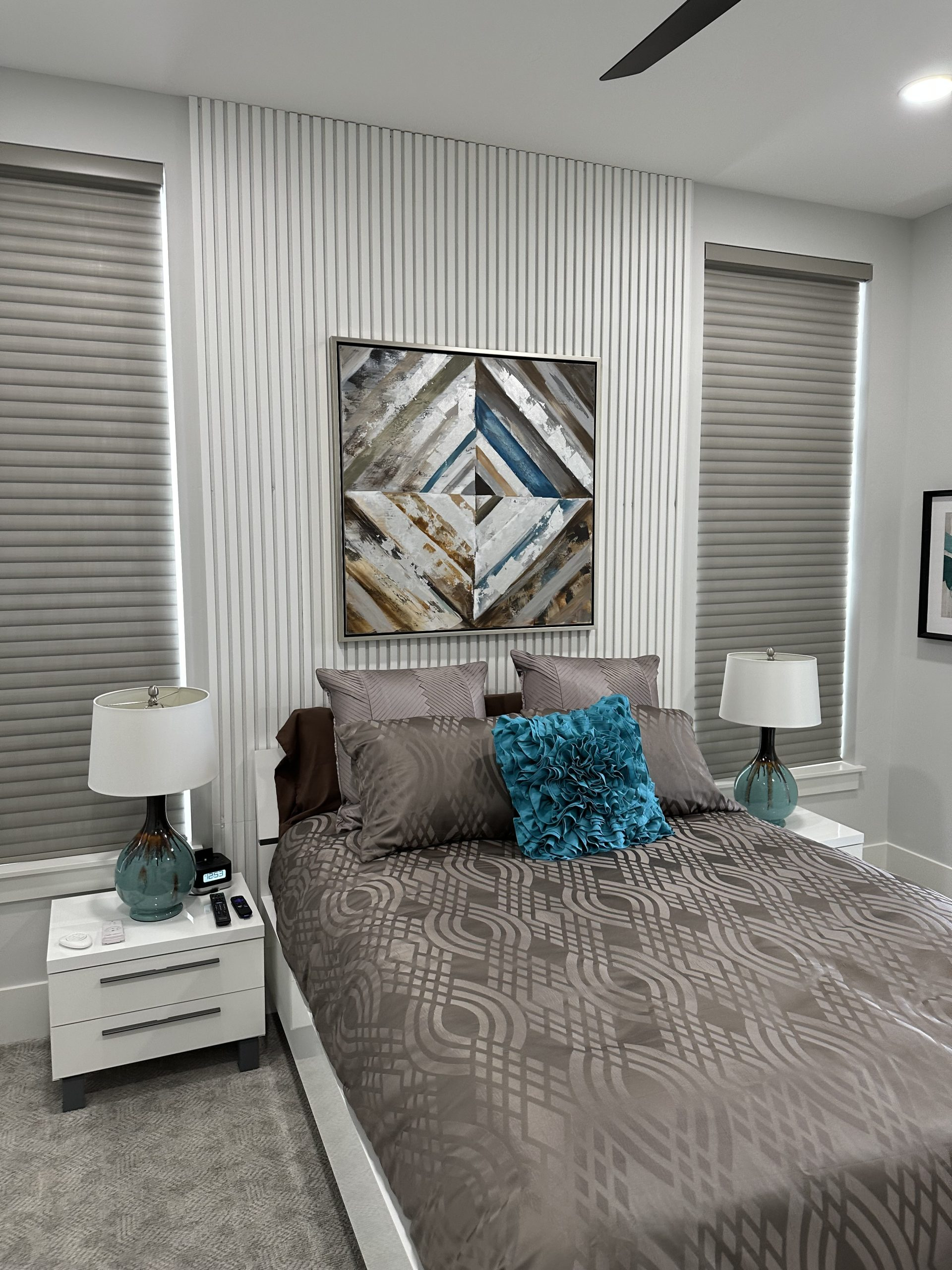
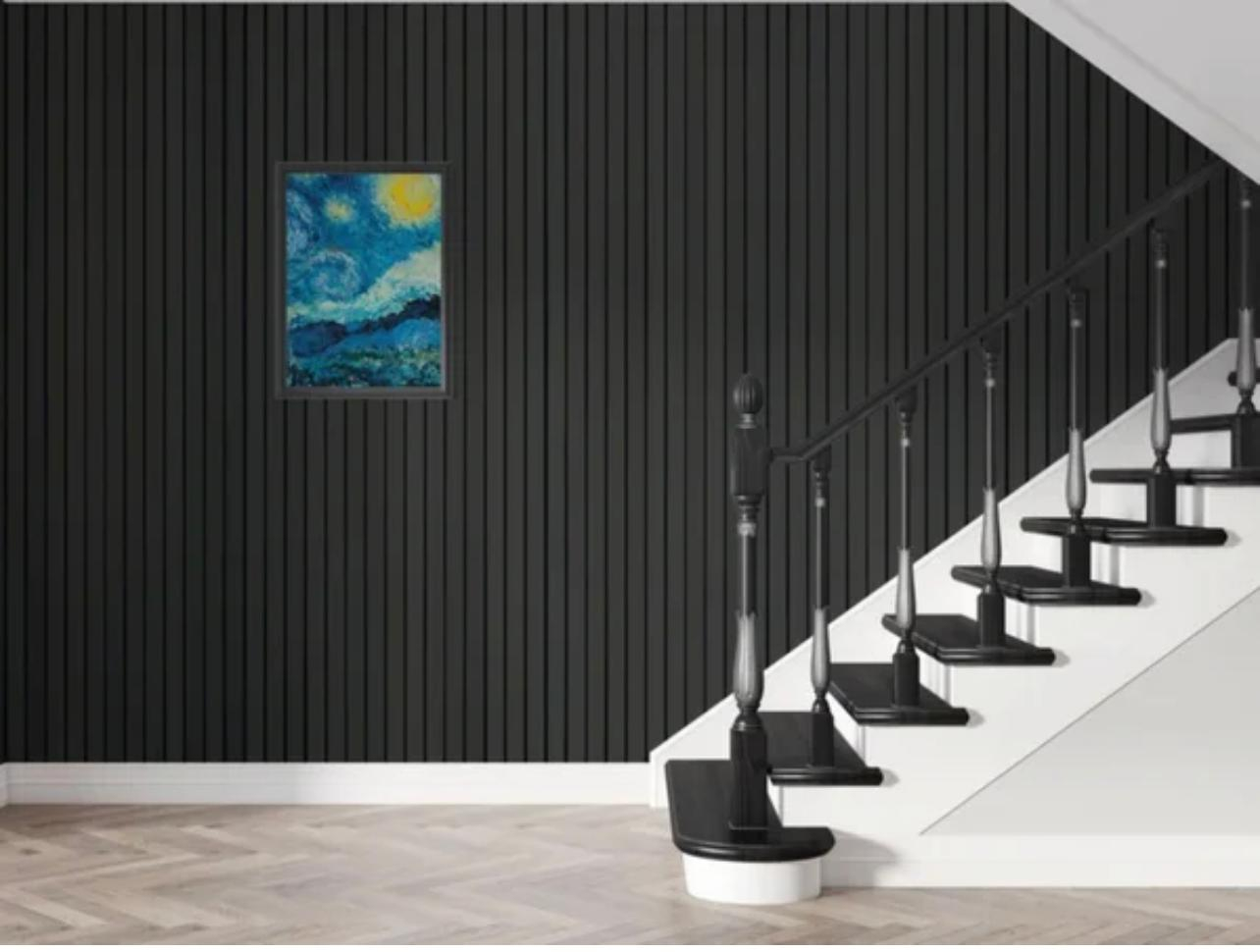
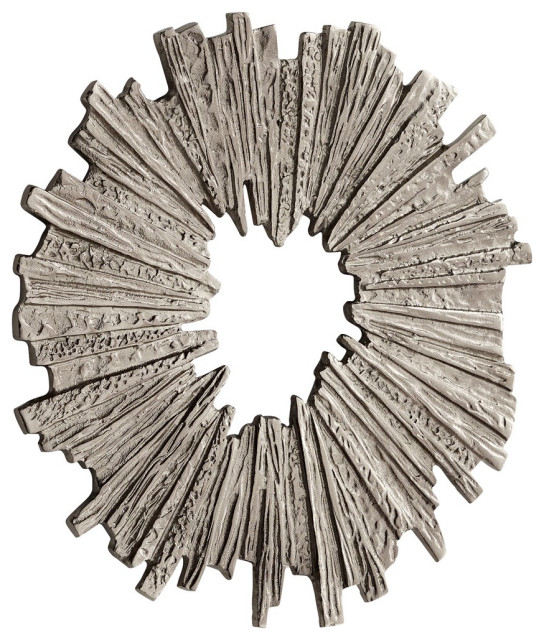
• Wall materials – Smooth, hard walls reflect sound, while textured surfaces scatter it. Consider using wall panels or decorative elements that serve dual purposes – looking nice and helping with sound management.
• Furniture placement – Not just for comfort, furniture acts as acoustic buffers. Sofas, bookshelves, and large plants can soften harsh reflections. Position them strategically to create natural sound barriers.
• Color choices – While color affects mood, it also influences how we perceive space. Dark colors can make a room feel smaller and more intimate, which can help with sound control. Light colors tend to make spaces feel bigger, potentially amplifying sound issues.
Materials That Work Double Duty
The best approach involves selecting materials that contribute to both visual appeal and acoustic performance. Think of it as choosing items that serve multiple roles in your life.
• Fabric treatments – Drapes, upholstery, and wall hangings aren’t just decorative. Heavy fabrics absorb mid-range frequencies, reducing echo and improving speech clarity. Choose textures that complement your aesthetic goals.
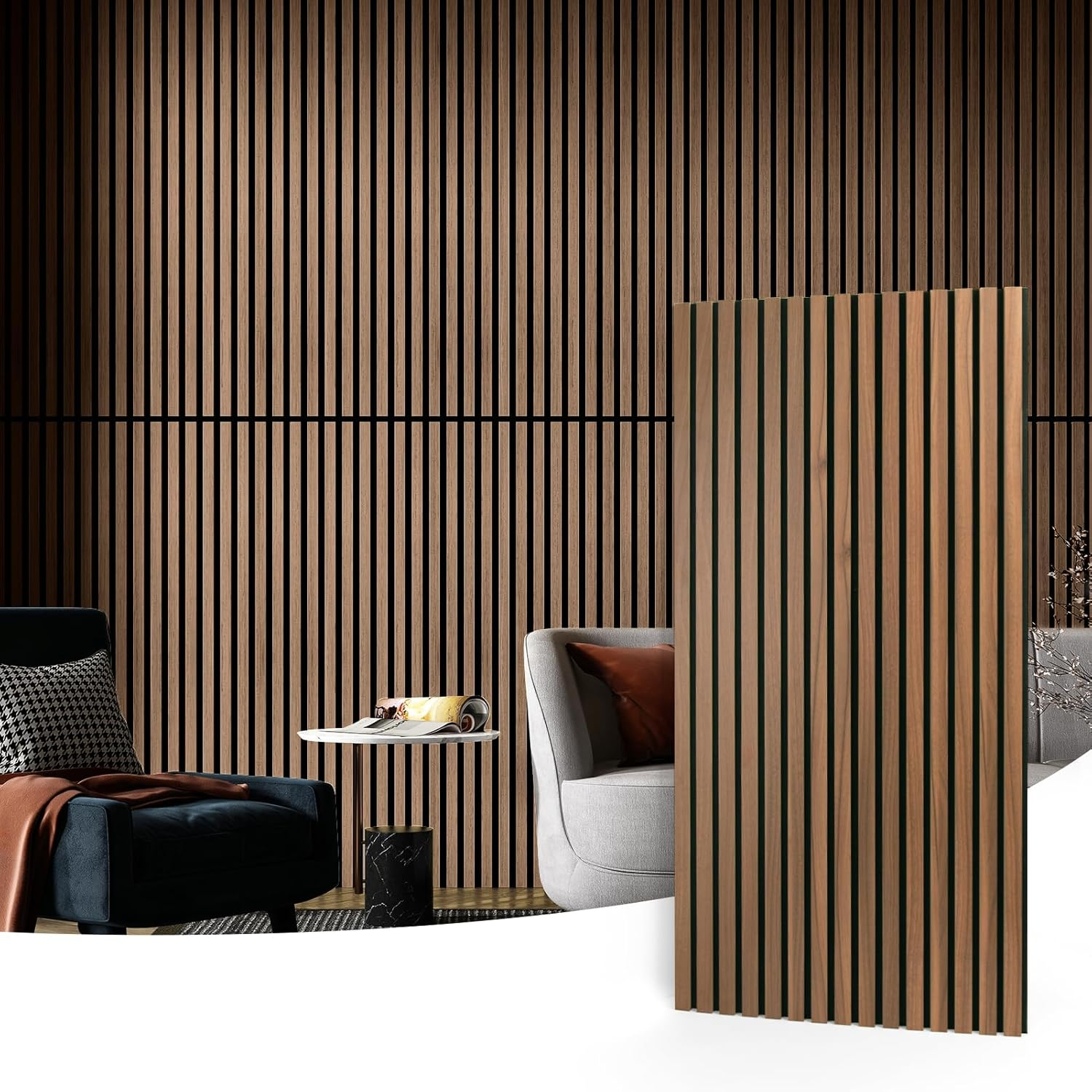
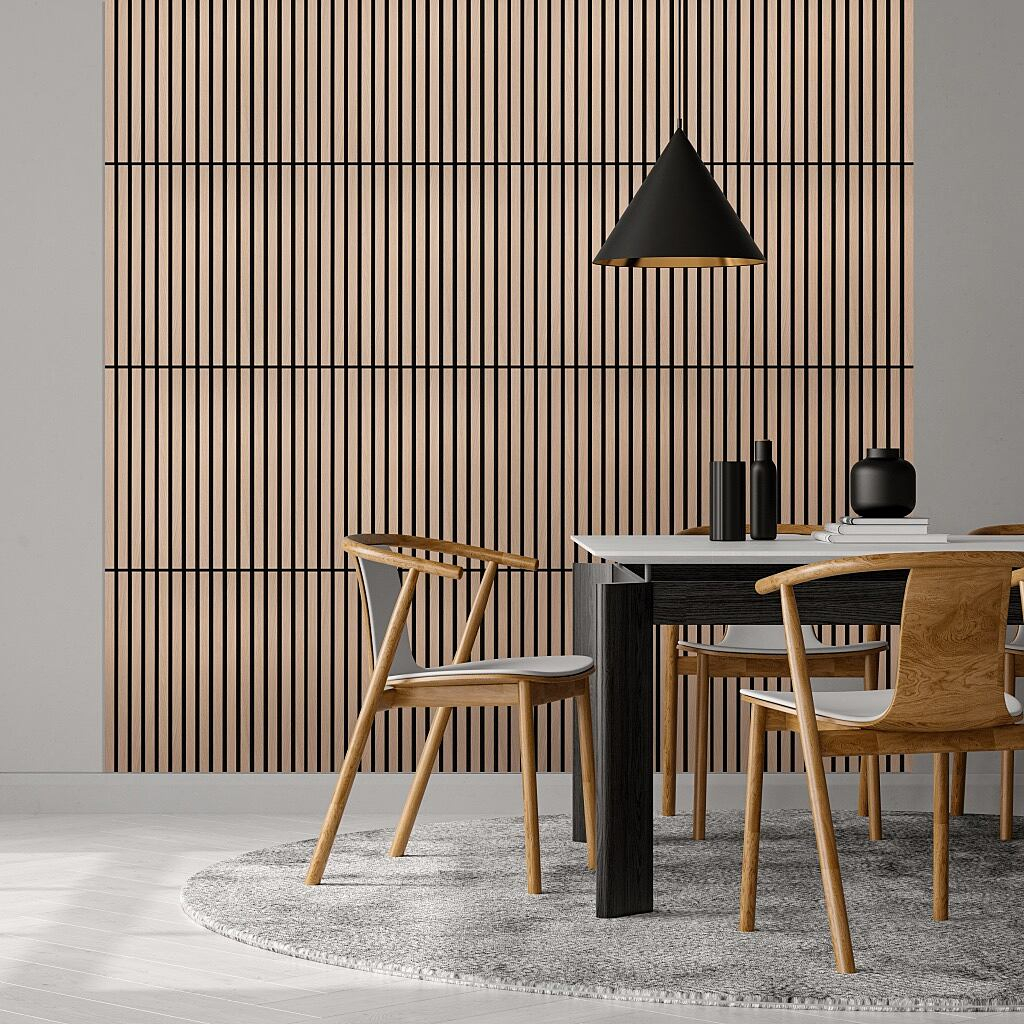
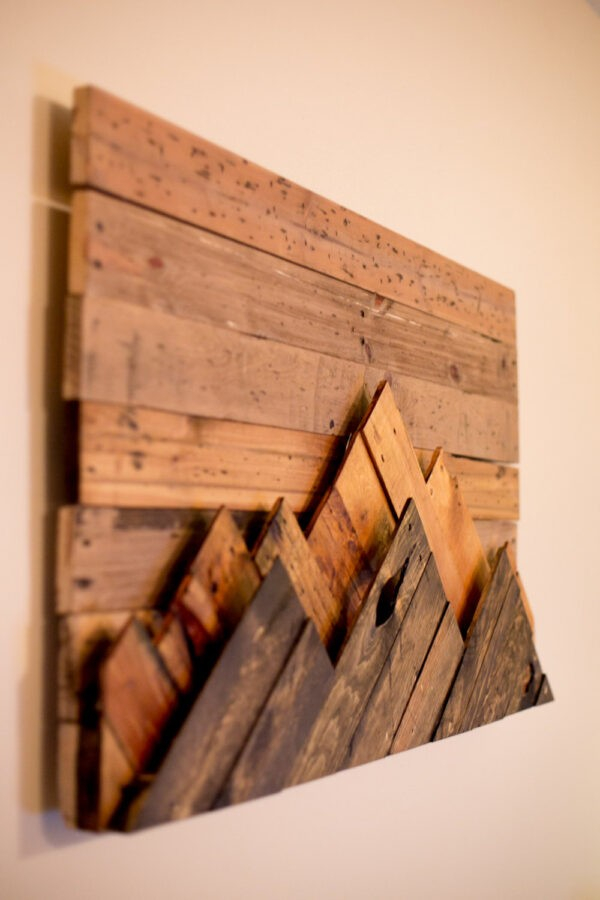
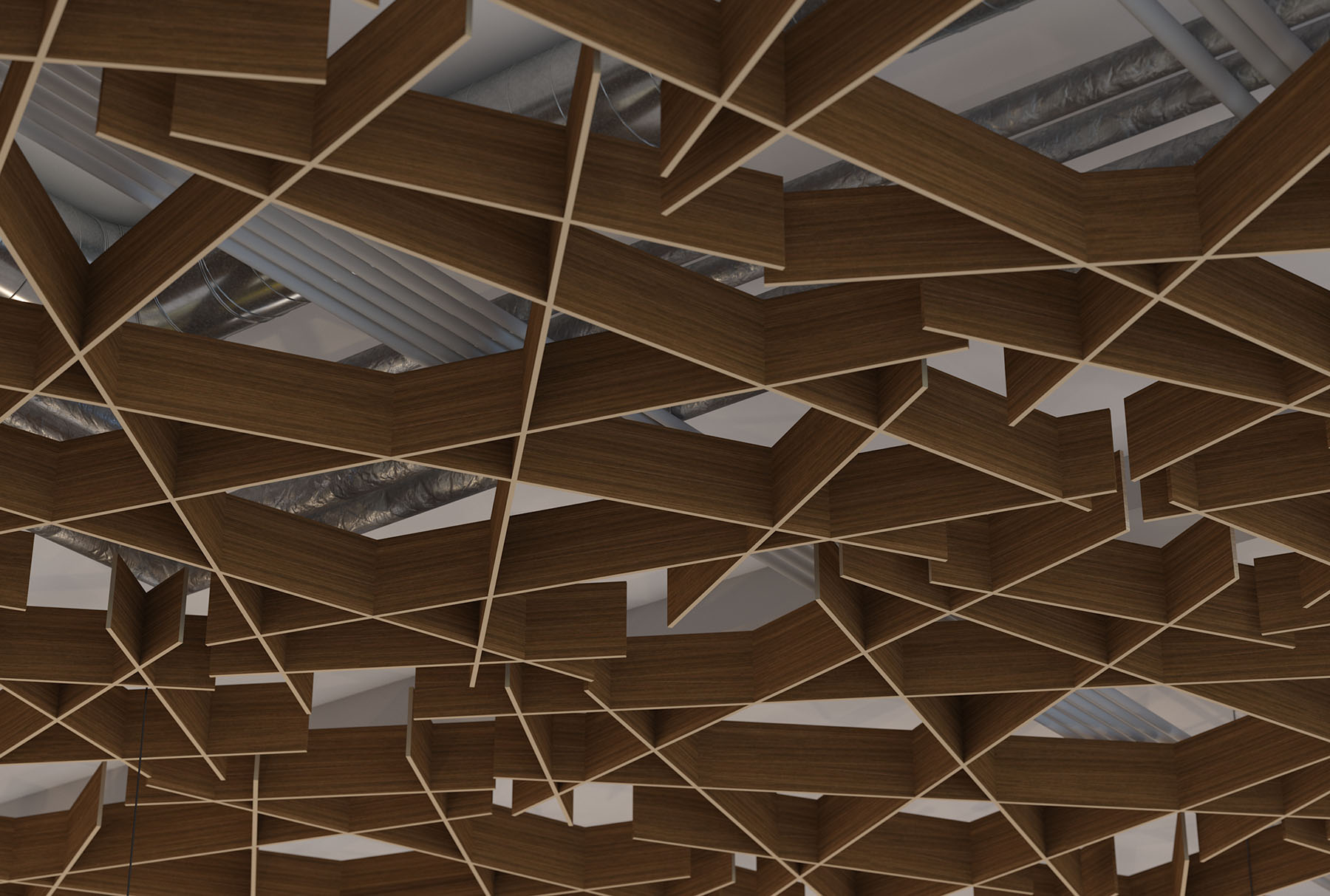
• Natural wood – Wood surfaces provide warmth visually and help diffuse sound naturally. They’re particularly effective in creating balanced acoustic environments.
• Rugs and carpets – These aren’t just for foot comfort. Thick rugs significantly reduce footstep noise and absorb sound waves that would otherwise bounce around the room.
• Plants – Greenery offers visual beauty and surprisingly good acoustic properties. Leaves and stems scatter sound waves, while their organic forms add character to any space.
• Acoustic panels – Modern designs now blend seamlessly with interior décor. These panels come in various shapes, colors, and materials, allowing you to maintain visual consistency while addressing sound issues.
Room Shapes and Layouts for Optimal Sound
The physical structure of a space plays a huge role in its acoustic characteristics. Some shapes naturally work better for sound than others.
• Rectangular rooms tend to create predictable sound behavior. They’re easier to manage acoustically because sound waves travel in more consistent patterns.
• Circular or oval spaces can create unique challenges. Sound tends to reflect unevenly, sometimes concentrating in certain areas and leaving others feeling dead.
• Irregular shapes offer creative possibilities but require careful planning. They can produce interesting acoustic effects, but they also need thoughtful consideration to avoid problematic sound pockets.
Layout decisions matter too. Open floor plans can be beautiful but often suffer from poor acoustics. Strategic use of partitions, built-in shelving, or decorative screens can break up large spaces without sacrificing visual flow. Consider how people move through the space – sound travels along paths, so understanding traffic patterns helps predict where acoustic issues might occur.
Practical Design Tips for Real-World Applications
Let’s talk about putting theory into practice. Here are some actionable approaches:
• Start with the function – Before choosing decor, determine how the space will be used. A home office needs different acoustic treatment than a living room or dining area.
• Use the rule of three – In acoustics, having three different surface types in a room helps prevent sound from bouncing too much. Combine hard surfaces, soft surfaces, and diffusers for balanced results.
• Think vertically – Don’t just focus on floor and ceiling. Walls and furniture create opportunities for sound management. Consider adding wall-mounted acoustic panels or placing bookshelves strategically.
• Test before committing – If possible, use acoustic measurement tools or consult with professionals. Small adjustments can make a big difference in how a space sounds.
• Consider the entire journey – Think about how sound moves through the space. What does it sound like when someone speaks from one side of the room to another? How does the sound change when you’re standing in different spots?
• Balance aesthetics and function – The goal isn’t to make everything look like a science lab. Instead, find ways to integrate acoustic solutions that enhance rather than detract from the visual experience.
Case Studies: Real Examples of Successful Integration
Real-world applications show how thoughtful integration works in practice. One example is a modern restaurant that wanted to maintain its sleek design while ensuring customers could talk over background music. The solution involved:
• Installing custom acoustic panels that matched the restaurant’s industrial aesthetic
• Using soft seating with textured fabrics to absorb sound
• Creating a curved bar area that naturally diffused sound waves
• Adding strategic lighting fixtures that also served as sound-diffusing elements
Another case involved a home recording studio that needed to look like a living room. The designer used:
• Decorative bookshelves that doubled as acoustic treatment
• Fabric-covered walls that looked stylish while managing sound reflection
• Custom-built furniture that blended functionality with visual appeal
• Careful placement of plants and artwork to create a natural acoustic environment
These examples prove that beautiful spaces and great acoustics aren’t mutually exclusive. They’re actually complementary forces that, when properly aligned, create truly exceptional environments.
Designing spaces that excel both visually and acoustically isn’t about compromise – it’s about understanding how these elements interact. When we approach room design with this dual perspective, we create environments that feel complete, comfortable, and functional. The key is recognizing that every design choice has implications beyond appearance. Whether you’re renovating a home, designing a commercial space, or simply rearranging furniture, consider how each element contributes to the overall acoustic experience. The most successful spaces are those where beauty and sound work together seamlessly. They don’t just look good – they feel good too. So next time you walk into a room, pay attention to how it sounds. You might discover a whole new appreciation for the art of spatial design. The future of great interior design lies in embracing this holistic approach, where every detail serves both form and function. After all, a space that feels right is one that truly works for everyone who enters it.
[sps_html tag=”img” src=”https://cdn.theartssection.com/wp-content/uploads/2025/11/soundproofing-with-style-the-benefits-of-wooden-acoustic-panels-with-regard-to-creating-better-acoustic-environments-with-textured-wood-panels.jpg” alt=”Soundproofing With Style: The Benefits Of Wooden Acoustic Panels … with regard to Creating better acoustic environments with textured wood panels” style=”width: 100%; height: auto;”]
[sps_html tag=”img” src=”https://cdn.theartssection.com/wp-content/uploads/2025/11/art3d-walnut-wood-slat-acoustic-panels-for-sound-absorption-with-creating-better-acoustic-environments-with-textured-wood-panels.jpg” alt=”Art3D Walnut Wood Slat Acoustic Panels For Sound Absorption with Creating better acoustic environments with textured wood panels” style=”width: 100%; height: auto;”]
[sps_html tag=”img” src=”https://cdn.theartssection.com/wp-content/uploads/2025/11/how-much-noise-acoustic-panels-can-absorb-facts-tips-with-art3d-4-piece-3d-fluted-acoustic-wood-wall-panelsic2bcoesound-absorbing-decor-panels-a31hz116.jpeg” alt=”How Much Noise Acoustic Panels Can Absorb: Facts & Tips with Art3D 4-Piece 3D Fluted Acoustic Wood Wall Panels,sound Absorbing Decor Panels, A31Hz116″ style=”width: 100%; height: auto;”]
[sps_html tag=”img” src=”https://cdn.theartssection.com/wp-content/uploads/2025/11/products-acoustic-wood-panel-wall-with-creating-better-acoustic-environments-with-textured-wood-panels.jpeg” alt=”Products – Acoustic Wood Panel Wall with Creating better acoustic environments with textured wood panels” style=”width: 100%; height: auto;”]
[sps_html tag=”img” src=”https://cdn.theartssection.com/wp-content/uploads/2025/11/9-design-ideas-for-incorporating-acoustic-wood-ceiling-panels-with-art3d-4-piece-3d-fluted-acoustic-wood-wall-panelsic2bcoesound-absorbing-decor-panels-a31hz116.jpg” alt=”9 Design Ideas For Incorporating Acoustic Wood Ceiling Panels with Art3D 4-Piece 3D Fluted Acoustic Wood Wall Panels,sound Absorbing Decor Panels, A31Hz116″ style=”width: 100%; height: auto;”]