Teak wood, a name that whispers of luxury, strength, and timelessness. It’s a wood that has captured the hearts of craftsmen, designers, and homeowners for centuries. But what is it about teak that makes it so special? Why does it command such a premium price, and what are the secrets behind its exceptional properties? Today, we’re going to dive deep and explore the world of teak, uncovering its history, its unique characteristics, and the myriad ways it’s used to create stunning and long-lasting objects. This isn’t just about the wood; it’s about the story it tells, the legacy it holds, and the beauty it brings to our lives. Get ready to discover the magic of teak, and why it’s truly a cut above the rest.
Welcome, fellow wood enthusiasts! I’m thrilled to have you join me on this journey into the realm of teak. We will unravel the complexities of this remarkable timber, going beyond the surface to understand what makes it so coveted. We’ll investigate its natural resistance to the elements, its ability to withstand the test of time, and the diverse applications it finds in our world. From the decks of luxurious yachts to the elegant furniture gracing our homes, teak’s presence is undeniable. Prepare to be amazed by the versatility and enduring appeal of this extraordinary wood.
Origins and Characteristics: Where Does Teak Come From, And What Makes it Special?
Teak (Tectona grandis) hails mainly from Southeast Asia, particularly Myanmar, Thailand, and Indonesia. Its growth is slow, giving it a tight grain and high density. This density is a key factor in its durability. One of the most remarkable qualities of teak is its natural oil content. This oil acts like a built-in protective shield, repelling water, resisting rot, and warding off insects. This natural resilience makes teak ideal for outdoor applications, where it’s exposed to the harshest conditions. Consider a teak bench sitting in your garden; it can endure years of sun, rain, and changing temperatures without significantly degrading. This natural resistance to the elements is a major reason why teak is so highly valued and why it is often used in places where other woods would quickly deteriorate. And the color? Ah, that beautiful, warm, honey-brown hue deepens over time, adding a touch of elegance and sophistication.
The Science Behind the Strength: Unpacking Teak’s Durability
Teak’s durability isn’t just a matter of luck; it’s a result of its unique composition. The high silica content within the wood acts as a natural abrasive, making it resistant to wear and tear. The tight grain structure prevents water from penetrating deeply, which is crucial for resisting rot and decay. Think of it like this: imagine comparing a sponge (a wood that easily absorbs water) to a tightly woven fabric. The fabric (teak) repels water, while the sponge soaks it up, leading to quicker deterioration. The natural oils further enhance this water resistance, creating a virtually impenetrable barrier. This combination of factors makes teak exceptionally long-lasting, able to withstand constant exposure to the elements without significant degradation. That’s why you often see teak used in boat building; it can stand up to the harsh salt water environment.
Teak’s Many Uses: From Boats to Backyards
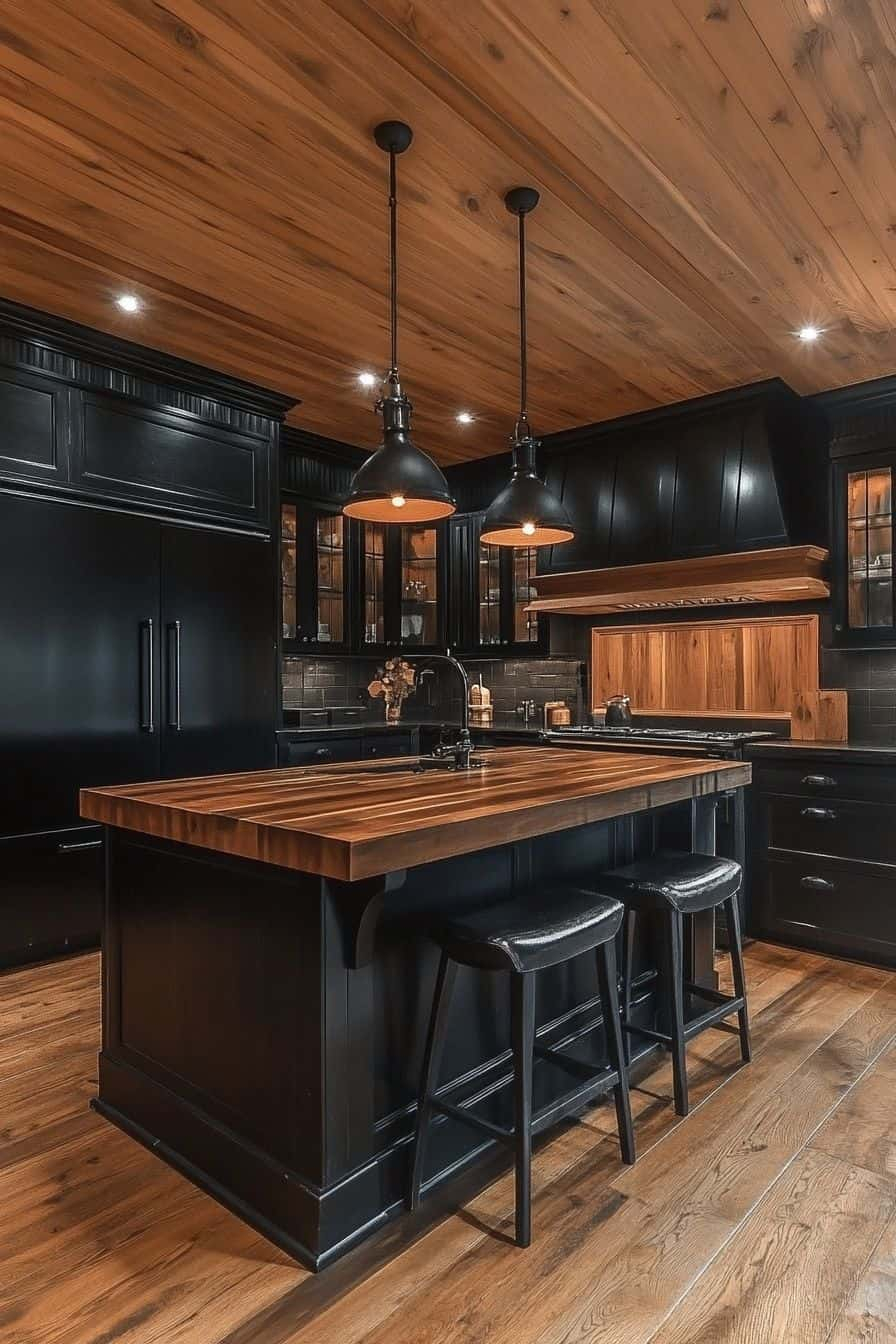
The versatility of teak is truly astounding. Its strength, beauty, and water resistance make it ideal for a wide range of applications. Perhaps one of the most iconic uses is in boat building. Teak decks are a symbol of luxury and durability, capable of enduring constant exposure to sun, salt, and sea. But the applications don’t stop there. Teak is also a favorite for outdoor furniture, such as tables, chairs, and benches. It weathers beautifully, developing a silvery-gray patina over time that many consider even more appealing than its original color. In interior design, teak is used for flooring, cabinetry, and even decorative accents. Its warm tones and natural beauty add a touch of elegance to any space. Let’s not forget the kitchen. Teak cutting boards and utensils are prized for their durability and resistance to bacteria, making them a safe and stylish option for food preparation. The uses are endless and always evolving.
Caring for Your Teak: Preserving its Beauty and Longevity
While teak is naturally durable, proper care is still important to maintain its beauty and longevity. Regular cleaning is a must. Use a mild soap and water solution to remove dirt and debris. Avoid harsh chemicals or abrasive cleaners, which can strip away the natural oils. For outdoor furniture, consider applying a teak oil periodically to replenish the wood’s natural oils and maintain its rich color. This is especially important in environments with intense sunlight or harsh weather conditions. If you prefer the weathered look, you can simply allow the teak to age naturally, which will result in a beautiful silvery-gray patina. No matter your preference, a little care will go a long way in ensuring your teak pieces remain beautiful for many years to come. Remeber, regular maintenance will help your teak look its best and last longer.
Teak vs. Alternatives: Why Choose Teak?
While other woods can offer similar visual appeal, teak often wins out in terms of performance and longevity. Compared to other hardwoods, teak boasts superior weather resistance and natural oil content. While some alternatives may be less expensive initially, they often require more frequent maintenance and may not last as long. For example, some people use Ipe wood, which is also a durable hardwood, but it often requires more frequent oiling to maintain its appearance. Teak’s natural resistance to insects and rot is also a significant advantage, reducing the need for chemical treatments. Ultimately, the choice between teak and its alternatives depends on your specific needs and budget. However, if you’re looking for a wood that combines beauty, durability, and low maintenance, teak is hard to beat. The initial investment may be higher, but the long-term value and lasting beauty make it a worthwhile choice.
The Future of Teak: Sustainability and Responsible Sourcing
As with any valuable natural resource, the sustainable sourcing of teak is of paramount importance. The demand for teak has led to concerns about deforestation and unsustainable logging practices in some regions. Therefore, it’s crucial to choose teak from responsibly managed forests. Look for certifications like the Forest Stewardship Council (FSC), which guarantees that the wood comes from sustainably managed sources. When you buy FSC-certified teak, you’re supporting responsible forestry practices and helping to protect the environment. There are also efforts to plant teak plantations to ensure a consistent supply of wood while mitigating the impact on natural forests. By making informed choices and supporting sustainable practices, we can enjoy the beauty of teak for generations to come, ensuring its continued availability and protecting the environment.
So, there you have it – a glimpse into the captivating world of teak. From its origins in Southeast Asia to its diverse applications and enduring appeal, teak is a wood that continues to captivate and inspire. Its exceptional durability, natural beauty, and low maintenance make it a favorite choice for homeowners, designers, and craftsmen alike. Remember to care for your teak pieces, choose responsibly sourced wood, and appreciate the legacy of this remarkable timber. I hope this journey has deepened your appreciation for teak and its unique qualities. Go forth, explore, and perhaps even incorporate a touch of teak into your own life. You won’t be disappointed. The warmth, the strength, the enduring beauty – teak is a true testament to the power of nature and the art of craftsmanship. And, as always, thank you for joining me on this exploration. Untill next time, keep crafting and keep exploring.
[sps_html tag=”img” src=”https://cdn.theartssection.com/wp-content/uploads/2025/05/napa-left-sectional-sofa-in-cognac-tan-leather-sectional-sofa-modern-intended-for-the-chesterfield-legacy-exploring-design-and-durability.jpg” alt=”Napa Left Sectional Sofa In Cognac Tan Leather Sectional Sofa, Modern … intended for The Chesterfield Legacy Exploring Design and Durability” style=”width: 100%; height: auto;”]