Tree of Life wood art isn’t just decorative—it’s a window into humanity’s oldest stories. These intricate carvings carry messages that span millennia, speaking to our deepest hopes, fears, and connections to the natural world. What do these symbols really mean? How have they evolved over time? Let’s uncover the rich tapestry of meaning woven into every carved branch and root.
When you first lay eyes on a Tree of Life wood carving, something stirs within you. It might be the graceful curves of the branches, or perhaps the way the grain flows through the wood like ancient rivers. This isn’t just pretty woodwork. It’s a language that speaks across cultures, generations, and continents. Every cut, every curve, every carved detail tells a story. But what exactly are we looking at? What secrets does this sacred symbol hold? The answer lies in understanding how different cultures have interpreted and expressed their deepest beliefs through wood.
Ancient Origins and Cultural Foundations
The Tree of Life concept stretches back thousands of years, appearing in almost every major civilization. In Norse mythology, Yggdrasil connected nine worlds, its roots delving deep into the earth and branches reaching toward heaven. Ancient Egyptians saw the sycamore tree as a bridge between life and death. The Celtic tradition embraced the tree as a symbol of wisdom, strength, and connection to the divine. These foundational beliefs created the groundwork for countless interpretations.
Consider how different cultures adapted this universal symbol:
• Ancient Mesopotamians carved trees with roots extending to underworlds
• Hindu traditions featured the Ashvattha tree representing the universe
• Native American tribes viewed trees as sacred connectors between worlds
• Medieval European art often showed the tree as a symbol of eternal life
Each culture added its own flavor, creating a rich diversity of meanings while maintaining core themes of growth, connection, and continuity.
The Core Symbolic Elements
Breaking down Tree of Life wood art reveals several recurring elements that carry specific meanings. The trunk represents stability and foundation, often carved with deeper textures to show strength. Branches symbolize growth and expansion, reaching outward toward new possibilities. Roots anchor the tree to the earth, representing heritage, family, and connection to one’s origins. Leaves signify life, renewal, and seasonal cycles.
But it gets more interesting when you look at the details:
• Spiral patterns in the bark often represent the cycle of life and death
• Birds nesting in branches can indicate prosperity or spiritual guidance
• Fruit-bearing branches suggest abundance and fulfillment
• Twisted roots may symbolize challenges overcome or hidden wisdom
These elements work together to create a visual story that changes depending on the artist’s intent and cultural background.
Regional Variations and Cultural Interpretations
No two Tree of Life wood carvings are exactly alike, even when they share the same basic form. The differences tell us volumes about the artist’s background and the community they come from. Scandinavian woodworkers often emphasize the cosmic nature of the tree, showing multiple worlds interconnected. African artisans frequently incorporate geometric patterns that reflect their own symbolic languages. Japanese craftsmen tend to favor minimalist approaches, focusing on the essence rather than ornate decoration.
Let’s examine some notable regional styles:
• Celtic Tree of Life woodwork features interlacing patterns and knots
• Scandinavian versions often include runes or mythological creatures
• Mexican traditions incorporate Day of the Dead imagery
• Middle Eastern pieces sometimes feature Islamic geometric designs
• Native American versions often include animal motifs and dreamcatcher elements
What’s fascinating is how these different traditions sometimes blend together, especially in modern interpretations.
Spiritual and Religious Significance
Throughout history, the Tree of Life has served as a powerful spiritual symbol in numerous religious traditions. Christianity adopted it as a representation of Christ’s sacrifice and resurrection. Judaism sees it as the Tree of Knowledge in the Garden of Eden. Buddhism views it as a symbol of enlightenment and the path to Nirvana. Even in secular contexts, people find profound meaning in these carvings.
The spiritual power comes from several factors:
• Its representation of growth and transformation
• The connection between earth and sky
• The idea of interconnectedness among all living things
• Its cyclical nature representing rebirth and renewal
• The balance between strength and flexibility
Many people report feeling a sense of peace or clarity when they gaze upon a Tree of Life wood carving. It’s not just visual art—it’s a meditation aid and spiritual companion.
Modern Interpretations and Contemporary Craftsmanship
Today’s Tree of Life wood artists are both honoring traditions and pushing boundaries. They’re using traditional techniques with modern sensibilities, creating pieces that speak to contemporary concerns while maintaining ancient wisdom. Some focus on environmental themes, highlighting climate change and conservation. Others explore personal journeys, using the tree as a metaphor for individual growth.
Contemporary trends include:
• Sustainable wood sourcing and eco-friendly finishes
• Fusion of traditional and modern design elements
• Custom pieces that tell personal stories
• Integration with other art forms like jewelry or home decor
• Digital design tools combined with hand-carving techniques
The beauty of modern Tree of Life wood art is that it remains deeply personal. Whether you’re drawn to the ancient symbolism or simply appreciate the craftsmanship, there’s something that speaks to everyone.
Choosing and Caring for Your Tree of Life Piece
If you’re considering adding a Tree of Life wood carving to your space, there are several things to keep in mind. First, consider the wood type—different woods carry different energies and meanings. Oak suggests strength and endurance, while cherry wood indicates warmth and growth. Cedar brings protection and purification.
When selecting a piece:
• Look for craftsmanship quality and attention to detail
• Consider the size relative to your space
• Think about how the piece will age and weather over time
• Choose a style that resonates with your personal values
• Check if the wood has been sustainably sourced
Caring for your Tree of Life wood art involves simple maintenance:
• Dust regularly with a soft cloth
• Avoid direct sunlight to prevent fading
• Keep away from extreme temperature changes
• Occasionally apply wood conditioner if recommended
• Handle with clean hands to preserve the finish
The Tree of Life wood art continues to captivate people around the world because it speaks to something fundamental within us. Whether you see it as a spiritual symbol, a family heirloom, or simply beautiful craftsmanship, this ancient motif carries the weight of human experience across countless generations. Every carved line tells a story, every branch holds potential, and every root connects us to something larger than ourselves. As we continue to create and appreciate these works, we’re not just preserving art—we’re keeping alive a conversation that began long before we were born. The next time you encounter a Tree of Life wood carving, take a moment to really look at it. You might discover that it’s not just a piece of wood, but a bridge between past and present, between the earthly and the divine.
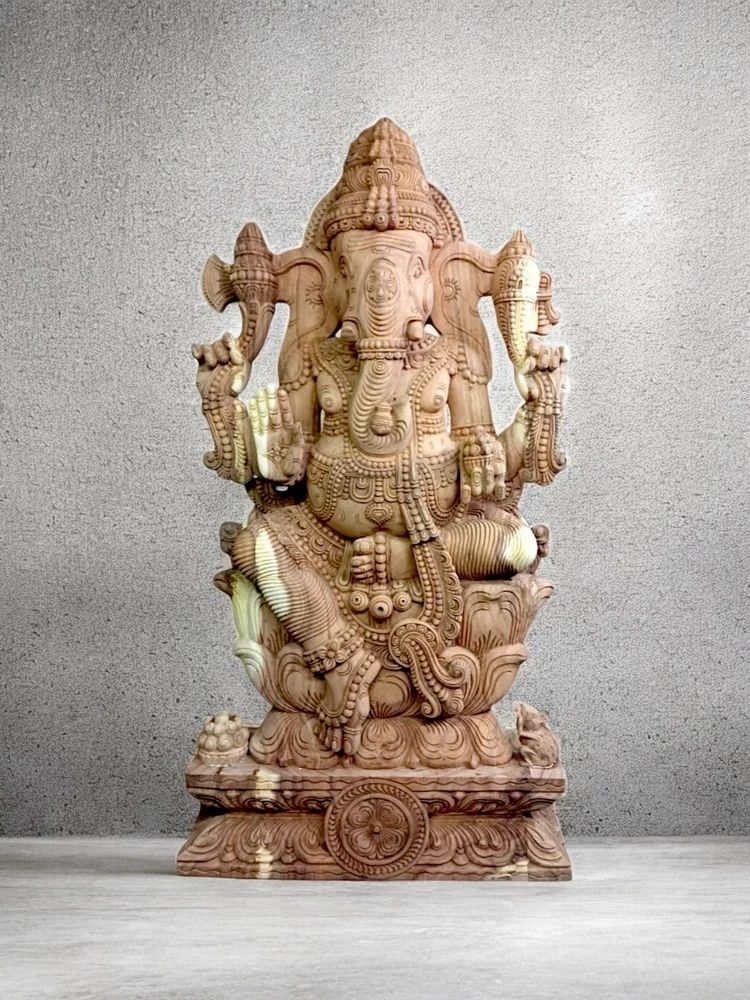
[sps_html tag=”img” src=”https://cdn.theartssection.com/wp-content/uploads/2025/12/the-idol-of-ganesha-in-kadam-wood-carving-by-om-prakash-at-e282b9-18000-00-inside-consigned-vintage-white-ganesha-tree-of-life-carved-wood-wall-art-decor-84.jpg” alt=”The Idol Of Ganesha In Kadam Wood Carving By Om Prakash At ₹ 18000.00 … inside Consigned Vintage White Ganesha Tree Of Life Carved Wood Wall Art Decor, 84″ style=”width: 100%; height: auto;”]
[sps_html tag=”img” src=”https://cdn.theartssection.com/wp-content/uploads/2025/12/woodsify-ganesh-ganapatii-vinayaka-3d-wood-art-hindu-symbol-pooja-for-consigned-vintage-white-ganesha-tree-of-life-carved-wood-wall-art-decor-84.jpg” alt=”Woodsify Ganesh Ganapatii Vinayaka 3D Wood Art, Hindu Symbol, Pooja … for Consigned Vintage White Ganesha Tree Of Life Carved Wood Wall Art Decor, 84″ style=”width: 100%; height: auto;”]
[sps_html tag=”img” src=”https://cdn.theartssection.com/wp-content/uploads/2025/12/white-marble-ganesha-sculpture-packaging-type-wooden-box-2-5-feet-at-with-the-spiritual-meaning-embedded-in-white-wood-ganesha-carvings.jpg” alt=”White Marble Ganesha Sculpture, Packaging Type: Wooden Box, 2.5 Feet At … with The Spiritual Meaning Embedded in White Wood Ganesha Carvings” style=”width: 100%; height: auto;”]
[sps_html tag=”img” src=”https://cdn.theartssection.com/wp-content/uploads/2025/12/ganesha-in-wood-carving-by-k-p-dharmaian-at-rs-170000-00-gurugram-inside-consigned-vintage-white-ganesha-tree-of-life-carved-wood-wall-art-decor-84.jpg” alt=”Ganesha In Wood Carving By K.p. Dharmaian At Rs 170000.00 | Gurugram … inside Consigned Vintage White Ganesha Tree Of Life Carved Wood Wall Art Decor, 84″ style=”width: 100%; height: auto;”]
[sps_html tag=”img” src=”https://cdn.theartssection.com/wp-content/uploads/2025/12/brown-white-wood-ganesha-corrugated-or-velvet-box-size-12-at-rs-with-regard-to-the-spiritual-meaning-embedded-in-white-wood-ganesha-carvings.jpg” alt=”Brown White Wood Ganesha, Corrugated Or Velvet Box, Size: 12'' At Rs … with regard to The Spiritual Meaning Embedded in White Wood Ganesha Carvings” style=”width: 100%; height: auto;”]