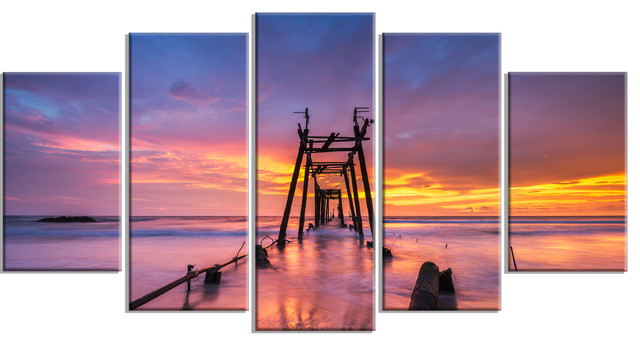
Imagine walking into a room where every plank whispers tales of salt spray, ocean storms, and countless sunrises. That’s the magic of weathered wood in maritime wall decor. It’s not just about aesthetics – it’s about creating spaces that feel lived-in, authentic, and deeply connected to the sea. Whether you’re drawn to the rugged beauty of driftwood or the elegant patina of reclaimed barn wood, this artistic language speaks directly to our primal need for connection with nature.
There’s something profoundly moving about seeing weathered wood in maritime wall decor. It’s like looking at a weathered ship’s hull or a lighthouse that has stood against countless storms. This material carries stories – stories of time, of elements, of resilience. When we bring this essence indoors, we’re not just decorating; we’re creating environments that echo the rhythm of the ocean. The grain patterns tell tales of growth, the knots speak of storms survived, and the subtle discoloration shows the passage of seasons. It’s a language that transcends words, speaking instead through texture, color, and form.
The Visual Poetry of Weathering
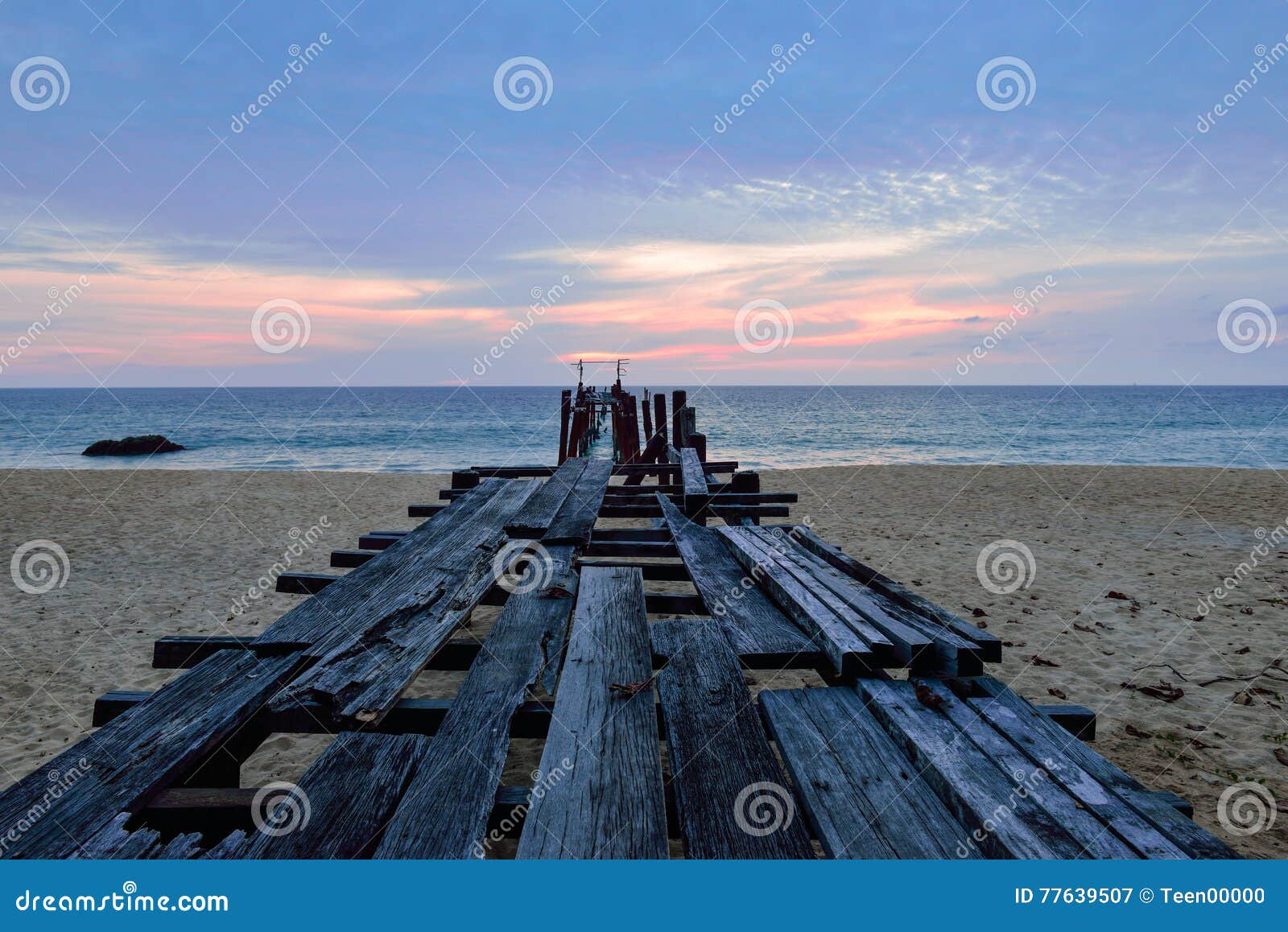
Weathered wood isn’t just old wood – it’s wood that has been shaped by time and environment. Think about how a wooden dock changes over decades. The surface becomes smoother through constant contact with water and sand. The colors shift from bright brown to rich gray, sometimes with hints of green or orange. These transformations aren’t accidents; they’re deliberate artistic expressions of nature’s hand. In maritime settings, this weathering often reveals layers of history that make each piece unique.
The beauty lies in the imperfections. A board might have small holes from marine borers, or its edges might be softly rounded from years of wave action. These aren’t flaws – they’re features that add character. Consider how a piece of weathered timber might show the contrast between areas that were protected from salt spray and those exposed to the elements. This variation creates depth and visual interest that simply cannot be replicated artificially.
What makes weathered wood particularly powerful in maritime decor is how it mimics the natural materials found along coastlines. You’ll find similar textures and tones in driftwood collected from beaches, in the bark of trees that have been stripped by salt winds, and in the timbers of weathered fishing boats.
Choosing the Right Wood for Your Maritime Space
Not all woods are created equal when it comes to maritime applications. Some species naturally resist salt and moisture better than others. Cedar, for instance, contains natural oils that make it excellent for outdoor exposure. Teak is another favorite, known for its resistance to rot and insects. But even within these categories, there are variations in how wood will age and weather.
The choice of wood often depends on the desired aesthetic. Douglas fir offers a warm, golden hue that ages beautifully to a soft gray. Pine brings a lighter, more rustic feel with its pronounced grain patterns. Oak provides a more substantial presence with its strong, bold lines. Each species tells a slightly different story when weathered.
Consider also the source of your wood. Reclaimed barn wood from coastal regions often has the most authentic character because it already bears the marks of its maritime past. Sourcing locally helps ensure authenticity and reduces environmental impact. Many decorators now seek out wood that has been salvaged from old fishing boats, lighthouses, or coastal buildings.
When selecting pieces, look for consistency in aging. While some variation is desirable, uniform weathering often looks more intentional and less like a random collection of scraps. However, the best maritime installations usually combine pieces with different degrees of weathering to create visual depth.
Color Theory in Weathered Maritime Wood
The color palette of weathered wood in maritime decor follows natural progression. Fresh wood typically ranges from pale yellow to reddish-brown. As it ages, it develops a characteristic gray-blue tone, often with subtle hints of green or amber. This process happens gradually, influenced by factors like humidity, sunlight exposure, and salt air.
Understanding these color shifts helps in planning installations. A space with lots of direct sunlight will see faster color changes than one in shade. Similarly, areas near the ocean will experience more dramatic weathering due to increased salt exposure. These variables allow for creative planning – perhaps using lighter weathered pieces in high-light areas and deeper, darker tones in shadowed corners.
The beauty of weathered wood is its ability to blend with existing color schemes while maintaining its own identity. It works well with neutral tones like whites, creams, and grays that are common in coastal homes. It also complements warmer hues like sandy beiges and muted blues. The key is finding pieces that don’t compete but rather enhance the overall palette.
Some designers use color as a focal point, choosing pieces with distinctive color variations to create visual anchors. For example, a dark weathered oak panel might serve as a striking backdrop for a coastal living room, while lighter pieces can provide gentle accents throughout the space.
Texture and Form in Maritime Applications
Texture plays a crucial role in how weathered wood communicates in maritime settings. Rough, uneven surfaces create a sense of ruggedness and authenticity that’s essential to coastal design. Smoothed areas, however, offer balance and contrast. A piece might have rough edges that catch the light while the center remains more polished from wear.
Form matters too. Natural curves found in driftwood create organic movement that feels alive and dynamic. Straight, rectangular pieces offer stability and structure. Combining both types creates a conversation between natural and constructed elements. Many successful installations feature a mix of shapes – some pieces that appear to have been shaped by waves, others that maintain their original structural integrity.
The scale of weathered wood pieces also affects their impact. Large panels can dominate a wall and make a strong statement. Smaller pieces arranged in groups create more intimate, gallery-like displays. The key is considering how the texture and form interact with the room’s proportions. A large weathered plank in a small space might overwhelm, while many small pieces in a large room might get lost.
Many decorators experiment with combining weathered wood with other natural materials like rope, shells, or metal hardware. These combinations enhance the maritime theme while adding tactile interest. The contrast between smooth metal and rough wood creates visual tension that keeps viewers engaged.
Installation Techniques and Placement Strategies
Installing weathered wood requires understanding both its physical properties and its artistic potential. Unlike modern materials, weathered wood responds to environmental conditions, so placement matters significantly. Direct sunlight can accelerate fading, while damp conditions might promote mold growth. Understanding these factors helps in positioning pieces optimally.
Mounting methods vary depending on the piece’s weight and size. Larger panels often require secure mounting systems designed for heavy materials. Smaller pieces can be displayed more freely, sometimes even suspended from hooks or nails. The key is ensuring safety while maintaining the natural appearance.
Layout strategies depend on the room’s function and size. In dining areas, large weathered panels can serve as stunning focal points above mantels or behind seating areas. Living rooms might benefit from collections of smaller pieces arranged in interesting patterns. Bedrooms often work well with softer, more subdued weathered wood installations that create calm atmospheres.
Consider the room’s lighting when planning installations. Natural light changes throughout the day, affecting how weathered wood appears. Artificial lighting can also highlight different aspects of texture and color. Many decorators schedule installations around optimal lighting conditions to ensure the final result matches expectations.
The arrangement of pieces matters enormously. Sometimes a single large piece creates maximum impact. Other times, carefully planned groupings of several smaller pieces create more nuanced visual experiences. The eye naturally follows patterns, so consider how viewers will move through the space and what elements will draw attention.
Maintaining the Authenticity of Weathered Wood
Preserving the authentic character of weathered wood involves understanding what to protect and what to embrace. The natural aging process should continue, as this is part of the material’s appeal. However, extreme weathering can compromise structural integrity, especially in indoor installations.
Regular maintenance focuses on keeping dust and debris removed without disrupting the weathered appearance. Gentle cleaning with appropriate products helps maintain the wood’s condition while preserving its aged look. Avoid harsh chemicals that might strip natural oils or alter coloration.
Climate control plays a significant role. Indoor humidity levels affect how weathered wood behaves. Too much moisture can lead to warping or mold growth, while excessive dryness might cause cracking. Maintaining stable conditions helps preserve both the wood’s structural integrity and its visual appeal.
Some collectors prefer to let weathering continue naturally, accepting that pieces will change over time. Others choose to stabilize certain areas to prevent further degradation. Both approaches have merit, depending on personal preference and intended use. The important thing is making informed decisions based on understanding the material’s behavior.
Seasonal considerations matter too. During wetter months, extra care might be needed to prevent moisture-related issues. In drier periods, monitoring for signs of cracking or splitting becomes important. Regular inspections help catch problems early before they become serious.
Weathered wood in maritime wall decor represents more than just decorative choice – it’s a way of bringing the spirit of the sea into our homes. Through careful selection, thoughtful installation, and proper maintenance, these materials create spaces that feel both timeless and contemporary. The artistry lies not just in the individual pieces but in how they work together to tell a cohesive story of weather, time, and natural beauty. Whether you’re starting with a single striking panel or building an entire gallery wall, weathered wood offers endless possibilities for creating coastal spaces that feel authentic and deeply personal. The key is embracing the natural processes that make each piece unique, allowing them to age gracefully while maintaining their essential character. After all, the true beauty of weathered wood isn’t in its perfection – it’s in its honest imperfections that remind us of nature’s enduring power.
[sps_html tag=”img” src=”https://cdn.theartssection.com/wp-content/uploads/2025/12/saphan-mon-wooden-bridge-broken-at-sunset-time-stock-image-image-of-inside-understanding-the-emotional-impact-of-broken-wooden-bridge-art-at-sunset.jpg” alt=”Saphan Mon Wooden Bridge Broken At Sunset Time Stock Image - Image Of … inside Understanding the Emotional Impact of Broken Wooden Bridge Art at Sunset” style=”width: 100%; height: auto;”]
[sps_html tag=”img” src=”https://cdn.theartssection.com/wp-content/uploads/2025/12/sunset-at-the-broken-wooden-bridge-wooden-bridge-nature-photography-with-regard-to-understanding-the-emotional-impact-of-broken-wooden-bridge-art-at-sunset.jpg” alt=”Sunset At The Broken Wooden Bridge | Wooden Bridge, Nature Photography … with regard to Understanding the Emotional Impact of Broken Wooden Bridge Art at Sunset” style=”width: 100%; height: auto;”]
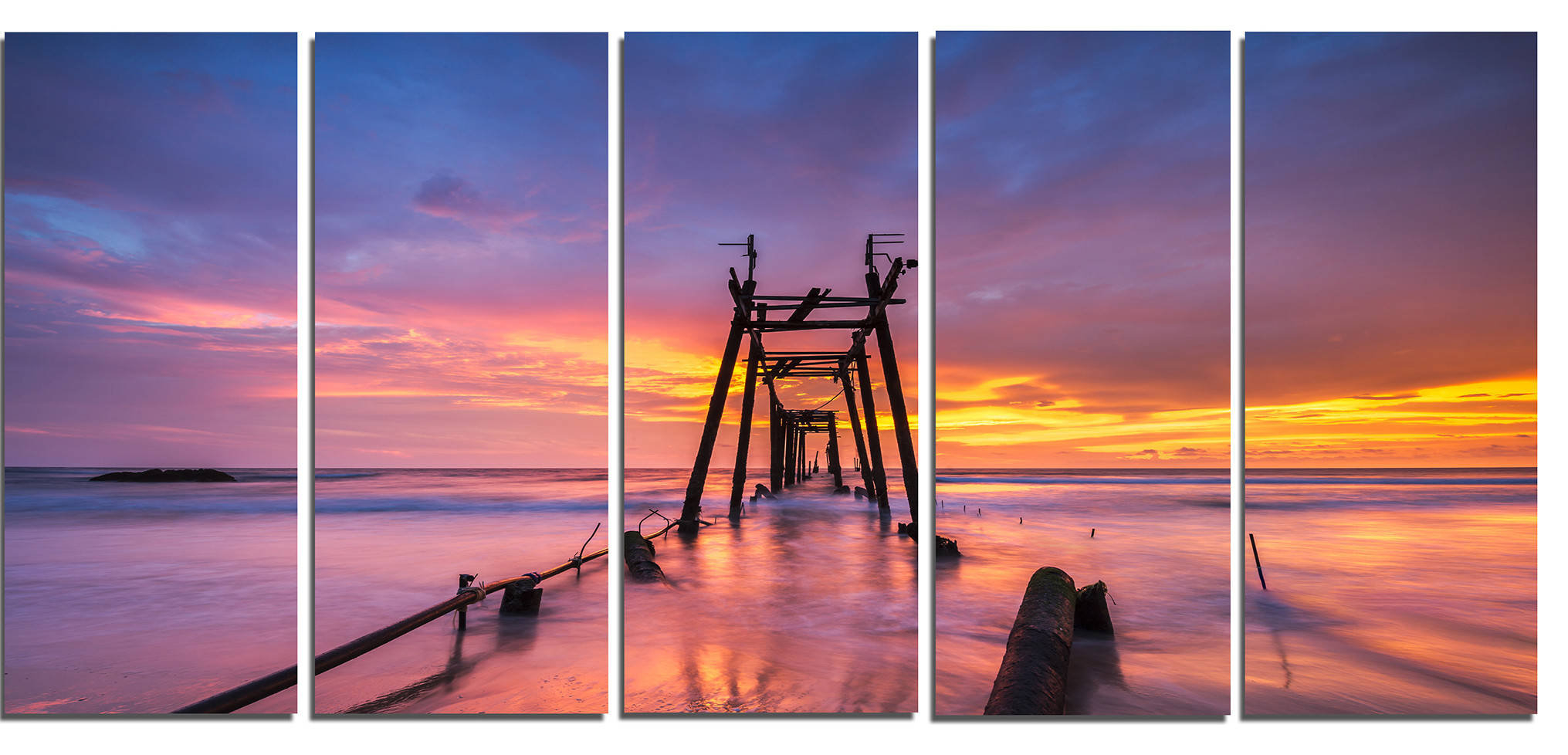
[sps_html tag=”img” src=”https://cdn.theartssection.com/wp-content/uploads/2025/12/broken-wooden-bridge-at-sunset-metal-wall-art-60×28-beach-style-throughout-broken-wooden-bridge-at-sunset-sea-pier-and-bridge-wall-art-4-panels.jpg” alt=”"Broken Wooden Bridge At Sunset" Metal Wall Art, 60"X28" - Beach Style … throughout "Broken Wooden Bridge At Sunset" Sea Pier And Bridge Wall Art, 4 Panels” style=”width: 100%; height: auto;”]
[sps_html tag=”img” src=”https://cdn.theartssection.com/wp-content/uploads/2025/12/broken-old-wooden-pier-bridge-into-the-sea-stock-image-image-of-pertaining-to-broken-wooden-bridge-at-sunset-sea-pier-and-bridge-wall-art-4-panels.jpg” alt=”Broken Old Wooden Pier Bridge Into The Sea Stock Image - Image Of … pertaining to "Broken Wooden Bridge At Sunset" Sea Pier And Bridge Wall Art, 4 Panels” style=”width: 100%; height: auto;”]
[sps_html tag=”img” src=”https://cdn.theartssection.com/wp-content/uploads/2025/12/broken-wooden-bridge-at-sunset-sea-pier-and-bridge-wall-art-60×32-pertaining-to-understanding-the-emotional-impact-of-broken-wooden-bridge-art-at-sunset.jpg” alt=”"Broken Wooden Bridge At Sunset" Sea Pier And Bridge Wall Art, 60"X32 … pertaining to Understanding the Emotional Impact of Broken Wooden Bridge Art at Sunset” style=”width: 100%; height: auto;”]