What if we could peer through the veil that separates our existence from what lies beyond? The fascinating world of studying life and death isn’t just about morbid curiosity. It’s about understanding what makes us human, what happens when we leave this world behind, and how science might help us make sense of both.
We’ve always wondered about the mysteries that lie beyond our mortal coil. From ancient civilizations building elaborate tombs to modern scientists using advanced technology to study consciousness, humanity has been trying to bridge the gap between life and what comes next. What if we could find answers that make sense of both our earthly journey and our eternal destiny? This exploration isn’t just about death—it’s about understanding life itself.
The Science of Consciousness and Beyond
Scientists have been working hard to understand what happens to our minds when we die. Some researchers believe consciousness might not end when our bodies do. They study near-death experiences, where people report vivid memories during cardiac arrest. These accounts often describe seeing light, meeting deceased relatives, or feeling complete peace. What does this tell us about the nature of awareness? Perhaps consciousness exists independently of physical matter. Studies show that even when brain activity drops significantly, some patients report detailed experiences. This challenges everything we thought we knew about how our minds work. The research continues, and it’s changing how we think about life and death. We’re beginning to see consciousness as something more fundamental than we ever imagined. Maybe it’s not just a byproduct of brain function, but rather a primary aspect of reality itself. The implications are staggering.
Cultural Perspectives on Life After Death
Different cultures have always had their own stories about what happens after we pass away. Some believe in reincarnation, where souls return to live again in new bodies. Others envision heaven and hell as destinations for the soul. Still, others see the spirit continuing in nature or among ancestors. These beliefs aren’t just comforting—they shape how people live their lives every day. Anthropologists study how these views affect behavior, ethics, and social structures. In many societies, the belief in an afterlife creates strong moral codes. People act differently when they think their actions will be judged later. This isn’t just about religion—it’s about how we understand ourselves and our place in the universe. When you examine cultures worldwide, you’ll notice patterns in how people prepare for death and honor the deceased. These practices offer insight into what we might consider universal human concerns. Understanding these traditions helps us appreciate how diverse our perspectives can be while still sharing common hopes and fears.
Modern Technology and Spiritual Exploration
Technology is helping researchers explore questions that were once impossible to study. Brain imaging shows us exactly what happens during meditation and spiritual experiences. Researchers can now map neural pathways associated with feelings of transcendence or connection to something greater. Some studies use EEG machines to track brain activity during prayer or religious ceremonies. The results are surprising—many people show increased activity in areas linked to empathy, love, and unity. Scientists are also developing virtual reality programs that simulate near-death experiences. These tools allow researchers to study how people respond to various scenarios without putting anyone at risk. Artificial intelligence helps analyze vast amounts of data about spiritual experiences across cultures. What’s really exciting is how these technologies might help us understand the relationship between the physical and metaphysical worlds. We’re getting closer to finding scientific explanations for what many people have always felt intuitively. The line between what we can measure and what we can’t is becoming increasingly blurred.
Personal Stories and Their Impact
Real-life experiences often provide the most powerful evidence for what happens after death. Consider the case of Pam Reynolds, who underwent a rare brain surgery in 1991. During the procedure, her heart stopped for several minutes. She reported vivid dreams and conversations with medical staff, despite being unconscious. Her story helped spark serious scientific interest in out-of-body experiences. Many others share similar accounts. Grandmother Mary told her family she saw her late husband waiting for her in a bright light before passing away peacefully. These personal narratives add depth to scientific findings. They remind us that behind every study and theory are real people with real experiences. When someone dies and leaves behind a legacy of love, hope, or wisdom, that legacy continues to impact others long after the person is gone. These stories often carry more weight than academic papers because they speak to our hearts directly. They give us hope that perhaps there’s more to existence than what we can see and touch.
Ethical Considerations in Death Research
As we push boundaries in studying life and death, ethical questions arise. Researchers must balance scientific curiosity with respect for human dignity. When studying near-death experiences, scientists must ensure participants aren’t harmed or traumatized. There’s also the question of whether certain research methods are appropriate. Should we simulate death experiences or manipulate consciousness for study purposes? These decisions involve careful consideration of potential consequences. Researchers must also consider cultural sensitivities when studying different beliefs about death. What might seem like harmless curiosity to one group could be deeply offensive to another. The field requires constant vigilance to avoid exploitation or misrepresentation. Ethical guidelines help protect both participants and researchers. They ensure that discoveries about life and death are made responsibly. Without proper safeguards, this important area of study could become harmful rather than helpful. The responsibility is great, but so is the potential benefit for humanity.
Future Directions in Life-Death Studies
The future holds incredible promise for bridging the gap between life and death. New technologies may allow us to better understand consciousness and its relationship to the physical body. Quantum physics research might reveal how information persists beyond biological limits. Some scientists propose that our consciousness could be like a radio signal—transmitting across space and time. This concept opens doors to understanding how memories, emotions, and experiences might continue in some form. Interdisciplinary collaboration between neuroscience, psychology, theology, and philosophy will likely produce breakthroughs. Universities are creating specialized programs that combine traditional academic study with spiritual inquiry. We’re also learning more about how grief affects the living and how to support those who are dying. These developments could revolutionize how we approach death and dying. Imagine if we could prepare better for the transition, comfort those who are suffering, and find meaning in loss. The research might lead to more compassionate care and deeper understanding of what it means to be alive.
The journey from life to death isn’t just about ending—it’s about transformation. Through careful study, we’re beginning to see that consciousness, identity, and experience might extend far beyond our physical limitations. Whether through scientific exploration, cultural wisdom, or personal testimony, we’re learning that the barriers between life and what comes next might not be as solid as we once believed. These discoveries don’t necessarily answer all our questions, but they do open new possibilities for understanding our place in the universe. What we know now is that death isn’t the final chapter—it’s perhaps the beginning of something entirely different. As we continue to ask questions and seek answers, we’re not just exploring the unknown. We’re discovering more about what makes us human and how we connect with each other across all forms of existence. The conversation is far from over, and every new study adds another piece to this incredible puzzle.
[sps_html tag=”img” src=”https://cdn.theartssection.com/wp-content/uploads/2025/11/10-insightful-perception-vs-reality-examples-in-everyday-life-throughout-to-the-other-side-multi.jpg” alt=”10 Insightful Perception Vs Reality Examples In Everyday Life throughout To The Other Side - Multi” style=”width: 100%; height: auto;”]
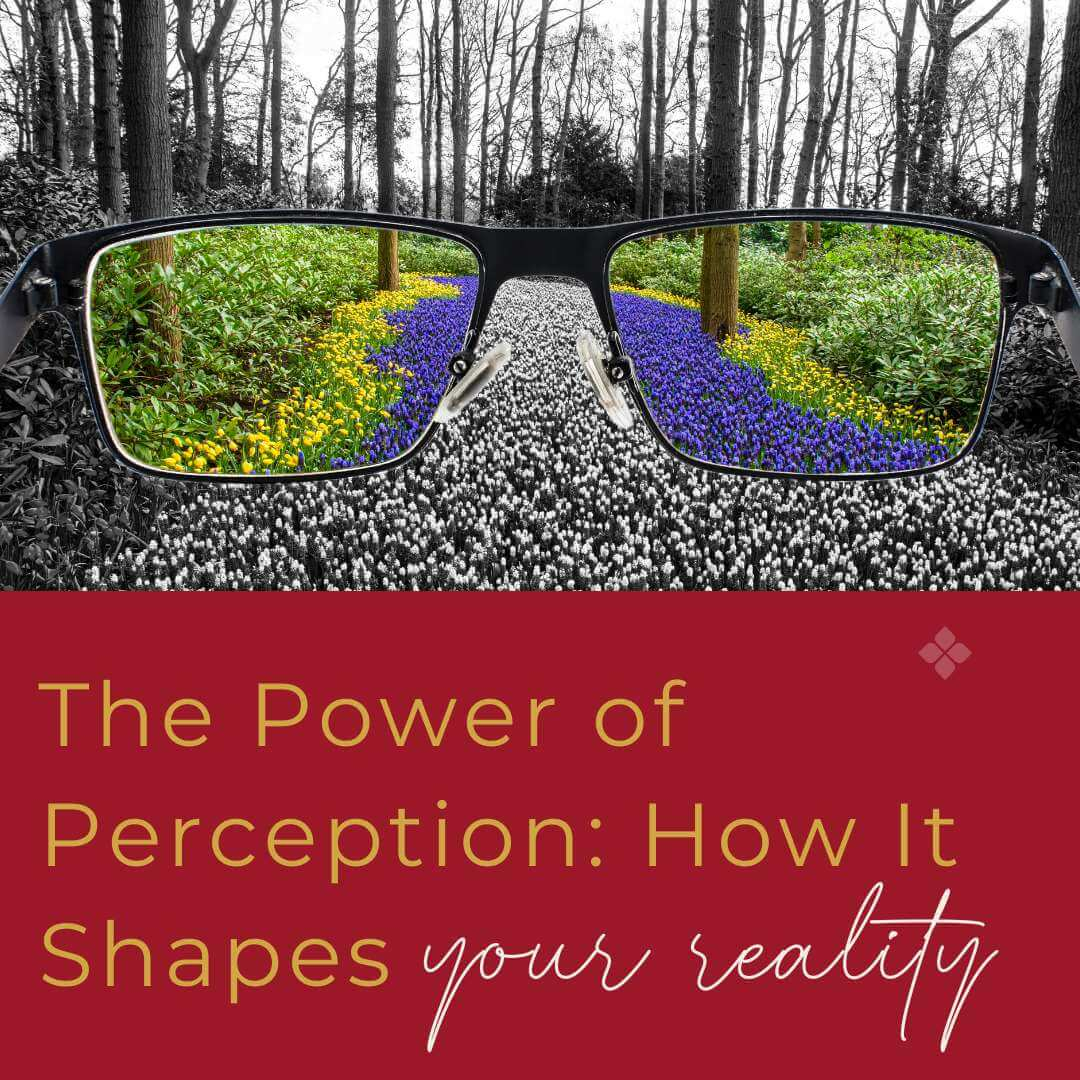
[sps_html tag=”img” src=”https://cdn.theartssection.com/wp-content/uploads/2025/11/the-power-of-perception-how-it-shapes-your-reality-with-regard-to-understanding-the-shift-beyond-single-reality-perception.jpg” alt=”The Power Of Perception: How It Shapes Your Reality with regard to Understanding the Shift Beyond Single-Reality Perception” style=”width: 100%; height: auto;”]
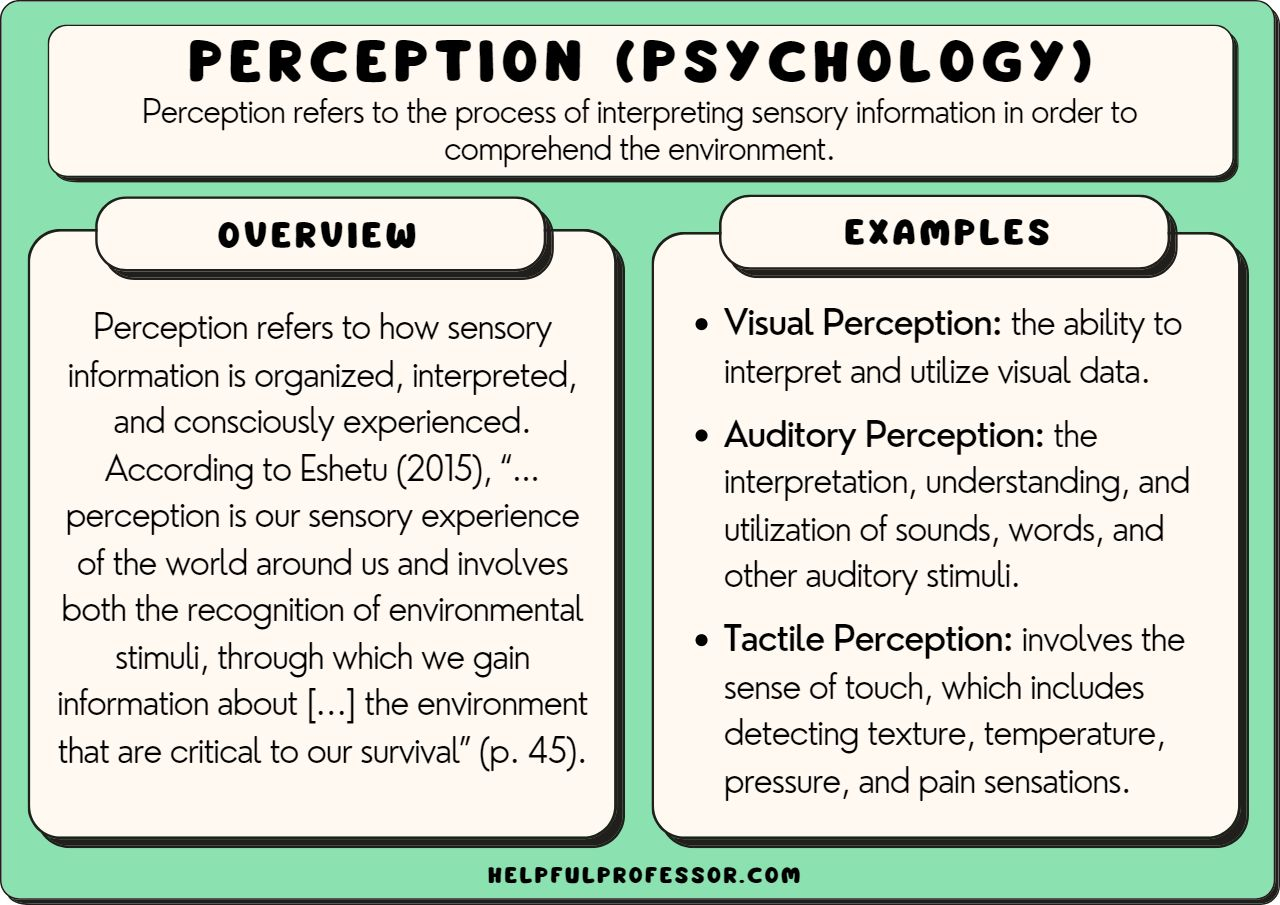
[sps_html tag=”img” src=”https://cdn.theartssection.com/wp-content/uploads/2025/11/visual-perception-behavior-figure-1-from-the-relationship-between-for-understanding-the-shift-beyond-single-reality-perception.jpg” alt=”Visual Perception Behavior Figure 1 From The Relationship Between for Understanding the Shift Beyond Single-Reality Perception” style=”width: 100%; height: auto;”]
[sps_html tag=”img” src=”https://cdn.theartssection.com/wp-content/uploads/2025/11/perception-vs-reality-words-compares-thought-or-imagination-with-intended-for-to-the-other-side-multi.jpg” alt=”Perception Vs Reality Words Compares Thought Or Imagination With … intended for To The Other Side - Multi” style=”width: 100%; height: auto;”]
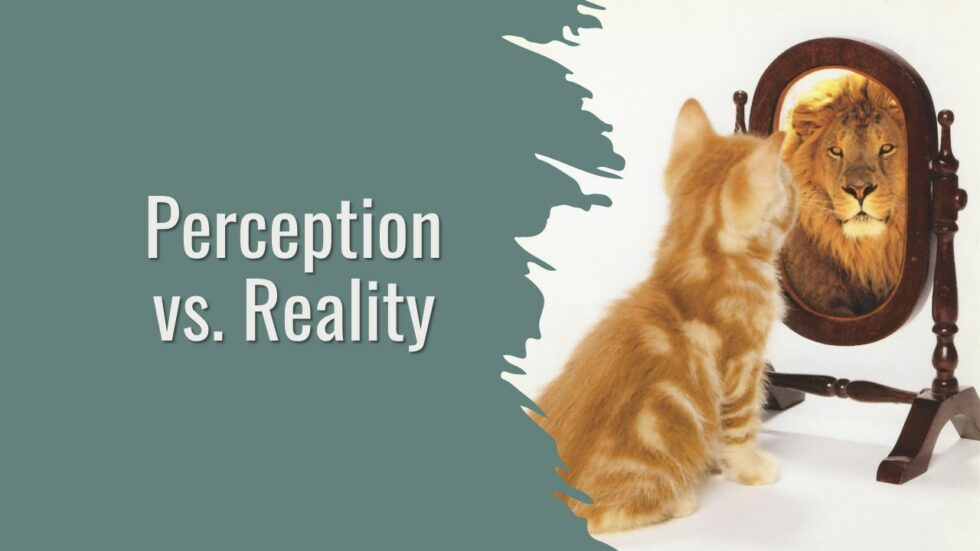
[sps_html tag=”img” src=”https://cdn.theartssection.com/wp-content/uploads/2025/11/perception-vs-reality-first-christian-church-inside-understanding-the-shift-beyond-single-reality-perception.jpg” alt=”Perception Vs. Reality - First Christian Church inside Understanding the Shift Beyond Single-Reality Perception” style=”width: 100%; height: auto;”]