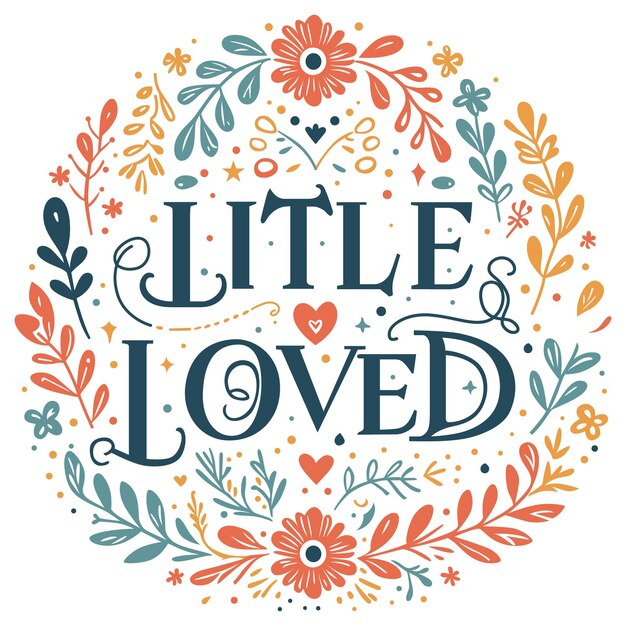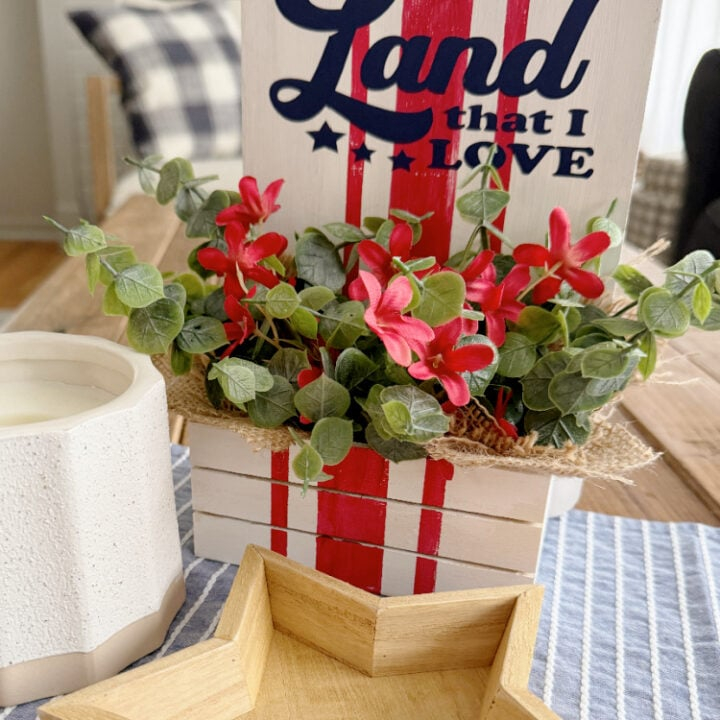
Picture this: delicate flowers dancing alongside elegant lettering on weathered plaques. This isn’t just decorative art—it’s a story of evolution, creativity, and timeless craftsmanship. For decades, artisans have been weaving together the organic beauty of flora with the structured elegance of typography to create what we now know as Little Lady plaques. But how did this unique combination come to be? What forces shaped its development? And why does it continue to captivate people today?
In the quiet corners of homes and businesses across the country, there’s something special happening. Small plaques with intricate designs catch your eye, drawing you closer with their gentle curves and careful attention to detail. These aren’t ordinary decorations—they’re Little Lady plaques, where nature and letters dance together in perfect harmony. What started as simple commemorative pieces has transformed into an art form that speaks to our deepest appreciation for both beauty and meaning. The journey of floral typography in this craft reveals fascinating insights about tradition, innovation, and the human desire to make lasting connections.
Origins of the Floral Typographic Tradition
The roots of this distinctive style stretch back to the late 1800s when American craftsmen began experimenting with combining ornamental elements. Early plaque makers noticed that adding floral motifs to traditional lettering created a more inviting and personal feel. Think about it—when you see a name accompanied by a small rose or vine design, it feels warmer than plain text alone. This wasn’t just about decoration; it was about creating emotional connections. The earliest examples show simple leaves and stems integrated with basic serif fonts. These weren’t grand masterpieces, but they established the foundation for something beautiful to come. Many early pieces were commissioned for important occasions like weddings, business openings, or memorial services. The floral elements helped soften the formal nature of traditional typography while maintaining the essential message. It’s interesting to note that this trend emerged around the same time as the Arts and Crafts movement, which emphasized handcrafted quality over mass production. This timing suggests a broader cultural shift toward valuing artisanal work and personal expression. Some historians believe the influence came from European traditions of combining nature with written words, particularly from Victorian-era decorative arts.
Artisan Techniques and Materials Through Time
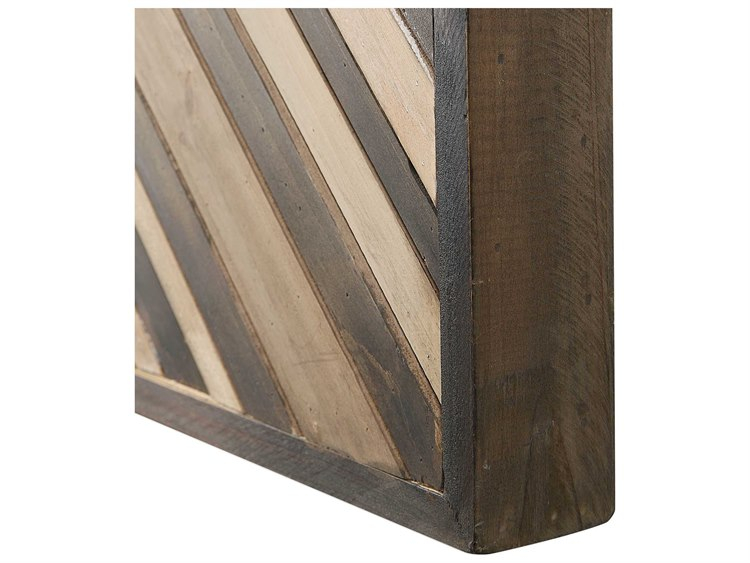
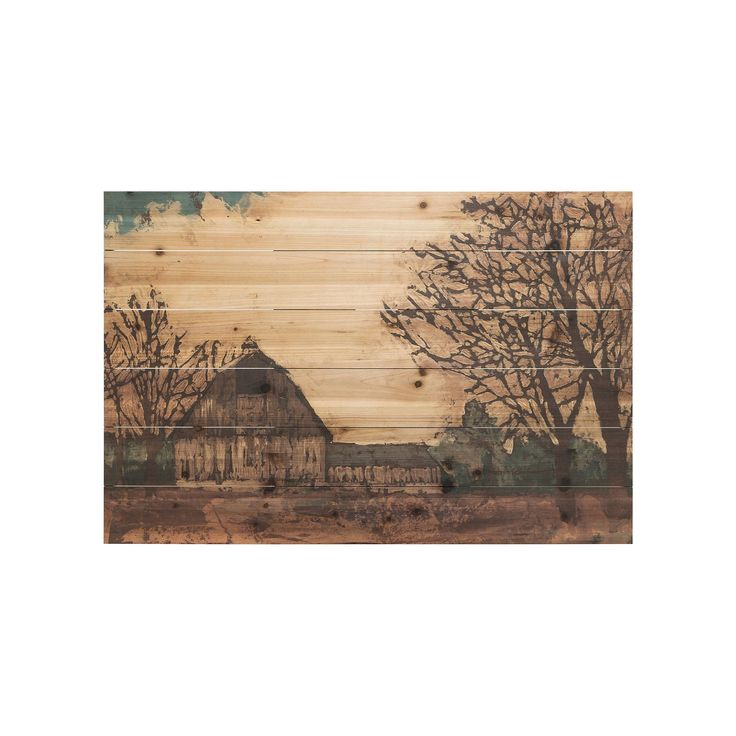
Crafting these beautiful pieces required patience and skill that’s often overlooked today. Early artisans used various materials depending on their resources and intended purpose. Wood remained popular for indoor plaques, allowing for detailed carving and painting. Metal options became available later, especially for outdoor pieces that needed durability. The process involved multiple steps: first, designing the layout, then carefully cutting or casting the base material, followed by applying the floral elements and lettering. Many craftsmen developed their own unique methods for creating consistent results. Some preferred hand-carved elements, while others used stencils for repetitive patterns. The most skilled artisans would spend hours perfecting each curve of a flower petal or the precise angle of a letter stroke. Painters had to consider how colors would age and fade over time, choosing pigments that would maintain their vibrancy for decades. One particularly interesting technique involved using different textures to create depth—smooth lettering contrasted with rougher floral backgrounds. This added visual interest and made the final pieces more engaging to look at. The materials themselves often told stories too. Bronze plaques suggested permanence and wealth, while painted wooden ones felt more approachable and homey. These choices influenced how people interacted with the pieces, shaping not just their appearance but their emotional impact.
Evolution of Design Elements and Styles
As decades passed, the designs evolved dramatically. Early pieces featured simple, geometric floral patterns that complemented traditional fonts. But by the mid-1900s, designers began incorporating more elaborate and naturalistic elements. Roses became more detailed, with individual petals and realistic shading. Leaves grew more complex, sometimes featuring veins and textures that mimicked real botanical specimens. The typography itself changed too. Serif fonts gave way to more modern sans-serif styles, reflecting changing tastes in graphic design. Some artisans even began mixing different font styles within single plaques, creating visual tension that made the pieces more dynamic. The size relationships between flowers and letters became more sophisticated. Rather than simply placing one next to the other, artists learned to balance the visual weight of each element. This meant that a large flower might be paired with smaller, more delicate lettering to create harmony. Some craftsmen experimented with color combinations, using complementary hues to make certain elements stand out. Others played with contrasting textures, creating a tactile experience that went beyond visual appeal. The overall effect was a more refined aesthetic that spoke to growing sophistication in design sensibilities.
Cultural Impact and Regional Variations
Different regions developed their own interpretations of this art form, leading to fascinating regional variations. In the South, floral motifs often featured magnolias and camellias, reflecting local botanical diversity. New England artisans preferred more traditional roses and ivy patterns, echoing colonial influences. Western states embraced desert blooms like cacti and wildflowers, giving their pieces a distinctly regional character. These differences weren’t just about aesthetics—they reflected local identity and cultural values. Communities often chose designs that connected to their history or environment. Some areas developed distinctive techniques for creating specific types of flowers, becoming known for particular styles. For instance, certain workshops became famous for their realistic rose sculptures or intricate leaf patterns. The cultural significance extended beyond mere decoration. These plaques often served as markers of community pride and family heritage. They were displayed in prominent locations, serving as conversation starters and symbols of good taste. Many families passed down their favorite designs through generations, creating a sense of continuity and belonging. The regional variations also influenced how the plaques were used. Some communities favored more formal designs for business settings, while others preferred whimsical patterns for residential spaces. This adaptability helped the tradition survive and thrive across different contexts.
Modern Innovations and Contemporary Applications
Today’s artisans face new challenges and opportunities thanks to technology and changing consumer preferences. Digital tools have made it easier to plan complex layouts, though many still prefer traditional hand-finishing techniques. Modern materials offer new possibilities, from synthetic resins that mimic wood grain to specialized paints that resist fading. However, the core principles remain unchanged—balancing natural elements with textual messages in ways that feel both beautiful and meaningful. Contemporary designers experiment with bold color combinations and abstract floral forms while still respecting traditional techniques. Some have expanded the concept beyond standard plaques, creating wall installations, jewelry pieces, and even architectural elements. The internet has allowed craftspeople to share techniques and inspire each other across great distances. Online communities have formed around this art form, sharing tips and showcasing new innovations. Social media has also brought renewed interest from younger audiences who appreciate the handmade quality and historical significance. New applications include personalized gifts, custom business signage, and even artistic commissions for public spaces. These developments show that while the fundamental appeal remains constant, the medium continues to evolve with contemporary tastes and needs. The challenge lies in maintaining authenticity while embracing change.
Preservation and Future of the Craft
Keeping this tradition alive requires deliberate effort from both craftspeople and enthusiasts. Many older artisans are passing down their knowledge through apprenticeships and mentorship programs. Workshops teach traditional techniques while encouraging innovation. Museums and collectors play crucial roles in documenting and preserving historic pieces. These efforts ensure that future generations can appreciate both the technical skills involved and the cultural significance of these works. The craft faces challenges from mass-produced alternatives and changing lifestyle preferences. However, there’s growing recognition of the value of handmade items and the stories they tell. Many consumers are willing to pay premium prices for authentic, handcrafted pieces that carry emotional weight. Educational programs in schools and community centers help introduce young people to this art form. These initiatives often start with simple projects that build foundational skills before moving to more complex work. The future likely holds continued growth in demand for personalized, meaningful items. As people seek ways to connect with tradition and craftsmanship, this art form has strong potential for expansion. Sustainability concerns may also drive interest, as handmade pieces often represent a more environmentally conscious alternative to disposable products. The key will be balancing preservation of traditional methods with necessary adaptations for modern times. This delicate balance ensures that the craft remains relevant while honoring its rich history.
The story of floral typography in Little Lady plaque craftsmanship is more than just about pretty pictures and pretty words. It’s about human connection, cultural identity, and the desire to create something lasting that tells a story. From those early simple combinations to today’s sophisticated designs, this art form has shown remarkable resilience and adaptability. What began as a way to make commemorative pieces more appealing has grown into a respected craft that bridges the gap between tradition and modernity. The beauty of this tradition lies in its ability to evolve while maintaining core values of craftsmanship, personalization, and emotional resonance. Whether you’re looking at a vintage plaque in your grandmother’s house or discovering this art form for the first time, you’re experiencing something that connects us all to our shared appreciation for beauty, meaning, and the enduring power of thoughtful creation. The future looks bright for this craft, as new generations continue to find inspiration in these timeless combinations of nature and lettering.
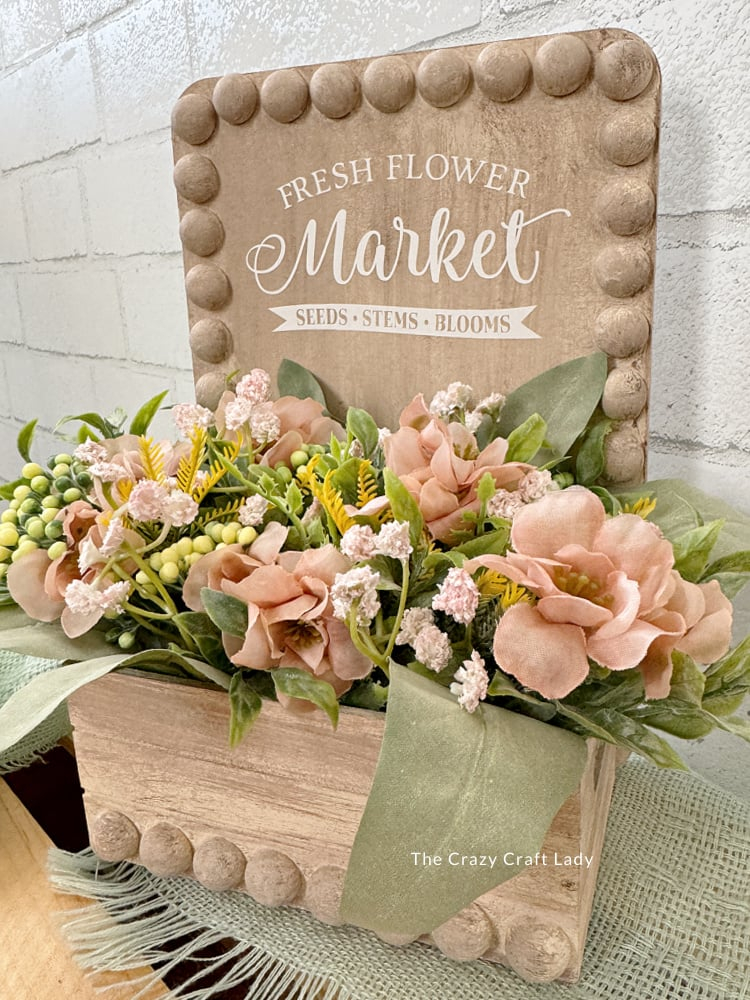
[sps_html tag=”img” src=”https://cdn.theartssection.com/wp-content/uploads/2025/11/patriotic-mini-flower-crate-dollar-store-craft-the-crazy-craft-lady-regarding-exploring-the-craftsmanship-of-little-lady-typography-floral-memorials.jpg” alt=”Patriotic Mini Flower Crate - Dollar Store Craft - The Crazy Craft Lady regarding Exploring the Craftsmanship of Little Lady Typography Floral Memorials” style=”width: 100%; height: auto;”]
[sps_html tag=”img” src=”https://cdn.theartssection.com/wp-content/uploads/2025/11/premium-vector-ornamental-floral-design-with-the-typography-word-in-little-lady-typography-floral-plaque.jpg” alt=”Premium Vector | Ornamental Floral Design With The Typography Word … in Little Lady Typography Floral, Plaque” style=”width: 100%; height: auto;”]
[sps_html tag=”img” src=”https://cdn.theartssection.com/wp-content/uploads/2025/11/patriotic-mini-flower-crate-dollar-store-craft-the-crazy-craft-lady-with-regard-to-exploring-the-craftsmanship-of-little-lady-typography-floral-memorials.jpg” alt=”Patriotic Mini Flower Crate - Dollar Store Craft - The Crazy Craft Lady with regard to Exploring the Craftsmanship of Little Lady Typography Floral Memorials” style=”width: 100%; height: auto;”]