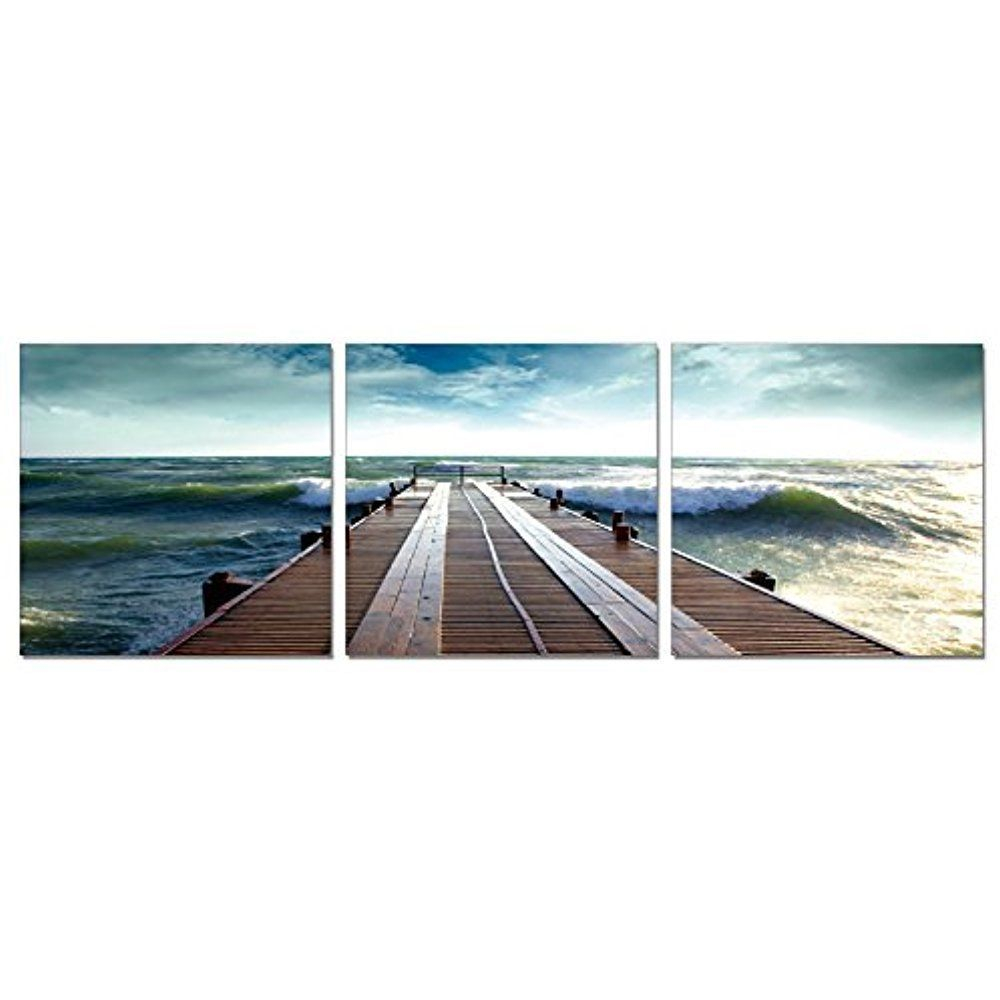
There’s something deeply moving about standing before a weathered wooden pier, its planks worn smooth by decades of salt spray and sun exposure. But what happens when that pier isn’t just a structure—it’s also a canvas of human creativity? The emotional resonance of abandoned wooden pier artwork goes far beyond the visual. These forgotten masterpieces carry stories, memories, and feelings that speak directly to our hearts.
Picture yourself walking along a forgotten shoreline, the wind whispering through broken wooden planks that once held the dreams of countless artists. These aren’t just old piers—these are canvases where creativity met decay, where human expression found its way onto the most unlikely of surfaces. What strikes you most isn’t just the physical beauty of weathered wood, but the profound sense of connection to something larger than yourself. There’s a particular kind of poetry in abandonment, a melancholy grace that transforms simple wooden structures into powerful emotional touchstones.
The Weight of Time on Creative Expression
When we look at abandoned wooden pier artwork, we’re witnessing the passage of time itself. Each faded paint chip, each splintered board, and every rusted nail tells a story that extends far beyond the moment of creation. The emotional impact comes from understanding that these works were created during a time when someone believed in their message, their vision, and their place in the world.
Consider how different a painting feels when it’s been displayed in a museum versus when it sits forgotten on a beach. The former carries the weight of institutional approval, while the latter carries the raw honesty of personal expression. These piers don’t just display art—they preserve moments of human vulnerability and hope. The fact that they’ve been left behind adds another layer of meaning. They’re not just artworks; they’re testimonies to the ephemeral nature of human endeavors.
- What do we lose when we abandon our creative expressions?
- How does the passage of time change our relationship with art?
- Why do we find such comfort in things that have been left behind?
Memory and Nostalgia in Weathered Wood
The emotional pull of abandoned pier artwork often stems from how it triggers memories and nostalgia. The sight of weathered planks can instantly transport viewers back to childhood summers, family vacations, or even first loves. This phenomenon occurs because our brains form strong associations with textures, colors, and shapes that we encounter repeatedly.
Think about how a particular scent can bring back an entire memory. Similarly, the tactile qualities of weathered wood—its smoothness, its grain patterns, its very presence—can trigger powerful emotional responses. The way light filters through gaps in the planks creates shadows that seem to dance with history itself. It’s not just the artwork that speaks to us, but the entire environment that surrounds it.
These pieces become anchors for our collective memory. They represent moments in time when people felt compelled to express themselves, to leave something lasting, even if that something was meant to be temporary. The emotional resonance grows stronger because we recognize our own desire to create and to be remembered.
- Why do we feel nostalgic when looking at old, worn things?
- How does the physicality of materials affect our emotional responses?
- What makes certain places hold such powerful memories for us?
Beauty in Decline and Acceptance
There’s a strange beauty in watching something beautiful deteriorate gracefully. Abandoned wooden pier artwork demonstrates this concept perfectly. The process of decay becomes part of the artistic statement itself. Rather than being a flaw, the weathering becomes a feature that enhances the work’s emotional impact.
This acceptance of imperfection resonates with many people’s experiences of life’s inevitable changes. We all face decline, whether it’s physical, emotional, or social. When we see artwork that has aged gracefully, it reminds us that beauty isn’t always about perfection. Sometimes, it’s about finding meaning in the imperfect.
The contrast between the original intention of the artwork and its current state creates a rich emotional landscape. Was the artist trying to create something permanent? Or did they know it would eventually fade away? Either way, the result speaks to the human condition in ways that polished, pristine art often cannot.
- How does the concept of beauty change when we embrace imperfection?
- What does the process of decay teach us about life?
- Why do we find elegance in things that are no longer perfect?
Community and Shared Experience
Abandoned wooden pier artwork often represents more than individual expression. These pieces frequently serve as community gathering points, even when they’re no longer actively maintained. People naturally gravitate toward places that tell stories, and these piers become informal museums of sorts.
The emotional impact multiplies when multiple people share the same experience of discovering or returning to these locations. They become meeting places for those who appreciate art, history, and the quiet beauty of forgotten things. Often, the most meaningful connections happen when people discover that others have had similar reactions to the same artwork.
Many communities develop a sense of ownership over these spaces, feeling responsible for preserving or documenting them. This connection transforms the artwork from mere decoration into something that truly belongs to the people who encounter it. The emotional bond grows stronger because it’s shared rather than solitary.
- How do public spaces shape community identity?
- What role does shared discovery play in emotional connection?
- Can art create bonds between strangers?
The Psychology of Forgotten Art
Psychologically speaking, abandoned pier artwork taps into several fundamental human needs. First, there’s the need for permanence—the desire to leave something that outlasts us. Second, there’s the need for recognition and validation, which artists seek through their work. Third, there’s the need for connection, both with the creator and with others who might encounter the piece.
What makes these works particularly potent is how they fulfill these needs even when they’re forgotten. The act of creating them satisfies the need for expression, and the fact that they’re now abandoned means they’re no longer tied to specific individuals or institutions. They become universal symbols of human creativity.
Research in environmental psychology shows that people form strong emotional attachments to places that have personal significance. When these places are altered or destroyed, it can cause genuine grief. The abandonment of pier artwork creates a form of loss that many people experience viscerally, even if they never knew the original creators.
- How does the concept of permanence influence our emotional responses?
- What psychological needs do abandoned artworks fulfill?
- Why do we grieve the loss of things that were never ours?
Preservation and the Future of Forgotten Art
As we grapple with the emotional power of these abandoned artworks, questions arise about preservation. Should we attempt to restore them, or is their current state part of their message? This dilemma reflects broader concerns about how we value and maintain cultural heritage.
Some argue that restoration preserves the original intent of the artists, while others believe that the decay itself is integral to the artwork’s meaning. The debate mirrors larger discussions about authenticity and preservation in the arts. It’s not just about saving pieces of wood or paint—it’s about maintaining the emotional integrity of the creative experience.
Many communities have begun documenting these artworks through photography and written records. This approach acknowledges that some things are better left to age naturally while still ensuring their stories don’t disappear completely. The documentation becomes a new form of artistic expression, one that honors both the original work and the process of its deterioration.
- Should we preserve everything, or let some things fade naturally?
- How do we balance preservation with the natural process of aging?
- What does it mean to honor forgotten art?
The emotional impact of abandoned wooden pier artwork reveals something profound about human nature. These weathered canvases remind us that art isn’t just about permanence—it’s about connection, memory, and the courage to express ourselves even when we know our efforts might not last forever. They teach us that beauty can emerge from decay, that meaning can be found in abandonment, and that our deepest emotions often connect us to things that are no longer whole.
Perhaps the greatest lesson these forgotten piers offer is that art, like life itself, is a journey of becoming. The final destination may not matter as much as the path we take to get there. Whether they’re preserved, documented, or simply allowed to weather naturally, these wooden masterpieces continue to speak to our souls, reminding us that even in abandonment, there’s still something beautiful to discover. The question isn’t whether we’ll forget these works, but rather how we’ll remember them—and what we’ll learn from their quiet persistence.
[sps_html tag=”img” src=”https://cdn.theartssection.com/wp-content/uploads/2025/11/maryland-print-bridge-wall-art-night-sky-framed-art-architecture-in-sea-bridge-wall-art-as-contemporary-expression-of-memory.jpg” alt=”Maryland Print, Bridge Wall Art, Night Sky Framed Art, Architecture … in Sea Bridge Wall Art as Contemporary Expression of Memory” style=”width: 100%; height: auto;”]
[sps_html tag=”img” src=”https://cdn.theartssection.com/wp-content/uploads/2025/11/framed-ocean-sea-bridge-contemporary-art-canvas-picture-prints-wall-throughout-abandoned-wooden-pier-and-blue-sky-sea-bridge-wall-artwork-4-panels.jpg” alt=”[Framed] Ocean Sea Bridge Contemporary Art Canvas Picture Prints Wall … throughout "Abandoned Wooden Pier And Blue Sky" Sea Bridge Wall Artwork, 4 Panels” style=”width: 100%; height: auto;”]
[sps_html tag=”img” src=”https://cdn.theartssection.com/wp-content/uploads/2025/11/long-jetty-foreshore-reserve-with-clouds-sea-bridge-wall-artwork-40-in-sea-bridge-wall-art-as-contemporary-expression-of-memory.jpg” alt=”"Long Jetty Foreshore Reserve With Clouds" Sea Bridge Wall Artwork, 40 … in Sea Bridge Wall Art as Contemporary Expression of Memory” style=”width: 100%; height: auto;”]
[sps_html tag=”img” src=”https://cdn.theartssection.com/wp-content/uploads/2025/11/long-wooden-bridge-and-colorful-sky-sea-bridge-wall-artwork-40×20-inside-sea-bridge-wall-art-as-contemporary-expression-of-memory.jpg” alt=”"Long Wooden Bridge And Colorful Sky" Sea Bridge Wall Artwork, 40"X20 … inside Sea Bridge Wall Art as Contemporary Expression of Memory” style=”width: 100%; height: auto;”]
[sps_html tag=”img” src=”https://cdn.theartssection.com/wp-content/uploads/2025/11/peel-and-stick-canvas-wallpaper-wall-mural-aerial-photograph-beautiful-within-sea-bridge-wall-art-as-contemporary-expression-of-memory.jpeg” alt=”Peel And Stick Canvas Wallpaper Wall Mural Aerial Photograph Beautiful … within Sea Bridge Wall Art as Contemporary Expression of Memory” style=”width: 100%; height: auto;”]