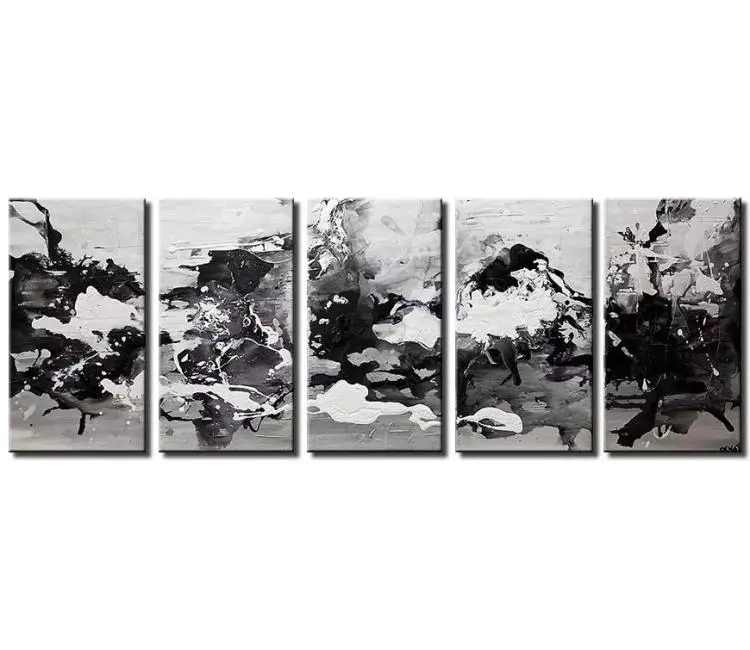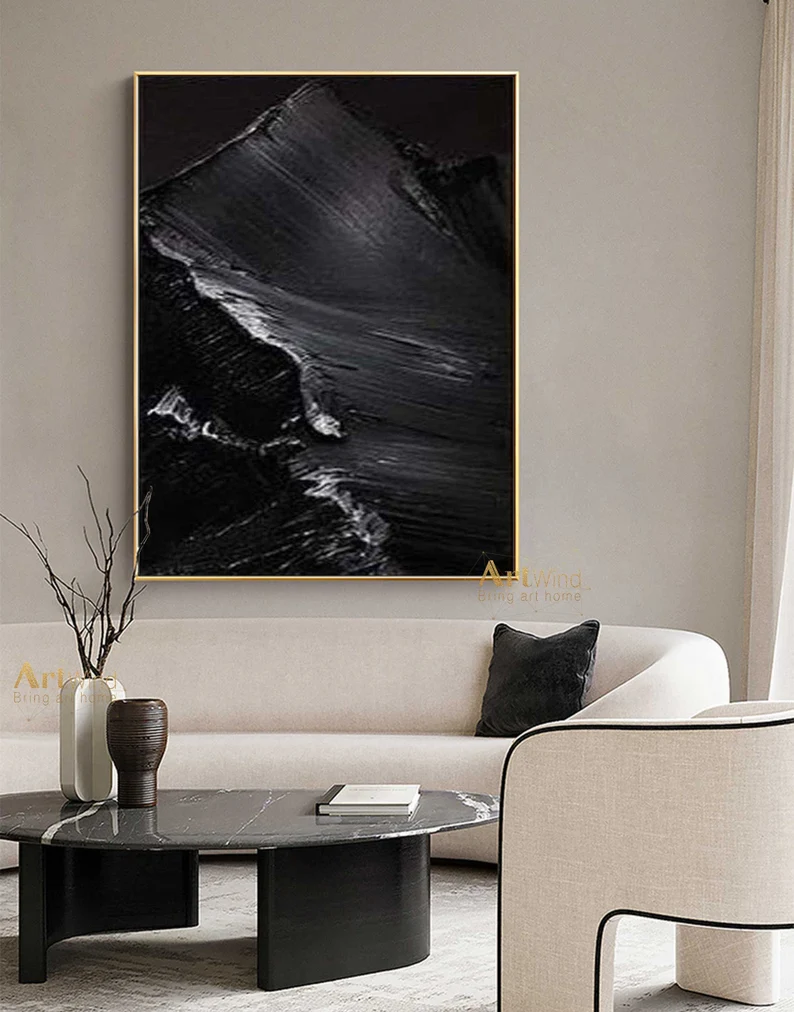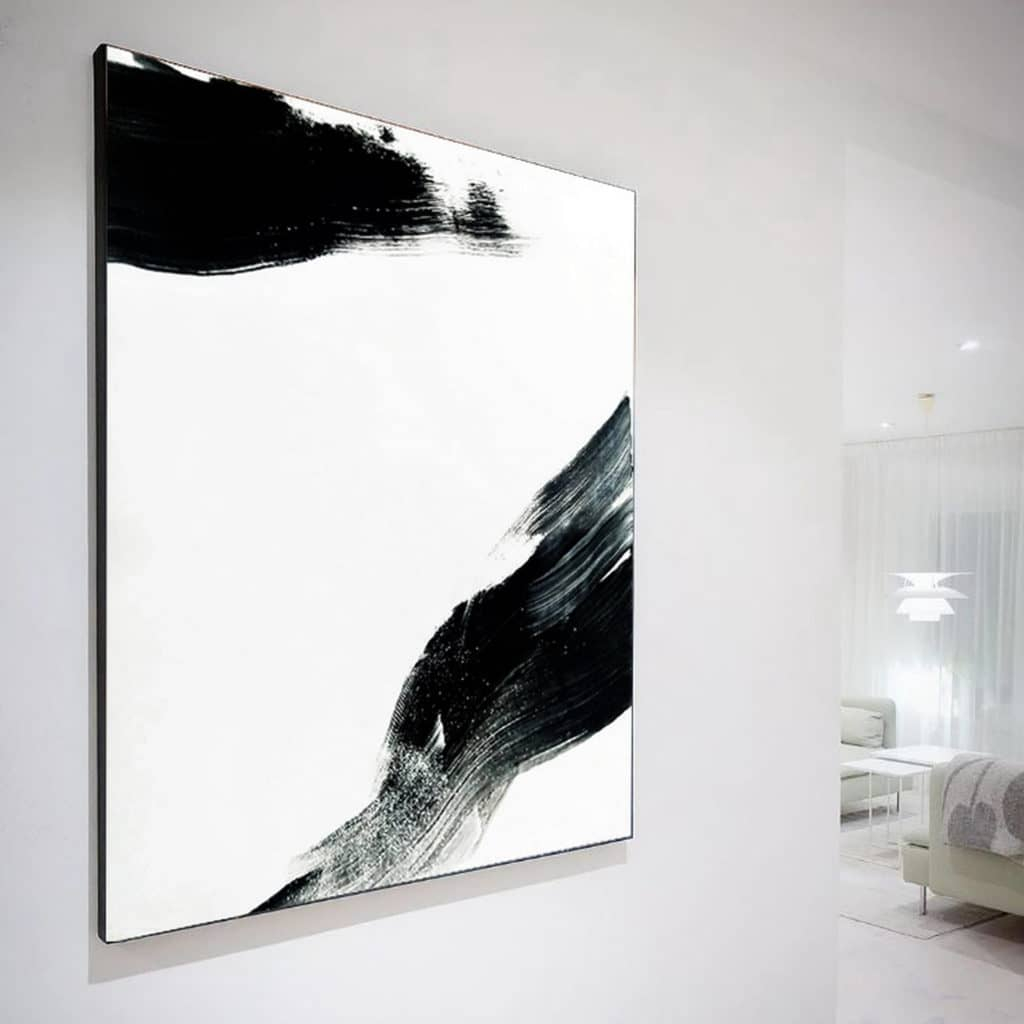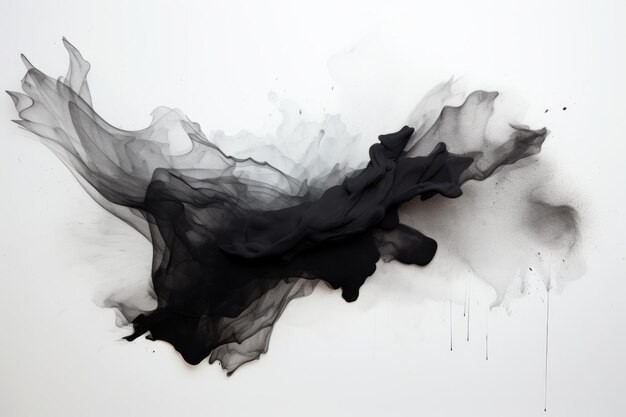
In the world of contemporary art, few elements carry as much weight and meaning as black paint stain. It’s not just a color—it’s a statement, a mood, a movement. The evolution of black abstract paint stain on canvas tells a story that spans decades and cultures, revealing how artists have transformed this simple pigment into one of the most expressive tools in modern artistic vocabulary.
Black paint stain on canvas might seem like a straightforward concept, but it’s anything but simple. It’s been the silent protagonist in countless exhibitions, the quiet revolution in galleries worldwide, and the emotional anchor in many masterpieces. When we talk about black abstract paint stain, we’re not just discussing a color—we’re talking about a philosophy, a technique, and a deeply personal form of expression. This isn’t just about black paint anymore; it’s about how artists have learned to wield darkness itself to create light, depth, and meaning in their work.
Historical Foundations
The roots of black paint stain in art run deep, stretching back centuries before it became the focus of contemporary canvas work. Early artists discovered that black wasn’t just a color to fill in shadows—it was a tool for creating drama, mystery, and profound emotion. In Renaissance times, black chalk and charcoal were used to build form and create contrast, establishing the foundation for what would later become abstract stain techniques.
Artists like Picasso and Matisse experimented with dark tones long before abstract expressionism took hold. But it wasn’t until the mid-20th century that black paint stain truly began to take center stage. The post-war era brought new philosophies about art’s role in society, and artists found themselves drawn to the power of pure, unadorned black. It represented everything from mourning to rebirth, from emptiness to infinite possibility.
Technique and Medium Evolution
The way artists approach black paint stain has evolved dramatically over time. Early techniques often involved mixing traditional black pigments with oil mediums, creating rich, heavy layers that could be scraped and built upon. These early methods gave artists control over texture and depth, allowing them to create organic, almost living surfaces.
Modern approaches have expanded beyond basic pigment mixing. Artists now experiment with:
•
Acrylic stains that flow differently than traditional oils
•
Water-based black pigments that create unique transparency effects
•
Mixed media approaches combining black stain with other materials like sand, charcoal, or even metallic powders
•
Digital manipulation that influences physical painting processes
These innovations have allowed for more experimental and spontaneous applications, making black stain more accessible and versatile than ever before.
Cultural Significance and Identity
Perhaps nowhere is the importance of black paint stain more evident than in its cultural resonance. For many artists, particularly those from African American communities, black represents more than just a color—it embodies history, strength, and identity. The use of black stain in contemporary art becomes a form of cultural commentary, a way to reclaim narratives and assert presence.
Consider how artists like Jean-Michel Basquiat or Kerry James Marshall used black not just as a visual element, but as a statement about race, power, and representation. Their work demonstrates how black paint stain can carry entire histories within its depths. It’s not just about the color itself, but about what it means to the artist and their audience.
This cultural dimension has pushed black abstract stain into the mainstream conversation about diversity and inclusion in art, making it more than just a technical choice—it’s a political and social act.
Contemporary Applications and Innovation
Today’s artists are pushing boundaries with black paint stain in ways that would surprise their predecessors. We see large-scale installations that transform entire gallery spaces using black stain, creating immersive experiences that engage viewers on multiple sensory levels. Some artists use black stain to create negative space, making what isn’t there just as important as what is there.
New techniques include:
•
Staining directly onto canvas without preliminary sketches
•
Using gravity and natural flow to create organic patterns
•
Layering transparent black washes to create depth and luminosity
•
Incorporating black stain into mixed-media sculptures
•
Exploring how different canvas textures affect stain behavior
These approaches show how black paint stain has become a flexible tool rather than a fixed medium, adapting to each artist’s vision while maintaining its core essence.
Psychological Impact and Emotional Resonance
What makes black paint stain so compelling isn’t just its visual properties—it’s how it affects our emotions and perceptions. Psychologically, black carries enormous weight. It can represent death, mystery, elegance, or power. In the context of abstract art, this complexity becomes a strength.
Artists use black stain to:
•
Create tension between light and dark elements
•
Establish mood and atmosphere without literal representation
•
Provide a stark contrast to brighter colors
•
Offer a sense of calm or chaos depending on application
•
Build emotional narratives that resonate with viewers
The psychological impact is immediate and visceral. When someone encounters a canvas dominated by black stain, they don’t just see paint—they feel something. That emotional connection is what transforms a simple paint application into a powerful artistic statement.
Future Directions and Emerging Trends
Looking ahead, black paint stain continues to evolve with technology and changing artistic sensibilities. Digital art has influenced how artists think about layering and transparency, bringing new possibilities to traditional stain techniques. Some artists are experimenting with LED lighting that interacts with black stain surfaces, creating dynamic, changing artworks.
Emerging trends include:
•
Sustainable black pigments made from natural materials
•
Interactive installations that respond to environmental factors
•
Cross-cultural collaborations exploring different interpretations of black
•
Integration with virtual reality and augmented reality technologies
•
Focus on black stain as a meditation practice rather than just artistic technique
The future seems bright for black abstract paint stain, with artists continuing to find new ways to express the infinite possibilities that exist within darkness itself.
The evolution of black abstract paint stain in contemporary canvas art shows us how a single element can transform over time, taking on new meanings and purposes. From its early uses in classical art to its current role as a powerful medium for cultural expression and emotional communication, black paint stain has proven its worth again and again. What started as a simple color choice has become a sophisticated artistic tool that speaks to our deepest emotions and most complex ideas. As we move forward, black stain will undoubtedly continue to surprise us, offering new ways to explore the relationship between darkness and light, absence and presence, silence and sound. The journey of black abstract paint stain is far from over—and it’s one that promises to keep evolving with the artists who dare to work with its mysterious power.
[sps_html tag=”img” src=”https://cdn.theartssection.com/wp-content/uploads/2025/10/large-white-black-abstract-painting-on-canvas-original-minimalist-throughout-exploring-color-psychology-in-black-abstract-paint-stain-canvas-prints.webp” alt=”Large White Black Abstract Painting On Canvas Original Minimalist … throughout Exploring Color Psychology in Black Abstract Paint Stain Canvas Prints” style=”width: 100%; height: auto;”]
[sps_html tag=”img” src=”https://cdn.theartssection.com/wp-content/uploads/2025/10/premium-photo-dualistic-harmony-exploring-white-and-black-abstract-with-black-abstract-paint-stain-canvas-print.jpg” alt=”Premium Photo | Dualistic Harmony Exploring White And Black Abstract … with "Black Abstract Paint Stain" Canvas Print” style=”width: 100%; height: auto;”]
[sps_html tag=”img” src=”https://cdn.theartssection.com/wp-content/uploads/2025/10/black-abstract-canvas-art-3d-textured-painting-black-abstract-painting-within-exploring-color-psychology-in-black-abstract-paint-stain-canvas-prints.png” alt=”Black Abstract Canvas Art 3D Textured Painting Black Abstract Painting … within Exploring Color Psychology in Black Abstract Paint Stain Canvas Prints” style=”width: 100%; height: auto;”]
[sps_html tag=”img” src=”https://cdn.theartssection.com/wp-content/uploads/2025/10/hd-wallpaper-abstract-painting-stains-dark-artistic-no-people-within-black-abstract-paint-stain-canvas-print-scaled.jpg” alt=”Hd Wallpaper: Abstract Painting, Stains, Dark, Artistic, No People … within "Black Abstract Paint Stain" Canvas Print” style=”width: 100%; height: auto;”]
[sps_html tag=”img” src=”https://cdn.theartssection.com/wp-content/uploads/2025/10/black-abstract-art-black-is-the-new-black-ron-deri-art-for-black-abstract-paint-stain-canvas-print.jpg” alt=”Black Abstract Art - Black Is The New Black | Ron Deri Art for "Black Abstract Paint Stain" Canvas Print” style=”width: 100%; height: auto;”]