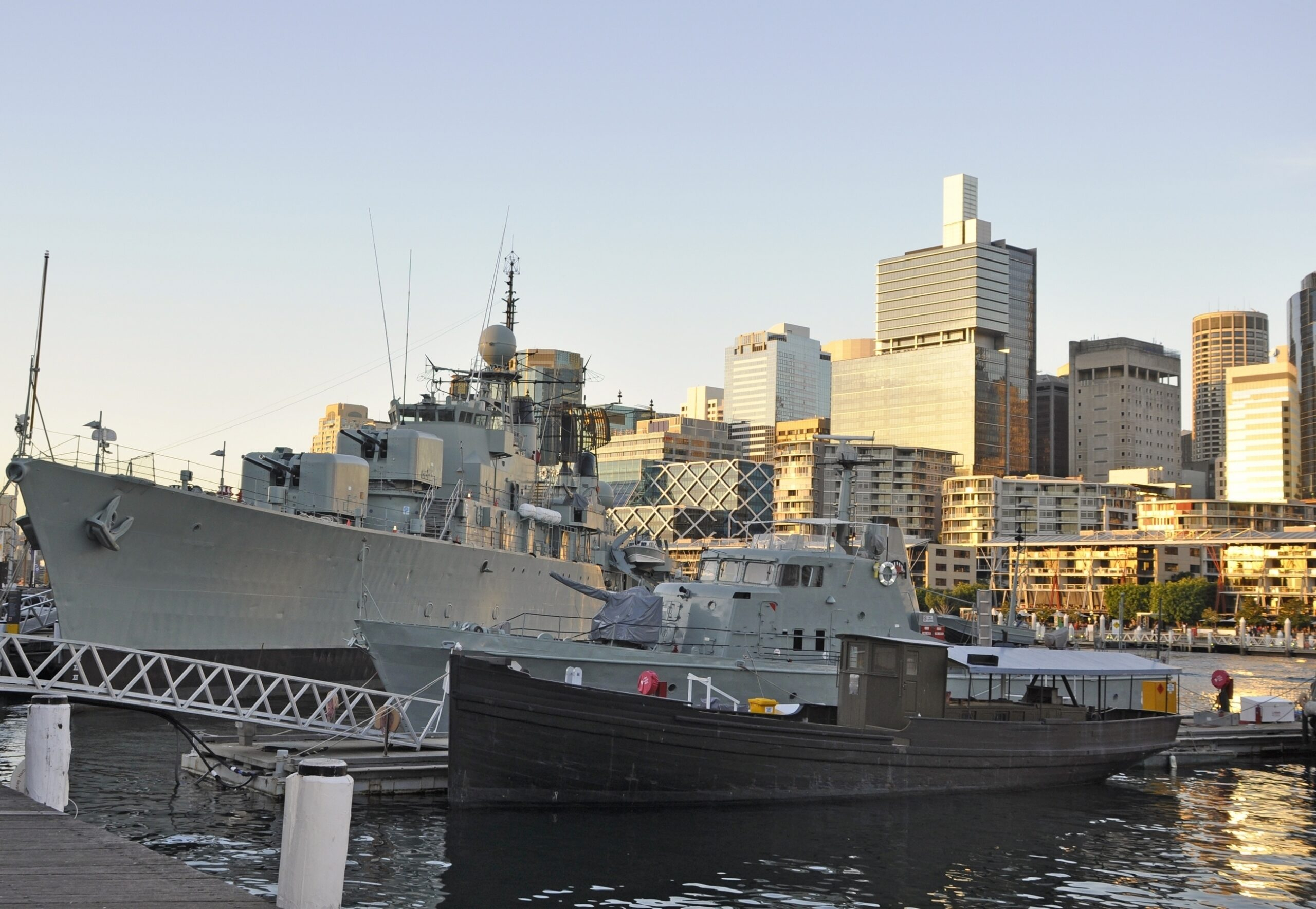
There’s something magical about standing at the edge of the sea, feeling the salt spray on your face and hearing the rhythmic crash of waves against rocks. This primal attraction to coastal views isn’t just about vacation photos or beach holidays. It’s a deeply rooted human fascination that artists have been capturing for centuries. What makes ocean vistas so compelling? Why do we find ourselves drawn to the meeting point of land and sea?
Coastal landscapes possess an almost hypnotic quality that seems to transcend time and culture. From ancient cave paintings depicting sea creatures to modern digital art celebrating sunset silhouettes, humans have consistently found beauty in shoreline scenes. But what exactly is it about these environments that triggers such strong emotional responses? Is it the dramatic contrast between sky and water, the endless movement of waves, or perhaps something deeper embedded in our evolutionary history? These questions form the heart of understanding why coastal landscapes hold such enduring artistic appeal.
The Visual Symphony of Sea and Sky
The most obvious reason coastal scenes captivate artists lies in their striking visual composition. The natural boundary between earth and ocean creates a powerful focal point that draws the eye. Think about how photographers frame shots with the horizon line cutting through the middle of their image – it’s a fundamental rule of visual balance. But there’s more happening here than simple aesthetics. The interplay between light reflecting off water surfaces creates infinite variations in color and texture. Morning light might paint the ocean in soft golds, while sunset hues transform the same waters into brilliant oranges and purples. These constantly shifting moods provide endless inspiration for artists seeking to capture the ephemeral nature of moments.
Consider how different coastal environments offer unique visual opportunities:
• Rocky coastlines with dramatic cliffs create bold geometric shapes
• Sandy beaches offer flowing lines and gradual color transitions
• Islands and headlands add natural frames to compositions
• Tidal pools showcase microcosms of marine life within small spaces
Each setting presents its own challenges and rewards for creative expression.
Emotional Resonance and Psychological Impact
Beyond the technical aspects of composition, coastal landscapes tap into something primal within us. Research in environmental psychology suggests that views of open water and expansive horizons can reduce stress and anxiety levels significantly. When we look out over the ocean, our brains seem to enter a state of calm contemplation. This might explain why so many artists report feeling energized after working near the shore.
The emotional pull runs deeper than mere relaxation. Coastal scenes often represent freedom, infinity, and the unknown. They remind us of our place in the vastness of nature. For artists, these associations translate into powerful symbolic meanings. A painting of waves might represent the flow of life itself, while a distant lighthouse could symbolize guidance through uncertain times.
Many painters describe feeling a sense of ‘presence’ when working near the ocean – that moment when they lose track of time and simply exist in the scene. This state of flow is highly prized in artistic practice, and it often occurs naturally at coastal locations.
Historical Evolution of Coastal Art
The artistic celebration of coastal landscapes spans millennia, evolving through various cultural and aesthetic movements. Ancient civilizations like the Greeks and Romans depicted maritime scenes, though often more mythological than realistic. The Renaissance brought greater attention to accurate representation, with artists like Claude Lorrain creating idealized seascapes that influenced generations.
The 19th century marked a revolutionary shift with the rise of Romanticism. Artists began focusing on the raw power and grandeur of natural coastlines rather than idealized versions. J.M.W. Turner’s stormy seas and Caspar David Friedrich’s dramatic coastal vistas became iconic representations of nature’s overwhelming force.
Modern art saw further evolution with Impressionism and beyond. Artists like Monet captured the fleeting effects of light on water, while contemporary creators explore abstract interpretations of oceanic forms. The tradition continues today with digital artists incorporating virtual reality techniques to recreate coastal experiences.
This historical progression shows how coastal themes have adapted to each era’s artistic sensibilities while maintaining their core appeal. What remains constant is the fundamental human desire to connect with the sea through visual expression.
Cultural Variations in Coastal Appreciation
Different cultures approach coastal landscapes with varying perspectives shaped by geography, history, and spiritual beliefs. In Japan, the concept of ‘shokunin’ emphasizes finding beauty in natural elements, including coastal scenes. Traditional Japanese art often features subtle representations of oceanic movement, with careful attention to seasonal changes and atmospheric conditions.
In Mediterranean cultures, coastal living has been central to artistic expression for centuries. The Italian Renaissance celebrated the relationship between land and sea, while Spanish artists like Picasso drew inspiration from coastal fishing villages. The influence of maritime life on artistic traditions runs deep in these regions.
Indigenous communities worldwide have developed rich visual languages around coastal environments. Native American tribes along the Pacific Northwest created intricate totems and paintings depicting ocean spirits, while Australian Aboriginal artists incorporated coastal motifs into their traditional storytelling.
These diverse approaches demonstrate that while the basic appeal of coastal landscapes may be universal, the specific ways artists express this connection vary dramatically across cultures and time periods.
Techniques and Approaches in Coastal Art
Artists working with coastal subjects employ various methods to capture the essence of shoreline environments. Watercolorists often exploit the fluid nature of their medium to mimic wave motion, while oil painters build layers to capture the depth and complexity of ocean surfaces. Photography offers unique advantages for documenting the constant changes in coastal conditions.
Key techniques include:
• Using atmospheric perspective to create depth and distance
• Capturing the dynamic movement of waves through brushstrokes or camera motion
• Emphasizing the contrast between light and shadow on wet surfaces
• Incorporating reflections as both literal and metaphorical elements
• Working with changing tides to show different aspects of the same location
Digital artists now have unprecedented tools to manipulate coastal imagery, creating surreal interpretations that blend reality with imagination. Some artists even use satellite imagery combined with traditional painting techniques to create hybrid works that span multiple scales of observation.
The challenge for any artist is finding personal ways to interpret the familiar coastal experience. Whether through realistic portrayal or abstract interpretation, successful coastal art balances technical skill with emotional authenticity.
Contemporary Relevance and Environmental Awareness
Today’s coastal art carries additional weight due to growing environmental concerns. Climate change, rising sea levels, and ocean pollution have transformed coastal scenes from purely aesthetic subjects into urgent messages about planetary health. Many contemporary artists now incorporate environmental themes directly into their work, using coastal settings to highlight ecological issues.
Recent exhibitions have featured artists who document erosion patterns, plastic pollution in marine environments, and changing weather patterns. These works serve both aesthetic and educational purposes, encouraging viewers to consider their relationship with ocean ecosystems. The artistic response to climate change has become a significant part of coastal art practice.
Social media has amplified this trend, with countless photographers sharing images of dramatic coastal storms, unusual marine phenomena, and conservation efforts. These platforms allow artists to reach wider audiences and foster global conversations about ocean preservation. The immediacy of digital sharing means that coastal art now functions as both documentation and advocacy.
What emerges is a new generation of coastal artists who see their work as both beautiful and necessary – creating art that reflects current environmental realities while inspiring action.
The artistic appeal of coastal landscapes represents one of humanity’s most enduring creative impulses. Whether viewed through the lens of ancient traditions or modern digital techniques, these environments continue to inspire artists across all mediums. Their power lies not just in their visual beauty, but in their ability to connect us to something larger than ourselves. The ocean’s rhythm, the sky’s vastness, and the ever-changing relationship between land and water create a canvas that speaks to fundamental human experiences of wonder, freedom, and connection. As we face new environmental challenges, coastal art remains vital – serving as both celebration and warning, beauty and responsibility. The next time you find yourself drawn to a shoreline view, remember that you’re participating in a tradition that spans thousands of years and countless artistic expressions. The sea continues to call to us, and artists keep answering with every brushstroke, every photograph, and every creative interpretation of this timeless landscape.
[sps_html tag=”img” src=”https://cdn.theartssection.com/wp-content/uploads/2025/11/this-collection-of-photographs-captures-the-essence-of-sydney-with-capturing-the-essence-of-sydneys-maritime-heritage.jpg” alt=”This Collection Of Photographs Captures The Essence Of Sydney … with Capturing the Essence of Sydney's Maritime Heritage” style=”width: 100%; height: auto;”]
[sps_html tag=”img” src=”https://cdn.theartssection.com/wp-content/uploads/2025/11/australian-national-maritime-museum-admission-ticket-in-sydney-australia-intended-for-capturing-the-essence-of-sydneys-maritime-heritage.jpg” alt=”Australian National Maritime Museum Admission Ticket In Sydney, Australia intended for Capturing the Essence of Sydney's Maritime Heritage” style=”width: 100%; height: auto;”]
[sps_html tag=”img” src=”https://cdn.theartssection.com/wp-content/uploads/2025/11/australian-national-maritime-museum-visit-sydney-for-cloudy-australian-seashore-in-sydney-canvas-print20x12.jpg” alt=”Australian National Maritime Museum - Visit Sydney for "Cloudy Australian Seashore In Sydney" Canvas Print20"X12"” style=”width: 100%; height: auto;”]
[sps_html tag=”img” src=”https://cdn.theartssection.com/wp-content/uploads/2025/11/aerial-stock-image-sydney-maritime-museum-with-regard-to-capturing-the-essence-of-sydneys-maritime-heritage.jpg” alt=”Aerial Stock Image - Sydney Maritime Museum with regard to Capturing the Essence of Sydney's Maritime Heritage” style=”width: 100%; height: auto;”]
[sps_html tag=”img” src=”https://cdn.theartssection.com/wp-content/uploads/2025/11/sydney-harbour-secrets-australian-heritage-festival-sydney-heritage-intended-for-cloudy-australian-seashore-in-sydney-canvas-print20x12.jpg” alt=”Sydney Harbour Secrets | Australian Heritage Festival - Sydney Heritage … intended for "Cloudy Australian Seashore In Sydney" Canvas Print20"X12"” style=”width: 100%; height: auto;”]