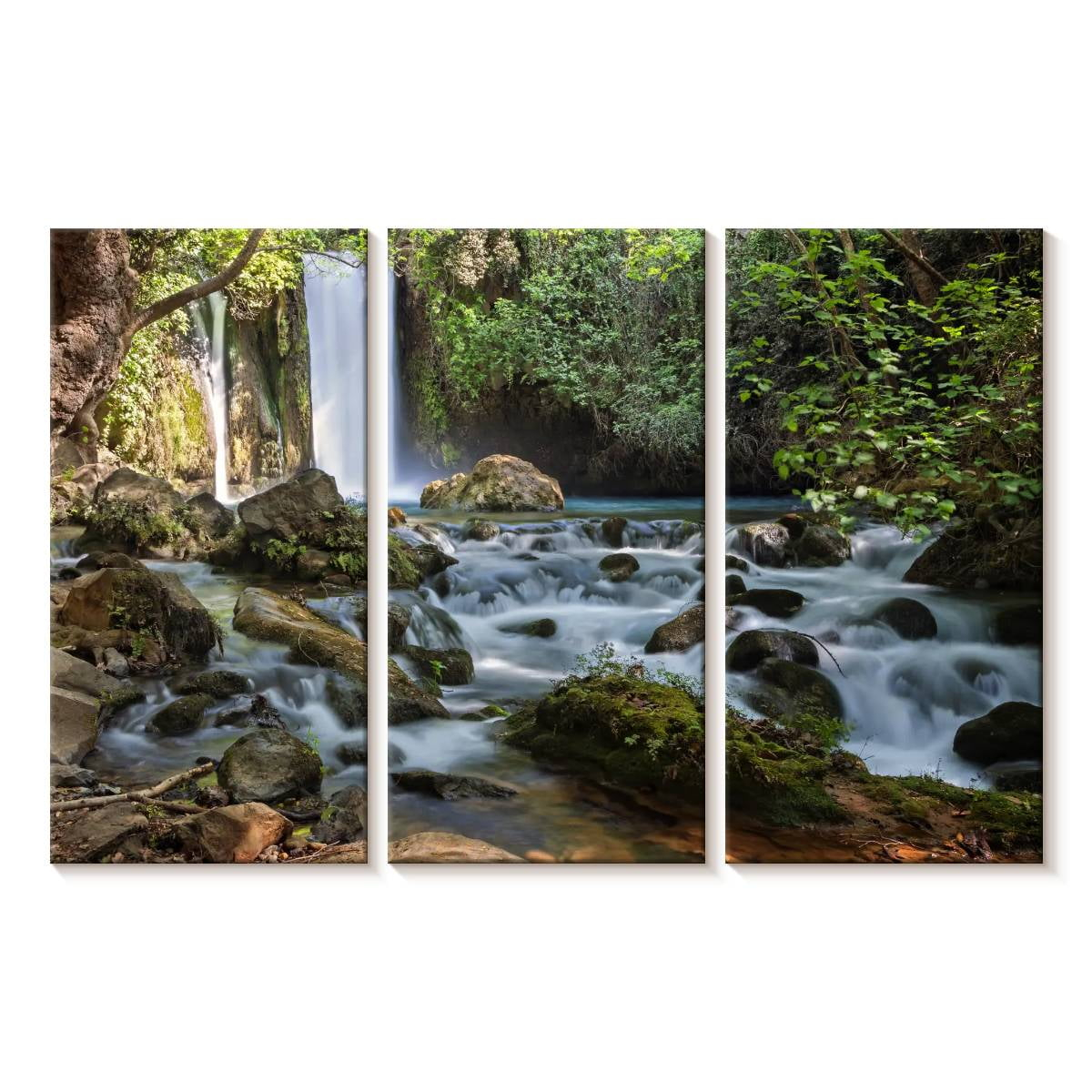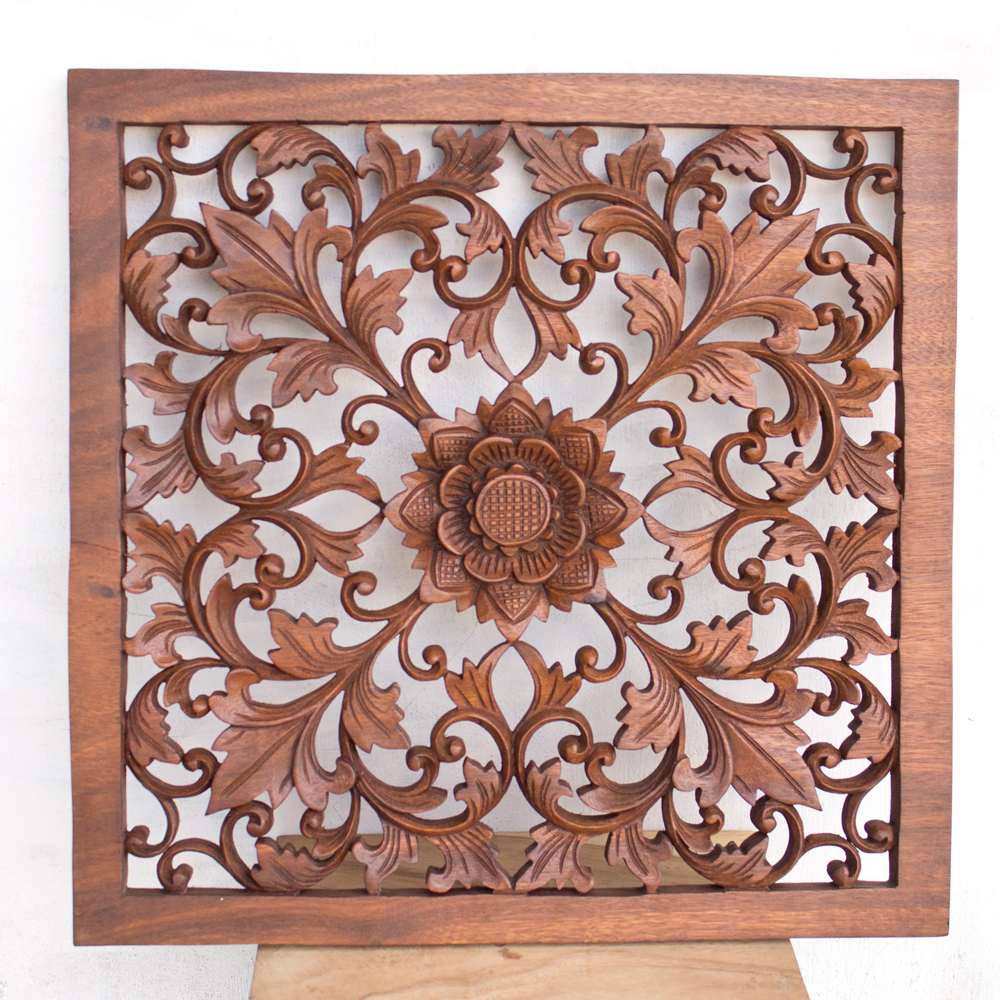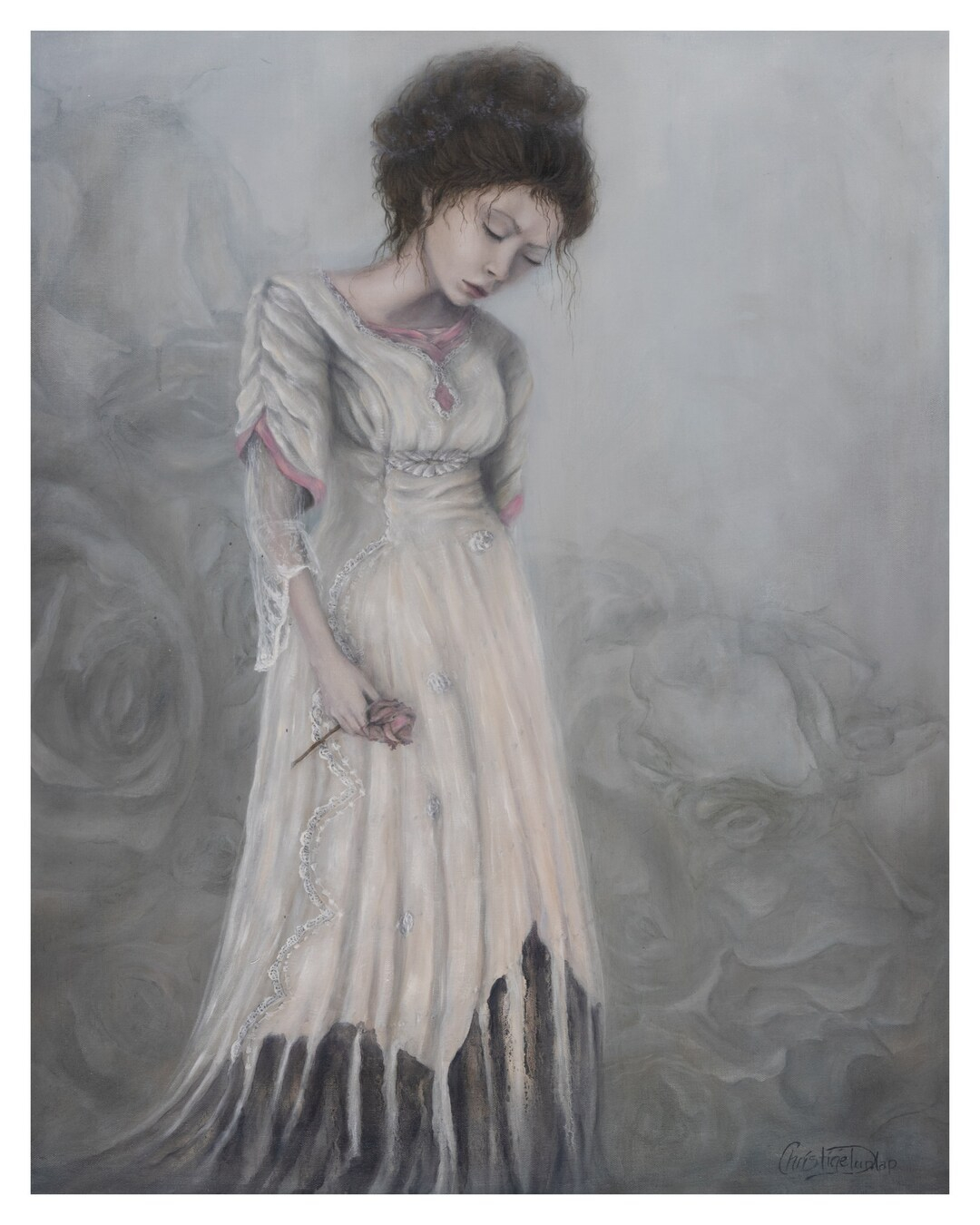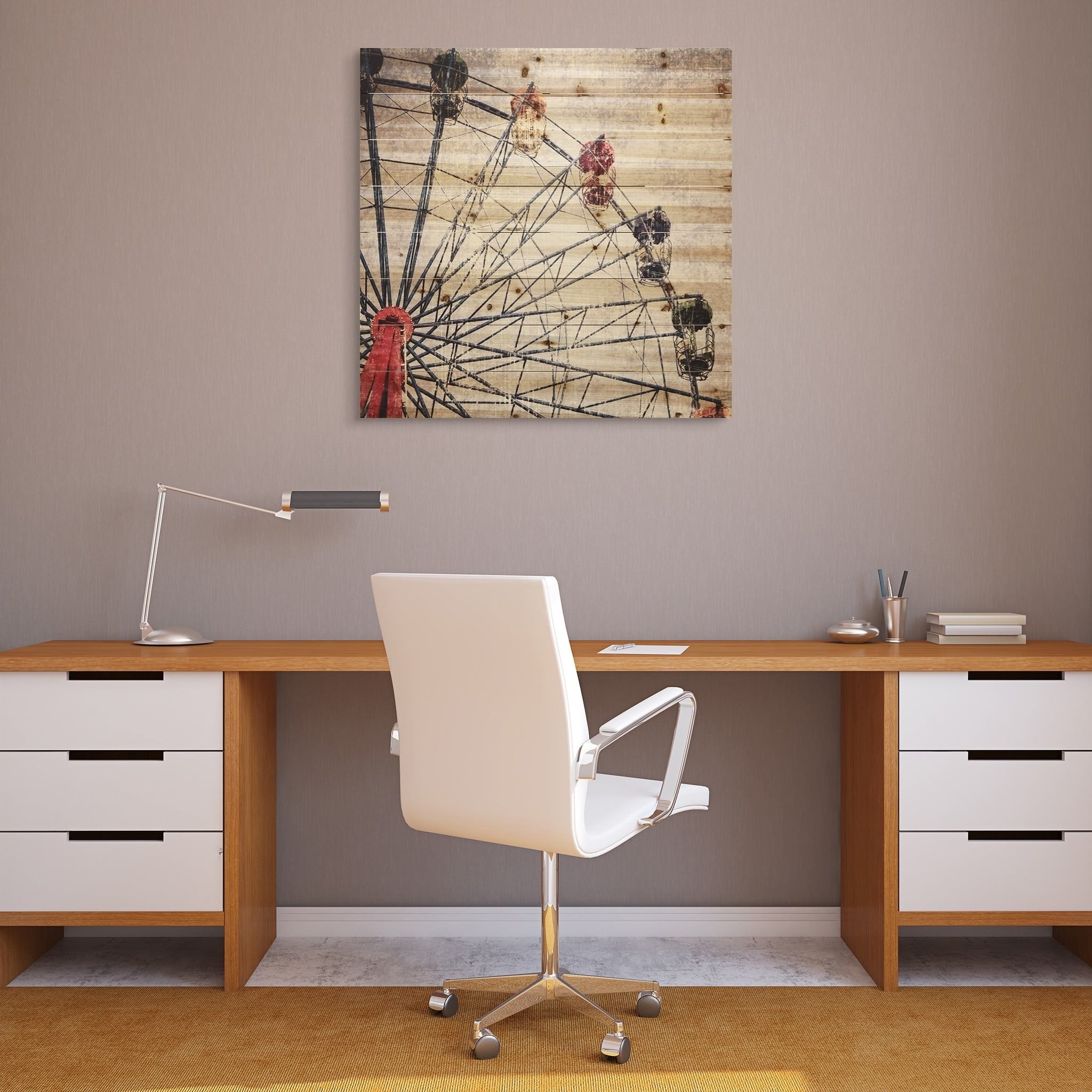
Imagine walking into an art studio and seeing the delicate beauty of early spring captured not on canvas, but on actual wood planks. The contrast between the soft, ethereal tones of spring and the rugged texture of fir wood creates something truly magical. These prints, particularly Early Spring 1 & 2, represent a unique marriage of traditional artistic techniques and modern printing technology.
When you think of fine art prints, you might picture them hanging on gallery walls in crisp white frames. But what if those prints were made directly on wood? That’s exactly what happens with the Early Spring 1 & 2 giclee prints on fir wood planks. These aren’t just another way to reproduce artwork – they’re a whole new artistic experience. The journey from digital image to physical print involves several intricate steps that require both technical skill and creative vision.
Understanding Giclee Printing Technology
Giclee printing, pronounced ‘zhee-clay’, is a high-quality method that uses specialized inkjet printers to produce fine art reproductions. Unlike traditional printing methods, giclee technology can capture incredibly detailed nuances in color and texture. The word itself comes from the French term for ‘spray of ink’ and reflects how these machines precisely deposit ink droplets onto their chosen surface.
What makes giclee printing special is its ability to reproduce artworks with exceptional accuracy. The technology uses archival inks that resist fading for decades, ensuring your print will maintain its vibrancy over time. This precision is especially important when working with delicate subjects like early spring scenes, where subtle variations in color and light can make all the difference.
Why Fir Wood Planks?
Choosing the right material is half the battle when creating quality prints. Fir wood planks offer several advantages that make them ideal for this type of artwork. First, fir has a naturally smooth grain pattern that provides an excellent base for printing without requiring extensive preparation.
The wood’s density also contributes to longevity. Unlike some softer woods that might warp or crack over time, fir maintains its structural integrity while still providing that organic feel artists love. The grain structure of fir adds a subtle texture that complements the softness of spring imagery rather than competing with it.
Consider this: a print on canvas might look flat, but when the same image is printed on wood, it gains depth and dimension that draws viewers in. The natural wood grain becomes part of the composition, adding character that no digital reproduction could achieve alone.
Preparing the Wood Surface
Before any ink hits the wood, proper surface preparation is essential. This step often gets overlooked, but it’s crucial for achieving professional results. The first thing to do is sand the wood planks thoroughly using progressively finer grits, starting with 80-grit and moving up to 220-grit.
Why go through this process? Sanding removes any rough spots, old finishes, or debris that could interfere with ink adhesion. It also helps create a uniform surface that allows the printer to lay down ink evenly. Some artists even apply a primer coat to ensure better ink absorption and prevent bleeding.
After sanding, the wood must be cleaned carefully with a damp cloth to remove all dust particles. Any remaining debris could cause imperfections in the final print. The wood should be completely dry before proceeding to the next stage.
Digital Image Preparation
The digital artwork needs careful attention before it reaches the printer. Artists and printmakers typically start with high-resolution scans or digital photographs of their original work. The resolution should be at least 300 DPI for professional prints, though higher resolutions are often preferred for large-scale works.
Color calibration plays a huge role here. Every monitor displays colors differently, so artists often use color profiles specific to their printer and paper types. This ensures that what appears on screen matches what comes out of the printer.
Some artists also make adjustments to brightness, contrast, and saturation during this phase. They might enhance certain elements to make them pop or soften others to create a more harmonious overall composition. The goal is to translate the original artwork’s intent perfectly onto the wood surface.
The Printing Process
Once everything is ready, the actual printing begins. Modern giclee printers used for wood printing operate similarly to regular inkjet printers but with some key differences. These machines typically use pigment-based inks instead of dye-based ones because pigments offer better durability and fade resistance.
The printer feeds the wood planks through its system one at a time, ensuring precise positioning. The ink cartridges are carefully calibrated to deliver consistent color output across the entire surface. Some advanced systems even have automatic calibration features that adjust based on the wood’s surface characteristics.
During this process, humidity and temperature control become important factors. Extreme conditions can affect how ink adheres to the wood, potentially causing streaking or uneven distribution. Many professional studios maintain controlled environments to ensure consistent results.
Finishing Touches and Protection
After printing, the wood planks undergo additional treatments to protect the artwork and enhance its appearance. A protective coating is usually applied to seal the ink and provide resistance against moisture and UV damage.
There are several options available: matte, satin, or gloss finishes. Each offers different visual effects and levels of protection. Matte finishes reduce glare while maintaining a natural look, whereas glossy coatings add vibrancy and depth to colors.
Some artists prefer to leave the wood unfinished to preserve its natural texture and feel. Others apply multiple thin coats rather than one thick layer to avoid any potential warping or cracking issues. The choice depends on the desired outcome and how the artwork will be displayed.
Quality Control and Final Inspection
Every good print shop understands that quality control isn’t just a formality – it’s essential to customer satisfaction. During this phase, each plank is carefully examined for any defects or inconsistencies. Technicians check for color accuracy, sharpness of detail, and even small imperfections in the wood surface that might affect the final result.
If problems are found, such as ink smudging or color variations, the print can be reprinted or adjusted. This attention to detail is what separates amateur work from professional-grade prints. Customers expect their investment to last, so every piece undergoes rigorous testing before leaving the studio.
Finally, the prints receive proper labeling and documentation. This includes information about the artist, print details, and care instructions that help preserve the artwork for years to come.
Creating Early Spring 1 & 2 giclee prints on fir wood planks represents more than just a printing technique – it’s an art form that combines traditional craftsmanship with modern technology. From the careful selection of materials to the final protective coating, every step matters in producing artwork that truly captures the essence of early spring.
What makes these prints special isn’t just their visual appeal, but the story they tell about the intersection of nature and human creativity. When you hold one of these prints, you’re experiencing both the delicacy of spring’s arrival and the strength of solid wood. It’s a reminder that sometimes the most beautiful things come from combining seemingly opposite elements – softness with hardness, digital precision with natural texture.
Whether you’re considering purchasing such a print or exploring this process yourself, remember that each piece tells a story of dedication, skill, and artistic vision. These aren’t mass-produced items; they’re carefully crafted experiences designed to connect viewers with the natural world in a deeply personal way.
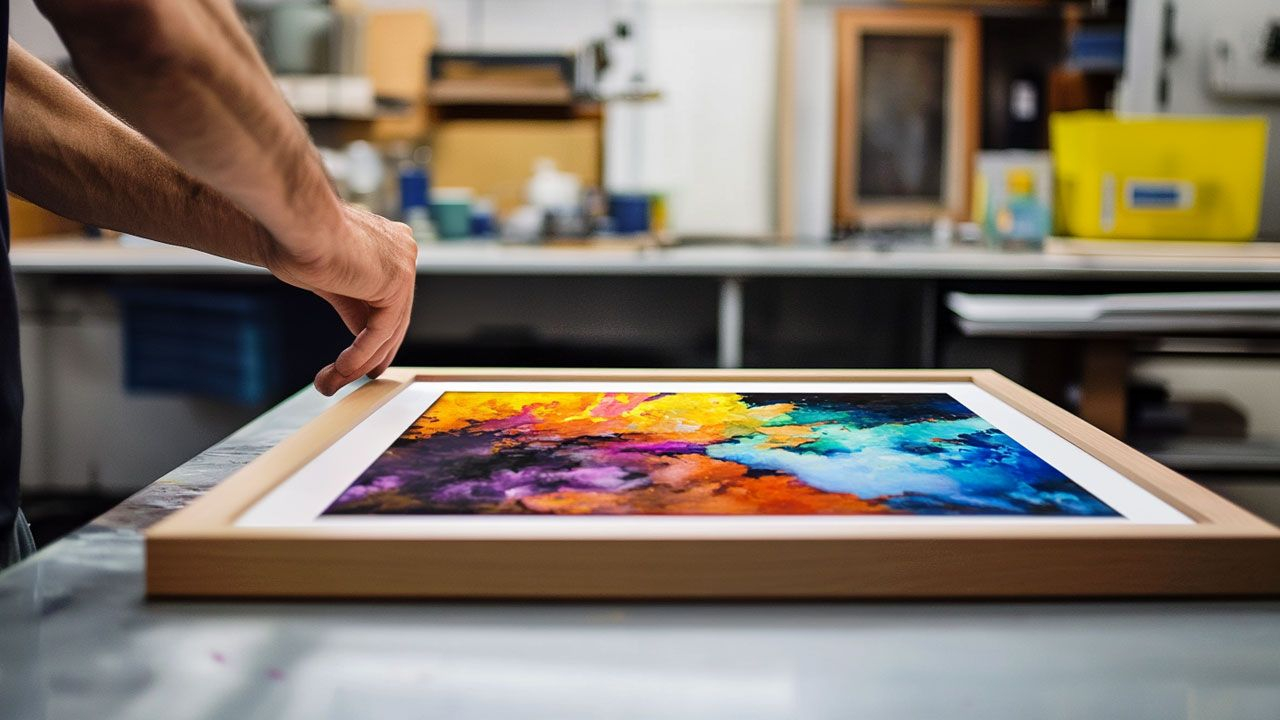
[sps_html tag=”img” src=”https://cdn.theartssection.com/wp-content/uploads/2025/12/framing-giclee-prints-techniques-for-a-professional-finish-with-regard-to-early-spring-1-2-wood-wall-art-giclee-printed-on-solid-fir-wood-planks.jpg” alt=”Framing Giclee Prints: Techniques For A Professional Finish with regard to "Early Spring 1 & 2" Wood Wall Art Giclee Printed On Solid Fir Wood Planks” style=”width: 100%; height: auto;”]
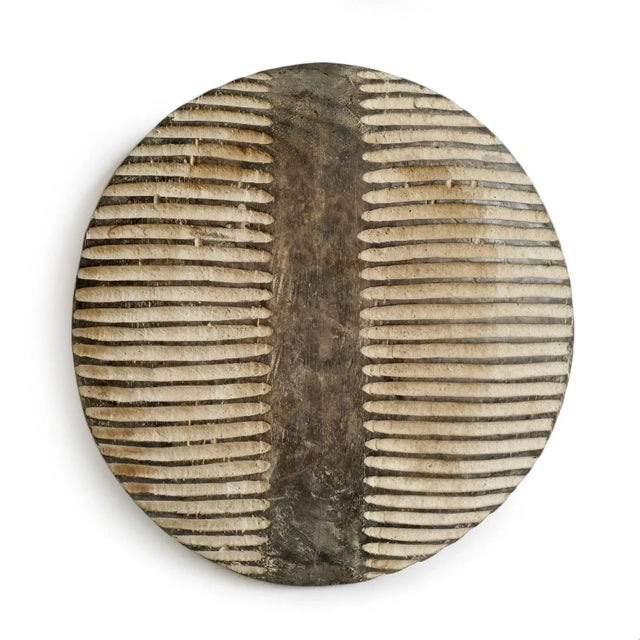
[sps_html tag=”img” src=”https://cdn.theartssection.com/wp-content/uploads/2025/12/empire-art-direct-merriment-fine-art-giclee-printed-on-solid-fir-wood-with-regard-to-exploring-the-craftsmanship-of-giclee-prints-on-solid-fir-wood.jpeg” alt=”Empire Art Direct 'Merriment' Fine Art Giclee Printed On Solid Fir Wood … with regard to Exploring the Craftsmanship of Giclee Prints on Solid Fir Wood” style=”width: 100%; height: auto;”]
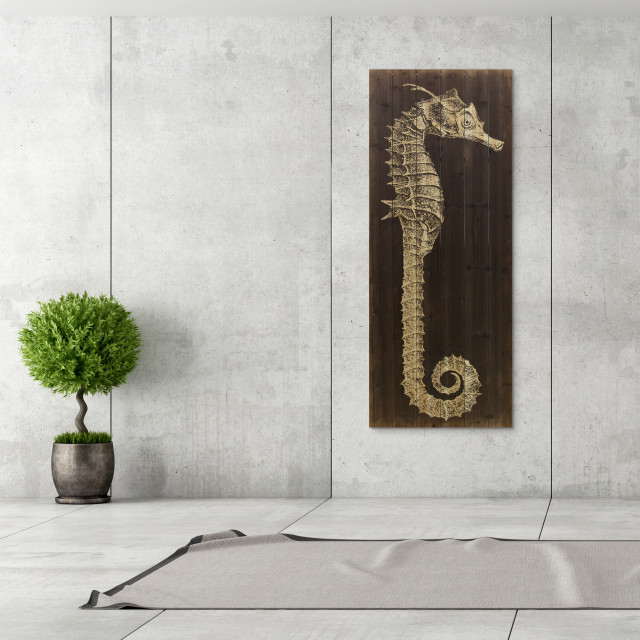
[sps_html tag=”img” src=”https://cdn.theartssection.com/wp-content/uploads/2025/12/seahorse-a-wood-wall-art-giclee-printed-on-solid-fir-wood-planks-intended-for-early-spring-1-2-wood-wall-art-giclee-printed-on-solid-fir-wood-planks.jpg” alt=”"Seahorse A" Wood Wall Art Giclee Printed On Solid Fir Wood Planks … intended for "Early Spring 1 & 2" Wood Wall Art Giclee Printed On Solid Fir Wood Planks” style=”width: 100%; height: auto;”]