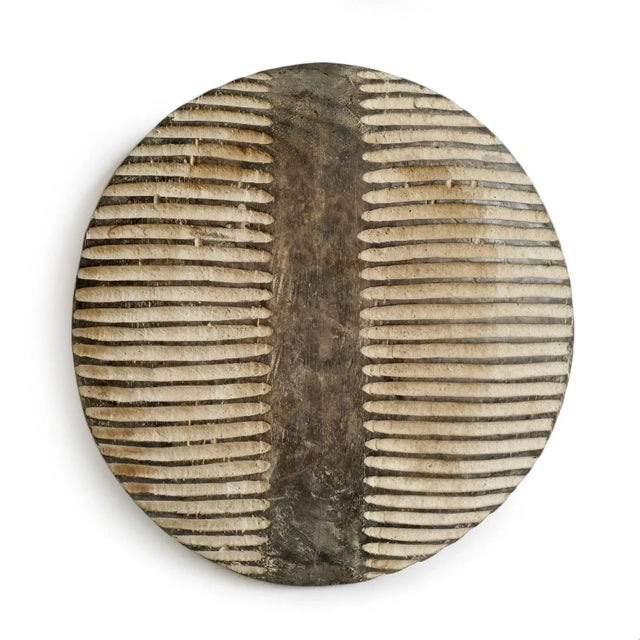
In the quiet corners of antique shops and dusty museum storage rooms lies a remarkable artifact that speaks volumes about the past. The Consigned Vintage Round Zulu Shield 3 isn’t just a piece of metal and wood – it’s a tangible link to a time when warriors faced each other with courage, honor, and fierce determination. What stories does this shield hold? What secrets did it carry from battlefield to battlefield, from one generation to the next?
Picture this: You’re browsing through a vintage shop, perhaps in South Africa or a museum display case far from home. There it sits – a weathered round shield, its surface marked by age and history. This is no ordinary piece of equipment. This is the Consigned Vintage Round Zulu Shield 3, a relic that tells tales of ancient battles, warrior traditions, and the unbreakable spirit of a people who refused to be conquered. Every scratch, every patina, every worn edge carries meaning. It’s not just metal and leather – it’s a window into the lives of those who wielded it, the conflicts they fought, and the cultures they represented.
Origins and Cultural Context
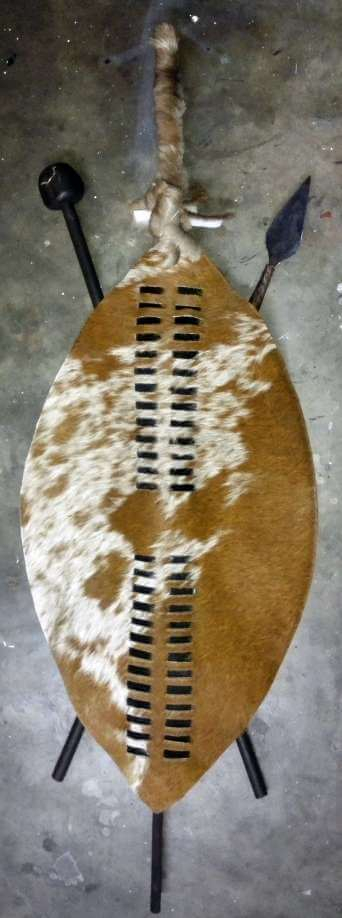
The Zulu people have always been known for their martial prowess and sophisticated military organization. Their warriors weren’t just fighters – they were artists of war, crafting weapons and armor that reflected both practical needs and deep spiritual beliefs. The round shield, or ‘isiYanga’ as it was called, wasn’t just protection. It was a symbol of strength, unity, and the warrior’s connection to his ancestors. These shields were typically made from cowhide stretched over a wooden frame, sometimes reinforced with iron edges or bossing. The design allowed for excellent defense while maintaining mobility in battle. When you hold this particular Consigned Vintage Round Zulu Shield 3, you’re holding something that was crafted following centuries-old techniques passed down through generations of Zulu smiths and artisans. The materials used would have been carefully selected – the best hides from the largest cattle, the straightest wood from sacred trees, and often decorated with symbolic patterns that told stories of clan identity and spiritual protection. This particular shield likely came from a period when Zulu warriors were at their peak, fighting against colonial forces and neighboring tribes alike. The fact that it survived through decades of conflict and change speaks volumes about its significance and the care with which it was maintained.
Design Features and Construction Techniques
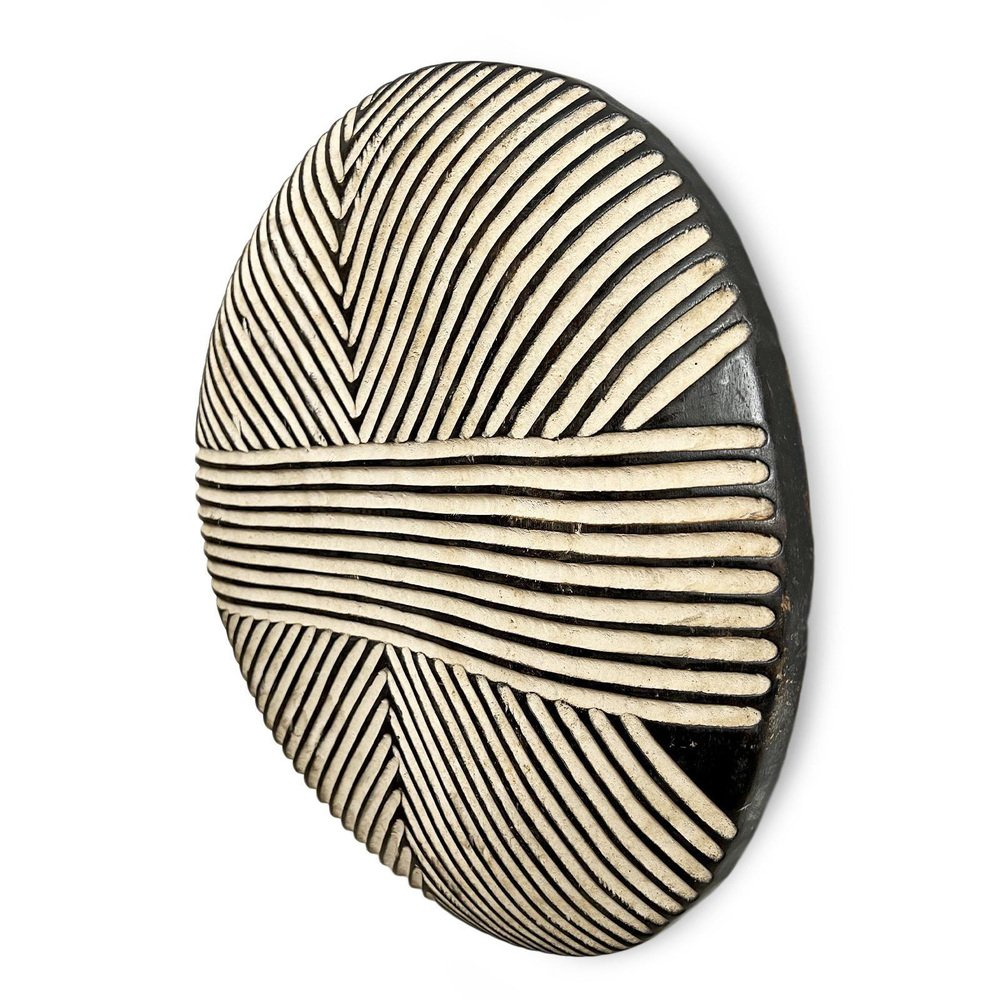
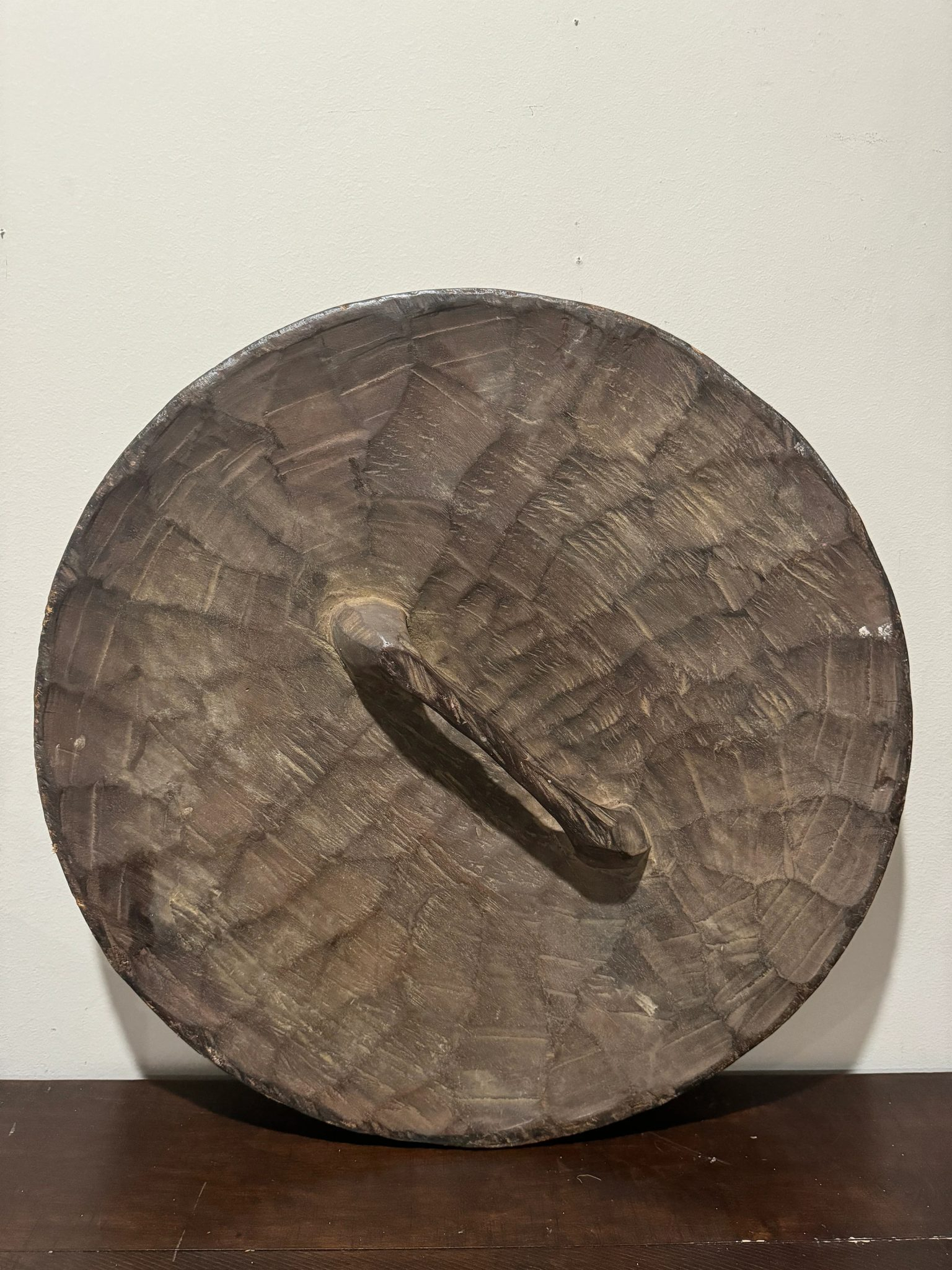
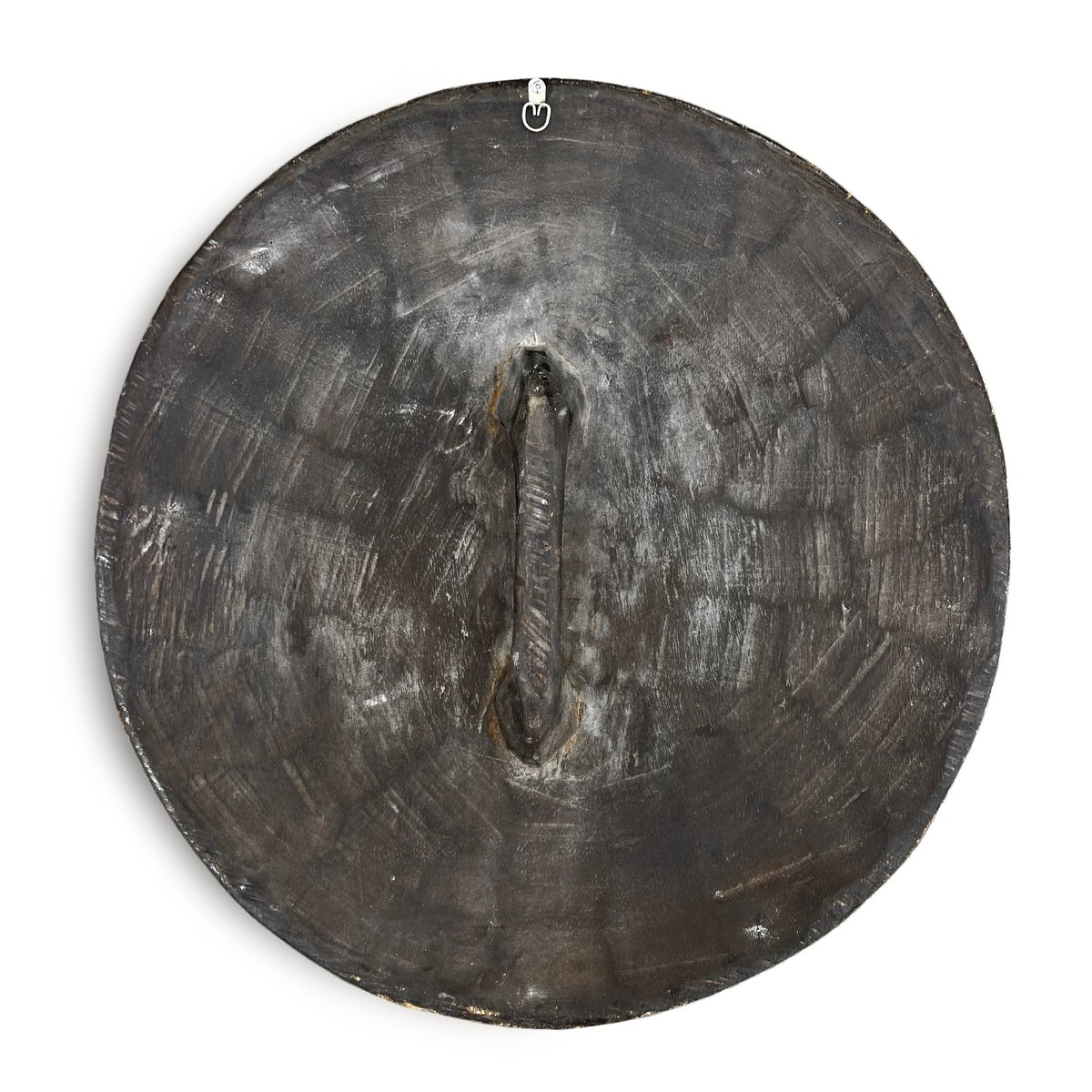
Look closely at the shield’s construction, and you’ll see evidence of skill and craftsmanship that modern manufacturing struggles to replicate. The wooden frame, typically made from acacia or similar hardwoods, provides both flexibility and strength. The cowhide covering, when properly treated, could withstand tremendous impact. What makes this shield particularly interesting is how it combines form with function. The distinctive round shape wasn’t chosen arbitrarily – it offered better coverage and was easier to maneuver than rectangular alternatives. The shield’s diameter, usually around 30 inches, allowed warriors to maintain a strong defensive position while keeping their hands free for spears or other weapons. The iron reinforcement along the outer edge, if present, served multiple purposes. It provided extra durability where impact was most likely, and it also helped deflect enemy weapons. Some shields featured decorative elements that indicated the warrior’s rank or clan affiliation. The careful balance between protective capability and portability shows the Zulu’s understanding of warfare tactics. The construction process itself was ritualistic – craftsmen would often perform ceremonies before beginning work, ensuring the shield would provide adequate protection for its wearer. Each component was chosen not just for its physical properties, but for its symbolic meaning within Zulu culture. This attention to detail meant that even after hundreds of years, many shields like this one retain their structural integrity.
Historical Battles and Military Applications
This shield didn’t just sit on a wall or in a museum case – it was actively used in some of the most significant conflicts in African history. During the 19th century, when the Zulu Kingdom reached its height under leaders like Shaka Zulu, these shields played crucial roles in major battles. The Battle of Isandlwana in 1879, where British forces suffered a devastating defeat, saw warriors wielding shields like this one. The Zulu approach to warfare, emphasizing mobility and coordinated attacks, relied heavily on well-crafted equipment. The shield’s ability to protect while allowing for quick movement made it ideal for the Zulu fighting style. Warriors would form tight formations, using their shields as both individual protection and collective defense. The psychological impact of seeing a line of warriors with identical shields was significant – it created a sense of unity and fearlessness that could overwhelm opponents. In later conflicts, including those against British colonial forces, these shields continued to serve their purpose. They weren’t just tools of war – they were symbols of resistance and pride. The shield’s presence in battle wasn’t just practical; it was deeply ceremonial. Each warrior’s shield was personal, often bearing marks that identified the owner and his achievements. The shield became part of the warrior’s identity, representing not just his physical protection but his honor and status within the community.
Cultural Symbolism and Spiritual Meaning
Beyond its practical applications, this shield carried deep spiritual significance for the Zulu people. In many ways, it was considered a living entity, imbued with the power of ancestral spirits and the strength of the warrior’s lineage. The materials used weren’t chosen merely for their utility – they were selected based on their spiritual properties. Cowhide, for instance, was believed to carry protective energies. The wood frame might be carved with specific patterns that connected the warrior to his ancestors. Some shields were blessed by traditional healers before being issued to warriors. The decorative elements weren’t just aesthetic – they often depicted mythological figures, ancestral symbols, or important historical events. When a warrior died in battle, his shield might be preserved as a memorial, sometimes even buried with him to ensure his protection in the afterlife. The shield also served as a bridge between the physical and spiritual worlds. Many Zulu warriors believed that their shields could communicate with ancestral spirits, offering guidance and protection during times of conflict. This spiritual dimension made the shield more than just an object – it was a companion in life and death. The preservation of such artifacts today allows us to glimpse the profound respect the Zulu people had for their warriors and their equipment.
Preservation and Modern Appreciation
Today, finding a genuine Consigned Vintage Round Zulu Shield 3 represents more than collecting a rare item – it’s about preserving cultural heritage. Museums, collectors, and historians recognize the importance of these artifacts in understanding African military history and cultural practices. The challenge lies in proper preservation, as these shields require special care to prevent deterioration. The hide material can crack or deteriorate if not stored properly, while the wooden frame needs protection from moisture and insects. Many institutions now employ specialized conservation techniques to maintain these shields for future generations. The interest in authentic African artifacts has grown significantly, with collectors seeking pieces that tell genuine stories rather than mere aesthetics. This renewed appreciation has led to increased efforts to document and preserve such items. However, it also raises questions about ownership and cultural appropriation. Many communities are working to ensure that their historical artifacts remain in their rightful places, whether that’s in museums, cultural centers, or with the descendants of their original owners. The story of this particular shield might involve multiple owners over time, each adding their own chapter to its ongoing narrative. Understanding its journey from battlefield to museum case helps us appreciate the complexity of cultural preservation and the responsibility that comes with owning such significant historical items.
Educational Value and Contemporary Relevance
These shields offer powerful educational opportunities that extend far beyond their historical context. They teach us about military strategy, cultural values, and the human capacity for resilience and adaptation. Students learning about African history often find these artifacts fascinating because they provide concrete evidence of the sophistication of pre-colonial societies. The shield’s design principles, for example, demonstrate engineering ingenuity that rivals modern military technology. Contemporary discussions about indigenous rights, cultural preservation, and historical representation benefit greatly from understanding artifacts like this. When we study the Consigned Vintage Round Zulu Shield 3, we’re not just examining a piece of old equipment – we’re exploring themes of identity, resistance, and the importance of maintaining cultural connections. These objects can spark conversations about how we remember and honor historical conflicts, especially those involving colonization and resistance movements. They also highlight the often-overlooked contributions of African peoples to global military history and technological development. For educators, these shields provide tangible examples that bring abstract concepts to life, making history more relatable and memorable for students. The stories they carry remind us that behind every historical conflict were real people with complex motivations, fears, and hopes.
The Consigned Vintage Round Zulu Shield 3 represents much more than a historical curiosity – it embodies centuries of cultural evolution, military innovation, and human perseverance. Every time someone holds this shield, they’re connecting with a legacy that spans generations of warriors, artisans, and community builders. Its journey from the battlefield to museum cases reflects broader themes about cultural preservation, historical memory, and the complex relationships between past and present. Whether you’re a historian, collector, student, or simply someone curious about the past, this shield offers a unique window into the experiences of those who lived through turbulent times. The lessons it teaches about courage, craftsmanship, and cultural identity remain as relevant today as they were centuries ago. As we continue to explore and preserve these remarkable artifacts, we ensure that the voices of our ancestors continue to speak through the stories they left behind. The next time you encounter a vintage shield or any historical artifact, remember that you’re looking at more than just an object – you’re seeing a piece of humanity’s enduring story.
[sps_html tag=”img” src=”https://cdn.theartssection.com/wp-content/uploads/2025/10/round-zulu-black-white-shield-for-sale-at-pamono-throughout-exploring-the-artisanal-craftsmanship-behind-vintage-round-zulu-shields.jpg” alt=”Round Zulu Black & White Shield For Sale At Pamono throughout Exploring the Artisanal Craftsmanship Behind Vintage Round Zulu Shields” style=”width: 100%; height: auto;”]
[sps_html tag=”img” src=”https://cdn.theartssection.com/wp-content/uploads/2025/10/vintage-zulu-round-shield-wall-decor-for-sale-at-pamono-inside-consigned-vintage-round-zulu-shield-3.jpg” alt=”Vintage Zulu Round Shield Wall Decor For Sale At Pamono inside Consigned Vintage Round Zulu Shield 3″ style=”width: 100%; height: auto;”]
[sps_html tag=”img” src=”https://cdn.theartssection.com/wp-content/uploads/2025/10/round-zulu-wooden-shields-african-wall-hanging-living-art-decor-with-regard-to-exploring-the-artisanal-craftsmanship-behind-vintage-round-zulu-shields.jpg” alt=”Round Zulu Wooden Shields African Wall Hanging Living Art Decor … with regard to Exploring the Artisanal Craftsmanship Behind Vintage Round Zulu Shields” style=”width: 100%; height: auto;”]
[sps_html tag=”img” src=”https://cdn.theartssection.com/wp-content/uploads/2025/10/african-traditional-1-m-zulu-shields-in-consigned-vintage-round-zulu-shield-3.jpg” alt=”African Traditional 1 M Zulu Shields in Consigned Vintage Round Zulu Shield 3″ style=”width: 100%; height: auto;”]
[sps_html tag=”img” src=”https://cdn.theartssection.com/wp-content/uploads/2025/10/vintage-round-zulu-shield-chairish-regarding-consigned-vintage-round-zulu-shield-3.jpg” alt=”Vintage Round Zulu Shield | Chairish regarding Consigned Vintage Round Zulu Shield 3″ style=”width: 100%; height: auto;”]