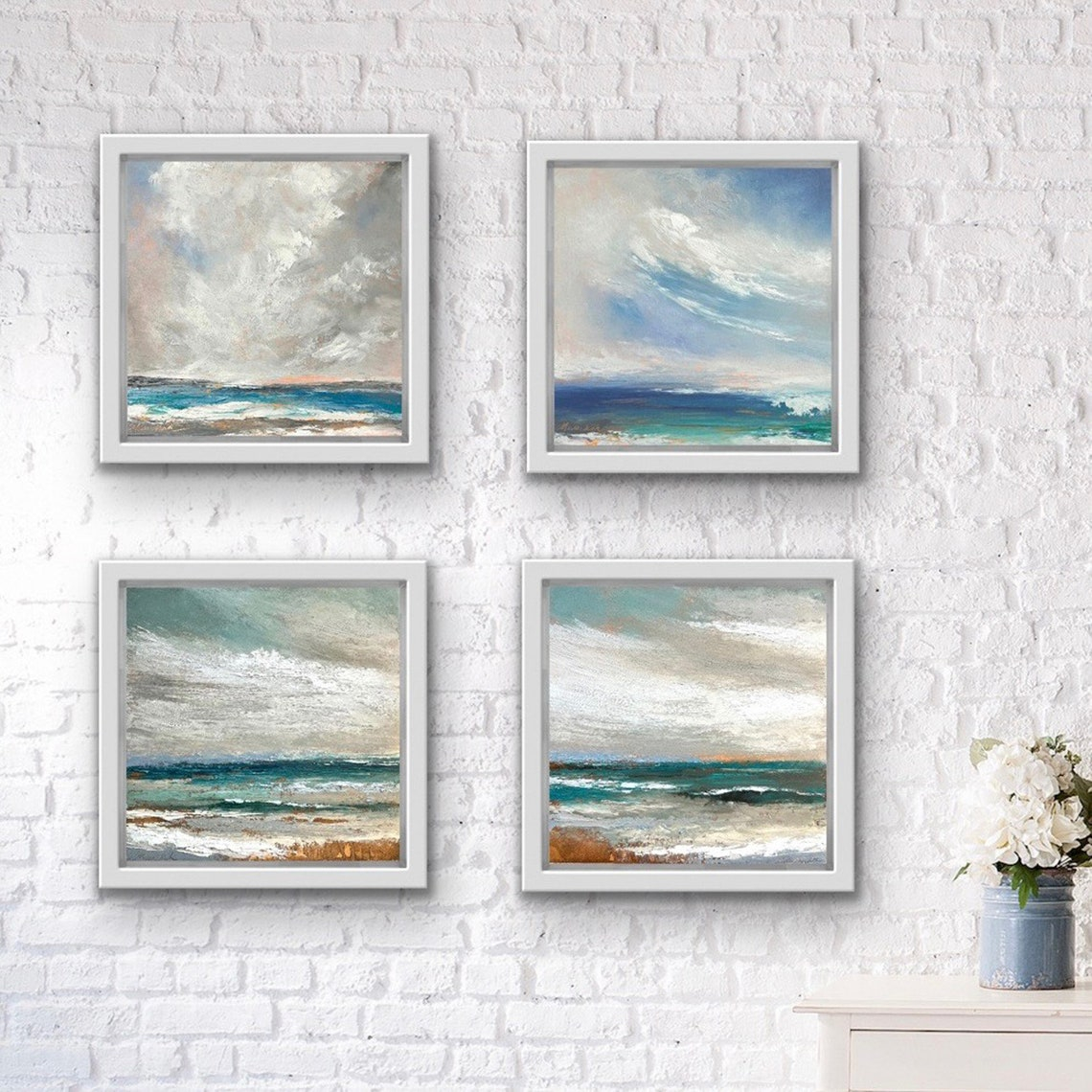
Every time you stand at the edge of the ocean, there’s something magical happening in the way light dances across water, how shadows play across rocks, and how distant horizons seem to pull you in. It’s not just about the obvious beauty – there’s a deeper artistry at work. What makes one seaside view feel like a masterpiece while another feels flat and forgettable? The answer lies in understanding the natural elements that compose these stunning scenes.
Seascapes have always held a special place in human hearts. Whether it’s the gentle lapping of waves against weathered cliffs or the dramatic crash of surf on sandy shores, these natural wonders captivate us. But what exactly creates that feeling of awe and wonder? Is it the vastness of the ocean itself, or something more subtle? The truth is, beautiful seascapes aren’t accidental. They’re carefully composed arrangements of natural elements working in harmony. From the way sunlight hits the water surface to the positioning of distant islands, every component plays its part in creating that perfect coastal moment. Understanding these elements isn’t just about appreciating nature better – it’s about recognizing why some coastlines feel alive and others feel lifeless, even when they look similar.
The Foundation: Water and Light
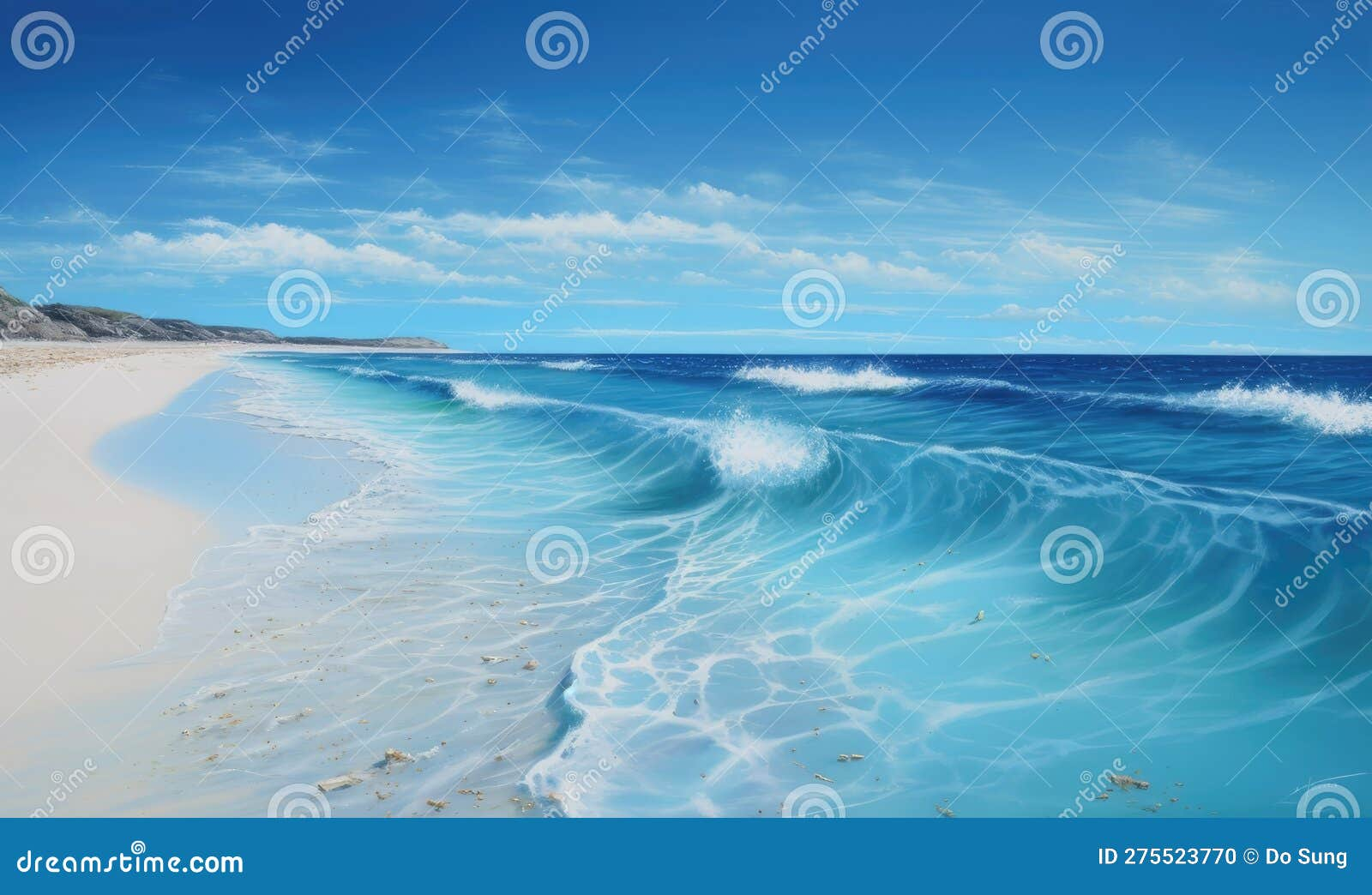
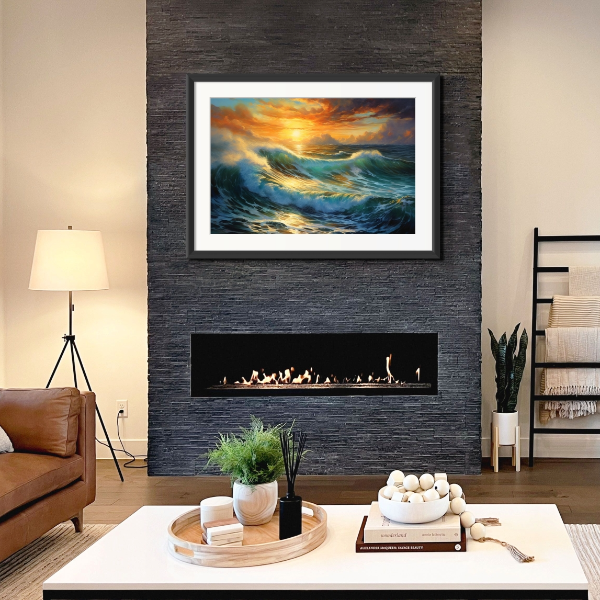
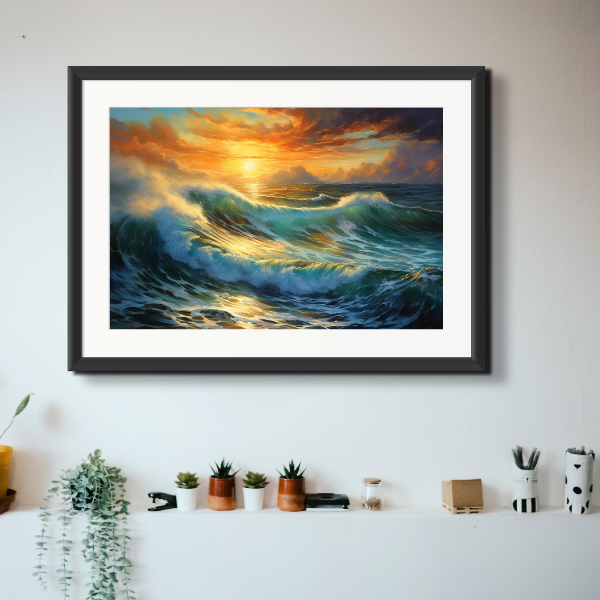
Water and light are the two pillars that support every great seascape. The ocean itself isn’t just blue or gray – it’s a canvas of infinite colors that shift with the angle of the sun, the depth of the water, and the particles floating in it. When morning light strikes the surface, you might see shimmering golds and oranges reflecting off the waves. At sunset, the water becomes a mirror for brilliant purples and deep reds. The interplay between light and water creates movement and drama. Think about how the same stretch of beach looks completely different during golden hour versus midday. This constant transformation happens because water is a dynamic element that never sits still. Even calm waters show tiny ripples that catch and reflect light differently. The key is to notice how these interactions create visual interest. A perfectly flat sea can be boring, but slight movement creates texture and dimension. Sometimes a single beam of sunlight cutting through clouds can transform an ordinary shoreline into something extraordinary.
The Power of Foreground Elements
Great seascapes don’t just happen in the distance – they’re built layer by layer. The foreground often holds the most important details that draw viewers into the scene. Rocks, sand, shells, and vegetation become the first things our eyes notice. These elements provide scale and context. A large boulder sitting on a beach tells a story about erosion and time. Driftwood creates natural frames and adds organic shapes. Salt spray on rocks shows the power of wind and wave action. Even small details matter – a few scattered shells, footprints in the sand, or a bird’s nest on a cliff ledge. These foreground features also help guide the viewer’s eye toward the horizon. Without them, the composition can feel empty and disconnected. Consider how a simple line of seaweed along the water’s edge can make the entire scene feel more grounded and real. Nature doesn’t offer perfect symmetry – it’s the imperfections that give seascapes their character and soul.
Horizon Lines and Depth Perception
The horizon line is perhaps the most critical element in any seascape. It’s not just a line – it’s the bridge between land and sea, reality and imagination. Where you place that line affects everything else in your composition. A low horizon gives the sky more dominance, making the ocean feel smaller and more intimate. A high horizon emphasizes the ocean’s vastness and can make even small beaches feel dramatic. But it’s not just about position – it’s about how the horizon interacts with other elements. A horizon that cuts through a dramatic rock formation creates tension. A horizon that’s soft and blurred suggests calm. Depth perception comes from layering elements at different distances. Distant mountains or islands create atmospheric perspective, making the scene feel three-dimensional. The closer you get to the water, the more detailed and textured things become. The farther away, the more they blend into each other. This creates a natural rhythm that draws the eye across the entire scene. Sometimes a simple cloud or mist can add mystery and depth to a distant area.
Texture and Contrast Through Natural Materials
Texture brings life to any seascape. Smooth sand contrasts beautifully with rough volcanic rock. Fine mist against solid land creates interesting visual tension. Even the way water moves affects how we perceive textures. Still water reflects like a mirror, while moving water creates reflections that dance and change. The contrast between hard and soft surfaces is crucial. Sharp cliff edges provide definition against softer dunes or sandy areas. Crystalline waves create sharp lines, while rolling swells offer smoother transitions. Sand patterns tell stories – sometimes smooth and uniform, sometimes sculpted by wind and tide. Different materials also handle light differently. Metal-like water reflects light like mirrors, while moss-covered rocks absorb and soften light. These variations in texture create visual interest and make a scene memorable. A coastline that feels flat and repetitive quickly loses its appeal. But when you add contrasting textures – smooth, rough, wet, dry – the whole composition gains energy and complexity. Think of how a single piece of driftwood can transform an entire beach scene from ordinary to extraordinary.
Weather Effects and Atmospheric Conditions
Weather transforms seascapes from ordinary to extraordinary. Rain creates ripples that scatter light in new ways. Fog can make familiar coastlines mysterious and dreamlike. Stormy conditions bring drama and power to the scene. Even the quality of air affects how we see the ocean. Clean air allows distant elements to appear sharp and clear, while hazy conditions create a sense of mystery. The difference between a sunny day and a cloudy one can make the same beach look completely different. Wind patterns affect everything from wave shape to the movement of clouds above. A strong breeze can create more dramatic waves, while calm winds produce gentle ripples. Cloud formations are particularly important – they can frame the horizon, provide interesting shapes, or add color to the sky. Even the temperature of the air affects how we perceive colors. Cool temperatures might make blues more prominent, while warm air can enhance golden tones. The key is understanding how these conditions interact with other elements to create mood and atmosphere. Sometimes the most beautiful seascapes happen during transitional weather – just before a storm or after rain.
Seasonal Changes and Their Impact
The seasons bring their own unique character to coastal scenes. Spring brings new growth and vibrant colors to beaches and surrounding areas. Summer offers the full glory of warm sunlight and clear skies. Autumn brings rich oranges and browns that complement ocean blues. Winter can create stark contrasts with snow-covered rocks and dramatic lighting. Each season changes not just the appearance of the landscape but also how we experience it emotionally. The way waves behave varies with seasons too – winter storms can reshape coastlines overnight, while calm summer days allow for peaceful reflection. Seasonal vegetation provides changing backgrounds and textures. Flowers blooming near the shore create temporary splashes of color. The timing of tides also changes with seasons, affecting what’s visible on the beach. Even the amount of daylight varies, which affects the entire composition. A beautiful autumn sunset might be impossible in winter due to shorter days. Understanding seasonal patterns helps appreciate how these natural rhythms create variety and surprise in coastal environments. The same location can feel like a completely different place depending on when you visit.
Beautiful seascapes aren’t just about having a pretty view – they’re about understanding how nature arranges its elements to create visual poetry. Every wave, every rock, every light ray has a purpose in the grand design. When we recognize these natural components working together, we begin to see that every coastal scene is a masterclass in composition. Whether you’re photographing the ocean or simply standing on a beach, knowing how these elements interact can deepen your appreciation. The magic isn’t just in the obvious beauty – it’s in the subtle relationships between water and land, light and shadow, texture and space. Understanding these principles helps us not only admire the ocean’s artistry but also recognize when we’re witnessing true natural genius. The next time you find yourself at the shore, take a moment to observe how all these elements come together. You’ll probably notice things you’ve never seen before, and maybe even understand why some coastlines feel magical while others don’t. The ocean has been creating these masterpieces for millions of years – we’re just learning to see them clearly.
[sps_html tag=”img” src=”https://cdn.theartssection.com/wp-content/uploads/2025/12/otherworldly-serenity-balance-and-contemplation-in-a-fantasy-seascape-with-regard-to-mastering-the-balance-between-serenity-and-drama-in-seascape-compositions.jpg” alt=”Otherworldly Serenity, Balance, And Contemplation In A Fantasy Seascape … with regard to Mastering the Balance Between Serenity and Drama in Seascape Compositions” style=”width: 100%; height: auto;”]
[sps_html tag=”img” src=”https://cdn.theartssection.com/wp-content/uploads/2025/12/golden-hour-serenity-a-romantic-seascape-oil-painting-bathe-inspire-pertaining-to-composition-of-nature-beautiful-seascape-landscape-wall-art-4-panels.png” alt=”Golden Hour Serenity: A Romantic Seascape Oil Painting Bathe | Inspire … pertaining to "Composition Of Nature Beautiful Seascape" Landscape Wall Art, 4 Panels” style=”width: 100%; height: auto;”]
[sps_html tag=”img” src=”https://cdn.theartssection.com/wp-content/uploads/2025/12/beautiful-seascape-serenity-stock-illustration-illustration-of-nature-intended-for-composition-of-nature-beautiful-seascape-landscape-wall-art-4-panels.jpg” alt=”Beautiful Seascape Serenity Stock Illustration - Illustration Of Nature … intended for "Composition Of Nature Beautiful Seascape" Landscape Wall Art, 4 Panels” style=”width: 100%; height: auto;”]
[sps_html tag=”img” src=”https://cdn.theartssection.com/wp-content/uploads/2025/12/golden-hour-serenity-a-romantic-seascape-oil-painting-bathe-inspire-pertaining-to-mastering-the-balance-between-serenity-and-drama-in-seascape-compositions.png” alt=”Golden Hour Serenity: A Romantic Seascape Oil Painting Bathe | Inspire … pertaining to Mastering the Balance Between Serenity and Drama in Seascape Compositions” style=”width: 100%; height: auto;”]
[sps_html tag=”img” src=”https://cdn.theartssection.com/wp-content/uploads/2025/12/oceanserenity-seascape-paintings-canvas-art-prints-seascape-within-composition-of-nature-beautiful-seascape-landscape-wall-art-4-panels.jpg” alt=”Ocean+Serenity | Seascape Paintings, Canvas Art Prints, Seascape within "Composition Of Nature Beautiful Seascape" Landscape Wall Art, 4 Panels” style=”width: 100%; height: auto;”]