In the rolling hills of Tuscany, where centuries-old vineyards whisper stories of the past, a new generation of photographers is using their cameras to preserve something precious – the very soul of this remarkable region. These artists aren’t just documenting landscapes; they’re creating a visual diary that captures how time moves through stone, soil, and sky.
Tuscany’s beauty isn’t just in its breathtaking vistas or charming hilltop towns. It’s in the quiet moments that define what makes this place special – the way morning mist clings to ancient olive groves, how weathered stone walls tell tales of countless harvests, and how the changing seasons paint different moods across the countryside. Today, photographers are stepping forward to ensure these moments don’t fade into memory alone. They’re using modern techniques to capture the essence of Tuscan life, creating lasting records that speak to both locals and visitors alike. This isn’t just about pretty pictures – it’s about keeping alive the traditions, the landscapes, and the stories that give this region its unique character.
The Visual Language of Tradition
Photography in Tuscany has evolved far beyond simple snapshotting. Contemporary artists understand that their work must honor the region’s deep-rooted customs while embracing today’s aesthetic sensibilities. When you look at these images, you’re seeing more than just scenic views. You’re witnessing the careful balance between preservation and progress.
Consider how a single photograph can capture the moment when a traditional harvest celebration takes place under golden hour light. The photographer must know when to press the shutter, understanding not just technical aspects but the cultural significance of what they’re recording. This requires a deep appreciation for Tuscan heritage – knowing that every stone building, every vineyard pattern, and every weathered gate holds layers of history waiting to be shared with the world.
The artistry involved goes beyond simply pointing and clicking. It involves studying how light plays across centuries-old architecture, understanding seasonal changes that affect the landscape, and recognizing the subtle differences between various regions within Tuscany itself. A photo taken in Chianti might look completely different from one captured in the Val d’Orcia, even if both depict similar elements like cypress-lined roads or terraced vineyards.
Modern Techniques for Timeless Preservation
What sets today’s landscape photographers apart is their ability to combine traditional artistic vision with cutting-edge technology. Digital cameras offer unprecedented control over exposure, color temperature, and detail capture that wasn’t possible decades ago. Yet many artists choose to blend this power with classic composition rules learned from masters like Ansel Adams and Henri Cartier-Bresson.
Some photographers now use drones to capture aerial perspectives of the region’s famous wine country, showing how vineyards have been shaped by centuries of cultivation. Others employ long exposure techniques to create ethereal images of ancient churches at dawn, emphasizing the spiritual atmosphere that has drawn pilgrims for generations. These methods allow them to present familiar scenes in fresh ways that reveal hidden depths.
There’s also a growing trend toward storytelling through series rather than individual shots. A collection of photographs might follow the progression of a single day in a small Tuscan village, showing everything from morning coffee rituals to evening market activities. This approach creates a comprehensive portrait of daily life that might otherwise disappear with rapid modernization.
Documenting the Unseen Details
The most powerful images often focus on what many people overlook. A cracked tile on a medieval courtyard, the pattern of shadows cast by ancient trees, or the texture of weathered wooden doors – these details become windows into deeper stories. The photographers who excel at this understand that heritage isn’t just about grand monuments or sweeping vistas.
One remarkable example involves capturing the intricate ironwork of old gates in Siena, where each design element tells stories of craftsmanship passed down through generations. These close-up studies reveal the skill required to create such detailed work, making viewers appreciate the artisans’ dedication. Similarly, focusing on the growth patterns of centuries-old olive trees helps people understand how agricultural practices have remained consistent despite technological advances.
This attention to detail also serves a practical purpose. As cities expand and development pressures increase, these detailed records provide crucial historical context. They help urban planners, historians, and conservationists understand what needs protection and why. When buildings face demolition or renovation, having photographic documentation ensures that important architectural features aren’t lost forever.
Building Bridges Between Past and Present
Contemporary landscape photography in Tuscany creates connections that span generations. Local communities see their heritage represented in ways that resonate with modern audiences, helping younger residents appreciate what makes their area special. Meanwhile, international viewers gain access to intimate glimpses of a culture that might otherwise remain mysterious.
Many photographers work directly with local organizations, schools, and cultural groups to ensure their work supports community goals. They might document traditional festivals, support local tourism efforts, or collaborate with museums to create exhibitions that educate visitors about regional customs. This collaborative approach means that the photographs serve multiple purposes – they’re beautiful artworks, educational tools, and cultural ambassadors all at once.
The impact extends beyond aesthetics. When tourists see these images online, they’re more likely to visit and engage respectfully with local communities. This economic benefit helps sustain the very traditions that photographers seek to preserve. It creates a positive feedback loop where increased interest leads to better conservation efforts, which then provides more material for future photographic projects.
Challenges in the Digital Age
Despite the advantages of modern technology, there are significant challenges facing contemporary landscape photographers working in Tuscany. Climate change affects seasonal patterns, altering when certain flowers bloom or how light falls across the landscape. Urban development threatens historic areas, forcing photographers to race against time to document disappearing elements.
Access restrictions also pose problems. Many sacred sites or private properties require special permissions to photograph, limiting where artists can work. Weather conditions can make shooting difficult or impossible during critical periods, especially when trying to capture specific lighting situations that occur only briefly each day.
Additionally, the sheer volume of digital images being created means that truly exceptional work can get lost in the noise. Photographers must develop strong editorial skills and understand how to curate their collections effectively. They need to know which images will resonate most with audiences and how to present them in ways that generate genuine interest rather than simple curiosity.
The Future of Heritage Documentation
Looking ahead, landscape photography in Tuscany seems poised for exciting developments. Virtual reality technology could allow viewers to walk through documented landscapes, experiencing them as if they were physically present. Augmented reality applications might overlay historical information onto current images, providing interactive educational experiences.
There’s also potential for crowdsourced documentation projects where amateur photographers contribute to larger heritage preservation efforts. Social media platforms have already shown how quickly visual content can spread, reaching global audiences with minimal effort. When combined with proper curation and organization, these contributions could form massive databases of regional heritage.
The most promising aspect of future work lies in how photographers will continue to evolve their relationship with technology while maintaining respect for traditional values. The challenge will be finding ways to document rapidly changing environments without losing sight of what makes these places timeless. As new generations take up cameras, they’ll need to learn not just technical skills but also the cultural sensitivity required to represent heritage authentically.
Through the lens of contemporary landscape photography, Tuscany’s rich heritage continues to breathe and live on. These images serve as bridges between what was and what is, ensuring that future generations can understand and appreciate the beauty and complexity of this extraordinary region. The work of these photographers goes far beyond creating pretty pictures – they’re active participants in preserving the stories, traditions, and landscapes that define Tuscan identity. Their efforts remind us that sometimes the most powerful preservation happens not through grand gestures but through the quiet, dedicated act of looking closely, documenting carefully, and sharing widely. In doing so, they’ve created something truly lasting – a visual legacy that speaks to both the heart and the mind.
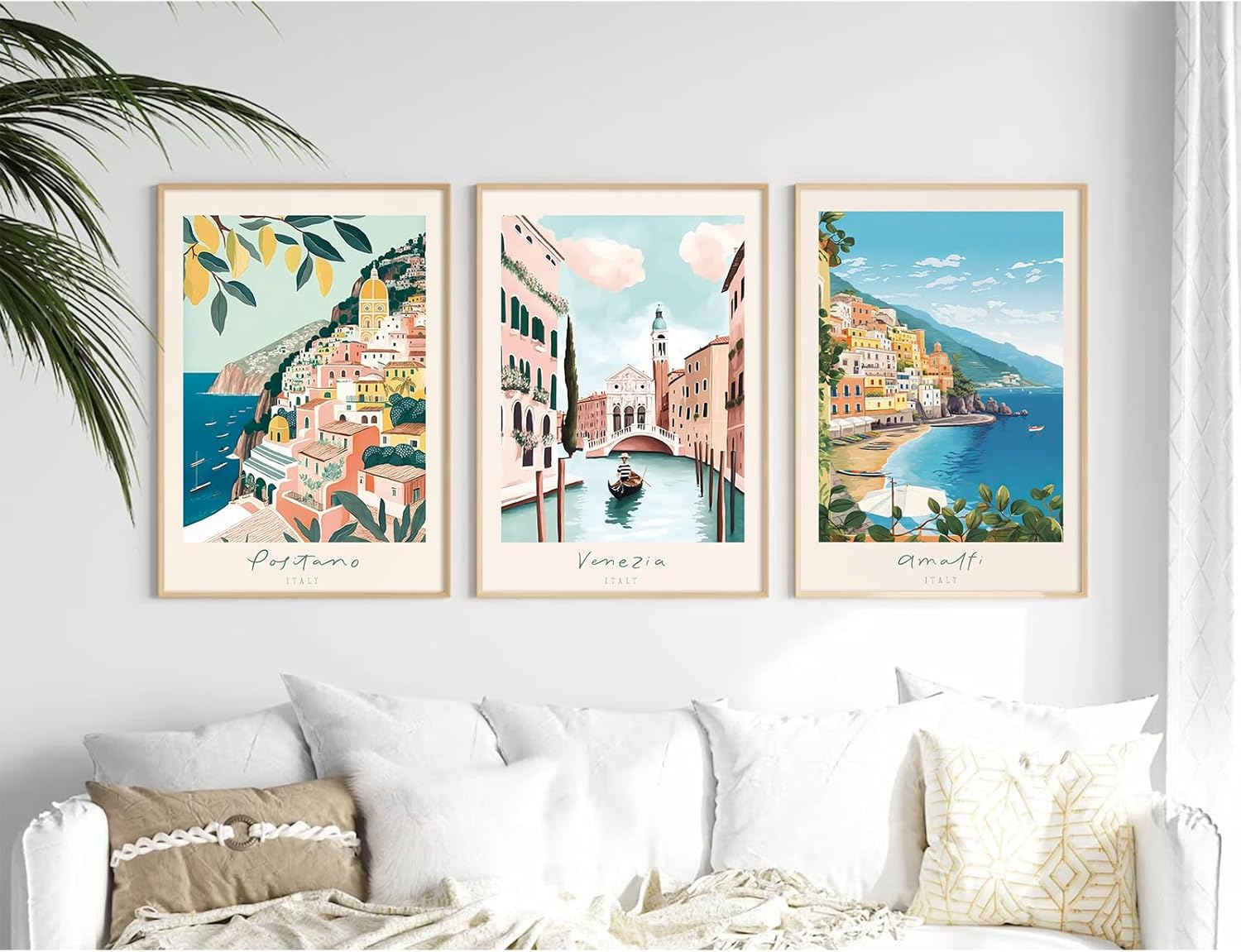
[sps_html tag=”img” src=”https://cdn.theartssection.com/wp-content/uploads/2025/12/amazon-com-italy-wall-art-italian-amalfi-coast-wall-decor-travel-city-in-green-rural-rolling-hills-tuscany-landscape-wall-art-print-4-panels.jpg” alt=”Amazon.com: Italy Wall Art Italian Amalfi Coast Wall Decor Travel City … in "Green Rural Rolling Hills Tuscany" Landscape Wall Art Print, 4 Panels” style=”width: 100%; height: auto;”]
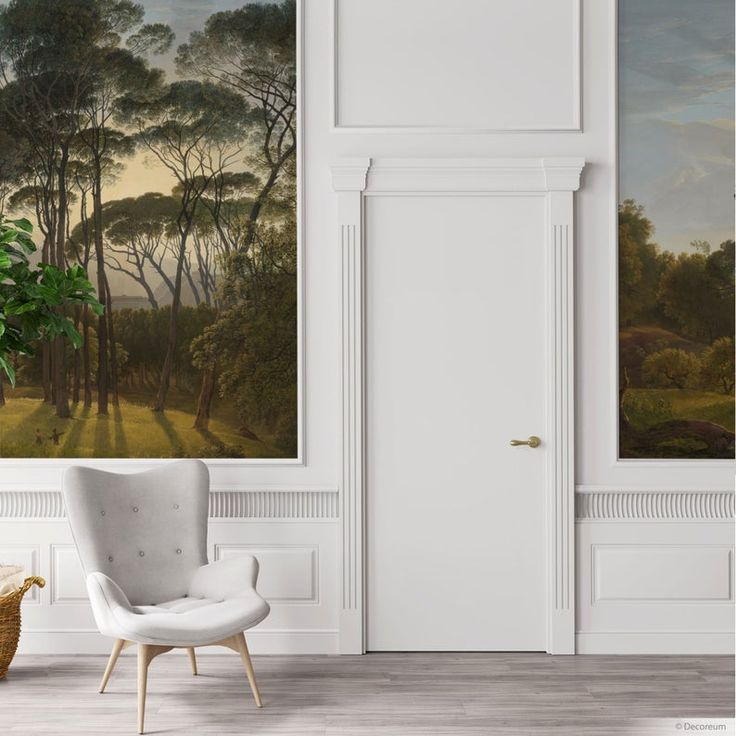
[sps_html tag=”img” src=”https://cdn.theartssection.com/wp-content/uploads/2025/12/italian-landscape-vintage-wallpaper-decoration-murale-with-trees-and-throughout-green-rural-rolling-hills-tuscany-landscape-wall-art-print-4-panels.jpg” alt=”Italian Landscape Vintage Wallpaper, Decoration Murale With Trees And … throughout "Green Rural Rolling Hills Tuscany" Landscape Wall Art Print, 4 Panels” style=”width: 100%; height: auto;”]
[sps_html tag=”img” src=”https://cdn.theartssection.com/wp-content/uploads/2025/12/the-20-best-collection-of-italian-scenery-wall-art-regarding-green-rural-rolling-hills-tuscany-landscape-wall-art-print-4-panels.jpg” alt=”The 20 Best Collection Of Italian Scenery Wall Art regarding "Green Rural Rolling Hills Tuscany" Landscape Wall Art Print, 4 Panels” style=”width: 100%; height: auto;”]
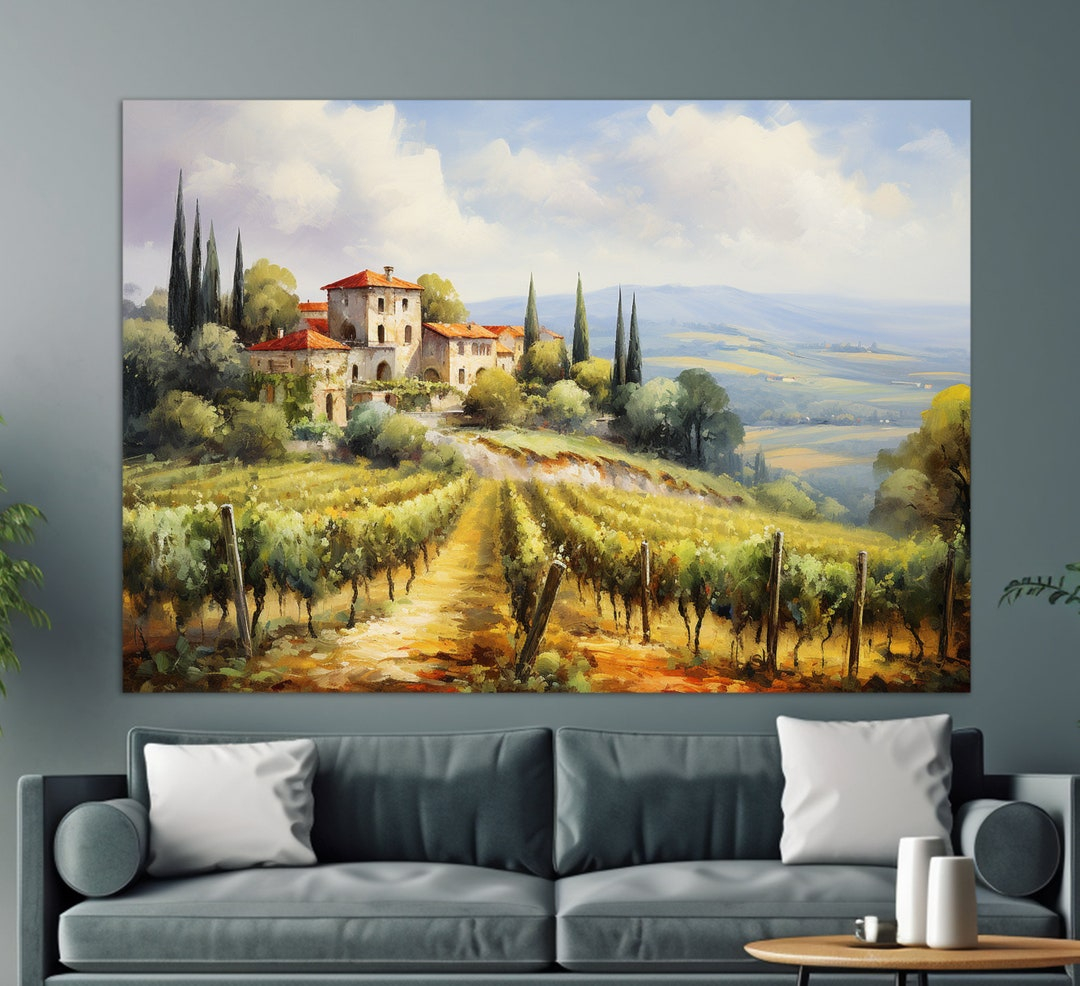
[sps_html tag=”img” src=”https://cdn.theartssection.com/wp-content/uploads/2025/12/vineyards-in-tuscany-oil-painting-canvas-print-tuscany-wall-art-throughout-green-rural-rolling-hills-tuscany-landscape-wall-art-print-4-panels.jpg” alt=”Vineyards In Tuscany Oil Painting Canvas Print, Tuscany Wall Art … throughout "Green Rural Rolling Hills Tuscany" Landscape Wall Art Print, 4 Panels” style=”width: 100%; height: auto;”]
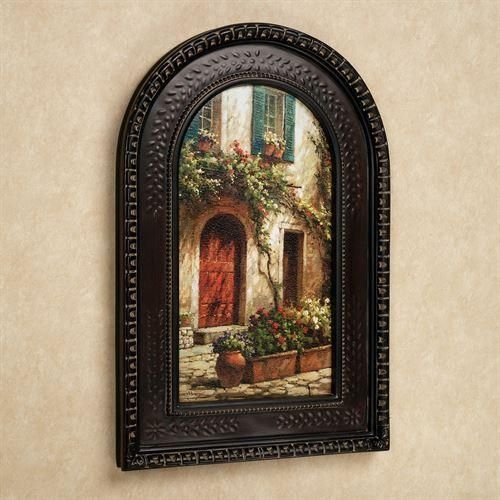
[sps_html tag=”img” src=”https://cdn.theartssection.com/wp-content/uploads/2025/12/elevate-your-space-with-authentic-italian-wall-art-throughout-green-rural-rolling-hills-tuscany-landscape-wall-art-print-4-panels.jpg” alt=”Elevate Your Space With Authentic Italian Wall Art throughout "Green Rural Rolling Hills Tuscany" Landscape Wall Art Print, 4 Panels” style=”width: 100%; height: auto;”]