When you first encounter a wooden religious sculpture or carving, something stirs within you. It’s not just the craftsmanship that draws you in—it’s the sense that these pieces carry a deeper story, a spiritual conversation that transcends time. Whether it’s a simple wooden cross, a carved Buddha figure, or intricate Celtic religious symbols, wood has served as the canvas for humanity’s most profound spiritual expressions for thousands of years.
Wood has always been more than just a material to our ancestors. It’s been a bridge between the earthly and the divine, a medium through which sacred stories, beliefs, and prayers have found their voice. From ancient temples to humble homes, wooden religious art has shaped how we understand and connect with the spiritual realm. But what makes these creations so powerful? What do they really mean beyond their visual appeal? Let’s explore the rich tapestry of meaning woven into every carved detail and carved line.
The Ancient Foundation of Wooden Sacred Art
Long before artists used paint or stone, our forebears turned to wood for their most sacred works. This isn’t just about convenience—it speaks to something fundamental about wood itself. The grain of the tree, its growth patterns, and its very life cycle mirror the journey of human spirituality. In many cultures, wood was seen as a living material, connected to the earth and the heavens.
Consider the ancient Egyptians, who carved wooden figures for tombs and temples. These weren’t mere decorations—they were vessels for the soul’s journey. The wood was chosen carefully, often from trees that were considered sacred. A tree that had grown tall and strong, perhaps even survived storms, was believed to carry the strength of perseverance.
In Japan, Buddhist wooden statues represent the concept of impermanence. The wood itself, once alive, now stands still, yet it holds the energy of countless prayers and meditations. It’s a beautiful paradox—the stillness of the statue versus the movement of the spiritual energy it contains.
The materials themselves tell stories. Cedar wood, with its natural oils, was often used for religious purposes because it was believed to repel insects and preserve sacred objects. Oak was chosen for its strength and durability, symbolizing eternal faith. These choices show us that ancient artisans understood more than just aesthetics—they understood the deeper connections between materials and meaning.
Spiritual Symbols in Every Grain
What happens when you look closely at a wooden religious piece? You start to see more than just a carved shape. The grain becomes a path, the texture tells a story, and every curve carries intention.
Take the cross, one of the most recognizable symbols in Christian art. When carved in wood, it transforms from a simple symbol into something that embodies sacrifice, redemption, and hope. The horizontal beam represents the earth, while the vertical one symbolizes heaven. But when you examine a wooden cross, you realize that the grain runs along the length of the wood—this isn’t accidental. The grain flows like a river of light, suggesting the continuous flow of divine grace.
In Hindu traditions, wooden deities are often carved with multiple arms to represent various powers or aspects of divinity. The wood’s natural form influences how these arms appear—sometimes they seem to grow organically from the trunk, creating a sense of life rather than mere decoration.
Celtic knots, commonly carved in wood, represent the eternal nature of the spirit. These interwoven patterns have no beginning or end, much like the cycles of life and death that define our spiritual journey. The wood’s natural edges and curves often enhance this feeling of endless connection.
Each element of these carvings seems designed to speak to both the eye and the soul. They’re not just objects to admire—they’re invitations to deeper contemplation.
Cultural Variations in Sacred Wood Carving
Different cultures have developed unique approaches to creating wooden religious art, each reflecting their particular worldview and spiritual practices.
In African traditions, wooden religious figures often embody ancestral wisdom. The Yoruba people of Nigeria create wooden sculptures that represent Orishas—deities who act as intermediaries between humans and the divine. These figures aren’t meant to be static representations; they’re living reminders of the presence of spiritual forces. The wood’s natural characteristics, such as knots or unusual shapes, are often embraced rather than corrected, as they’re seen as signs of the spirit’s influence.
Native American tribes have used wood for ceremonial objects for centuries. The Lakota tradition includes wooden pipes for prayer, often carved with sacred symbols. These aren’t just functional items—they’re considered gifts from the spirits themselves. The wood is chosen based on its supposed spiritual properties and the location where it was found.
In Tibetan Buddhism, wooden prayer wheels are essential tools for meditation and spiritual practice. Each wheel contains hundreds of mantras that are spun by hand, creating a rhythmic sound that’s believed to carry prayers to the heavens. The wood used is often juniper or pine, both considered purifying materials. The act of spinning the wheel connects the practitioner to the spiritual message being conveyed.
These diverse approaches show us that while the materials might be similar, the intentions behind them vary greatly, reflecting the unique beliefs and practices of each community.
The Psychological Impact of Wooden Religious Objects
There’s something about wooden religious art that affects us on a deeply psychological level. Scientists have begun studying why these objects hold such power over human emotion and behavior.
Research suggests that wood has a natural calming effect on the human nervous system. This might explain why many people find comfort in wooden religious items. The texture, warmth, and natural scent of wood all contribute to feelings of safety and connection.
The tactile experience matters too. When you run your fingers along the carved surface of a religious wooden object, you’re engaging with something that’s been touched by countless others. This creates a sense of shared experience and continuity across generations.
Many therapists and counselors note that clients often respond positively to wooden religious artifacts in healing environments. The natural, organic quality of wood seems to facilitate a sense of grounding and peace that’s difficult to achieve with synthetic materials.
This psychological connection isn’t just anecdotal. Studies have shown that people who interact with wooden religious objects report increased feelings of spiritual connection and inner calm. The combination of visual symbolism, physical touch, and cultural associations creates a powerful multi-sensory experience that reaches deep into our consciousness.
It’s almost as if the wood itself has memory—a kind of spiritual echo that resonates with our own experiences of seeking meaning and connection.
Modern Applications and Contemporary Relevance
Today’s world may seem far removed from ancient traditions, but wooden religious art continues to evolve and find new relevance. Modern artists and craftspeople are reinterpreting traditional forms for contemporary audiences while maintaining their spiritual essence.
Contemporary wooden religious art often appears in modern homes, meditation spaces, and even corporate environments. These pieces serve different functions than their ancient counterparts, but they still fulfill the same basic human need for spiritual connection.
Some artists focus on preserving traditional techniques, using old methods passed down through generations. Others experiment with new styles, combining ancient symbolism with modern design principles. The result is a rich diversity of expressions that honor both past and present.
In therapeutic settings, wooden religious art is increasingly used to support mental health and well-being. Hospitals, hospices, and rehabilitation centers often feature wooden sculptures and carvings to provide comfort and hope to patients. The natural materials offer a soothing presence that can be particularly helpful during times of stress or uncertainty.
Technology hasn’t replaced these traditional forms either. Instead, digital tools have helped preserve and share knowledge about woodworking techniques and spiritual meanings. Online communities of artisans and spiritual seekers collaborate to keep these traditions alive while adapting them for modern times.
The accessibility of these pieces has also increased. More people can now afford to own wooden religious art, making these spiritual connections available to broader audiences.
How to Choose and Care for Wooden Religious Art
If you’re considering adding wooden religious art to your space, there are several important factors to consider.
First, think about the spiritual meaning that resonates with you. Different symbols and styles have specific cultural and religious significance. Understanding this background helps you choose pieces that align with your personal beliefs or spiritual journey.
Quality matters enormously. Look for wood that feels solid and well-crafted. Natural wood will have variations in color and grain that add character and authenticity. Avoid pieces that feel cheap or overly processed, as these often lack the spiritual weight that comes from genuine craftsmanship.
Consider the environment where the piece will live. Wood responds to humidity and temperature changes, so placing it in a stable location helps preserve its beauty and integrity.
Maintenance is straightforward but important. Regular dusting with a soft cloth keeps the wood looking fresh. Some pieces benefit from occasional oiling to maintain their luster and protect against moisture.
Many people find it meaningful to clean their wooden religious objects with specific intentions or prayers. This practice adds a layer of spiritual significance to the maintenance process itself.
When purchasing, consider supporting artisans who honor traditional techniques and cultural meanings. This ensures that these spiritual traditions continue to thrive and evolve rather than becoming lost to mass production.
Wooden religious art represents something profound about human nature and our eternal search for meaning. These carved treasures aren’t simply decorative objects—they’re bridges between our inner lives and the vast spiritual universe around us. Whether you’re drawn to the ancient wisdom embedded in every grain or the contemporary interpretations that speak to modern souls, these pieces offer something irreplaceable: a tangible connection to the sacred.
As we move forward in an increasingly digital world, the importance of physical, natural materials like wood becomes ever more significant. They remind us that some things in life transcend technology—they speak directly to our hearts and souls. The next time you encounter a wooden religious carving, take a moment to really look at it. Feel its texture, notice its details, and let yourself be moved by the centuries of spiritual intention that went into its creation.
These pieces continue to evolve, adapting to new contexts while holding onto their essential purpose: to help us connect with something greater than ourselves. In doing so, they offer us not just beauty, but a pathway toward deeper understanding and spiritual fulfillment. The story of wooden religious art is far from finished—it’s still being written, one careful carve at a time.
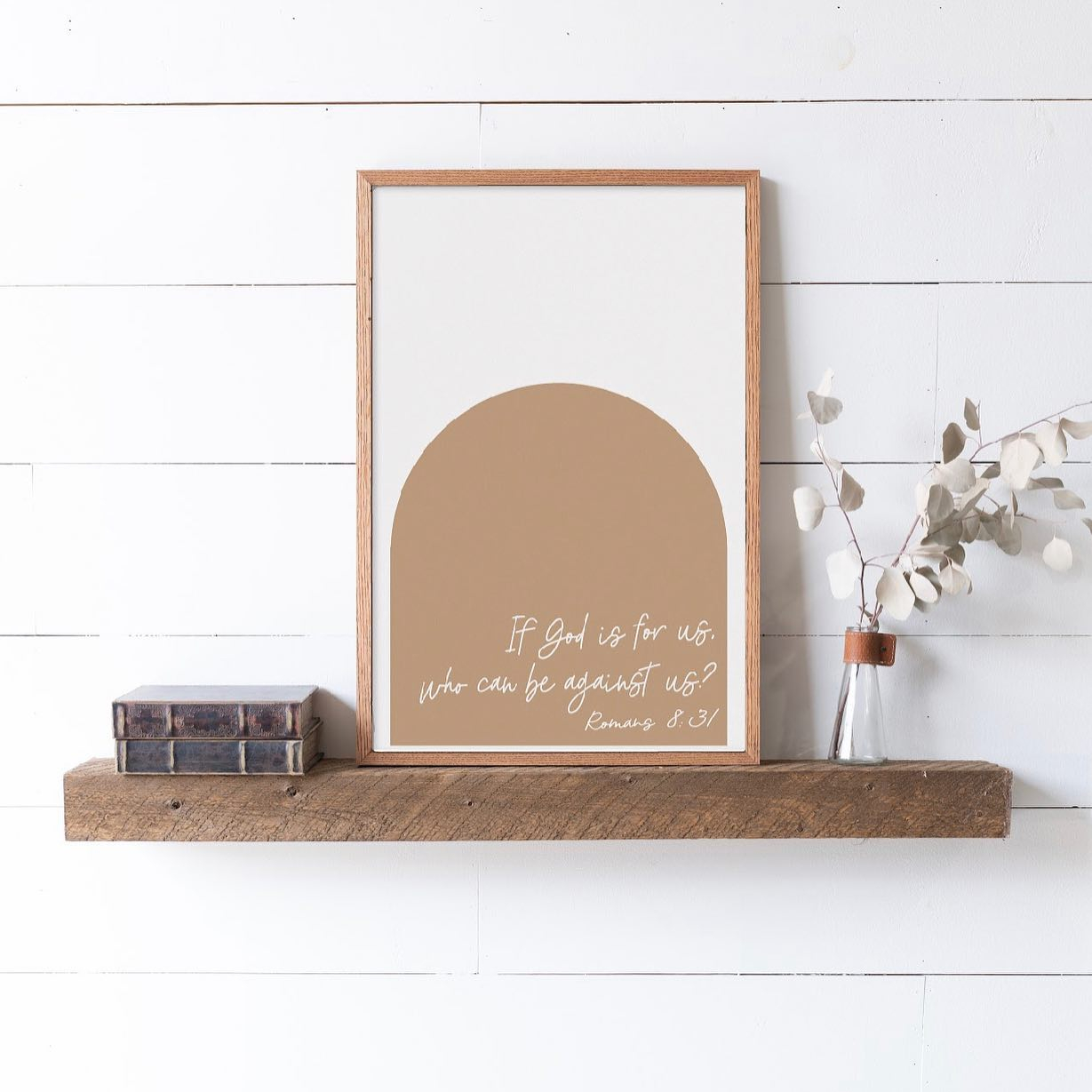
[sps_html tag=”img” src=”https://cdn.theartssection.com/wp-content/uploads/2025/12/amazon-com-christian-inspirational-rustic-wall-decor-4-pcs-bible-pertaining-to-i-am-a-son-of-the-king-wooden-religious-art-as-meaningful-home-decor.jpg” alt=”Amazon.com: Christian Inspirational Rustic Wall Decor - 4 Pcs Bible … pertaining to I Am a Son of the King wooden religious art as meaningful home decor” style=”width: 100%; height: auto;”]
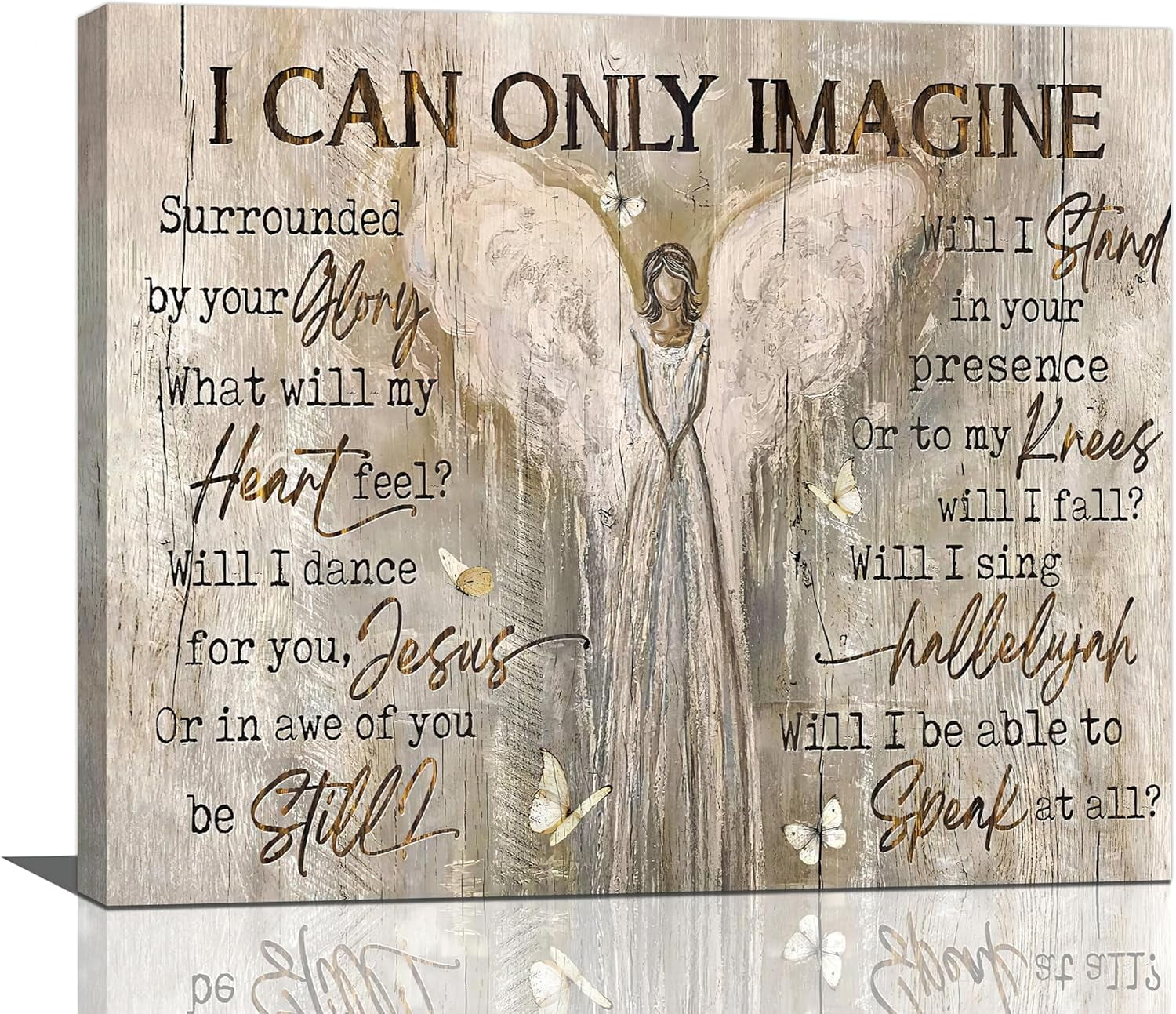
[sps_html tag=”img” src=”https://cdn.theartssection.com/wp-content/uploads/2025/12/how-to-design-your-house-with-the-best-unique-christian-home-decor-style-with-regard-to-i-am-a-son-of-the-king-wooden-religious-art-wooden-inspirational-decor-wall-art.jpg” alt=”How To Design Your House With The Best Unique Christian Home Decor Style? with regard to I Am A Son Of The King Wooden Religious Art Wooden Inspirational Decor Wall Art” style=”width: 100%; height: auto;”]
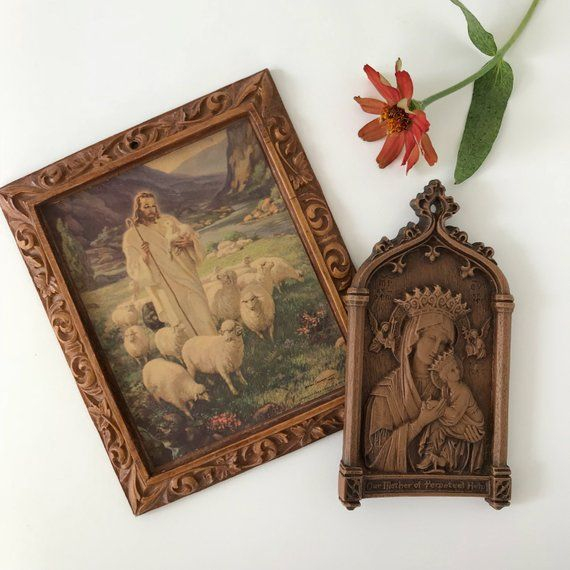
[sps_html tag=”img” src=”https://cdn.theartssection.com/wp-content/uploads/2025/12/religious-wall-decor-set-inspiring-art-for-your-home-throughout-i-am-a-son-of-the-king-wooden-religious-art-wooden-inspirational-decor-wall-art.jpg” alt=”Religious Wall Decor Set - Inspiring Art For Your Home throughout I Am A Son Of The King Wooden Religious Art Wooden Inspirational Decor Wall Art” style=”width: 100%; height: auto;”]
[sps_html tag=”img” src=”https://cdn.theartssection.com/wp-content/uploads/2025/12/axxposters-christian-wall-art-rustic-angel-wings-wall-decor-intended-for-i-am-a-son-of-the-king-wooden-religious-art-wooden-inspirational-decor-wall-art.jpeg” alt=”Axxposters-Christian Wall Art Rustic Angel Wings Wall Decor … intended for I Am A Son Of The King Wooden Religious Art Wooden Inspirational Decor Wall Art” style=”width: 100%; height: auto;”]
[sps_html tag=”img” src=”https://cdn.theartssection.com/wp-content/uploads/2025/12/wall-art-bible-verse-frame-at-jasmine-disher-blog-in-i-am-a-son-of-the-king-wooden-religious-art-as-meaningful-home-decor.jpg” alt=”Wall Art Bible Verse Frame At Jasmine Disher Blog in I Am a Son of the King wooden religious art as meaningful home decor” style=”width: 100%; height: auto;”]