There’s something almost magical about watching New York City transform as day turns to night. The way the buildings catch the last rays of sunlight, the glow that spills across the Hudson River, and how the city’s lights begin to twinkle like stars – it’s a spectacle that has drawn photographers for decades. But what makes this magic truly special isn’t just the grandeur of the city itself. It’s about understanding how light behaves, when to show up, and what lens to use.
New York City’s skyline is one of the most photographed subjects in the world. Yet capturing its true essence requires more than just pointing a camera at the right spot. It’s about timing, technique, and knowing exactly what to look for. Whether you’re a seasoned pro or someone who’s never picked up a camera before, there’s always something new to discover in the way the city looks during those precious hours between dusk and dark. The evening skyline isn’t just another photo opportunity – it’s a chance to tell stories about urban life, ambition, and the endless energy that flows through the five boroughs.
Timing is Everything
The golden hour, those first few precious minutes after sunset, is when the magic happens. During this time, the light is softer and warmer, casting long shadows and creating dramatic contrasts that make even the most familiar buildings look extraordinary. The best time to start shooting is about twenty minutes before official sunset. This gives you enough time to set up and get comfortable with your camera settings while still catching that perfect moment when the sun is just beginning to dip below the horizon.
Many photographers find that the period immediately following sunset is where they can capture the most dynamic shots. The city’s lights start to flicker on, creating a beautiful interplay between natural and artificial illumination. Some locations work better than others for this transition. The Brooklyn Bridge offers a fantastic vantage point because it frames both Manhattan and the river, while the High Line provides a unique perspective from above. You might also consider the Statue of Liberty or Battery Park for different angles and compositions.
Essential Gear for Night Photography
You don’t need expensive equipment to capture stunning skyline photos, but having the right tools can make all the difference. A sturdy tripod is absolutely essential – it will eliminate camera shake and allow you to use slower shutter speeds for better exposure. If you’re planning to shoot handheld, a fast lens with a wide aperture (f/1.4 or lower) will let in more light and help you avoid motion blur.
Consider bringing a remote shutter release or using your phone’s timer function to avoid camera movement when pressing the button. For more advanced setups, a polarizing filter can reduce glare from water surfaces and enhance sky colors. Don’t forget extra batteries and memory cards, especially if you’re planning to stay out late. The cold weather in winter months can drain batteries quickly, so always have backups on hand.
A good headlamp or flashlight can be invaluable for navigating dark locations safely. Some photographers prefer to use a small LED light to illuminate their camera controls in low-light situations. Remember, you’re not just photographing the city – you’re also documenting your own experience of being there.
Composing Your Shot
Good composition starts with understanding what elements you want to include in your frame. The skyline itself is obviously important, but think about what else can add depth and interest to your image. Water often makes a compelling foreground element, whether it’s the Hudson River, East River, or even puddles reflecting the lights.
Try including recognizable landmarks like the Empire State Building, Chrysler Building, or One World Observatory in your frame. These iconic structures provide visual anchors that help viewers understand scale and context. Consider adding people, vehicles, or even birds in flight to give your photographs a sense of life and movement.
Rule of thirds works well for skyline photography, but don’t be afraid to experiment with leading lines. The edges of bridges, roads, or even the natural curves of the river can guide the viewer’s eye toward the main subject. Try shooting from different heights – ground level, elevated viewpoints, or even from moving transportation like a subway car or boat tour.
Sometimes the most powerful shots come from unexpected perspectives. A reflection in a puddle, a silhouette against a colorful sky, or a simple composition with just one building can be just as impactful as a full skyline view.
Mastering Exposure Settings
Exposure is where many amateur photographers get frustrated with skyline shots. The contrast between bright lights and darker areas can easily overwhelm a camera’s sensor. Understanding how to balance these elements is crucial.
Start with manual mode rather than automatic. Set your ISO between 100 and 800 depending on lighting conditions and how much noise you’re willing to accept. Lower ISO values produce cleaner images but require longer exposures.
Use aperture priority mode if you’re less experienced with manual settings. Start with f/8 to f/11 for sharpness, though you might want to open wider if you’re shooting with a wide-angle lens to capture more of the scene.
For shutter speed, you’ll need to experiment. In bright conditions, you might use 1/60th second or faster. For darker scenes, longer exposures of several seconds may be necessary. Bracket your shots – take multiple photos at different exposure levels – to ensure you capture the full range of light in the scene.
Consider using HDR (high dynamic range) techniques for particularly challenging lighting situations. This involves taking several photos at different exposures and combining them in post-processing software. Many modern cameras have built-in HDR modes that can make this process easier.
Weather and Conditions Matter
Weather plays a significant role in how your skyline photographs turn out. Cloud cover can soften harsh light and create interesting silhouettes. On clear nights, you’ll see more stars and planets in the background, adding another dimension to your shots.
Humidity affects visibility and can create a dreamy quality to your images. Foggy conditions might obscure some buildings but can also create mysterious atmospheres that add drama to your photographs. Rain creates reflections on wet surfaces that can dramatically change the appearance of the cityscape.
Seasonal changes also affect your approach. Winter skies are often clearer but colder, requiring extra preparation for yourself and your equipment. Summer months offer longer daylight hours and potentially more atmospheric haze that can create interesting color effects.
Wind can be both helpful and problematic. It helps move clouds for interesting backgrounds, but strong gusts can make it difficult to keep your camera steady. Always check forecasts before heading out, and be prepared to adjust your plans based on conditions.
Remember that the weather affects not just the final image but also your ability to enjoy the experience. A perfect shot is meaningless if you’re shivering or getting soaked.
Post-Processing and Final Touches
The digital darkroom is where many great skyline photos really come alive. Post-processing allows you to enhance details, correct exposure issues, and fine-tune the mood of your images.
Start by adjusting basic settings like exposure, contrast, highlights, and shadows. These changes can dramatically improve the overall balance of your photograph. Be careful not to overdo it – subtle adjustments usually look more natural.
For sky enhancement, try using graduated filters or masks to selectively brighten or darken specific areas. This helps bring out details in both bright lights and darker sections of the city. You might want to increase saturation slightly to make colors pop, but again, moderation is key.
Noise reduction becomes important when working with higher ISO settings. Most editing software has built-in tools for this, but sometimes you might need to apply selective sharpening to bring out architectural details.
Consider creating a series of related images – perhaps showing the same location at different times of day or seasons. This approach tells a more complete story about the city and can be very compelling for viewers. Some photographers also experiment with converting their images to black and white for a classic, timeless feel.
Don’t forget to save your original files before making any edits. This ensures you always have a backup if you decide to go in a different direction later.
Photographing New York City’s evening skyline is both an art and a science. It combines technical knowledge with creative vision, patience, and a willingness to experiment. The beauty of this subject is that there’s no single "right" way to capture it. Every photographer brings their own perspective, their own interpretation of what makes the city special.
Whether you’re trying to recreate famous shots from the past or develop your own unique style, remember that practice makes progress. The more you shoot, the better you’ll understand how light moves through the city, how different times of year affect visibility, and what settings work best for various conditions.
The magic isn’t just in the final image – it’s in the experience of being there, watching the city transform, feeling the energy of the place, and capturing that moment in time. Sometimes the most memorable photographs aren’t technically perfect but instead capture a feeling, a mood, or a particular moment that you’ll never see again.
So grab your camera, head out to one of the iconic spots, and let the city’s evening light guide you. The skyline will reward your attention with images that not only document the city but also tell the story of why so many people fall in love with New York.
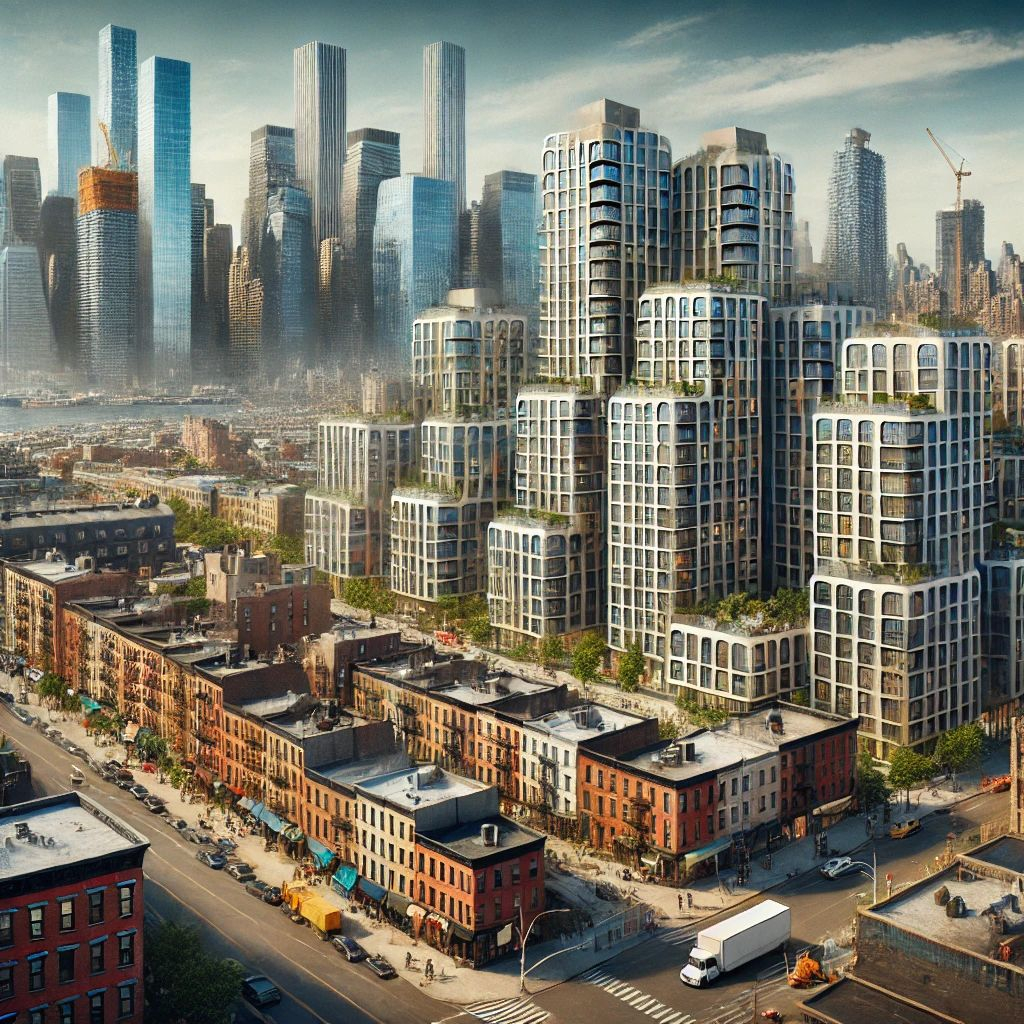
[sps_html tag=”img” src=”https://cdn.theartssection.com/wp-content/uploads/2025/11/sean-g-on-linkedin-transforming-new-york-city-converting-commercial-pertaining-to-amazing-night-in-new-york-city-canvas-print60x28-5-panels.jpg” alt=”Sean G. On Linkedin: Transforming New York City: Converting Commercial … pertaining to "Amazing Night In New York City" Canvas Print60"X28", 5-Panels” style=”width: 100%; height: auto;”]
[sps_html tag=”img” src=”https://cdn.theartssection.com/wp-content/uploads/2025/11/manhattan-glow-paul-kenton-for-amazing-night-in-new-york-city-canvas-print60x28-5-panels.jpg” alt=”Manhattan Glow - Paul Kenton for "Amazing Night In New York City" Canvas Print60"X28", 5-Panels” style=”width: 100%; height: auto;”]
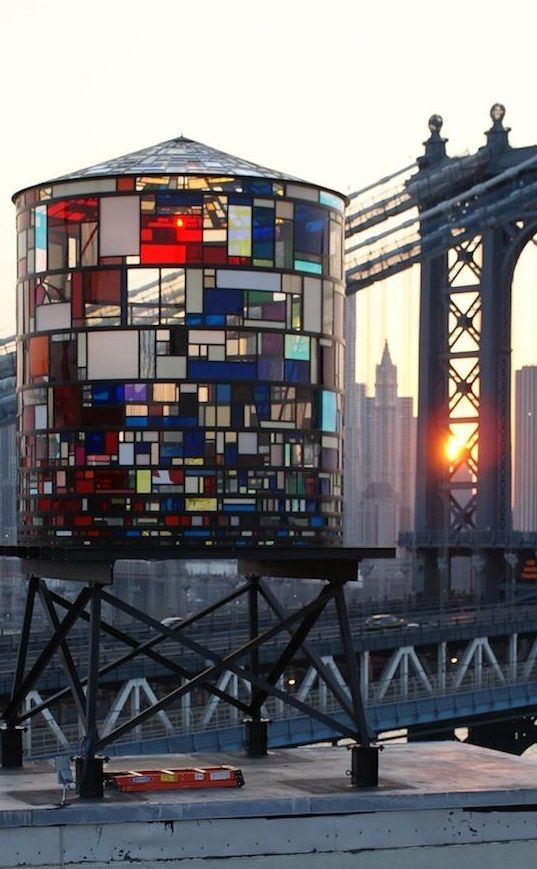
[sps_html tag=”img” src=”https://cdn.theartssection.com/wp-content/uploads/2025/11/artists-transform-new-york-citys-water-towers-into-works-of-art-with-regard-to-amazing-night-in-new-york-city-canvas-print60x28-5-panels.jpg” alt=”Artists Transform New York City's Water Towers Into Works Of Art … with regard to "Amazing Night In New York City" Canvas Print60"X28", 5-Panels” style=”width: 100%; height: auto;”]
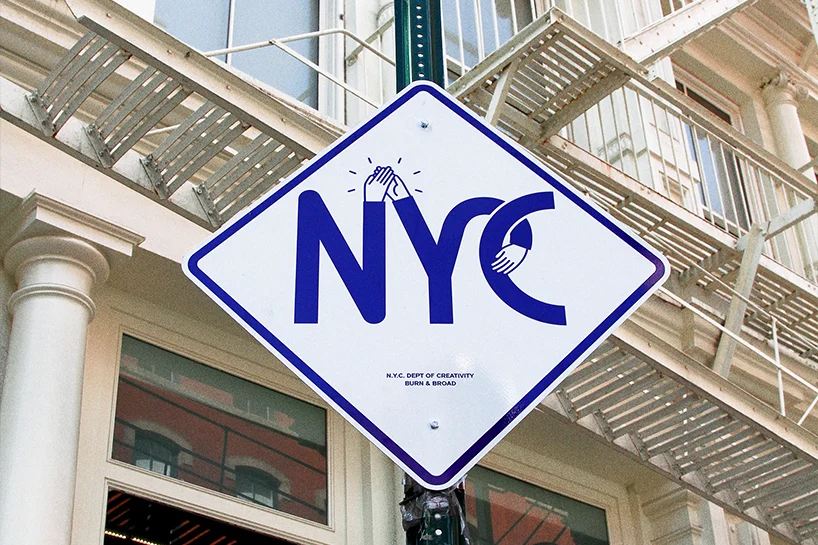
[sps_html tag=”img” src=”https://cdn.theartssection.com/wp-content/uploads/2025/11/transforming-new-york-city-street-signs-into-public-art-regarding-transforming-new-yorks-evening-glow-into-eternal-art.png” alt=”Transforming New York City Street Signs Into Public Art regarding Transforming New York's Evening Glow Into Eternal Art” style=”width: 100%; height: auto;”]
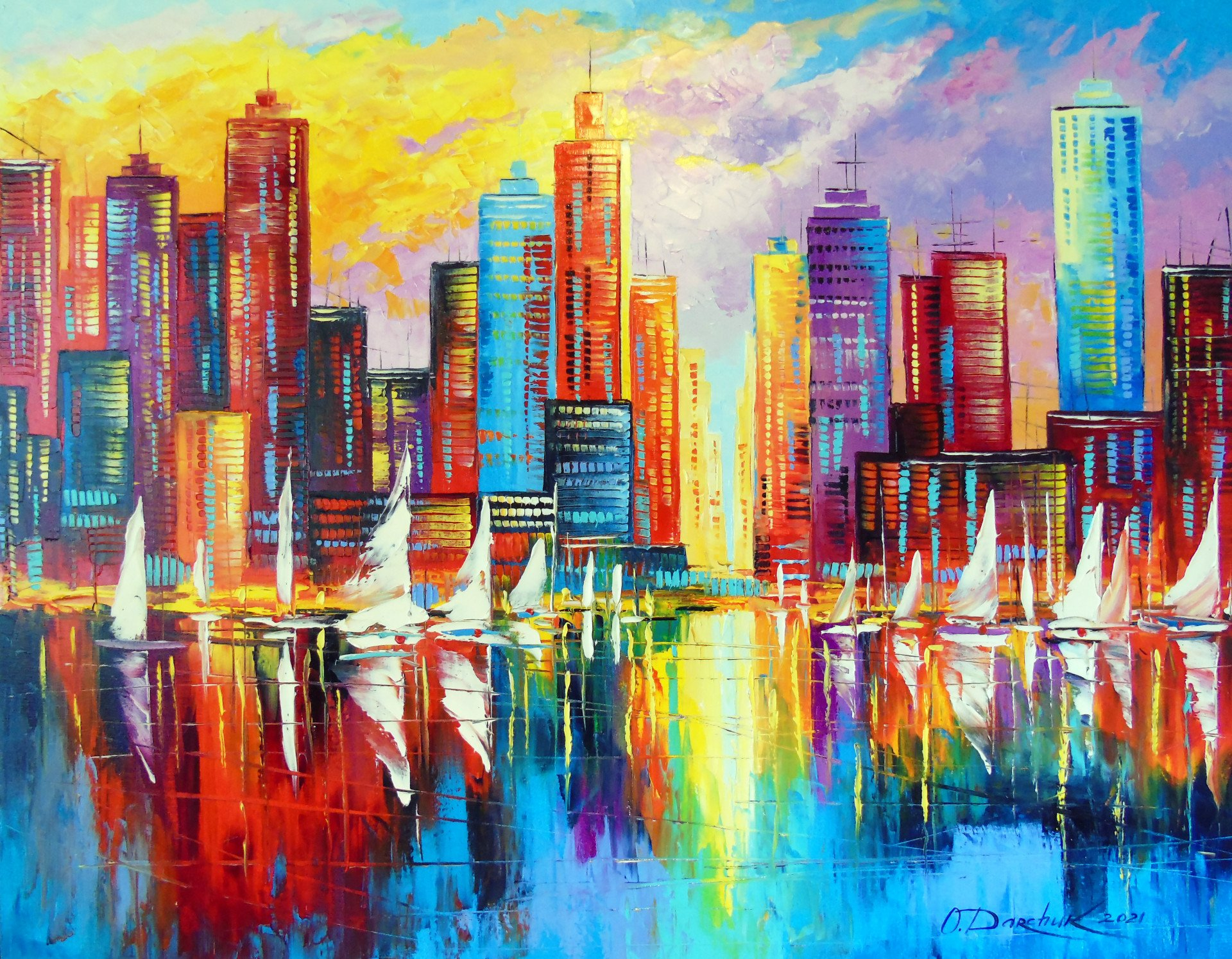
[sps_html tag=”img” src=”https://cdn.theartssection.com/wp-content/uploads/2025/11/evening-new-york-painting-by-olha-darchuk-jose-art-gallery-throughout-transforming-new-yorks-evening-glow-into-eternal-art.jpg” alt=”Evening New York Painting By Olha Darchuk - Jose Art Gallery throughout Transforming New York's Evening Glow Into Eternal Art” style=”width: 100%; height: auto;”]