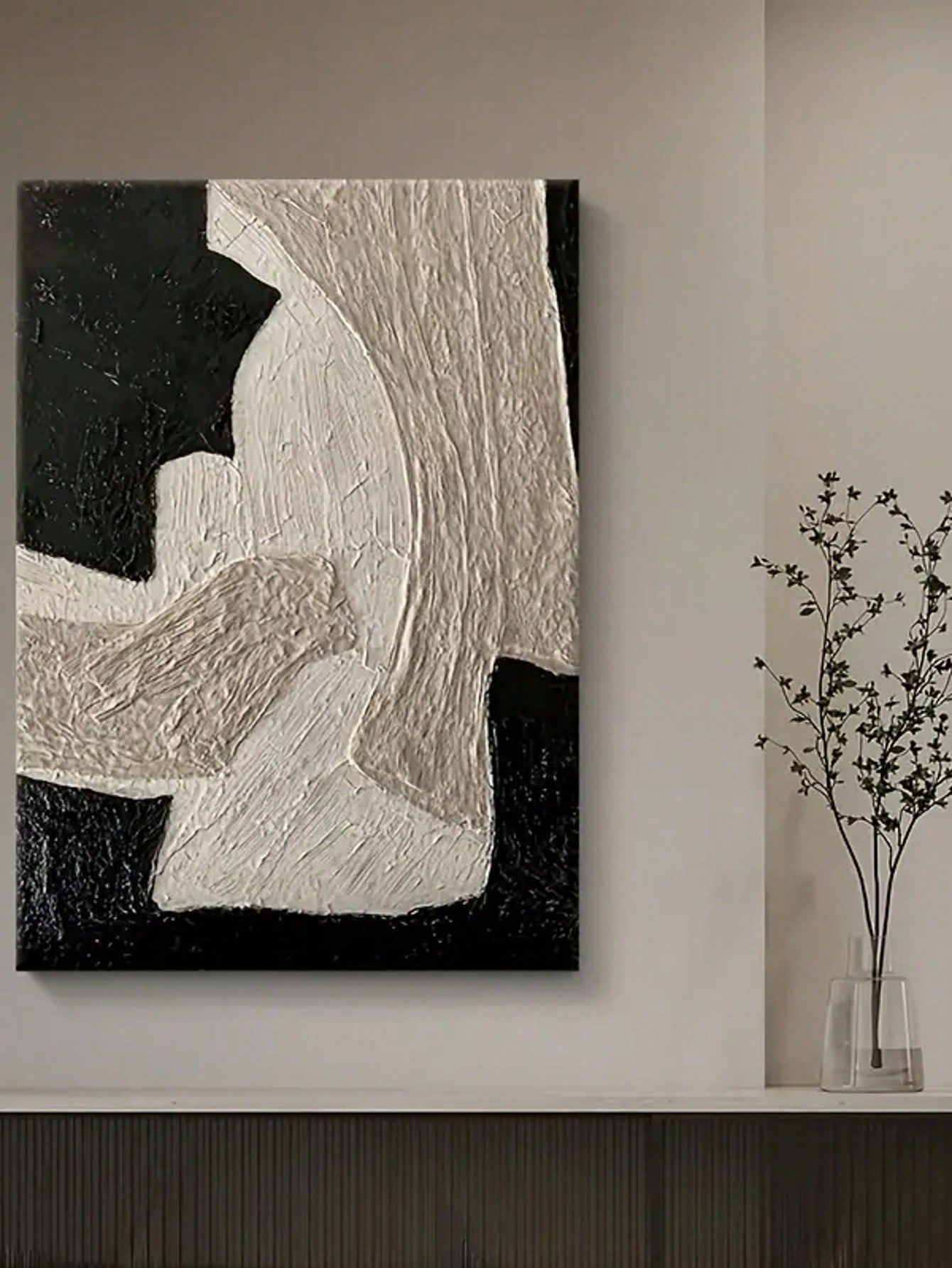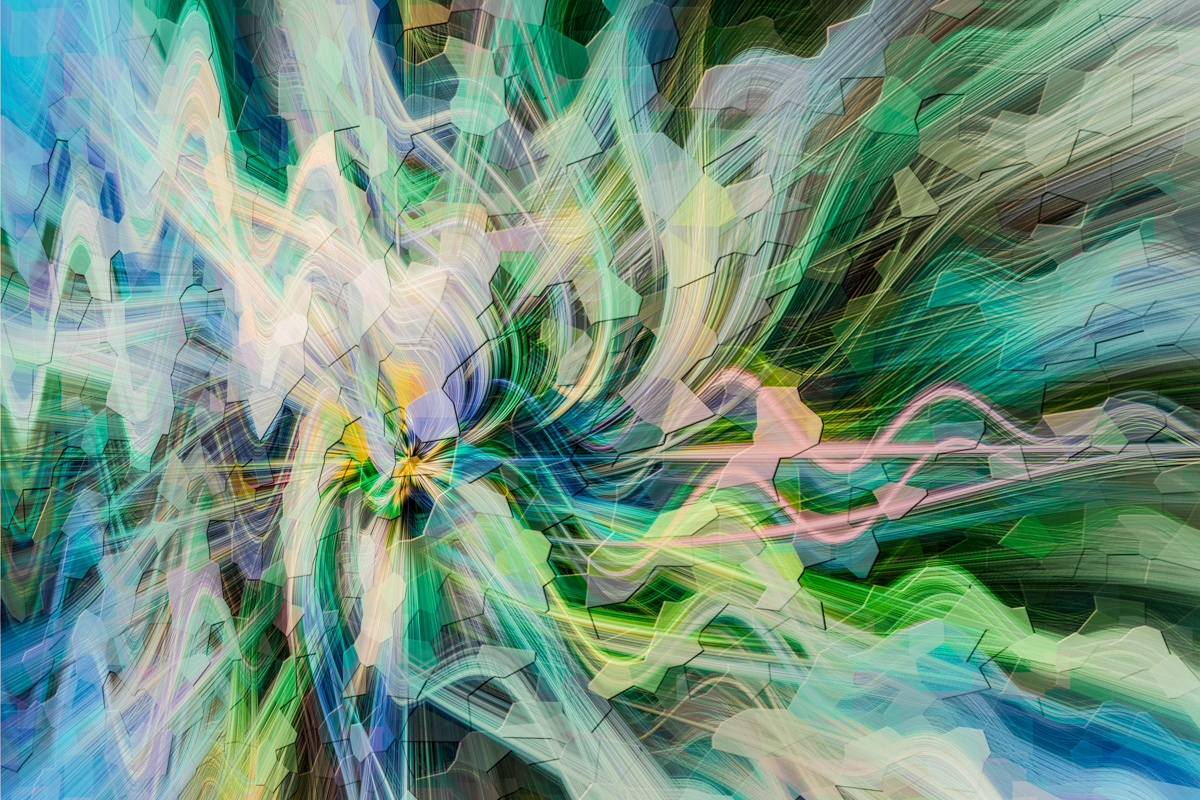
Have you ever found yourself standing in front of a digital artwork, feeling an overwhelming sense of recognition? Perhaps it’s a swirl of colors that feels like grief, or geometric shapes that seem to mirror your anxiety. These aren’t just random visual experiences. There’s something deeply psychological happening when abstract digital art captures human suffering. It’s not magic—it’s the way our minds process and connect with emotional experiences through visual language.
In our increasingly digital world, art has found new forms and expressions. Among these, abstract digital art has emerged as particularly powerful in conveying the complexities of human experience, especially suffering. But what makes this form of artistic expression so effective at touching our core emotions? Why do certain digital compositions seem to capture our pain and transform it into something universally recognizable? The answers lie in the fascinating intersection of psychology, neuroscience, and creative expression. This exploration will take us deep into how abstract digital art speaks to our deepest emotional truths, often without using a single word.
The Emotional Language of Color and Form
Color isn’t just about aesthetics—it’s a direct pathway to emotion. In abstract digital art, artists often use specific color palettes to trigger particular psychological responses. Think about how blue might evoke sadness, while red can signal anger or passion. These associations aren’t arbitrary; they’re rooted in our evolutionary history and cultural conditioning.
Digital artists working with suffering often employ muted tones, dark hues, or stark contrasts to mirror internal states. A painting filled with deep purples and blacks might represent depression, while fragmented shapes could symbolize trauma. The beauty lies in how these visual elements bypass rational thought and speak directly to our limbic system—the brain’s emotional center.
Consider the work of digital artist Sarah Chen, whose series "Fractured Light" uses glitched pixels and distorted geometries to depict mental health struggles. Viewers often describe feeling seen and understood after encountering her work, even though they’ve never experienced the specific circumstances depicted.
How Movement and Texture Convey Pain
Digital art offers unique possibilities for capturing motion and texture in ways that traditional media cannot match. When artists incorporate subtle animations or layered textures into their pieces, they’re creating dynamic experiences that mirror how we feel pain internally.
The concept of ’emotional movement’ in digital art refers to how artists manipulate elements to create feelings of instability, tension, or release. A piece might start with static elements that gradually become chaotic, representing the progression of distress. Conversely, smooth transitions from disorder to order might symbolize healing or recovery.
This approach works because our brains are wired to detect patterns and changes in our environment. When digital art mimics these natural rhythms, it creates a visceral response that feels both familiar and profound. The technique is particularly effective with themes around loss, grief, and transformation.
The Role of Interpretation in Shared Experience
One of the most remarkable aspects of abstract digital art dealing with suffering is its ability to create shared experiences through individual interpretation. This paradox—where personal meaning leads to collective understanding—is central to the power of such artworks.
Psychologists call this phenomenon ‘projection,’ where viewers bring their own experiences to the artwork, finding their own stories reflected in the visual elements. This isn’t just about the artist’s intention; it’s about how the viewer’s mind creates connections between their internal world and external stimuli.
Take the case of "Echoes of Loss," a digital installation that uses flowing water animations combined with soft, warm lighting. Different people interpret it differently—some see it as mourning, others as hope. Yet everyone agrees there’s something deeply moving about it. This shared emotional resonance happens because the art provides a framework that allows personal narratives to emerge naturally.
The beauty of this process is that it validates different experiences of suffering without requiring identical interpretations.
Neuroscience of Visual Empathy
Modern neuroscience reveals how our brains respond to abstract art that deals with suffering. When we look at such artworks, several neural networks activate simultaneously. The mirror neuron system fires up, allowing us to simulate the emotional states portrayed in the art.
Research shows that viewing emotionally charged abstract art activates areas associated with empathy and emotional processing. This neurological response explains why we sometimes feel physical sensations when looking at such pieces—our bodies react to the emotional energy being transmitted through pixels and colors.
The digital medium amplifies this effect because it offers precise control over visual elements that can directly influence brain chemistry. For instance, rapid color shifts or sudden movements in digital art can trigger stress responses in viewers, while slow, deliberate transitions may promote calmness and reflection.
This scientific understanding helps explain why abstract digital art about suffering feels so real and immediate. It’s not just about seeing—it’s about experiencing.
Cultural Context and Universal Themes
While each person’s experience of suffering is deeply personal, abstract digital art can tap into universal themes that transcend cultural boundaries. Artists working in this field often draw from common human experiences: loss, separation, struggle, and resilience.
Digital platforms have made it possible for artists worldwide to share these universal themes with global audiences. This has led to a rich cross-cultural exchange where different perspectives on suffering blend together in unexpected ways. A Japanese artist’s interpretation of loneliness might resonate with someone in Brazil, and vice versa.
The key is recognizing that suffering, while experienced individually, follows recognizable patterns across cultures. Grief, for example, manifests similarly whether someone is grieving a loved one in rural Kenya or a pet in suburban America. Digital art capitalizes on these shared emotional landscapes.
However, cultural context still matters. An artist might use specific symbols or color associations that are meaningful within their own cultural background, adding layers of complexity that invite deeper engagement.
The Healing Power of Artistic Expression
Perhaps most importantly, abstract digital art that captures suffering often serves as a form of therapy—not just for viewers, but for creators as well. The act of creating such art can be cathartic, helping artists process their own experiences of pain and loss.
For viewers, encountering these artworks can provide validation and comfort. When we see our struggles reflected in art, it reminds us that we’re not alone. This is particularly powerful in digital spaces where people might otherwise feel isolated in their experiences.
Studies show that engaging with emotionally evocative art, whether viewed or created, can reduce stress hormones and increase positive emotional states. The digital format adds another dimension to this healing process, offering interactive elements that allow people to engage with the artwork on multiple levels.
Some artists specifically design their digital pieces to be interactive, allowing users to manipulate elements and discover new meanings. This participatory aspect makes the healing process more personal and empowering.
Abstract digital art that captures human suffering represents a unique convergence of technology and emotion. Through careful attention to color, movement, texture, and form, artists create visual experiences that resonate with our deepest psychological truths. These works don’t just represent pain—they help us understand, process, and sometimes heal from it.
What’s particularly striking is how these digital creations bridge the gap between individual experience and universal truth. They remind us that despite our differences, we all share similar emotional landscapes. The pixelated brushstrokes of modern digital artists continue to paint the human condition in ways that feel both ancient and futuristic.
As we move forward in an increasingly digital world, the importance of these emotional connections becomes even more vital. These artworks serve as reminders that technology, when used with intention and empathy, can deepen rather than diminish our humanity. Whether you’re a creator or observer, engaging with this type of art offers a chance to feel truly seen and understood in our shared journey through life’s complexities.
[sps_html tag=”img” src=”https://cdn.theartssection.com/wp-content/uploads/2025/11/creative-paintings-unleashing-the-power-of-imagination-and-artistic-within-how-abstract-digital-canvas-art-transforms-traditional-expression-methods-scaled.jpg” alt=”Creative Paintings: Unleashing The Power Of Imagination And Artistic … within How Abstract Digital Canvas Art Transforms Traditional Expression Methods” style=”width: 100%; height: auto;”]
[sps_html tag=”img” src=”https://cdn.theartssection.com/wp-content/uploads/2025/11/digital-art-painting-abstract-intended-for-how-abstract-digital-canvas-art-transforms-traditional-expression-methods.jpg” alt=”Digital Art Painting Abstract intended for How Abstract Digital Canvas Art Transforms Traditional Expression Methods” style=”width: 100%; height: auto;”]
[sps_html tag=”img” src=”https://cdn.theartssection.com/wp-content/uploads/2025/11/free-images-abstract-expressionism-abstract-painting-acrylic-paint-within-how-abstract-digital-canvas-art-transforms-traditional-expression-methods-scaled.jpg” alt=”Free Images : Abstract Expressionism, Abstract Painting, Acrylic Paint … within How Abstract Digital Canvas Art Transforms Traditional Expression Methods” style=”width: 100%; height: auto;”]
[sps_html tag=”img” src=”https://cdn.theartssection.com/wp-content/uploads/2025/11/digital-creator-vs-artist-at-rebecca-castillo-blog-pertaining-to-how-abstract-digital-canvas-art-transforms-traditional-expression-methods.png” alt=”Digital Creator Vs Artist At Rebecca Castillo Blog pertaining to How Abstract Digital Canvas Art Transforms Traditional Expression Methods” style=”width: 100%; height: auto;”]
[sps_html tag=”img” src=”https://cdn.theartssection.com/wp-content/uploads/2025/11/abstract-digital-art-on-behance-throughout-cry-of-hand-abstract-digital-art-canvas-print.jpeg” alt=”Abstract Digital Art On Behance throughout "Cry Of Hand" Abstract Digital Art Canvas Print” style=”width: 100%; height: auto;”]