There’s something magical about looking at a weathered photograph of a bridge that has stood for decades. These images don’t just show structures—they tell stories of progress, perseverance, and human ingenuity. They’re windows into the past, capturing moments when communities were built, lives were changed, and history was made. What makes vintage bridge photography so special? It’s the way these prints hold memory like no other visual medium can.
Vintage bridge photography prints have an almost hypnotic quality to them. They seem to pull viewers into another era, where steel and stone held the promise of connecting distant places. Whether it’s a bustling railroad crossing or a quiet pedestrian bridge, these photographs become vessels for nostalgia. Every crack in the concrete, every rust stain on metal, tells its own story. The beauty lies not just in the engineering itself, but in the human moments captured within those frames. What we see in these prints isn’t just architecture—it’s our collective memory preserved in photographic form. These images serve as bridges between eras, carrying forward the spirit of times gone by.
The Artistic Language of Steel and Concrete
Bridge photography speaks a unique visual language. The interplay between horizontal lines of the structure and vertical elements creates a sense of movement even when the scene is static. Think about how a vintage photograph of the Brooklyn Bridge might make you feel like you’re witnessing history unfold. The way light hits the cables, the shadows cast by the towers, all contribute to an atmosphere that feels both grand and intimate.
Consider the difference between a modern digital image and a carefully crafted vintage print. The latter often carries an organic quality—the slight imperfections, the rich tonal range, the way the paper seems to breathe with age. This isn’t just about aesthetics; it’s about emotional resonance. When someone looks at a vintage bridge print, they’re experiencing a moment that was once lived, not simply viewed.
- Key aspects of bridge photography composition:
- Leading lines that draw the eye across the span
- Symmetry that creates balance and harmony
- Contrast between old and new elements
- The relationship between structure and environment
Historical Significance Beyond the Frame
Every vintage bridge photograph holds layers of historical meaning. A simple shot of a railway bridge might represent the expansion of commerce, the movement of goods, or the dreams of a growing nation. The bridge becomes a symbol of progress, often serving as a backdrop for pivotal moments in social change.
Take the case of the Golden Gate Bridge in San Francisco. Its iconic status wasn’t just about engineering prowess—it was about connection. The bridge represented a gateway, a symbol of hope, and a testament to what humanity could achieve. When we look at vintage photographs of it, we’re seeing more than a structure; we’re witnessing cultural transformation.
These prints often capture moments before major changes occurred. A bridge that existed in the 1940s might be gone by the 1970s due to urban development or natural disaster. The photograph preserves not just the structure, but the entire context of that time—people walking across it, cars passing beneath, children playing nearby. It’s like having a time capsule that reveals daily life as it once was.
- Historical documentation includes:
- Changes in urban landscapes over decades
- Transportation evolution and its impact on society
- Social gatherings and community events around bridges
- Environmental factors affecting bridge longevity
Emotional Resonance in Aging Materials
What strikes many people about vintage bridge prints is how they seem to age along with their subjects. The fading of colors, the softening of details, the gentle patina on the metal—all of these elements work together to create a sense of permanence and transience simultaneously. It’s as if the photograph itself is remembering.
This emotional connection happens because we can relate to the passage of time. We’ve seen our own bridges—both literal and metaphorical—change over the years. The bridge in the photograph becomes a mirror for our own experiences. Perhaps it reminds us of a childhood crossing, or a first date, or a family road trip. The print doesn’t just show us a structure; it helps us remember our place in the timeline of that moment.
The physical qualities of vintage prints add to this feeling. The paper texture, the slight warping from age, the way the ink has settled into the fibers—all these things speak to the passage of time. When you hold one of these prints in your hands, you’re touching a piece of history.
- Emotional elements in vintage prints:
- Nostalgia for simpler times
- Connection to personal memories
- Respect for craftsmanship and durability
- Appreciation for the handmade process
The Role of Light and Shadow in Memory
Light plays a crucial role in how vintage bridge prints communicate emotion and meaning. Morning light casting long shadows across a bridge creates a sense of possibility and new beginnings. Sunset light on the same structure might evoke feelings of completion or reflection. The interplay of light and shadow can transform a simple architectural element into something profound.
In vintage photography, the lighting conditions often had to be carefully planned or simply happened naturally. This means that each print captures not just the bridge, but a particular moment in time when the sun was positioned just right, or when atmospheric conditions created a certain mood. These photographs become documents of weather patterns, seasonal changes, and even the way people lived during different times of year.
Think about a black and white photograph of a bridge taken during a foggy morning. The mist obscures details, creating an ethereal quality that suggests mystery and the unknown. The viewer’s imagination fills in the gaps, making the experience more personal and memorable. This is powerful stuff when it comes to crafting lasting memories.
- Lighting effects that enhance memory:
- Dramatic shadows that highlight structural elements
- Soft light that creates intimacy and warmth
- Harsh contrasts that emphasize strength and permanence
- Diffused light that evokes mystery and contemplation
Cultural Identity and Community Heritage
Bridges often serve as landmarks that define neighborhoods and cities. A vintage photograph of a local bridge can represent the heart of a community—a gathering place, a route to work, a connection to family. When these images are preserved as prints, they become part of the cultural identity of the area.
Consider how bridges have been used in literature, art, and popular culture. From the romanticism of crossing a river to the drama of a suspension bridge, these structures carry symbolic weight. When a community collects vintage bridge prints, they’re not just acquiring art—they’re preserving their shared heritage. These prints become conversation starters, family heirlooms, and sources of pride.
Many communities have embraced vintage bridge photography as a way to celebrate their history. Local museums, libraries, and historical societies often collect these prints to tell the story of their region’s development. The prints serve as educational tools, helping younger generations understand how their ancestors lived and worked.
- Cultural significance includes:
- Representation of local identity and pride
- Documentation of community development
- Educational value for future generations
- Preservation of regional architectural styles
Preservation Techniques for Future Generations
The challenge with vintage bridge prints is ensuring they remain accessible to future generations. Proper storage, handling, and restoration techniques are essential to maintaining their integrity. Unlike digital files that can be easily copied and distributed, these physical prints require careful attention to prevent deterioration.
Museum-quality archival materials play a crucial role in preservation. Acid-free folders, proper humidity control, and UV protection help slow the aging process. Many collectors now invest in climate-controlled storage spaces specifically designed for preserving vintage photography. The goal isn’t just to keep the prints looking good—it’s to ensure they continue to tell their stories for decades to come.
Modern technology also offers new ways to preserve these memories. High-resolution scanning allows for detailed documentation while protecting the original prints from frequent handling. Digital archives can then be shared with family members or institutions, making the memories accessible while keeping the originals safe.
- Preservation best practices:
- Using archival-quality materials for storage
- Controlling temperature and humidity levels
- Limiting exposure to light and air
- Professional restoration when necessary
- Creating digital backups for accessibility
Vintage bridge photography prints are more than mere artifacts—they’re vessels of memory that connect us to our past and help shape our understanding of the present. They remind us that every structure tells a story, and every story deserves to be remembered. Whether you’re a collector, a historian, or simply someone who appreciates beautiful imagery, these prints offer something special: a tangible link to moments that might otherwise fade away.
The magic happens when we recognize that these photographs don’t just document bridges—they document the human experience. They capture the joy of crossing from one place to another, the anticipation of meeting someone new, the comfort of familiar routes. In a world that moves fast, these prints slow us down and invite us to reflect on what matters most.
So the next time you see a vintage bridge photograph, take a moment to really look at it. See not just the structure, but the stories it holds. You might just find that it’s reminding you of somewhere you’ve been or someone you’ve met. That’s the true power of these prints—they help us remember what it means to be connected, to belong, and to carry forward the legacy of those who came before us. The bridge between past and present is never just physical; it’s always emotional too.
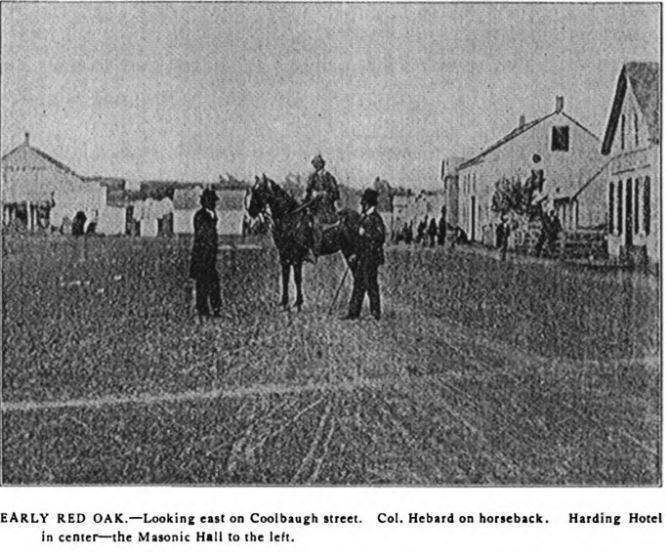
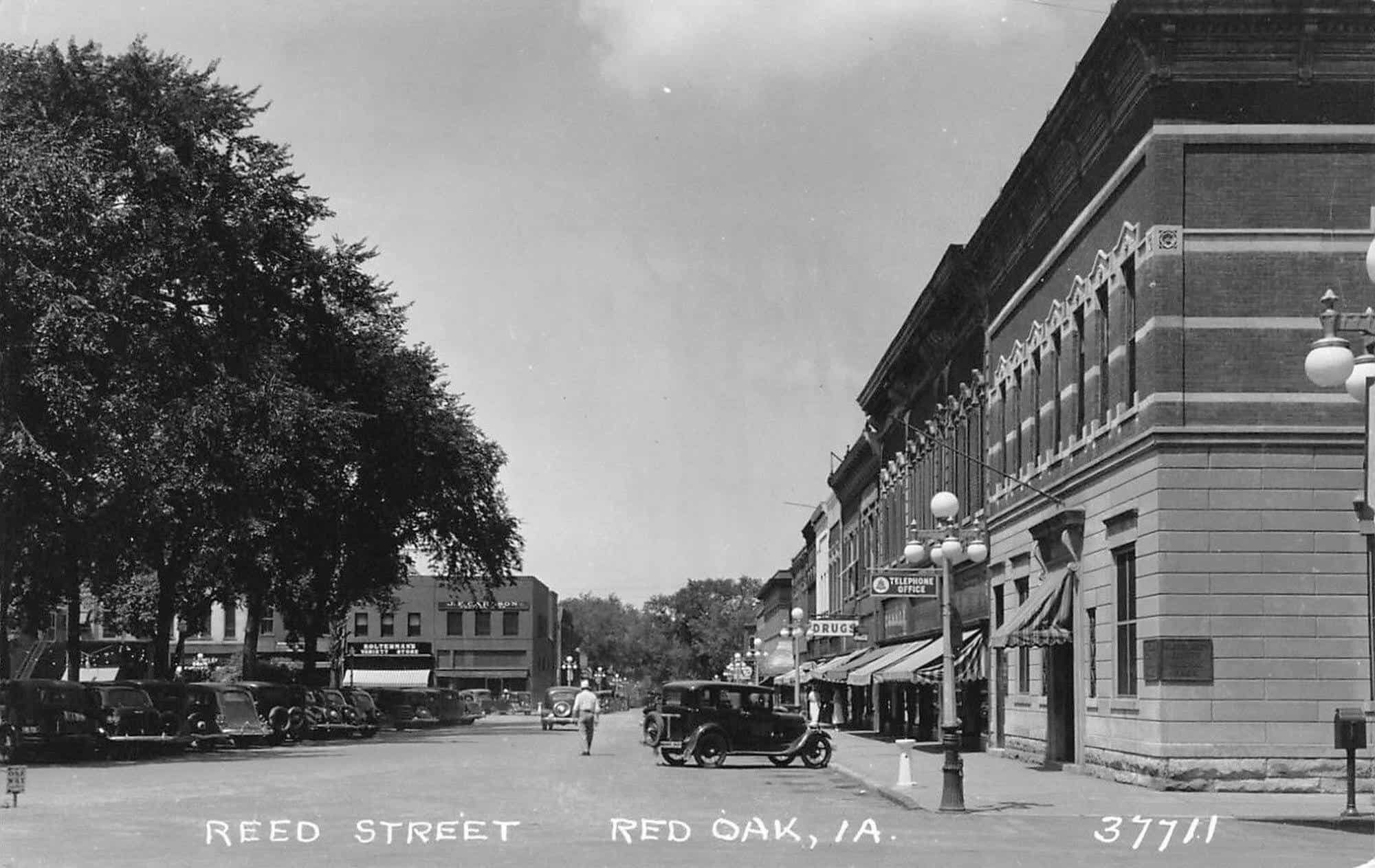
[sps_html tag=”img” src=”https://cdn.theartssection.com/wp-content/uploads/2025/12/red-oaks-historic-downtown-district-red-oak-iowa-regarding-red-oaks-role-in-preserving-historic-bridge-imagery.jpg” alt=”Red Oak's Historic Downtown District | Red Oak Iowa regarding Red Oak's Role in Preserving Historic Bridge Imagery” style=”width: 100%; height: auto;”]
[sps_html tag=”img” src=”https://cdn.theartssection.com/wp-content/uploads/2025/12/red-oak-ii-bridge-historicbridges-org-within-red-oaks-role-in-preserving-historic-bridge-imagery.jpg” alt=”Red Oak Ii Bridge - Historicbridges.org within Red Oak's Role in Preserving Historic Bridge Imagery” style=”width: 100%; height: auto;”]
[sps_html tag=”img” src=”https://cdn.theartssection.com/wp-content/uploads/2025/12/red-oaks-historic-downtown-district-red-oak-iowa-with-regard-to-red-oaks-role-in-preserving-historic-bridge-imagery.jpg” alt=”Red Oak's Historic Downtown District | Red Oak Iowa with regard to Red Oak's Role in Preserving Historic Bridge Imagery” style=”width: 100%; height: auto;”]
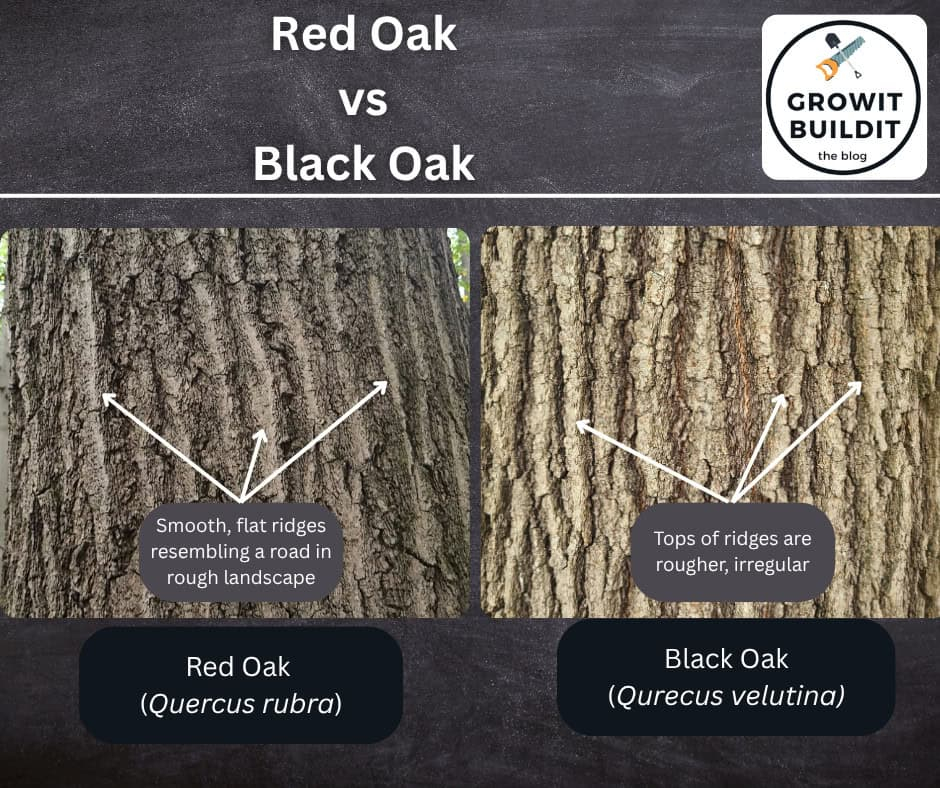
[sps_html tag=”img” src=”https://cdn.theartssection.com/wp-content/uploads/2025/12/comparing-black-and-red-oak-identification-growit-buildit-regarding-red-oaks-role-in-preserving-historic-bridge-imagery.jpg” alt=”Comparing Black And Red Oak – Identification – Growit Buildit regarding Red Oak's Role in Preserving Historic Bridge Imagery” style=”width: 100%; height: auto;”]
[sps_html tag=”img” src=”https://cdn.theartssection.com/wp-content/uploads/2025/12/a-comprehensive-guide-to-red-oak-vs-white-oak-blog-pertaining-to-red-oaks-role-in-preserving-historic-bridge-imagery.webp” alt=”A Comprehensive Guide To Red Oak Vs. White Oak | Blog pertaining to Red Oak's Role in Preserving Historic Bridge Imagery” style=”width: 100%; height: auto;”]