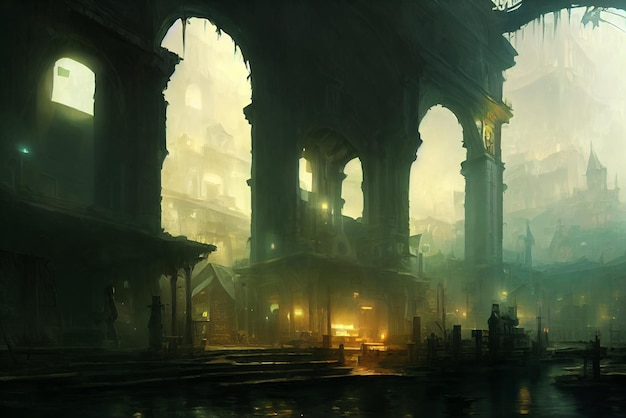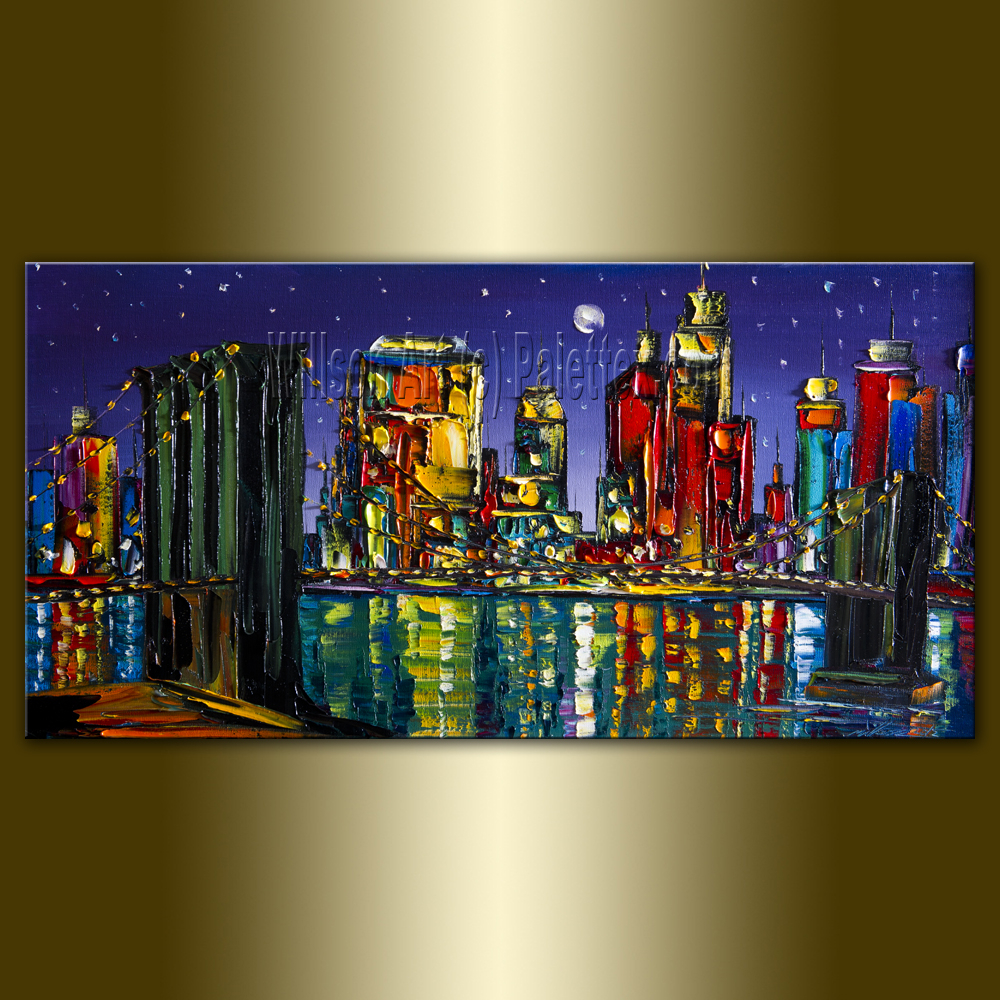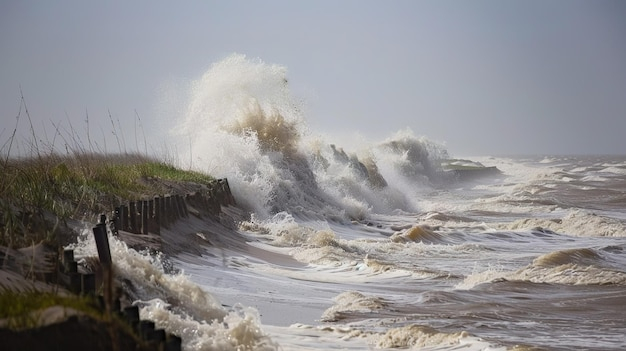
There’s something primal about watching a storm-tossed sea. It’s not just water and wind – it’s raw emotion made visible. Artists have been capturing these moments for centuries, turning turbulent waters into stories that resonate deep within our souls. Every brushstroke tells a tale, every wave holds a feeling, and every painting becomes a window into the human experience.
Stormy seas have always held a special place in art history. From ancient maritime paintings to modern masterpieces, artists have found ways to translate the chaos of oceanic storms into visual poetry. These works aren’t merely depictions of weather – they’re emotional landscapes that speak to our deepest fears and most profound hopes. What makes these paintings so compelling? How do artists capture the essence of turmoil and transform it into something beautiful and meaningful? The answer lies in understanding the visual language that painters use to tell stories through waves, wind, and weather.
The Language of Color in Oceanic Chaos
Color isn’t just decoration in stormy sea paintings – it’s the heartbeat of the narrative. Artists use a carefully chosen palette to guide viewers through the emotional journey of their work. Dark blues and grays dominate when depicting danger and uncertainty, while flashes of orange and yellow can signal hope or rescue. Consider J.M.W. Turner’s famous works where he painted storm clouds in brilliant oranges that seem to burn against the dark water. These aren’t just colors – they’re emotions given form. The artist might choose to make the sky appear almost blood-red during a violent storm, suggesting both terror and passion. Sometimes the most beautiful elements in these paintings are the subtle shifts between light and shadow that create depth and drama. The interplay between bright highlights on crashing waves and deep shadows in the troughs creates movement and tension that keeps viewers engaged. A single brushstroke can shift the entire mood of a piece.
Movement Through Brushstrokes and Composition
The way an artist moves their brush tells a story all its own. In stormy sea paintings, sweeping, dynamic strokes often mirror the chaotic energy of the ocean itself. Think about how the direction of each stroke can suggest the force of wind or the power of waves. Some painters use quick, jagged motions to create the sensation of spray and foam, while others prefer long, flowing lines that trace the path of breaking waves. The composition plays just as important a role. Many masterpieces position the viewer at the edge of a dangerous scene, making them feel part of the action rather than just observers. This technique, called "perspective of participation," makes viewers emotionally invested in the outcome. The rule of thirds often applies here too, with the most dramatic elements placed along invisible lines that draw the eye naturally through the painting. Some artists even leave blank spaces deliberately, allowing the viewer’s imagination to fill in the gaps and create their own story. The most effective storm paintings balance chaos with order, creating visual tension that keeps people looking.
Symbolism in Maritime Tempests
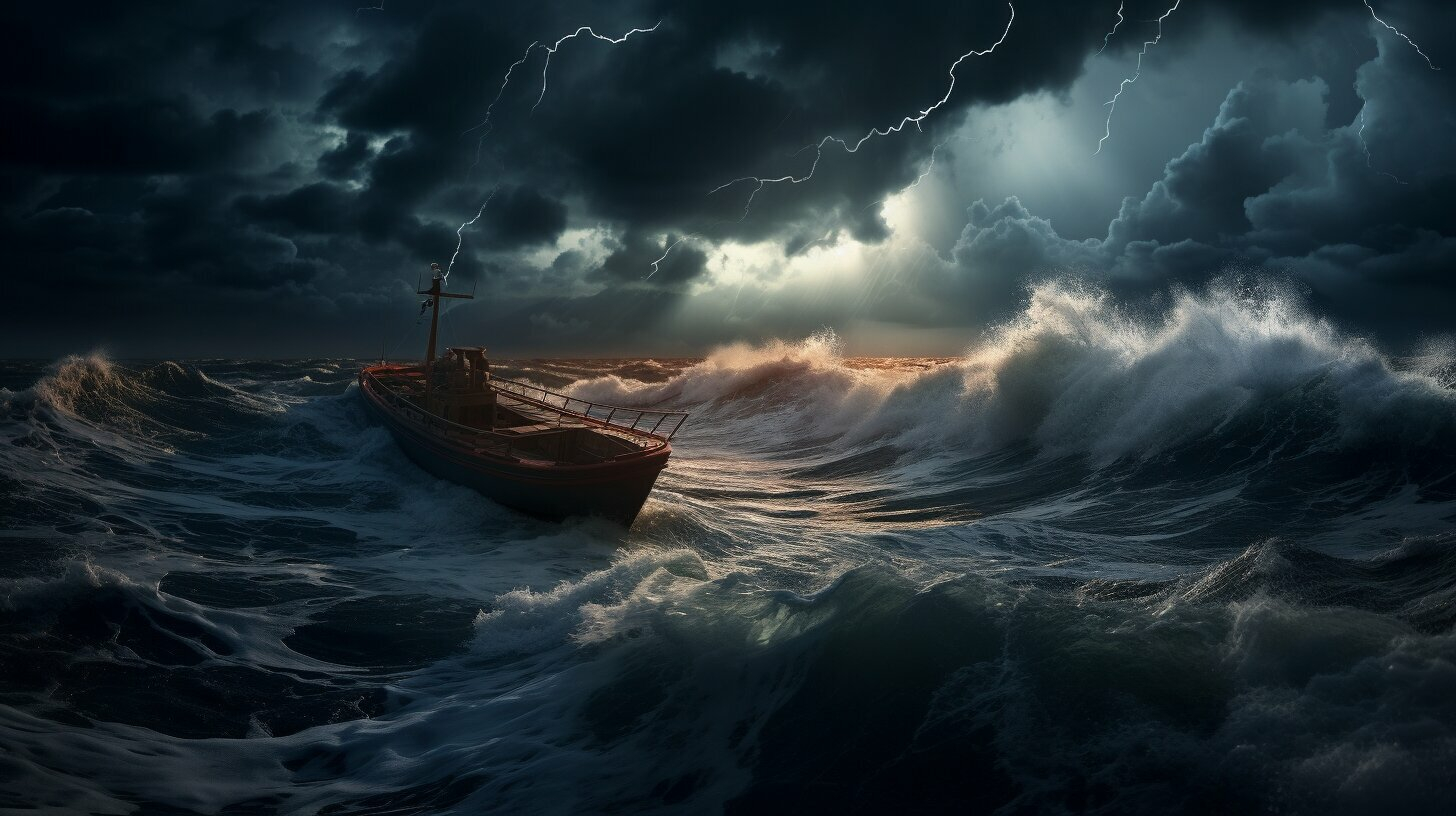
Stormy seas have always carried deeper meanings beyond their literal representation. They often symbolize life’s challenges, personal struggles, or spiritual journeys. In religious contexts, turbulent waters might represent divine testing or spiritual transformation. The ancient Greeks saw storms as expressions of gods’ moods, while sailors viewed them as nature’s ultimate test of courage. Modern artists continue this tradition, using storm imagery to explore themes of resilience, survival, and human determination. The lone boat in a vast storm might represent the individual facing overwhelming odds, while a ship fighting through waves could symbolize perseverance. Sometimes artists incorporate elements like lighthouses, birds, or distant land to provide hope or context within the chaos. These symbolic elements add layers of meaning that invite multiple interpretations. The beauty of these paintings lies in how they can simultaneously represent literal weather conditions and abstract emotional states. A storm might represent everything from personal crisis to global upheaval, depending on the viewer’s perspective.
Light and Shadow: The Drama of Storm Scenes
Light behaves differently in stormy conditions, and artists must capture that unique quality to make their paintings believable. The contrast between bright sunlight breaking through dark clouds can create dramatic effects that draw attention to specific elements in the composition. Some painters use chiaroscuro techniques, emphasizing the play of light and darkness to create three-dimensional space and emotional impact. The way light reflects off wet surfaces, how shadows stretch across the water, or how reflections distort reality – all contribute to the overall mood. During storms, light often comes from unexpected angles, casting unusual shadows that add mystery to the scene. Some artists deliberately blur edges to mimic the hazy quality of rain or fog, while others sharpen details to emphasize the intensity of the moment. The positioning of light sources can dramatically change how viewers interpret the scene. A single beam of sunlight cutting through storm clouds can create hope, while harsh shadows might suggest danger or despair.
Historical Evolution of Storm Imagery in Art
The portrayal of stormy seas has evolved significantly over time. Early maritime paintings focused more on practical navigation and safety concerns rather than artistic expression. As artistic movements developed, so did the emotional depth of these works. Romantic painters like Turner elevated storm scenes from mere weather reports to powerful statements about humanity’s relationship with nature. They began experimenting with color theory and emotional expression, making their paintings more about feeling than facts. Later movements brought new approaches – Impressionists captured fleeting moments of light and motion, while Abstract Expressionists pushed boundaries even further. Each generation of artists brought fresh perspectives to storm imagery, influenced by their own experiences and cultural contexts. The evolution shows how artists continuously reinvent how we see and understand these dramatic natural phenomena. Today’s artists still draw inspiration from historical masters while adding their own contemporary interpretations. The core themes remain consistent – the power of nature, human vulnerability, and the search for meaning amid chaos.
Modern Interpretations and Contemporary Relevance
Today’s storm sea paintings continue to resonate because they tap into universal human experiences. Climate change has added new urgency to these themes, with artists exploring how rising seas and extreme weather affect our world. Modern interpretations often address environmental concerns while maintaining the emotional core that has always made these paintings powerful. Contemporary artists might use digital media or mixed techniques to create entirely new visual languages while still honoring traditional storytelling methods. Social media has also changed how these works reach audiences, with many artists sharing their process online and building communities around their art. The relevance extends beyond aesthetics – these paintings serve as reminders of nature’s power and our responsibility to protect it. Some artists even use storm imagery to comment on political situations, economic instability, or social unrest. The fundamental message remains constant: we are all navigating storms in our lives, and art helps us understand and cope with that journey.
Stormy sea paintings offer us more than visual spectacle – they provide windows into the human condition. Through careful attention to color, movement, symbolism, and light, artists transform natural phenomena into deeply personal experiences. Whether depicting a literal tempest or metaphorical turbulence, these works remind us that beauty and danger often coexist. The enduring appeal of these paintings speaks to something fundamental about our relationship with nature and ourselves. Each brushstroke carries intention, each wave tells a story, and every painting becomes a shared emotional experience between artist and viewer. As we continue to face our own storms – both literal and figurative – these artistic interpretations offer comfort, inspiration, and a reminder that we are never truly alone in our struggles. The ocean’s power may be terrifying, but its beauty is timeless, and artists keep that legacy alive through their vision.
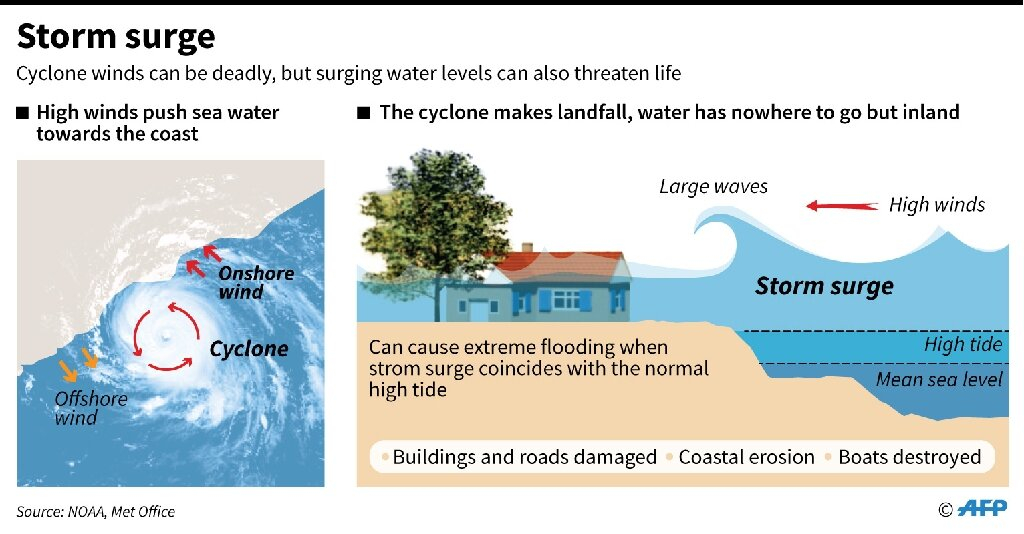
[sps_html tag=”img” src=”https://cdn.theartssection.com/wp-content/uploads/2025/11/32000-coastal-storm-surge-pictures-pertaining-to-cloudy-sky-and-stormy-waves-in-sydney-canvas-print20x12.jpg” alt=”32,000+ Coastal Storm Surge Pictures pertaining to "Cloudy Sky And Stormy Waves In Sydney" Canvas Print20"X12"” style=”width: 100%; height: auto;”]
[sps_html tag=”img” src=”https://cdn.theartssection.com/wp-content/uploads/2025/11/unearthing-the-biblical-dream-meaning-of-storm-a-divine-interpretation-with-understanding-the-emotional-power-of-coastal-storm-imagery.jpg” alt=”Unearthing The Biblical Dream Meaning Of Storm | A Divine Interpretation with Understanding the Emotional Power of Coastal Storm Imagery” style=”width: 100%; height: auto;”]
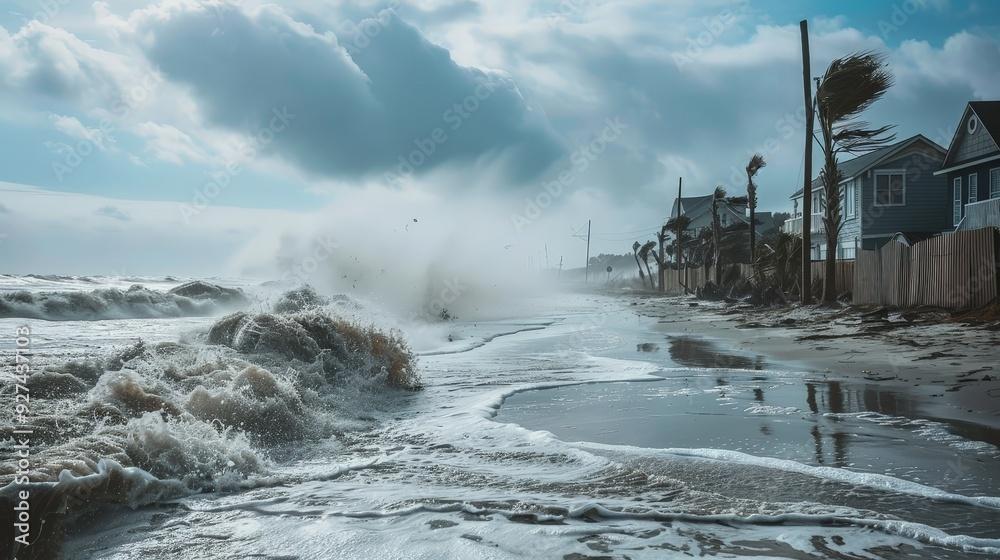
[sps_html tag=”img” src=”https://cdn.theartssection.com/wp-content/uploads/2025/11/explore-the-impact-of-coastal-storms-on-beaches-how-do-hurricanes-intended-for-understanding-the-emotional-power-of-coastal-storm-imagery.jpg” alt=”Explore The Impact Of Coastal Storms On Beaches. How Do Hurricanes … intended for Understanding the Emotional Power of Coastal Storm Imagery” style=”width: 100%; height: auto;”]
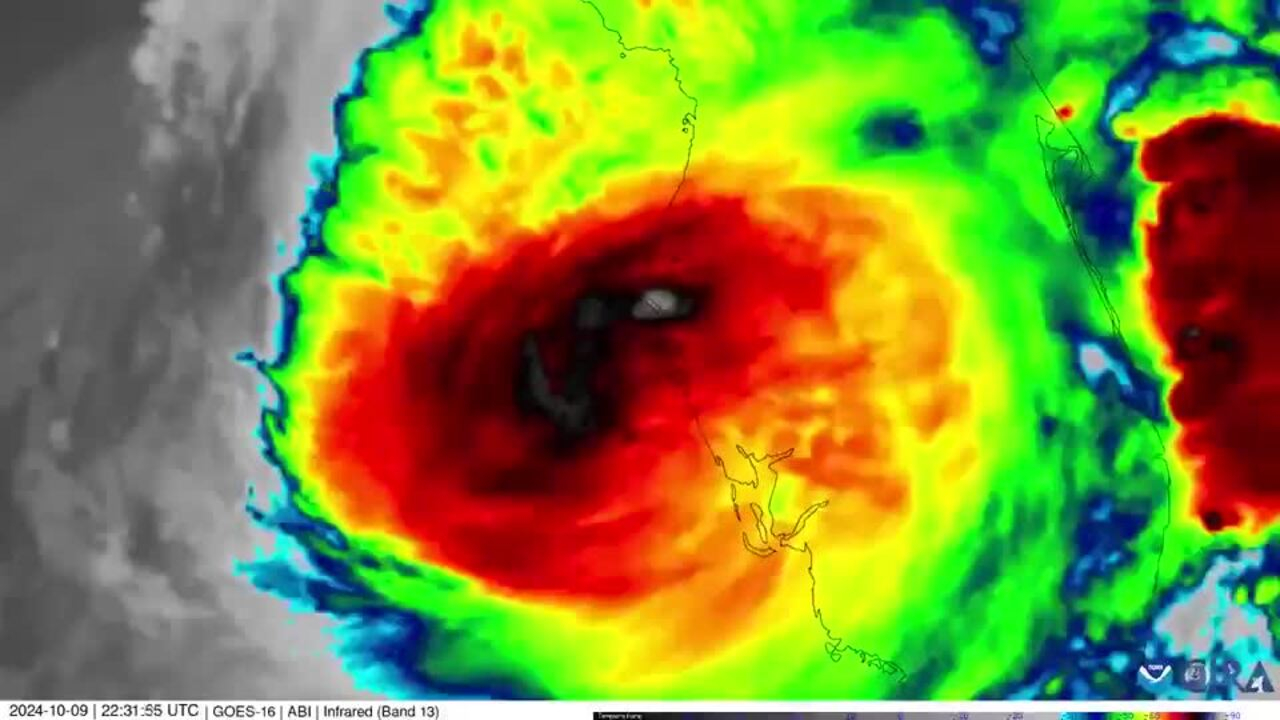
[sps_html tag=”img” src=”https://cdn.theartssection.com/wp-content/uploads/2025/11/satellite-imagery-shows-hurricane-milton-making-landfall-the-australian-regarding-understanding-the-emotional-power-of-coastal-storm-imagery.jpg” alt=”Satellite Imagery Shows Hurricane Milton Making Landfall | The Australian regarding Understanding the Emotional Power of Coastal Storm Imagery” style=”width: 100%; height: auto;”]
[sps_html tag=”img” src=”https://cdn.theartssection.com/wp-content/uploads/2025/11/introduction-to-risk-assessment-for-coastal-flooding-climaax-cra-handbook-with-regard-to-understanding-the-emotional-power-of-coastal-storm-imagery.jpg” alt=”Introduction To Risk Assessment For Coastal Flooding — Climaax Cra Handbook with regard to Understanding the Emotional Power of Coastal Storm Imagery” style=”width: 100%; height: auto;”]