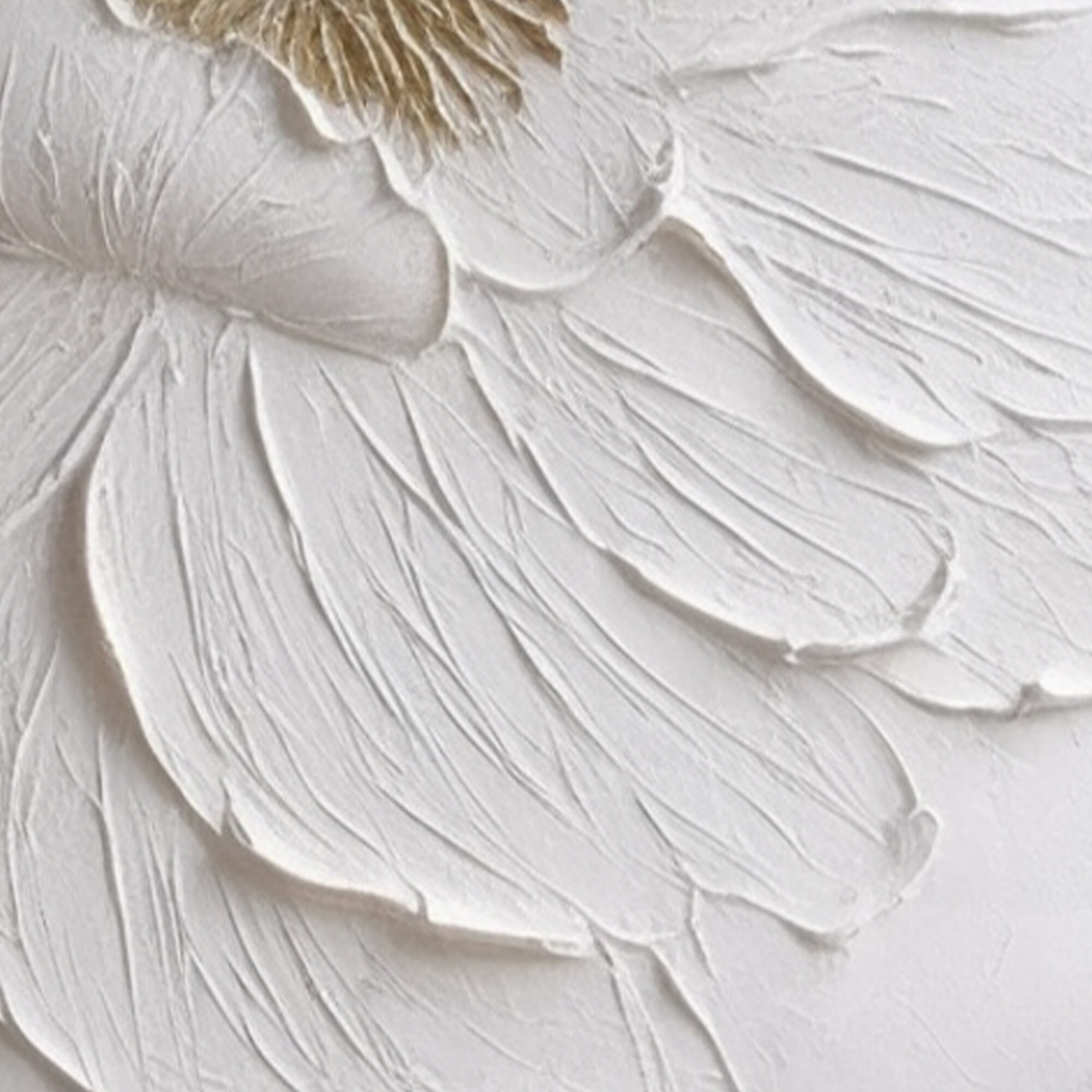
Have you ever looked at a flower and wondered why it looks so perfectly intricate? What if I told you that the secret lies in mathematical patterns that repeat themselves at different scales? These aren’t just pretty numbers on a page – they’re the blueprint for some of the most breathtaking floral wall art you’ve ever seen. The marriage of fractal geometry and botanical beauty has created a new frontier in home decor that’s both scientifically fascinating and visually stunning.
Floral wall art has always been about capturing nature’s essence, but what if we could go beyond simple representation? What if we could actually embody the mathematical principles that govern nature’s most complex forms? This is where fractal mathematics enters the picture. These self-similar patterns that repeat at various scales aren’t just abstract concepts studied in universities – they’re the very foundation of how flowers grow, how leaves branch, and how petals arrange themselves in perfect harmony. When artists embrace these mathematical principles, they create pieces that feel alive, dynamic, and authentically connected to the natural world.
Understanding Fractal Geometry in Nature
Fractals are mathematical sets that display self-similarity across different scales. In nature, this means patterns repeat themselves whether you’re looking at the entire tree or just one small branch. Think about how a fern leaf looks like a smaller version of the whole plant. Or how a coastline appears jagged whether you view it from space or standing on the shore.
Flowers naturally follow these same principles. The way petals fan out, how branches split and re-split, even the arrangement of seeds in a sunflower head all demonstrate fractal properties. This isn’t just coincidence – it’s evolution’s way of maximizing efficiency and beauty. When artists translate these patterns onto walls, they’re essentially translating nature’s own design philosophy.
Consider the Romanesco broccoli – its spiral pattern repeats at every level. Scientists have found that these patterns optimize growth while creating visual appeal. Artists who understand this principle can recreate those same visual rhythms in their floral wall art, making their pieces feel as though they’re breathing with life.
The Science Behind Floral Growth Patterns
Plants grow following mathematical rules that ensure maximum exposure to sunlight and efficient use of resources. The Fibonacci sequence – where each number equals the sum of the two preceding ones (1, 1, 2, 3, 5, 8, 13…) – frequently appears in floral arrangements. Petal counts often follow this sequence, and the spirals in flower heads typically match Fibonacci numbers.
This isn’t just interesting trivia – it’s a guide for artists. When creating floral wall art, understanding these mathematical relationships helps create compositions that feel naturally balanced. The golden ratio, another mathematical concept, also plays a role in how flowers arrange themselves, and artists who incorporate this into their work find their pieces resonate more deeply with viewers.
Take the example of a rose’s petal arrangement. Each layer contains a specific number of petals that follows mathematical progression. When artists mimic these ratios in their wall designs, they tap into something fundamental that our brains recognize as beautiful and harmonious. It’s almost like the mathematics itself is guiding the aesthetic choices.
Creating Visual Rhythm Through Recursive Patterns
Recursive patterns are at the heart of fractal art. They involve repeating a basic shape or structure at progressively smaller scales. In floral wall art, this might mean starting with a large flower shape and then adding smaller versions of that same flower to create depth and complexity.
Think of it like watching a tree – the trunk splits into branches, which split into smaller branches, which split into twigs, and so on. Each level mirrors the previous one but at a reduced scale. When applied to wall art, this creates visual layers that draw the eye deeper into the composition.
A masterful example of this technique can be seen in the work of artists who create floral installations that seem to extend infinitely. They start with a simple flower motif and then add smaller versions of that motif repeatedly, creating a sense of movement and endless growth. The result feels organic rather than artificial because it mimics how nature actually builds complexity.
The beauty lies in the repetition without monotony. Each recursive step adds detail while maintaining the overall form, creating a visual journey that’s both calming and captivating.
Color Theory Meets Mathematical Precision
Fractal mathematics doesn’t just apply to shapes and patterns – it influences color choices too. Artists working with fractal floral art often use color gradients that follow mathematical progressions. A single flower might start with deep purples at the base and transition through blues, greens, and finally yellows at the tips.
This approach mirrors how flowers actually develop, with colors changing as petals mature and respond to environmental factors. By using mathematical color sequences, artists create more realistic and emotionally resonant pieces. The eye naturally follows these transitions, creating a path through the artwork that feels both intentional and spontaneous.
Consider how a sunset might appear – reds blending into oranges, then pinks, and finally fading to blues. This natural progression can be translated into floral wall art through careful application of color theory informed by fractal thinking. The result is a piece that doesn’t just look beautiful, but feels emotionally complete.
Some artists even use the golden ratio to determine where to place specific colors within their compositions, ensuring that no single element overwhelms the others while still maintaining visual interest.
Practical Techniques for Artists
For artists interested in incorporating fractal elements into their floral wall art, there are several practical approaches:
• Start with simple shapes and gradually add complexity
• Use grid systems based on Fibonacci sequences
• Apply recursive techniques by repeating motifs at different scales
• Study actual botanical structures to understand natural growth patterns
• Experiment with color temperature changes that mirror natural development
Many artists begin by sketching basic flower forms and then adding smaller versions of those same forms in various positions. This process creates natural-looking complexity without feeling forced or artificial. The key is to maintain the essential character of the original shape while allowing for variation.
Digital tools can help visualize these patterns, but many artists prefer traditional methods that allow them to feel the rhythm of the mathematical relationships directly. Some find that working with fractal principles helps them break free from conventional approaches to floral design, leading to more innovative and striking results.
Beginners might start with a single fractal pattern – perhaps a simple spiral or branching structure – and build from there. The important thing is to let the mathematics guide the creative process rather than forcing artificial relationships.
Real-World Applications and Examples
Today, you’ll find fractal floral wall art in everything from modern homes to corporate spaces. One notable example is the work of artist Sarah Chen, whose large-scale installations use recursive patterns to create the illusion of infinite growth. Her pieces often feature flowers that seem to bloom and branch endlessly, drawing viewers into their mathematical complexity.
Another compelling case study involves interior designers who use fractal principles to create cohesive room environments. By applying the same mathematical patterns across multiple decorative elements – from wall art to textiles to lighting fixtures – they achieve visual harmony that feels both contemporary and timeless.
Commercial applications are also growing. Many companies now offer fractal-based floral wall art collections that customers can customize according to their space requirements. These pieces often feature modular designs that allow for personalization while maintaining the underlying mathematical integrity.
The trend extends beyond individual pieces to entire collections. Designers are creating series where each piece builds upon the last, creating a narrative that unfolds across multiple walls. This approach transforms a single decorative element into part of a larger artistic statement about the relationship between mathematics and natural beauty.
The intersection of fractal mathematics and floral wall art represents more than just a new artistic trend – it’s a bridge between science and creativity that enhances how we experience beauty in our daily lives. When artists embrace mathematical principles in their work, they’re not just creating decoration; they’re crafting experiences that connect us to the fundamental patterns that govern our universe.
These pieces remind us that beauty isn’t just about aesthetics – it’s about understanding the deeper logic that makes things work. Whether you’re an artist exploring new techniques or simply someone who appreciates beautiful decor, recognizing the mathematical foundations behind fractal floral art adds a new layer of appreciation to what you see.
As technology continues to evolve, we’re likely to see even more sophisticated applications of these principles. But the core idea remains constant: that the most profound beauty often comes from the simplest mathematical truths that nature has been perfecting for millions of years. The next time you admire a flower or a piece of fractal floral art, remember that you’re witnessing the marriage of pure mathematics and natural elegance.
[sps_html tag=”img” src=”https://cdn.theartssection.com/wp-content/uploads/2025/10/white-flower-wall-artminimalist-white-canvasgreen-leaf-canvasflower-throughout-exploring-the-aesthetic-psychology-of-white-flower-wall-art-scaled.jpg” alt=”White Flower Wall Art,Minimalist White Canvas,Green Leaf Canvas,Flower … throughout Exploring the Aesthetic Psychology of White Flower Wall Art” style=”width: 100%; height: auto;”]
[sps_html tag=”img” src=”https://cdn.theartssection.com/wp-content/uploads/2025/10/modern-white-flower-wall-art-intended-for-full-bloom-fractal-flower-in-white-flower-wall-art.jpg” alt=”Modern White Flower Wall Art intended for "Full Bloom Fractal Flower In White" Flower Wall Art” style=”width: 100%; height: auto;”]
[sps_html tag=”img” src=”https://cdn.theartssection.com/wp-content/uploads/2025/10/white-flower-wall-decor-images-free-download-on-freepik-regarding-exploring-the-aesthetic-psychology-of-white-flower-wall-art.jpg” alt=”White Flower Wall Decor Images - Free Download On Freepik regarding Exploring the Aesthetic Psychology of White Flower Wall Art” style=”width: 100%; height: auto;”]
[sps_html tag=”img” src=”https://cdn.theartssection.com/wp-content/uploads/2025/10/white-flower-wall-etsy-with-regard-to-full-bloom-fractal-flower-in-white-flower-wall-art.jpg” alt=”White Flower Wall - Etsy with regard to "Full Bloom Fractal Flower In White" Flower Wall Art” style=”width: 100%; height: auto;”]
[sps_html tag=”img” src=”https://cdn.theartssection.com/wp-content/uploads/2025/10/3d-white-flower-wall-artwhite-flower-texture-oil-paintingblooming-intended-for-exploring-the-aesthetic-psychology-of-white-flower-wall-art.jpg” alt=”3D White Flower Wall Art,White Flower Texture Oil Painting,Blooming … intended for Exploring the Aesthetic Psychology of White Flower Wall Art” style=”width: 100%; height: auto;”]