There’s something magical about capturing the essence of autumn rivers on canvas. The way golden leaves dance with silver water, how shadows stretch long across the surface, and the gentle murmur of streams echoing through changing foliage – these elements come together to create compositions that speak to our deepest appreciation for nature’s seasonal transformations.
Autumn brings a unique palette to river landscapes that transforms ordinary scenes into extraordinary art. The interplay between the cool blues and greens of water and the vibrant oranges, reds, and yellows of fall foliage creates a visual symphony that artists have been trying to capture for centuries. Whether you’re a seasoned painter or someone just starting with wall art, understanding how to compose river scenes during this spectacular season can elevate your work from merely good to truly memorable.
Understanding Autumn’s Unique Color Palette
The autumn season provides artists with one of nature’s most dramatic color displays. Rivers become living canvases where the reflection of changing leaves creates a mesmerizing dance of colors. Think of the deep amber tones that emerge when sunlight hits the water surface, or how crimson leaves might create patches of pure red that mirror perfectly in the river’s stillness. The contrast between the cool blues and grays of the water and the warm oranges and reds of the surrounding trees creates a natural tension that makes compositions more dynamic.
Consider how different types of trees contribute to this palette. Maples often produce brilliant reds and oranges, while birches bring creamy yellows and whites. Aspen trees create a shimmering effect with their golden leaves, and oaks offer rich browns and deep reds. These variations allow artists to create depth and interest in their compositions.
The key is not to copy everything exactly, but rather to capture the essence of these colors. A river landscape doesn’t need to show every leaf color perfectly – sometimes a few bold strokes of orange against a blue background can communicate the feeling of autumn better than a literal representation.
Finding the Perfect River Flow
The movement of water in autumn rivers tells a story that goes beyond mere physics. It’s about capturing the rhythm of change, the way currents shift and meander through the season. In autumn, rivers often appear more contemplative, slower, and reflective. This gives artists a chance to play with the relationship between stillness and motion.
Look for rivers that have interesting shapes – perhaps winding through a valley where the autumn colors create a natural frame. Notice how the water reflects the surrounding landscape. The way light hits the surface differently in various spots can create entirely different moods in your composition. Sometimes the water will be calm enough to reflect the sky completely, while other areas show the texture of stones and the movement of leaves floating by.
Pay attention to the river’s path through the landscape. Does it snake gently around a bend? Does it run straight through a grove of autumn trees? The way the river moves through space affects how viewers perceive the entire scene. A winding river might suggest a peaceful journey, while a straighter course could imply purpose or direction.
Mastering Light and Shadow in Fall Waters
Light behaves differently in autumn than it does in other seasons, and this affects how we see rivers. The sun is lower in the sky during fall, casting longer shadows that stretch across water surfaces and onto the banks. These shadows aren’t just technical details – they’re emotional elements that add weight and dimension to your artwork.
In autumn, consider how the golden hour light interacts with both the water and the surrounding foliage. The way light filters through branches can create dappled patterns on the river surface, or how shadows from tall trees might stretch across the water like dark ribbons. These effects can transform a simple river scene into something that feels alive with atmosphere.
Don’t forget about the reflection of light on water. The water itself becomes a mirror, showing not just the sky above, but also the changing colors of the leaves. This creates a layered visual experience where viewers see multiple worlds in one frame. The challenge lies in balancing these reflections so they enhance rather than confuse the composition.
Creating Depth Through Layered Elements
One of the most satisfying aspects of river landscape art is how easily it allows for creating depth. In autumn, this becomes even more pronounced because of the natural layers of color and form. Think about how elements in the foreground, middle ground, and background work together to create a sense of space.
Foreground elements might include fallen leaves, rocks, or small plants that catch the eye immediately. Middle ground could feature the main river flow, perhaps with some trees or bushes that frame the scene. Background elements often include distant hills, the sky, or more distant trees that recede into the distance. The key is to ensure each layer contributes to the overall composition.
Consider using different brushstrokes or textures to differentiate these layers. The foreground might benefit from more detailed, textured marks, while the background could use softer, more blended techniques. The river itself often serves as a natural divider between different sections of the painting, helping to guide the viewer’s eye through the scene.
Color temperature also plays a role here. Warm colors tend to advance in a composition, while cool colors recede. Using this principle effectively can make your river landscape feel three-dimensional and immersive.
Capturing the Emotional Essence of Autumn Rivers
Beyond technical skills, successful river landscape art captures something deeper – the feeling of being present in autumn. This emotional connection is what makes art resonate with viewers long after they’ve looked away. The melancholy beauty of falling leaves, the crisp air, the way silence seems to settle over everything – these feelings often translate best through subtle artistic choices rather than dramatic gestures.
Think about how you want viewers to feel when they look at your river landscape. Do you want them to feel peaceful, nostalgic, energized, or contemplative? Different approaches to composition, color choices, and even the amount of detail you include can influence these emotions. A serene, almost monochromatic river scene might evoke calmness, while a busy composition filled with activity could suggest energy.
Consider how the time of day affects the mood. A morning river scene might feel fresh and hopeful, while an evening scene could carry more introspective qualities. The position of the sun, the amount of mist in the air, or even the season’s weather can all contribute to the emotional impact of your work. Sometimes, adding a few small details – a bird flying overhead, a person walking along the bank, or a single leaf drifting on the water – can add layers of meaning that connect viewers to their own experiences.
Practical Techniques for Autumn River Compositions
Putting theory into practice requires attention to several key elements. First, always start with a strong foundation – whether that means sketching the basic layout or planning out your color scheme before you begin painting. The way you approach your materials can also make a big difference. For instance, using different brushes for different areas can help create variety and interest.
Try working with wet-on-wet techniques when painting water reflections. This allows colors to blend naturally and creates those soft, dreamy effects that make river scenes feel lifelike. However, don’t be afraid to use sharp edges for certain elements – perhaps the outline of a tree or the distinct shape of a rock – to provide contrast and focus.
Consider the overall size and scale of your piece. A large canvas might allow for more expansive views of rivers flowing through vast autumn landscapes, while smaller works might focus on intimate moments like a single leaf floating on the water. The choice affects how viewers engage with your composition and what aspects of the scene you emphasize.
Remember that experimentation is part of the process. Try different approaches to how you handle water, how you balance colors, or how you treat the relationship between land and water. Some of the most memorable river paintings come from artists who were willing to take creative risks and push beyond traditional boundaries.
Creating compelling river landscape wall art in autumn is both an art and a science. It combines technical skill with emotional insight, requiring artists to understand not just how paint works, but also how to capture the essence of seasonal change. The beauty of autumn rivers lies in their ability to offer endless inspiration – from the way light plays through changing leaves to the quiet majesty of water reflecting the season’s transformation. By focusing on color relationships, understanding how light affects water surfaces, and considering the emotional impact of your work, you can create compositions that speak to viewers long after they’ve seen them. The key is to approach each river scene with curiosity and respect for nature’s seasonal rhythms. Whether you’re working with oil paints, watercolors, or digital media, the principles of good composition remain the same – they simply need to be adapted to suit the unique challenges and opportunities that autumn presents to artists.
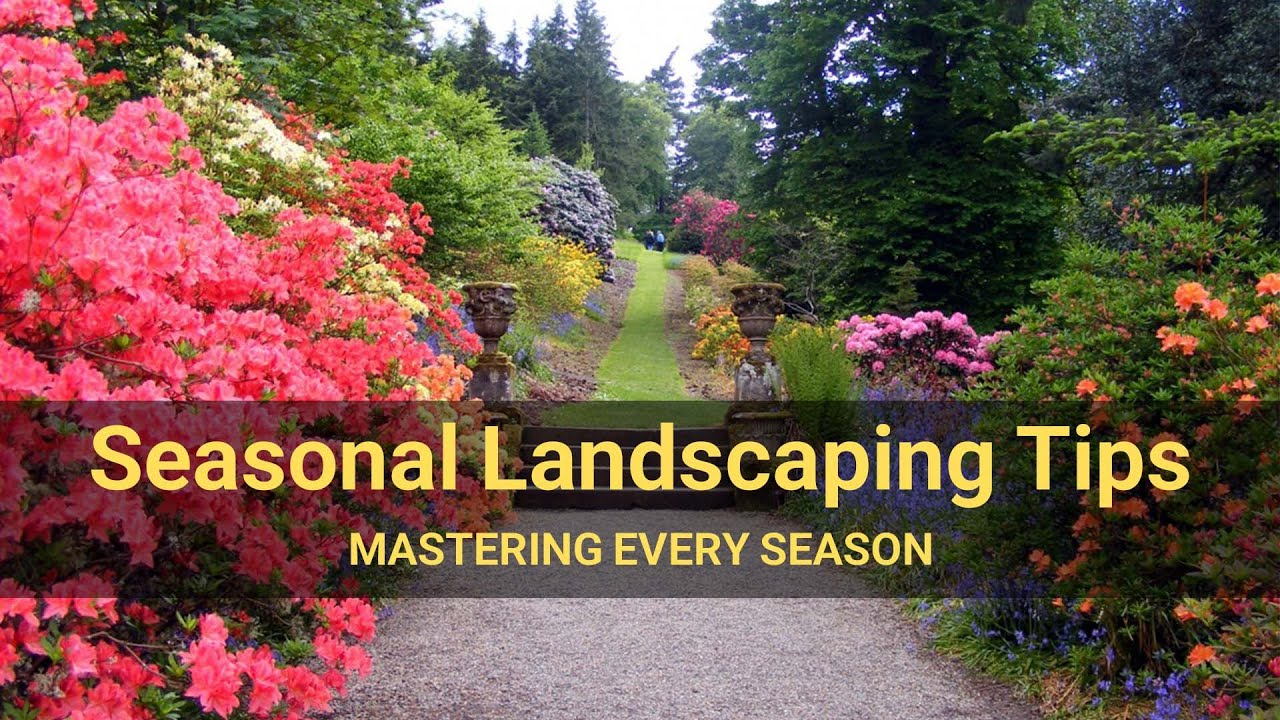
[sps_html tag=”img” src=”https://cdn.theartssection.com/wp-content/uploads/2025/12/seasonal-landscaping-perfection-mastering-every-season-youtube-for-beautiful-fall-sunrise-over-river-landscape-wall-wall-art-4-panels.jpg” alt=”Seasonal Landscaping Perfection: Mastering Every Season - Youtube for "Beautiful Fall Sunrise Over River" Landscape Wall Wall Art, 4 Panels” style=”width: 100%; height: auto;”]
[sps_html tag=”img” src=”https://cdn.theartssection.com/wp-content/uploads/2025/12/seasonal-color-artistic-landscapes-within-beautiful-fall-sunrise-over-river-landscape-wall-wall-art-4-panels.jpg” alt=”Seasonal Color - Artistic Landscapes within "Beautiful Fall Sunrise Over River" Landscape Wall Wall Art, 4 Panels” style=”width: 100%; height: auto;”]
[sps_html tag=”img” src=”https://cdn.theartssection.com/wp-content/uploads/2025/12/landscape-design-master-plan-rendering-in-photoshop-behance-intended-for-beautiful-fall-sunrise-over-river-landscape-wall-wall-art-4-panels.jpg” alt=”Landscape Design Master Plan Rendering In Photoshop :: Behance intended for "Beautiful Fall Sunrise Over River" Landscape Wall Wall Art, 4 Panels” style=”width: 100%; height: auto;”]
[sps_html tag=”img” src=”https://cdn.theartssection.com/wp-content/uploads/2025/12/master-plans-fischer-design-is-a-landscape-architecture-design-firm-with-regard-to-beautiful-fall-sunrise-over-river-landscape-wall-wall-art-4-panels.jpg” alt=”Master Plans - Fischer Design Is A Landscape Architecture Design Firm with regard to "Beautiful Fall Sunrise Over River" Landscape Wall Wall Art, 4 Panels” style=”width: 100%; height: auto;”]
[sps_html tag=”img” src=”https://cdn.theartssection.com/wp-content/uploads/2025/12/landscape-architecture-section-and-plan-in-photoshop-tutorial-youtube-intended-for-beautiful-fall-sunrise-over-river-landscape-wall-wall-art-4-panels.jpg” alt=”Landscape Architecture Section And Plan In Photoshop Tutorial - Youtube intended for "Beautiful Fall Sunrise Over River" Landscape Wall Wall Art, 4 Panels” style=”width: 100%; height: auto;”]