When we think about horses, we often picture them galloping across fields or standing proudly in stables. But what happens when these magnificent creatures become symbols in art? What do they really tell us about the societies that created them? Horse plaques – those beautiful, carved or painted representations of horses – offer fascinating glimpses into the values, beliefs, and aspirations of countless cultures throughout history.
Picture this: You walk into a room and see a stunning wooden plaque featuring a horse. It might be intricately carved, or perhaps painted with vibrant colors. But what does it really mean? Why did someone choose to display this particular image? The answer lies in the rich tapestry of cultural symbolism that surrounds horses. These animals have been more than just working beasts or companions – they’ve been powerful symbols that carry deep meanings across civilizations. From ancient battlefields to modern living rooms, horse plaques continue to speak volumes about our collective heritage and personal stories.
Historical Roots of Horse Symbolism
Horses have held special places in human culture since the earliest days of civilization. Archaeological evidence shows that people were riding horses as far back as 4000 BCE. But beyond their practical uses, these animals quickly became deeply symbolic. In ancient Mesopotamia, horses represented power and strength. The Assyrians, known for their military prowess, depicted horses with great reverence in their artwork. They believed that horses could carry warriors to victory, making them sacred symbols of military success.
In ancient Egypt, horses were associated with the gods themselves. The god Seth was sometimes depicted with a horse’s head, while horses appeared in the funerary art of pharaohs, symbolizing the journey to the afterlife. The Egyptians saw horses as divine messengers between the earthly realm and the spiritual world. This connection to the divine continues to influence how we view horse imagery today.
The Greeks and Romans also embraced horse symbolism. Greek mythology featured Pegasus, the winged horse, as a symbol of inspiration and creativity. Roman generals often carried horse statues into battle, believing these images would bring good fortune. These early civilizations laid the foundation for how horses would continue to represent various human qualities across centuries.
Cultural Variations in Horse Representation
Different cultures have developed their own unique ways of interpreting horse symbolism. In Chinese culture, the horse represents diligence and perseverance. The famous Chinese zodiac includes the horse as one of twelve animals, each representing different personality traits. People born in the Year of the Horse are said to be energetic, independent, and determined.
Native American tribes viewed horses as sacred beings that brought freedom and power. When Spanish conquistadors introduced horses to North America, many tribes adopted them quickly. The Comanche and Lakota peoples particularly revered horses, seeing them as gifts from the spirit world. Their horse-related art often emphasized the animal’s grace and strength.
European traditions offer another perspective. In medieval times, horses were symbols of nobility and chivalry. Knights were often depicted with noble steeds, representing their status and honor. The white horse became particularly associated with purity and heroic deeds. Medieval manuscripts frequently featured horses as central characters in stories about knights and quests.
Islamic cultures often portrayed horses in religious contexts. The Quran mentions horses in several passages, describing them as gifts from Allah. Islamic art sometimes features horses in geometric patterns, reflecting the importance of balance and harmony in their worldview.
Artistic Techniques and Materials
The way horse plaques are made tells us a lot about the culture that produced them. Traditional craftsmen used materials that were available in their regions. Wood was common in European and Asian traditions, while stone carving was popular among ancient civilizations like the Greeks and Romans.
In medieval Europe, metalwork became increasingly sophisticated. Blacksmiths created ornate horse plaques using techniques passed down through generations. These pieces often featured intricate details like flowing manes and expressive eyes. The metals used – bronze, silver, and gold – indicated the wealth and status of the owner.
Asian cultures developed unique approaches to horse representation. Japanese artisans often created delicate lacquer plaques, while Chinese craftsmen preferred carved wood and jade. The famous Terracotta Army included miniature horse figures that demonstrated the high level of craftsmanship achieved in ancient China.
Modern artists continue to experiment with new materials and methods. Contemporary horse plaques might incorporate mixed media, digital printing, or even recycled materials. Yet despite technological advances, the fundamental symbolism remains constant – horses continue to represent core human values like strength, freedom, and determination.
Religious and Spiritual Significance
Horses play important roles in many religious traditions around the world. In Christianity, horses often symbolize divine power and protection. The Book of Revelation describes horses as part of apocalyptic visions, representing different aspects of divine judgment. However, horses also appear in more positive contexts, such as the story of Jesus entering Jerusalem on a donkey, which has been interpreted as a symbol of peace and humility.
Buddhist traditions often feature horses in parables and teachings. The famous "horse and chariot" metaphor appears in Buddhist texts, representing the mind’s journey toward enlightenment. The horse symbolizes the uncontrolled mind, while the chariot represents the body and consciousness.
In Hinduism, horses are connected to various deities. The goddess Durga is sometimes depicted riding a horse, symbolizing her power to overcome obstacles. The horse is also associated with the sun god Surya, representing energy and vitality.
Indigenous religions often view horses as spiritual guides. Many Native American traditions believe that horses can serve as bridges between the physical and spiritual worlds. Shamans and spiritual leaders might use horse imagery in their ceremonies to connect with ancestral spirits.
Modern Interpretations and Uses
Today’s horse plaques continue to evolve, reflecting contemporary values and aesthetics. Many families display these artworks to honor their heritage or celebrate their love of horses. A horse plaque might represent a family’s connection to farming, a personal achievement, or simply an appreciation for beauty.
Contemporary artists often reinterpret traditional horse symbolism for modern audiences. Some focus on environmental themes, depicting horses in natural landscapes to emphasize conservation efforts. Others explore themes of freedom and independence, creating abstract interpretations that still maintain the essence of the original symbolism.
Commercial applications have also grown. Horse plaques are popular gifts for birthdays, graduations, and anniversaries. They serve as meaningful tokens that convey personal values and relationships. Many businesses use horse imagery in their branding to communicate qualities like reliability and strength.
The digital age has brought new possibilities for horse plaque creation. Online platforms allow artists to share their work globally, while virtual reality experiences let people interact with 3D horse sculptures. These innovations don’t diminish the traditional meaning but rather expand how we can experience and appreciate these symbolic works.
Choosing and Collecting Meaningful Horse Plaques
If you’re considering adding a horse plaque to your collection or home, there are several factors to consider. First, think about what aspects of horse symbolism resonate most with you. Are you drawn to themes of strength, freedom, or loyalty? Understanding your personal connection helps guide your selection.
Research the cultural background of different plaques. A European knight’s horse carries different meanings than a Native American warrior’s horse. Knowing these distinctions adds depth to your appreciation of the artwork.
Quality matters significantly in collecting. Look for craftsmanship that reflects the skill and care put into the piece. Hand-carved elements often show more character than mass-produced alternatives. Pay attention to materials, finish quality, and overall construction.
Consider the size and placement in your space. A large, bold plaque might dominate a living room wall, while smaller pieces work well in more intimate settings. Think about how the horse’s direction might affect the room’s energy.
For collectors, building a themed collection can be rewarding. You might focus on historical periods, different artistic styles, or various cultural perspectives. This approach creates a narrative that develops over time, allowing you to tell a story through your acquisitions.
Horse plaques are more than decorative objects – they are windows into the hearts and minds of cultures across time. Whether you’re hanging one in your home, collecting pieces from different eras, or simply admiring their beauty, these artworks carry profound meanings that connect us to our shared human experience. The next time you encounter a horse plaque, take a moment to consider what message it might be trying to convey. Perhaps it speaks about courage, perhaps about freedom, or maybe about the enduring bond between humans and these magnificent animals. In our fast-changing world, these timeless symbols remind us of the values that have always mattered most to humanity. The story of horse symbolism continues to unfold, and every plaque adds another chapter to this ongoing narrative.
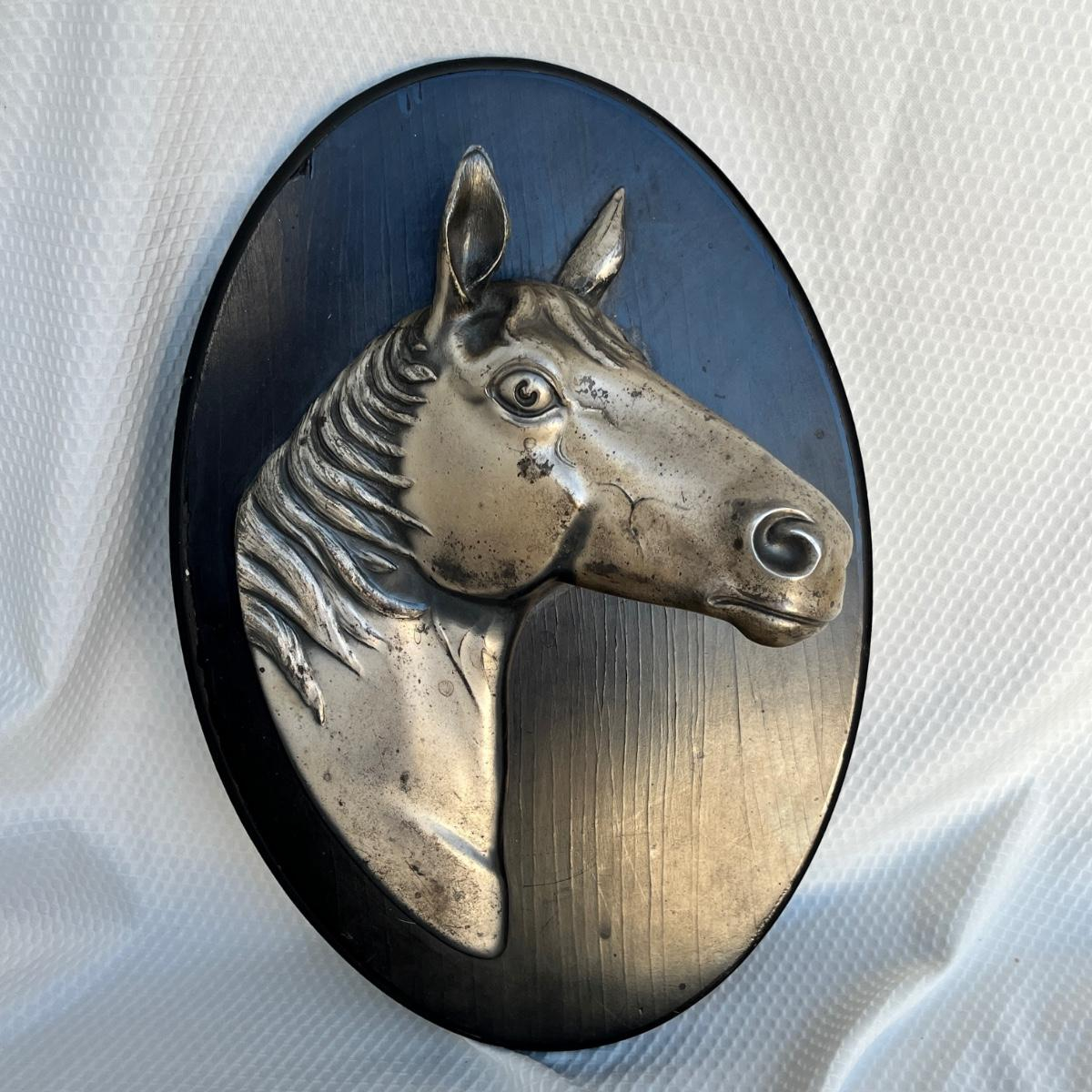
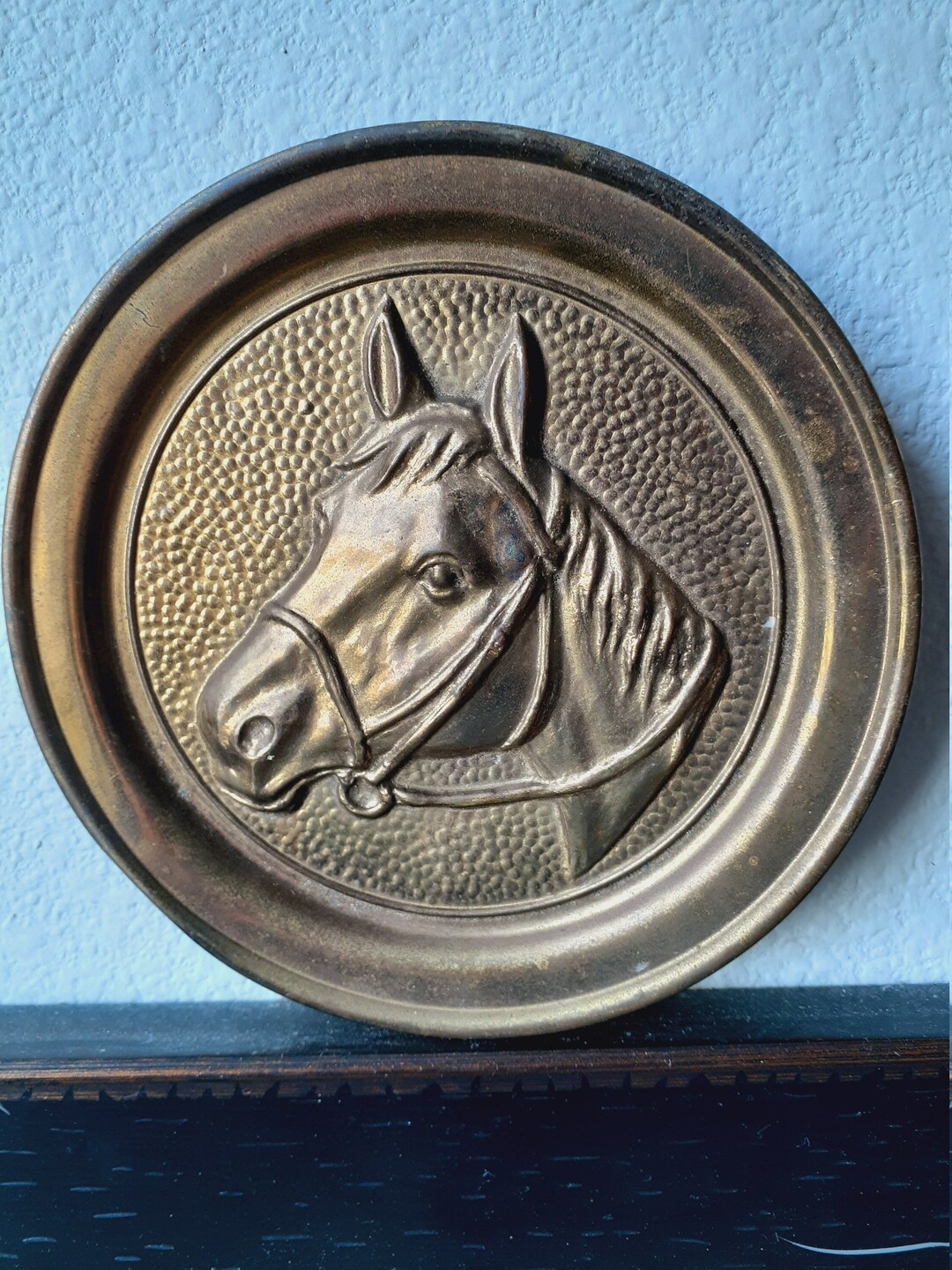
[sps_html tag=”img” src=”https://cdn.theartssection.com/wp-content/uploads/2025/11/horse-wall-plaque-brass-horse-midcenture-modern-wall-hummered-brass-intended-for-modern-interpretations-of-classic-horse-plaque-styles.jpg” alt=”Horse Wall Plaque Brass Horse Midcenture Modern Wall Hummered Brass … intended for Modern Interpretations of Classic Horse Plaque Styles” style=”width: 100%; height: auto;”]
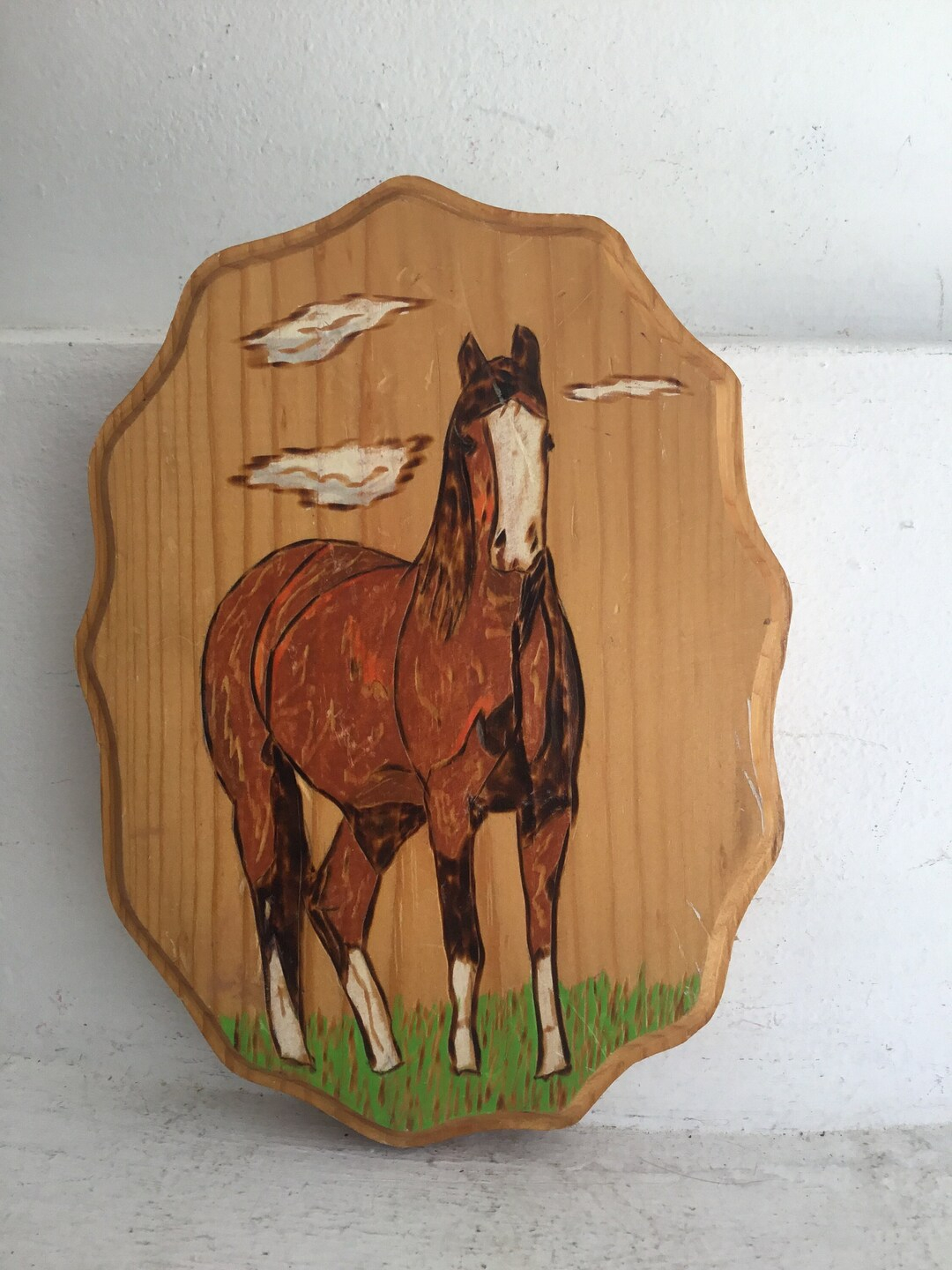
[sps_html tag=”img” src=”https://cdn.theartssection.com/wp-content/uploads/2025/11/small-handmade-wooden-plaque-with-horse-on-it-small-artist-signed-hand-with-modern-interpretations-of-classic-horse-plaque-styles.jpg” alt=”Small Handmade Wooden Plaque With Horse On It. Small Artist Signed Hand … with Modern Interpretations of Classic Horse Plaque Styles” style=”width: 100%; height: auto;”]
[sps_html tag=”img” src=”https://cdn.theartssection.com/wp-content/uploads/2025/11/lot-129-wood-horse-plaque-estatesales-org-intended-for-modern-interpretations-of-classic-horse-plaque-styles.jpg” alt=”Lot 129 Wood Horse Plaque | Estatesales.org intended for Modern Interpretations of Classic Horse Plaque Styles” style=”width: 100%; height: auto;”]
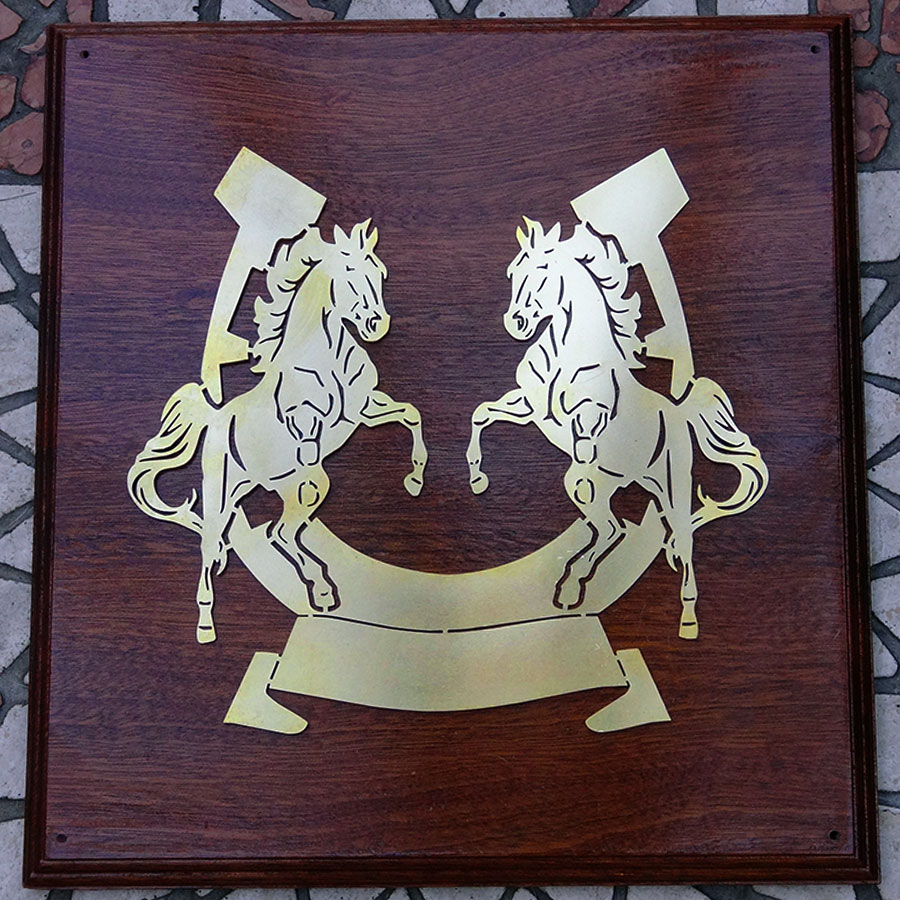
[sps_html tag=”img” src=”https://cdn.theartssection.com/wp-content/uploads/2025/11/rearing-horse-design-brass-plaque-solid-oak-mounted-pontypridd-in-modern-interpretations-of-classic-horse-plaque-styles.jpg” alt=”Rearing Horse Design Brass Plaque - Solid Oak Mounted - Pontypridd … in Modern Interpretations of Classic Horse Plaque Styles” style=”width: 100%; height: auto;”]
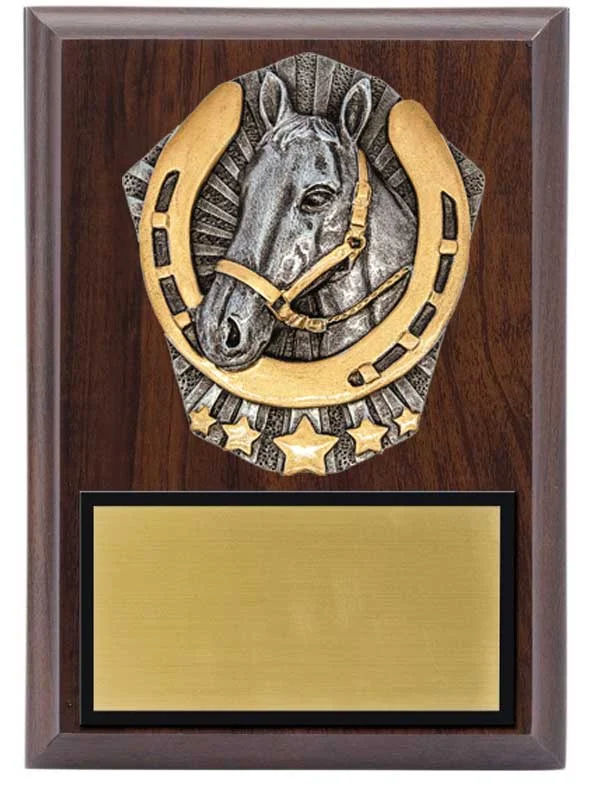
[sps_html tag=”img” src=”https://cdn.theartssection.com/wp-content/uploads/2025/11/horse-plaque-6×8-2-custom-options-trophy-gallery-canada-shop-regarding-modern-interpretations-of-classic-horse-plaque-styles.jpg” alt=”Horse Plaque 6"X8" (2 Custom Options) — Trophy Gallery Canada, Shop … regarding Modern Interpretations of Classic Horse Plaque Styles” style=”width: 100%; height: auto;”]