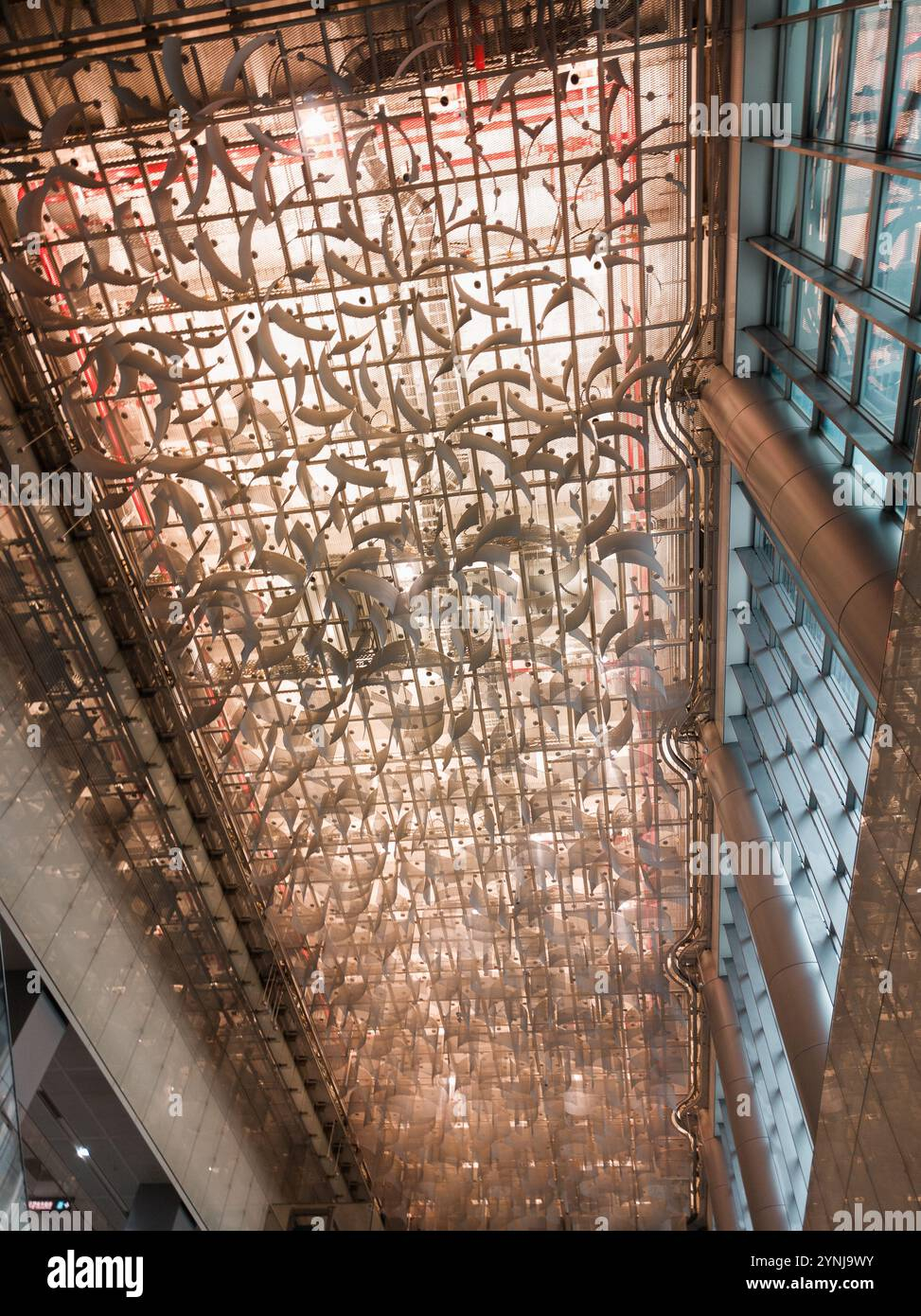
In the ever-evolving landscape of digital art, one unexpected element has caught everyone’s attention – metallic braiding patterns. These intricate designs, once confined to traditional crafts and textiles, have found their way into the digital realm, creating stunning visual experiences that blur the line between physical and virtual worlds. What started as simple threadwork has transformed into a sophisticated design language that speaks to both artists and audiences in new ways.
Picture this: You’re scrolling through a digital gallery when suddenly something catches your eye. It’s not a photograph, not a painting, but something that seems to shimmer and move with its own inner light. This isn’t just digital art – it’s metallic braiding patterns brought to life through modern technology. These patterns, which have been around for centuries in traditional crafts, are now reshaping how we think about digital design. They offer a bridge between ancient techniques and cutting-edge creativity, creating artwork that feels both timeless and futuristic. The question isn’t whether these patterns will stay popular, but rather how they’ll continue to evolve and surprise us.
From Ancient Threads to Digital Canvas
Metallic braiding isn’t new to the world of art. For thousands of years, artisans have used metal threads to create elaborate patterns that adorned clothing, jewelry, and ceremonial objects. These traditions were passed down through generations, each culture adding their unique twist to the craft. The transition from physical materials to digital mediums wasn’t immediate, but it happened gradually as artists began experimenting with how these patterns could translate to screens and digital formats.
Consider the rich history of metallic braiding in different cultures. In ancient Egypt, gold threads were woven into burial garments. Medieval European artisans created silver braids for royal garments. Traditional Indian textiles featured copper and brass threads that told stories through their patterns. Each of these traditions carried cultural significance and artistic mastery. When digital artists began incorporating these elements, they weren’t just copying designs – they were respecting centuries of craftsmanship while pushing boundaries.
The shift wasn’t just about replicating old patterns. Artists discovered that metallic braiding in digital form could convey movement, depth, and energy that physical threads couldn’t achieve alone. The digital canvas allowed for infinite variations, colors, and interactions that made these ancient techniques feel fresh and relevant.
Breaking the Boundaries of Digital Design
What makes metallic braiding patterns particularly fascinating in digital art is how they challenge traditional design rules. Unlike static images, digital braiding can animate, respond to user input, and change based on environmental factors. This creates entirely new possibilities for interactive art installations and immersive experiences.
Think about how a simple braid pattern can become dynamic. Instead of staying still, it might pulse with color changes, react to sound, or even morph as viewers move around it. Artists are using software that allows them to program these behaviors, creating artwork that feels alive and responsive. The patterns themselves can shift from geometric precision to organic flow, depending on the artist’s vision.
This evolution has led to some incredible innovations:
• Interactive installations that respond to audience presence
• Animated digital textiles that simulate weaving in real-time
• Augmented reality experiences where braiding appears to float in space
• Generative art that creates unique patterns with every viewing
The beauty lies in how these digital braids can be infinitely customizable while maintaining the essence of their traditional counterparts.
The Technical Revolution Behind the Scenes
Creating metallic braiding patterns digitally requires a combination of artistic vision and technical skill. Artists must understand both the aesthetic qualities of traditional braiding and the capabilities of digital tools. Software like Adobe After Effects, Blender, and specialized generative art platforms have become essential tools for bringing these concepts to life.
Modern digital braiding involves several key processes:
• Layering multiple strands to create depth and dimension
• Applying realistic lighting effects that mimic metallic surfaces
• Programming animations that follow natural braiding physics
• Using procedural generation to create unlimited variations
• Integrating with motion capture technology for interactive elements
One of the most significant developments has been the creation of specialized plugins and scripts that automate complex braiding calculations. These tools allow artists to focus on creative decisions rather than mathematical formulas. The technology has become so advanced that artists can now create braiding patterns that would be impossible to achieve by hand.
The accessibility of these tools has democratized the field. What once required expensive equipment and years of training can now be explored by anyone with a computer and creativity. This has led to an explosion of innovation and new interpretations of traditional patterns.
Cultural Significance and Symbolic Meaning
Beyond their visual appeal, metallic braiding patterns carry deep cultural meanings that add layers of storytelling to digital art. These designs often represent connections between people, communities, and traditions. When artists incorporate them into digital works, they’re not just creating beautiful visuals – they’re preserving and sharing cultural heritage in new forms.
Many traditional braiding patterns tell stories through their structure. The direction of the braid, the number of strands, and the sequence of interweaving all hold symbolic meaning. In Native American traditions, certain braiding patterns represented tribal affiliations or spiritual beliefs. Celtic knots showed the interconnectedness of life and death. African braiding styles often communicated social status or marital status.
Digital artists working with these patterns often find themselves balancing respect for cultural origins with creative freedom. Some choose to work closely with cultural consultants to ensure authenticity. Others focus on the universal aspects of braiding as a human expression of creativity and connection. Either approach results in powerful artwork that resonates beyond its surface beauty.
The digital medium also offers new ways to explore these meanings. Interactive elements can reveal hidden stories within the patterns, allowing viewers to discover layers of significance as they engage with the artwork.
Applications in Contemporary Digital Art
Today, metallic braiding patterns appear across various digital art applications, each showcasing different aspects of their versatility. From video game environments to fashion design, from architectural visualization to music videos, these patterns are finding their place in unexpected spaces.
In gaming, metallic braiding adds a tactile quality to virtual worlds. Players might encounter armor crafted with intricate braided patterns or see magical weapons that seem to pulse with energy. These details enhance immersion and provide visual cues about character abilities or story elements. Game designers often use braiding patterns to communicate themes of strength, connection, or transformation.
Fashion technology has embraced metallic braiding in digital clothing simulations. Designers can showcase garments with braided metallic elements that respond to movement or environmental conditions. This allows for virtual fashion shows where digital models wear clothing that interacts with lighting and space in realistic ways.
Architectural visualization benefits from metallic braiding through the representation of structural elements. Buildings might feature braided metal frameworks or decorative patterns that suggest both functionality and beauty. These visual elements help clients better understand how spaces will look and feel.
Music videos and visual effects have also adopted these patterns. Directors use braiding motifs to create abstract representations of rhythm, harmony, or emotional states. The patterns can symbolize relationships, connections, or the complexity of human experience in ways that resonate with viewers.
Future Trends and Emerging Possibilities
As technology continues advancing, the future of metallic braiding patterns in digital art looks incredibly promising. Emerging technologies like virtual reality, artificial intelligence, and advanced haptic feedback systems are opening doors to completely new forms of interaction and experience.
Virtual reality environments could allow viewers to walk through braided metal structures that respond to their presence. Imagine entering a gallery where the walls are made of flowing metallic braiding that shifts and moves as you approach. The patterns could tell stories or create emotional responses based on your location within the space.
Artificial intelligence is already being used to generate new braiding patterns that blend traditional techniques with contemporary aesthetics. AI algorithms can analyze thousands of historical patterns and create entirely new combinations that honor the past while pushing forward. These generated patterns often surprise artists with their unexpected beauty and complexity.
Haptic technology promises to bring touch into the digital braiding experience. Users might be able to feel the texture of metallic threads through specialized gloves or devices. This would transform digital braiding from a visual experience to a full sensory journey.
The potential for integration with biometric sensors is also exciting. Braiding patterns might change based on heart rate, brain activity, or other physiological responses, creating truly personalized art experiences that reflect the viewer’s internal state.
The journey of metallic braiding patterns from ancient crafts to modern digital art represents more than just a trend – it’s a testament to human creativity and adaptability. These patterns remind us that great art transcends medium and time. Whether you’re a digital artist exploring new techniques or simply someone who appreciates beautiful design, the evolution of metallic braiding offers endless inspiration. As we continue to push boundaries between traditional artistry and digital innovation, these patterns will undoubtedly continue to surprise and delight. The future holds exciting possibilities for how we’ll interact with, create, and experience these mesmerizing braided worlds. Who knows? Maybe the next breakthrough in digital art will come from someone playing with metallic threads in ways we haven’t imagined yet. One thing’s for sure – the shimmer of metal threads in digital space is here to stay, and it’s only going to get more spectacular.
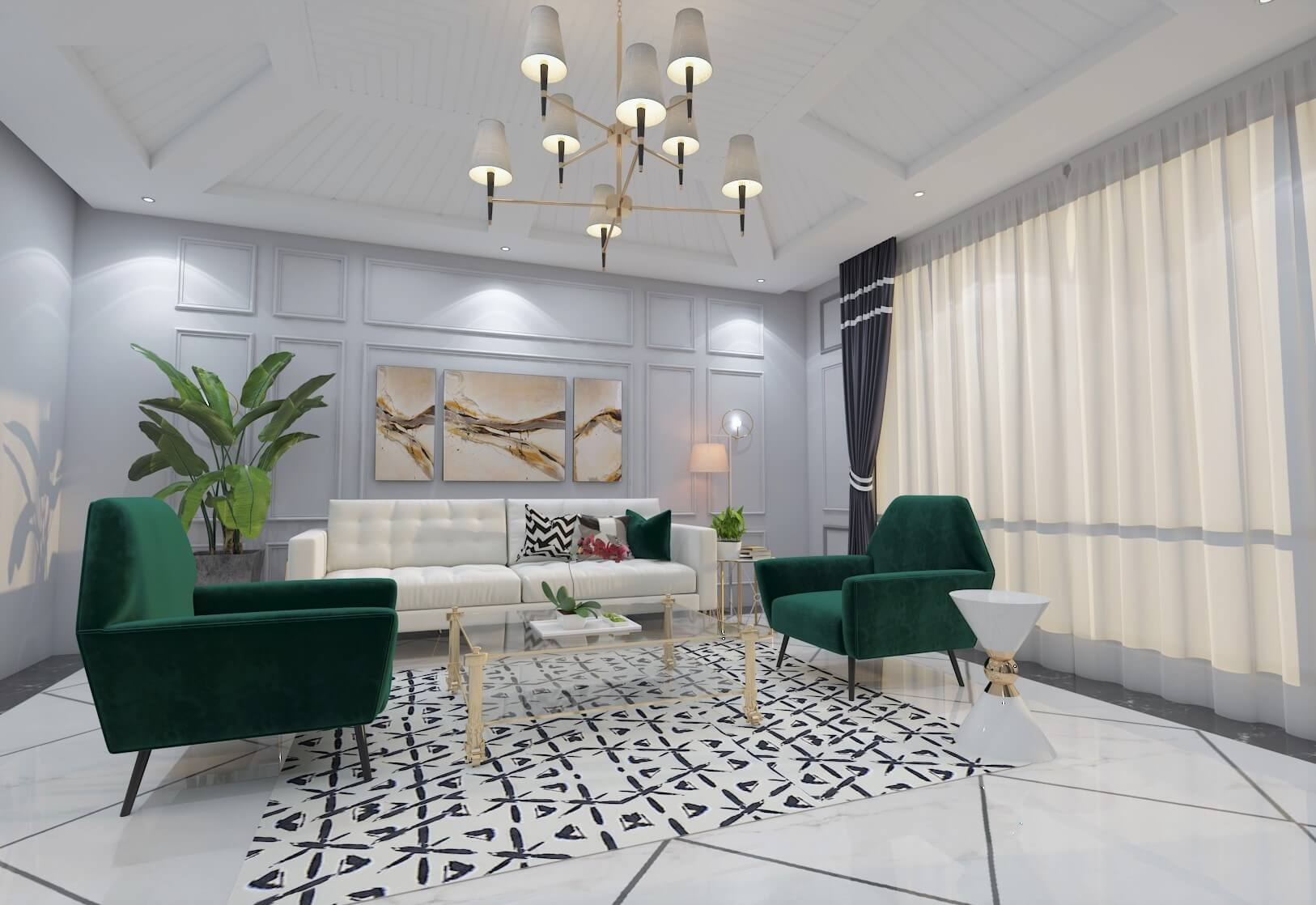
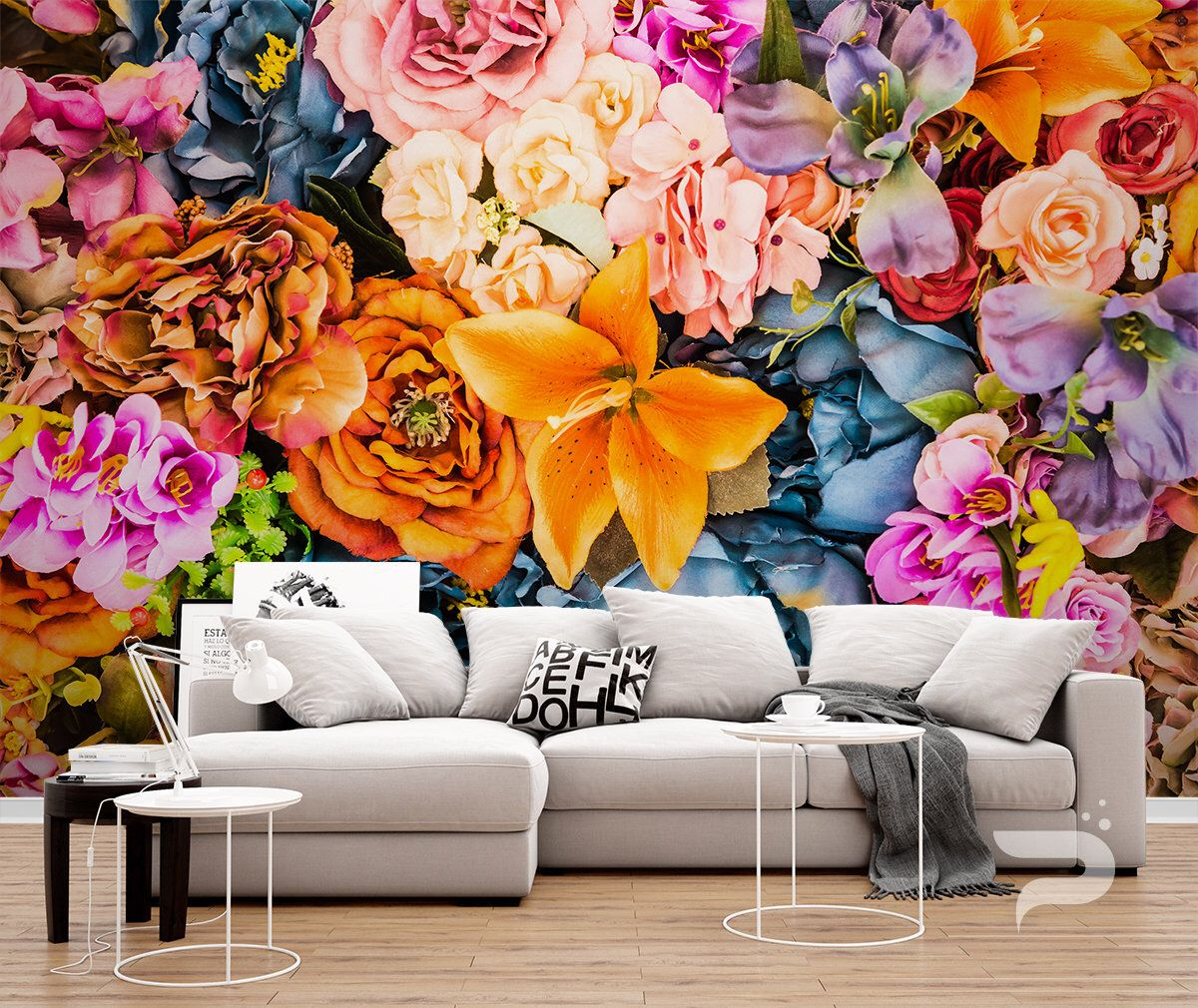
[sps_html tag=”img” src=”https://cdn.theartssection.com/wp-content/uploads/2025/10/9-best-contemporary-interior-design-ideas-for-your-home-foyr-inside-beautiful-metallic-braiding-pattern-digital-wall-art.jpg” alt=”9 Best Contemporary Interior Design Ideas For Your Home | Foyr inside "Beautiful Metallic Braiding Pattern" Digital Wall Art” style=”width: 100%; height: auto;”]
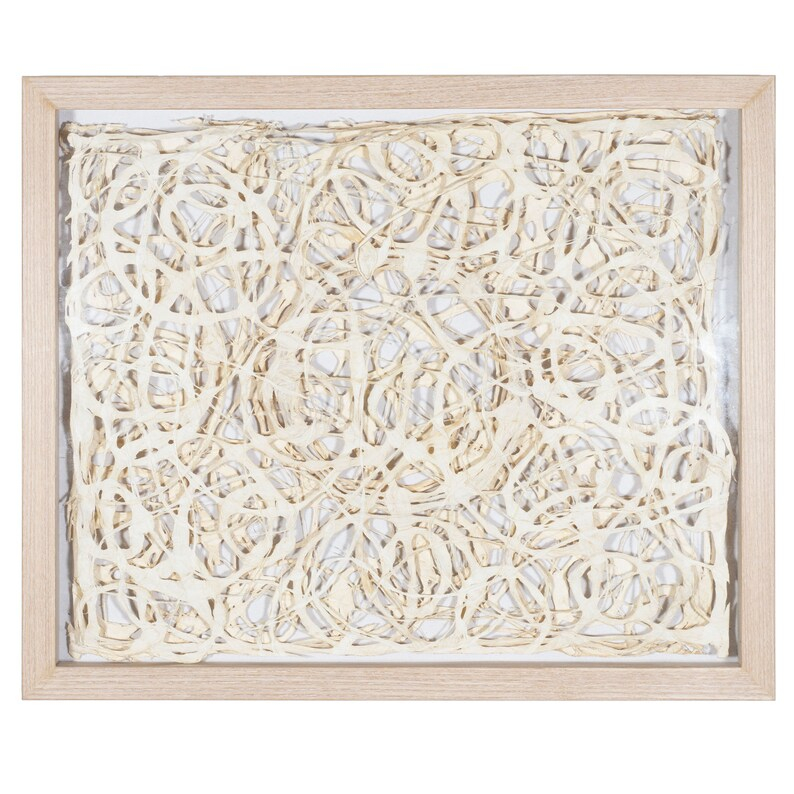
[sps_html tag=”img” src=”https://cdn.theartssection.com/wp-content/uploads/2025/10/intricate-modern-ceiling-design-featuring-abstract-patterns-and-with-regard-to-beautiful-metallic-braiding-pattern-digital-wall-art.jpg” alt=”Intricate Modern Ceiling Design Featuring Abstract Patterns And … with regard to "Beautiful Metallic Braiding Pattern" Digital Wall Art” style=”width: 100%; height: auto;”]
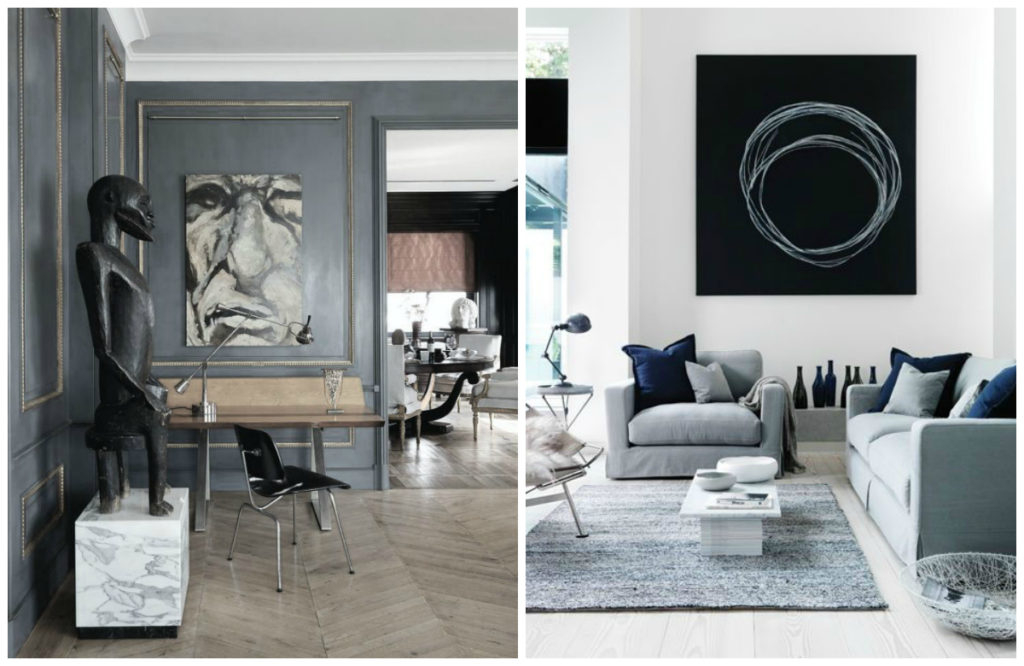
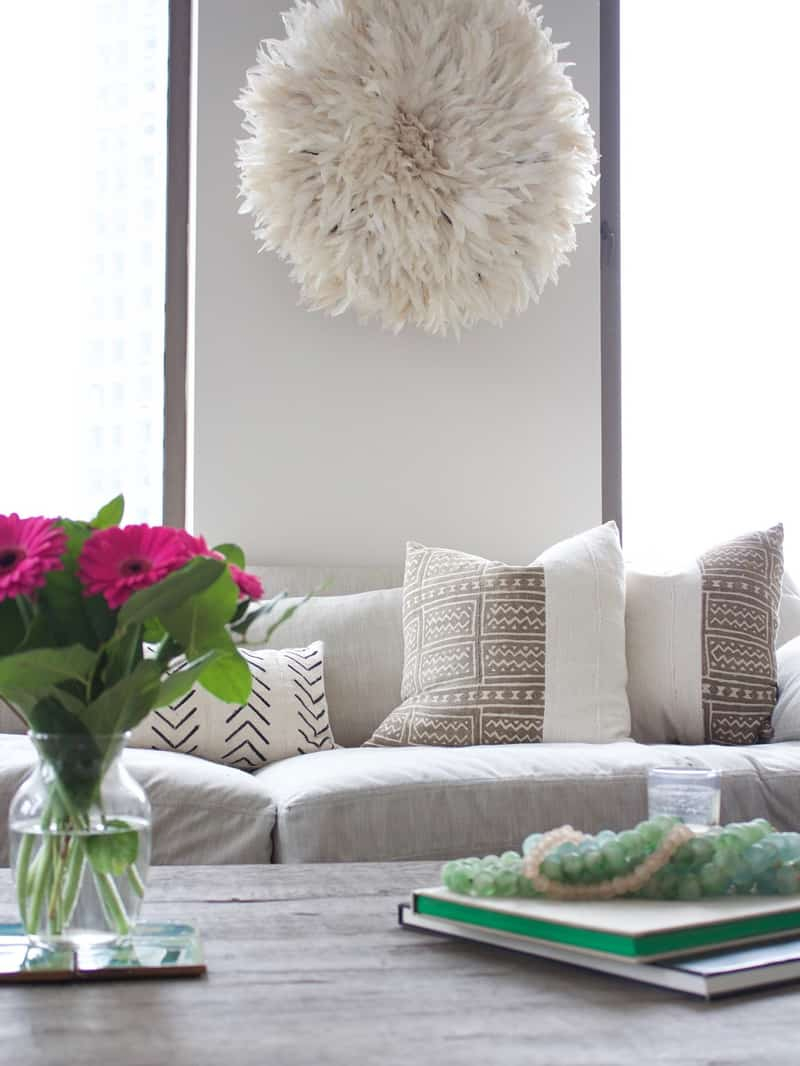
[sps_html tag=”img” src=”https://cdn.theartssection.com/wp-content/uploads/2025/10/aesthetic-decor-5-simple-tips-on-pleasing-interior-design-regarding-how-metallic-braiding-patterns-transform-modern-interior-design-aesthetics.jpg” alt=”Aesthetic Decor | 5 Simple Tips On Pleasing Interior Design regarding How Metallic Braiding Patterns Transform Modern Interior Design Aesthetics” style=”width: 100%; height: auto;”]
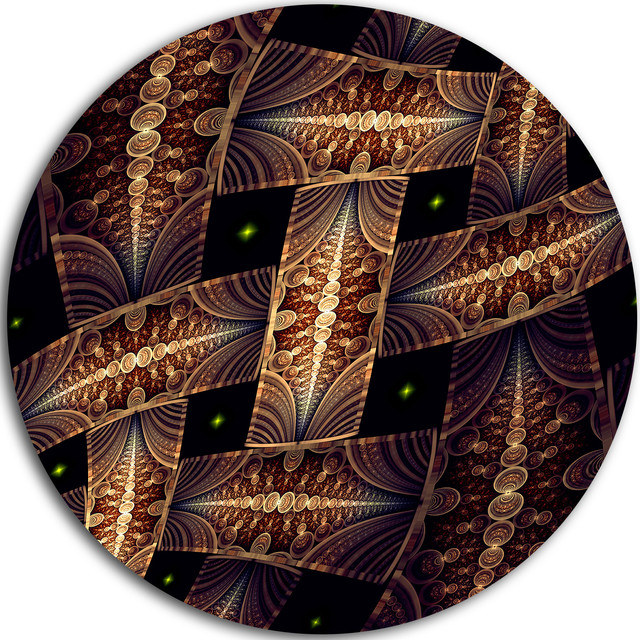
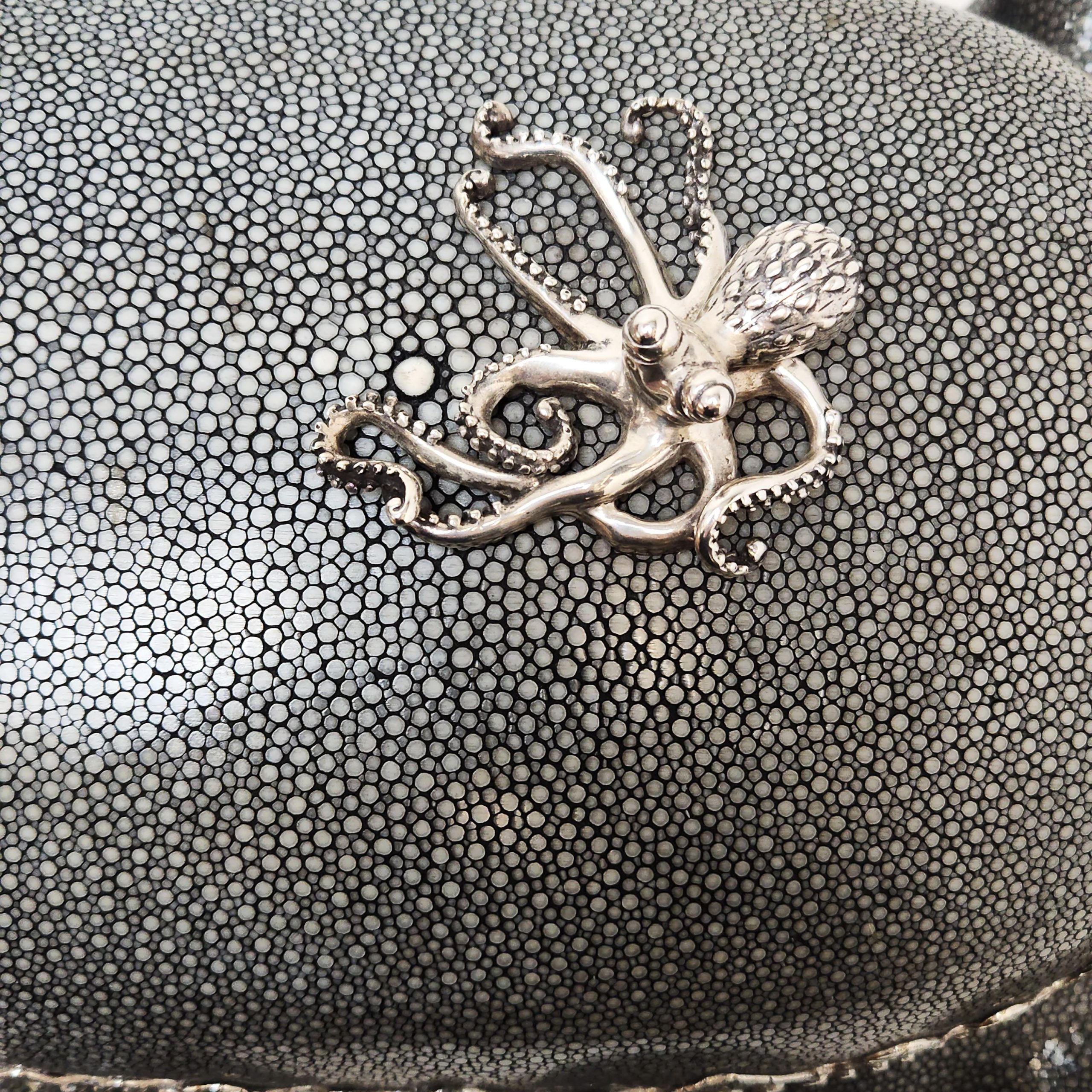
[sps_html tag=”img” src=”https://cdn.theartssection.com/wp-content/uploads/2025/10/beautiful-metallic-braiding-pattern-digital-art-round-wall-art-disc-with-beautiful-metallic-braiding-pattern-digital-wall-art.jpg” alt=”Beautiful Metallic Braiding Pattern, Digital Art Round Wall Art, Disc … with "Beautiful Metallic Braiding Pattern" Digital Wall Art” style=”width: 100%; height: auto;”]
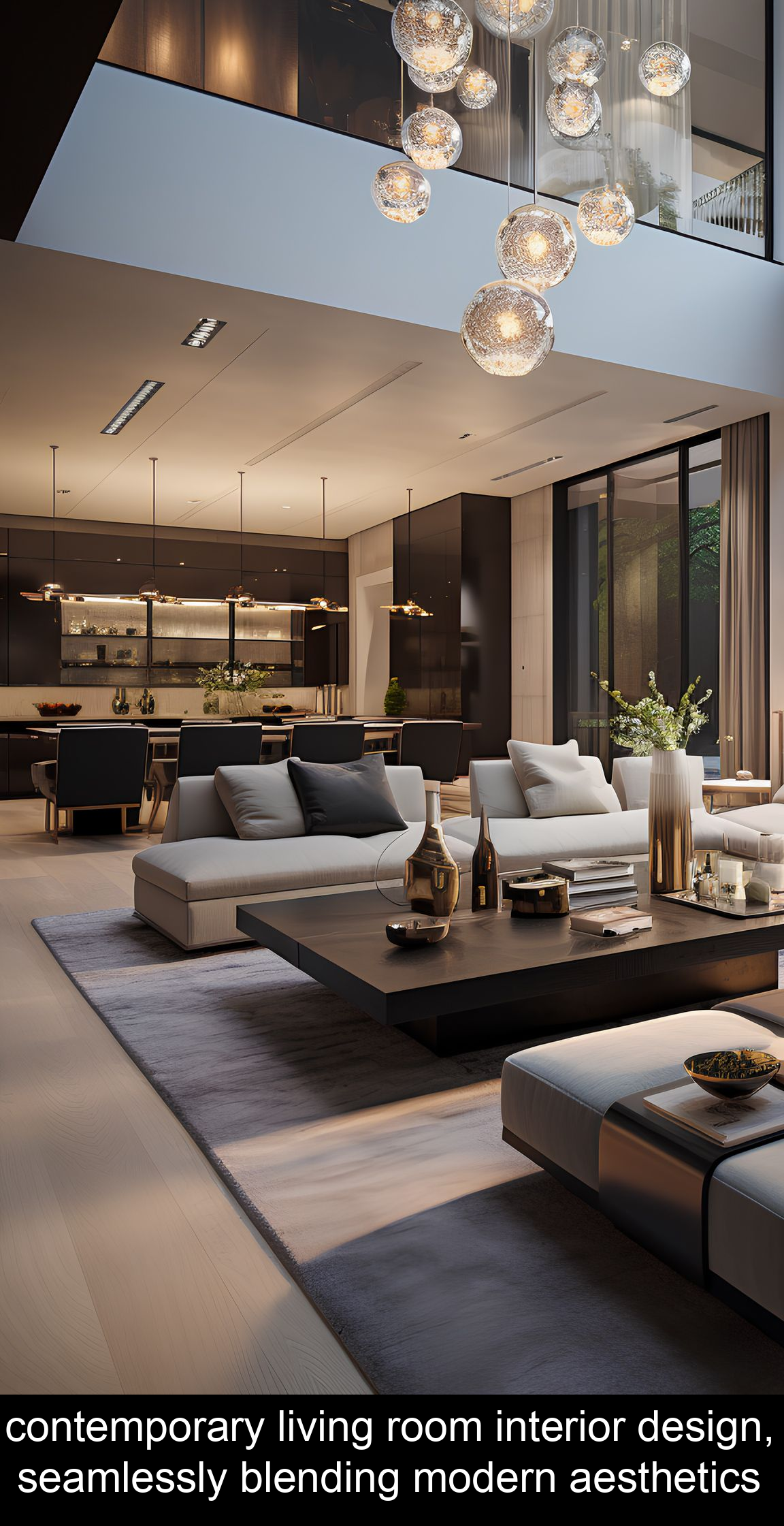
[sps_html tag=”img” src=”https://cdn.theartssection.com/wp-content/uploads/2025/10/contemporary-living-room-interior-design-seamlessly-blending-modern-in-how-metallic-braiding-patterns-transform-modern-interior-design-aesthetics.png” alt=”Contemporary Living Room Interior Design, Seamlessly Blending Modern … in How Metallic Braiding Patterns Transform Modern Interior Design Aesthetics” style=”width: 100%; height: auto;”]