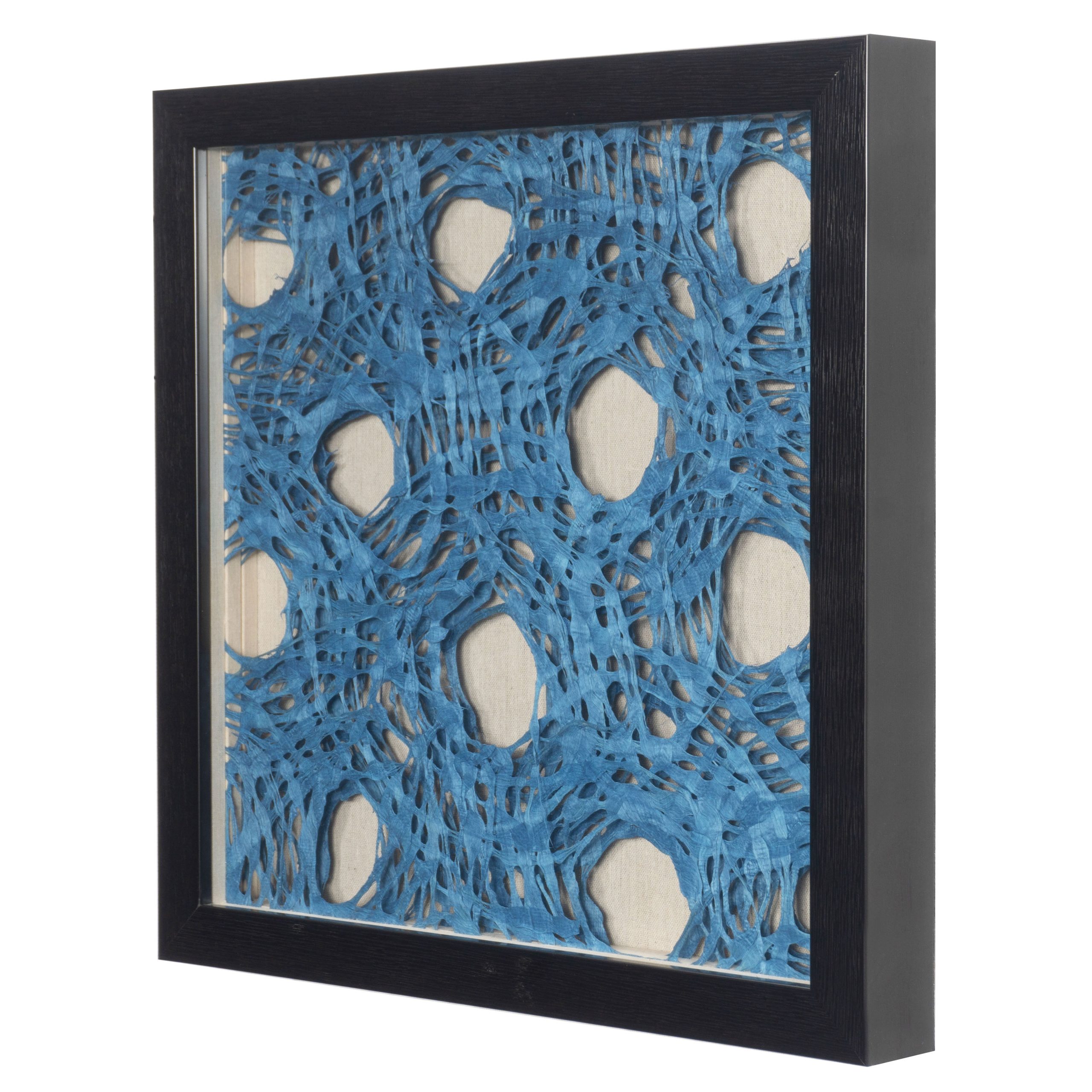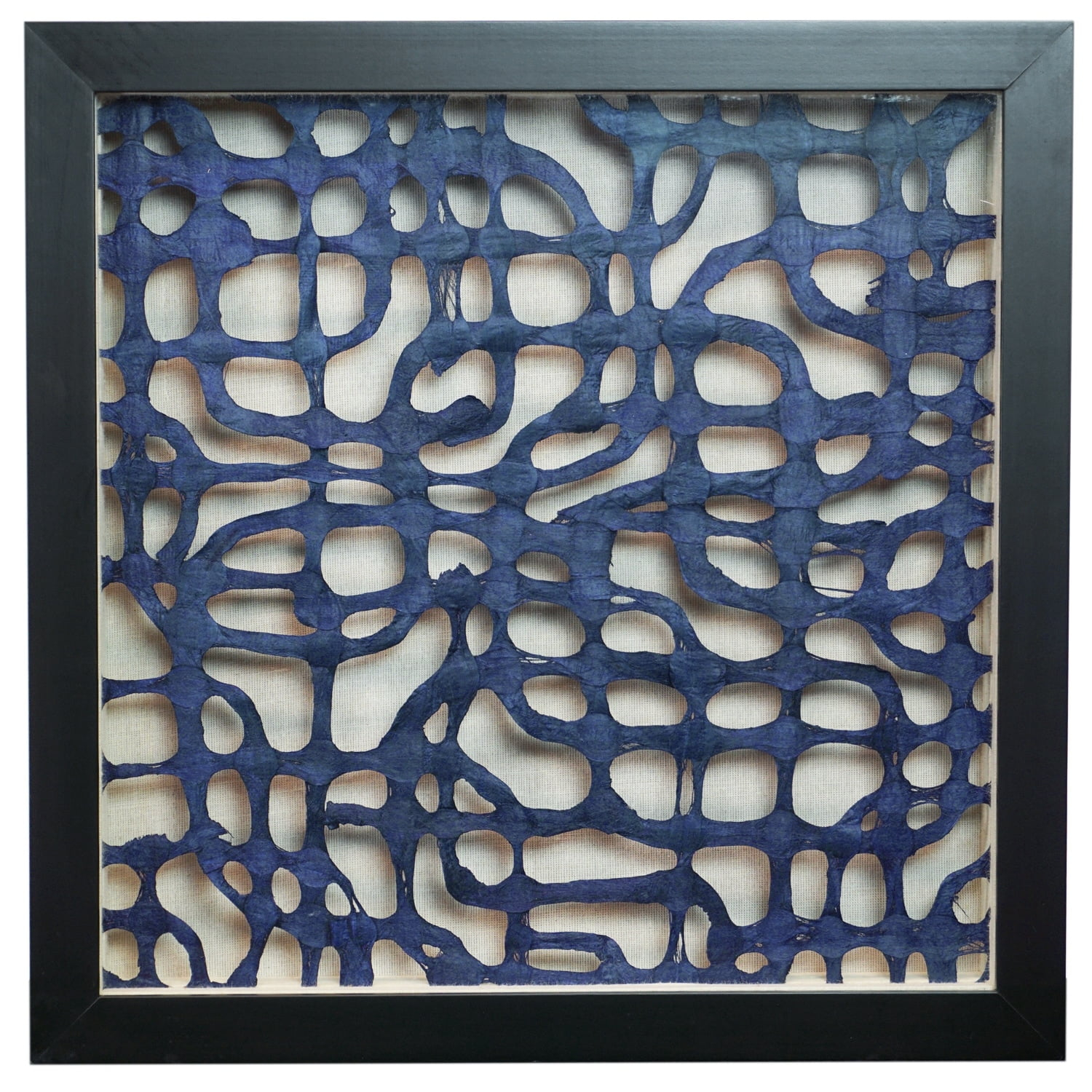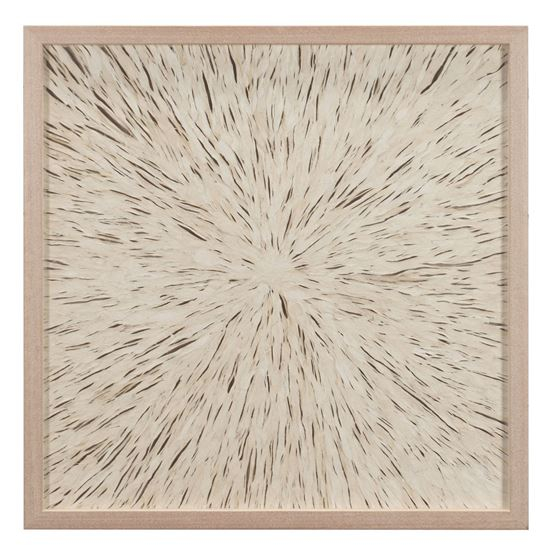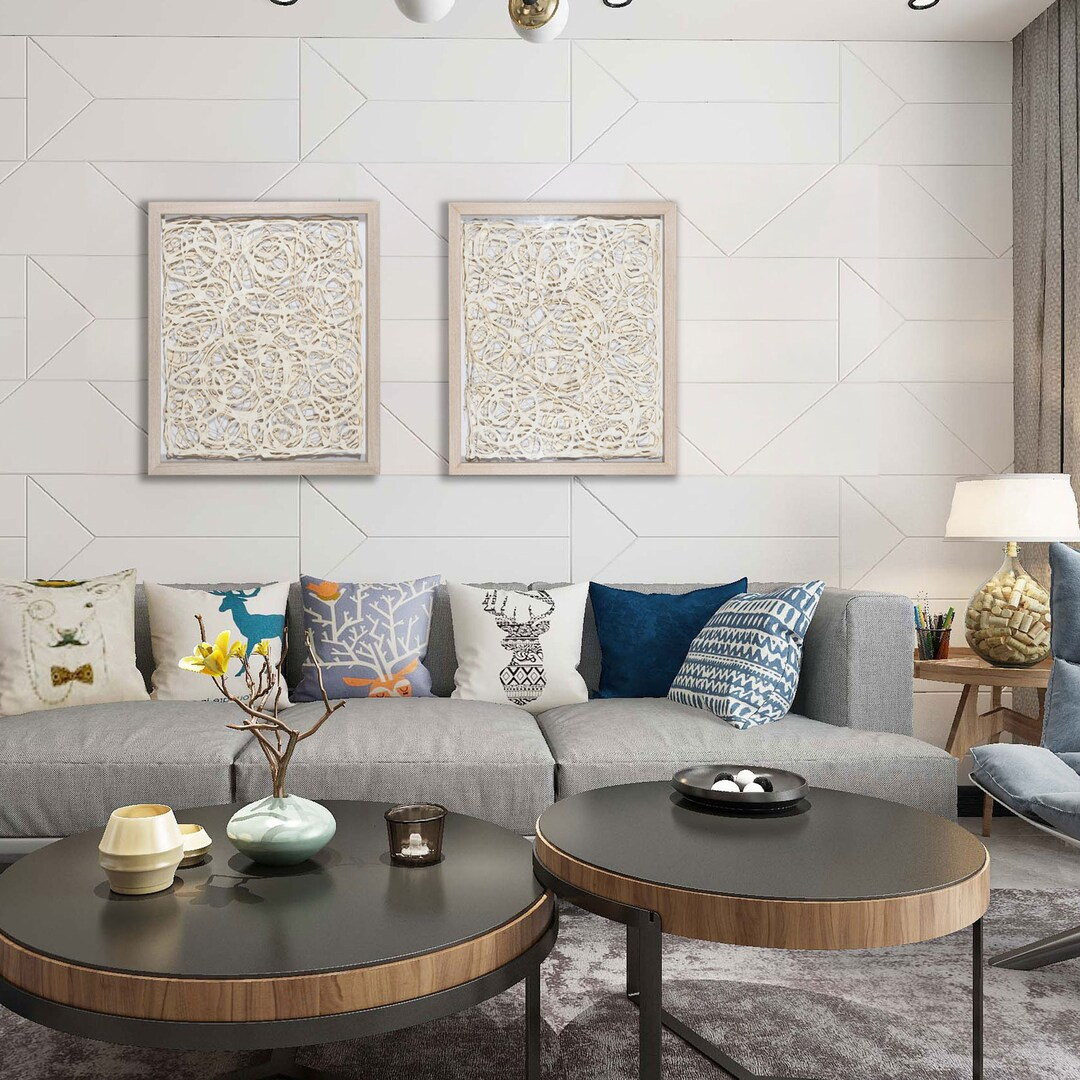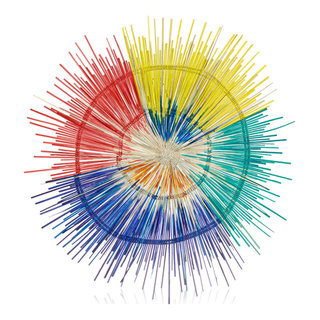
Imagine walking into a room where every corner tells a story, where light dances across layers of meaning, and where each piece seems to breathe with life. That’s what happens when you encounter well-crafted abstract shadow box wall art. These aren’t just decorations – they’re visual narratives that invite viewers to look deeper, to explore textures, and to discover the beauty hidden within layers.
The world of abstract shadow box wall art has evolved far beyond simple picture frames. Today’s artisans craft intricate compositions that play with perspective, depth, and emotion in ways that transform ordinary spaces into extraordinary experiences. Whether you’re a collector seeking the perfect piece or someone curious about how these works come to life, understanding the artisan techniques behind their creation reveals the true magic happening on those walls. These aren’t just objects hanging on a wall – they’re carefully constructed stories that require both technical skill and artistic vision.
Understanding the Foundation: Materials and Preparation
Every masterpiece starts with the right foundation. Artisans working with abstract shadow boxes must first choose materials that will support their vision while standing the test of time. The base structure typically involves sturdy wood or MDF boards, carefully measured and cut to precise dimensions. What makes this process special isn’t just the material selection, but the way each element gets prepared.
Consider the difference between using cheap particle board versus quality hardwood. The former might hold the weight, but the latter offers better stability and a more refined finish. The preparation phase includes sanding surfaces to perfection, applying protective coatings, and ensuring everything aligns perfectly before adding layers. It’s like preparing a canvas before painting – everything must be right before the creative process begins. Some artists even experiment with reclaimed materials, giving new life to old timber and creating unique textures that can’t be replicated with fresh materials.
Layering Magic: Building Depth Through Strategic Placement
The heart of any successful shadow box lies in its layering technique. This isn’t simply stacking items haphazardly – it’s a calculated approach to creating visual depth and narrative flow. Professional artisans often plan their compositions months in advance, sketching out how each element will interact with others.
Think about how light moves through a shadow box. The front layer might feature bold, colorful elements that catch the eye immediately, while deeper layers contain subtle details that reveal themselves only upon closer inspection. Some artists create intentional focal points by placing larger items in the foreground and smaller, more detailed pieces toward the back. Others use contrasting textures – smooth glass next to rough wood, or soft fabric against sharp metal – to create visual tension that keeps viewers engaged. The key is balancing complexity with clarity, ensuring that each layer contributes to the overall story rather than overwhelming it.
Lighting Integration: Bringing Elements to Life
Few things make a shadow box truly come alive like thoughtful lighting integration. While some pieces rely solely on ambient room light, master artisans understand that proper illumination can completely change how a piece is perceived. The placement of lights isn’t random – it’s strategic.
Some artists install LED strips behind the artwork, creating gentle backlighting that highlights edges and adds dimension. Others prefer spotlighting specific areas or elements, directing attention exactly where they want it. The type of lighting matters too. Warm white bulbs can create cozy, intimate feelings, while cool daylight bulbs might emphasize clean lines and modern aesthetics. Many practitioners experiment with dimming systems, allowing viewers to adjust the mood based on time of day or personal preference. It’s fascinating how one small addition can transform a static object into something that changes throughout different hours of the day.
Texture and Material Harmony: Creating Sensory Experiences
Good shadow box art engages more than just sight – it invites touch, emotion, and memory. The careful selection and combination of textures creates a rich sensory experience that makes pieces memorable. An artisan might blend smooth metals with weathered wood, or juxtapose soft fabrics against sharp geometric shapes.
The tactile qualities of materials often influence the emotional response people have to a piece. A rough stone might evoke feelings of strength and permanence, while delicate paper could suggest fragility and beauty. Some artists even incorporate unusual materials like dried flowers, vintage photographs, or found objects to add authenticity and personal connection. The challenge lies in ensuring all these different textures work together rather than competing with each other. When done well, the result feels cohesive and purposeful, almost like a conversation between different materials.
Narrative Construction: Telling Stories Through Composition
Perhaps what sets exceptional shadow box art apart from mere decoration is its ability to tell stories. Every element chosen, every layer positioned, and every detail included serves a purpose in building a narrative. Some artists focus on personal memories, incorporating family photos, heirlooms, or meaningful objects that speak to their individual journey.
Others create more universal stories – perhaps exploring themes of nature, urban life, or human relationships. The composition becomes a visual poem where each item represents a line or stanza. Some pieces seem to capture a moment in time, freezing a scene or emotion that might otherwise be fleeting. The best storytellers in this field know that sometimes less is more – leaving space for viewers to project their own interpretations onto the work. It’s remarkable how much meaning can be packed into a single frame when the artist approaches it with intentionality.
Finishing Touches: The Art of Presentation and Protection
The final stages of creating a shadow box involve more than just putting the finishing touches on a piece. It’s about protecting the artwork and presenting it in the best possible light. Professional artisans spend considerable time on the frame itself, choosing materials and styles that complement the internal composition.
They consider how the piece will hang, what kind of hardware will be needed, and how to ensure it remains secure over time. Some artists apply protective coatings to prevent damage from dust or humidity, while others create custom backing that allows for easy maintenance. The choice of hanging hardware can affect how the piece appears – a simple nail might work fine for a small piece, but larger works might need more substantial mounting solutions. Many artists also provide care instructions to help owners preserve their investment for years to come.
The world of artisan shadow box wall art represents a beautiful marriage of technical skill and creative expression. What starts as simple materials becomes something far more meaningful through careful planning, skilled execution, and deep consideration of how each element contributes to the whole. These aren’t just decorative objects – they’re conversations between artist and viewer, moments frozen in time, and stories waiting to be discovered. Understanding the techniques behind their creation helps us appreciate not just their beauty, but the dedication and craftsmanship that goes into every carefully placed element. Whether you’re considering purchasing such a piece or simply want to understand what makes these artworks so compelling, recognizing the artisan methods involved reveals a whole new level of appreciation for this unique form of visual storytelling.
[sps_html tag=”img” src=”https://cdn.theartssection.com/wp-content/uploads/2025/11/brayden-studio-abstract-handmade-blue-papier-mache-shadow-box-wall-art-regarding-how-to-incorporate-huji-abstract-handmade-papier-mache-shadow-box-wall-art-style-a-into-your-space-scaled.jpg” alt=”Brayden Studio Abstract Handmade Blue Papier-Mâché Shadow Box Wall Art … regarding How to Incorporate HUJI Abstract Handmade Papier-Mâché Shadow Box Wall Art Style A Into Your Space” style=”width: 100%; height: auto;”]
[sps_html tag=”img” src=”https://cdn.theartssection.com/wp-content/uploads/2025/11/millionstone-huji-abstract-handmade-paper-art-shadow-box-wall-decor-within-how-to-incorporate-huji-abstract-handmade-papier-mache-shadow-box-wall-art-style-a-into-your-space.jpeg” alt=”Millionstone Huji Abstract Handmade Paper Art Shadow Box Wall Decor … within How to Incorporate HUJI Abstract Handmade Papier-Mâché Shadow Box Wall Art Style A Into Your Space” style=”width: 100%; height: auto;”]
[sps_html tag=”img” src=”https://cdn.theartssection.com/wp-content/uploads/2025/11/huji-home-products-abstract-handmade-papier-mache-shadow-box-wall-art-with-regard-to-how-to-incorporate-huji-abstract-handmade-papier-mache-shadow-box-wall-art-style-a-into-your-space.jpeg” alt=”Huji Home Products. Abstract Handmade Papier-Mâché Shadow Box Wall Art … with regard to How to Incorporate HUJI Abstract Handmade Papier-Mâché Shadow Box Wall Art Style A Into Your Space” style=”width: 100%; height: auto;”]
[sps_html tag=”img” src=”https://cdn.theartssection.com/wp-content/uploads/2025/11/huji-abstract-handmade-paper-mache-shadow-box-wall-art-ms40508-for-huji-abstract-handmade-papier-mac2a2cha-shadow-box-wall-art-style-a.jpg” alt=”Huji Abstract Handmade Paper Mache Shadow Box Wall Art (Ms40508 … for Huji Abstract Handmade Papier-Mã¢Chã© Shadow Box Wall Art, Style A” style=”width: 100%; height: auto;”]
[sps_html tag=”img” src=”https://cdn.theartssection.com/wp-content/uploads/2025/11/huji-abstract-handmade-paper-mache-shadow-box-wall-art-ms40508-throughout-huji-abstract-handmade-papier-mac2a2cha-shadow-box-wall-art-style-a.jpg” alt=”Huji Abstract Handmade Paper Mache Shadow Box Wall Art (Ms40508 … throughout Huji Abstract Handmade Papier-Mã¢Chã© Shadow Box Wall Art, Style A” style=”width: 100%; height: auto;”]