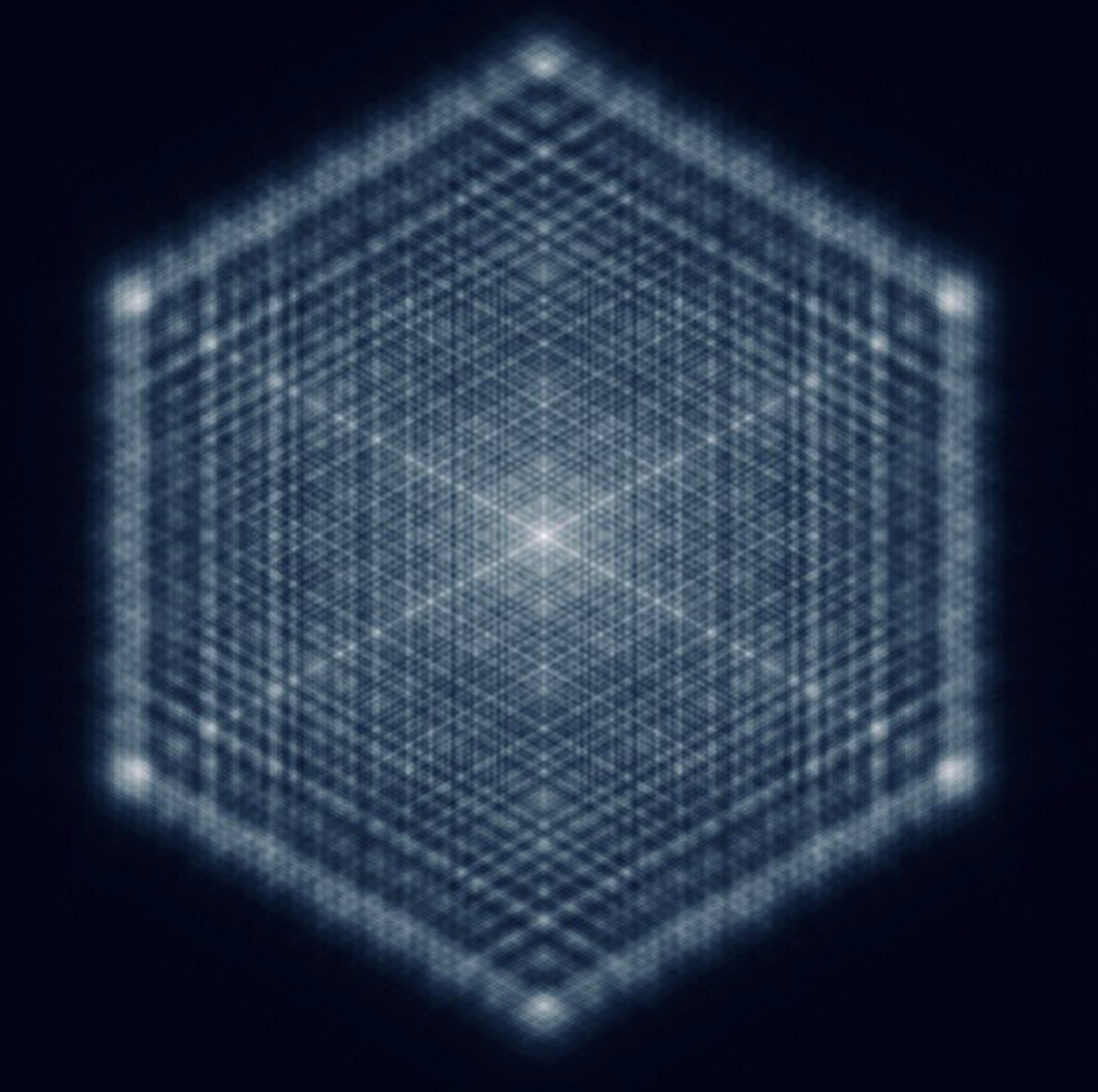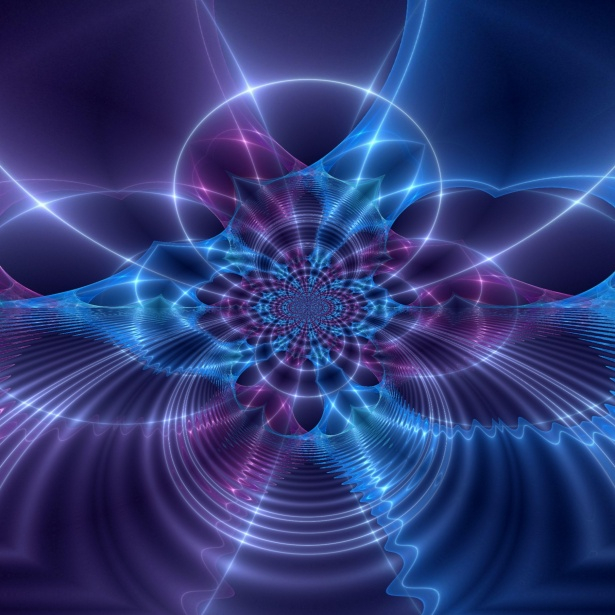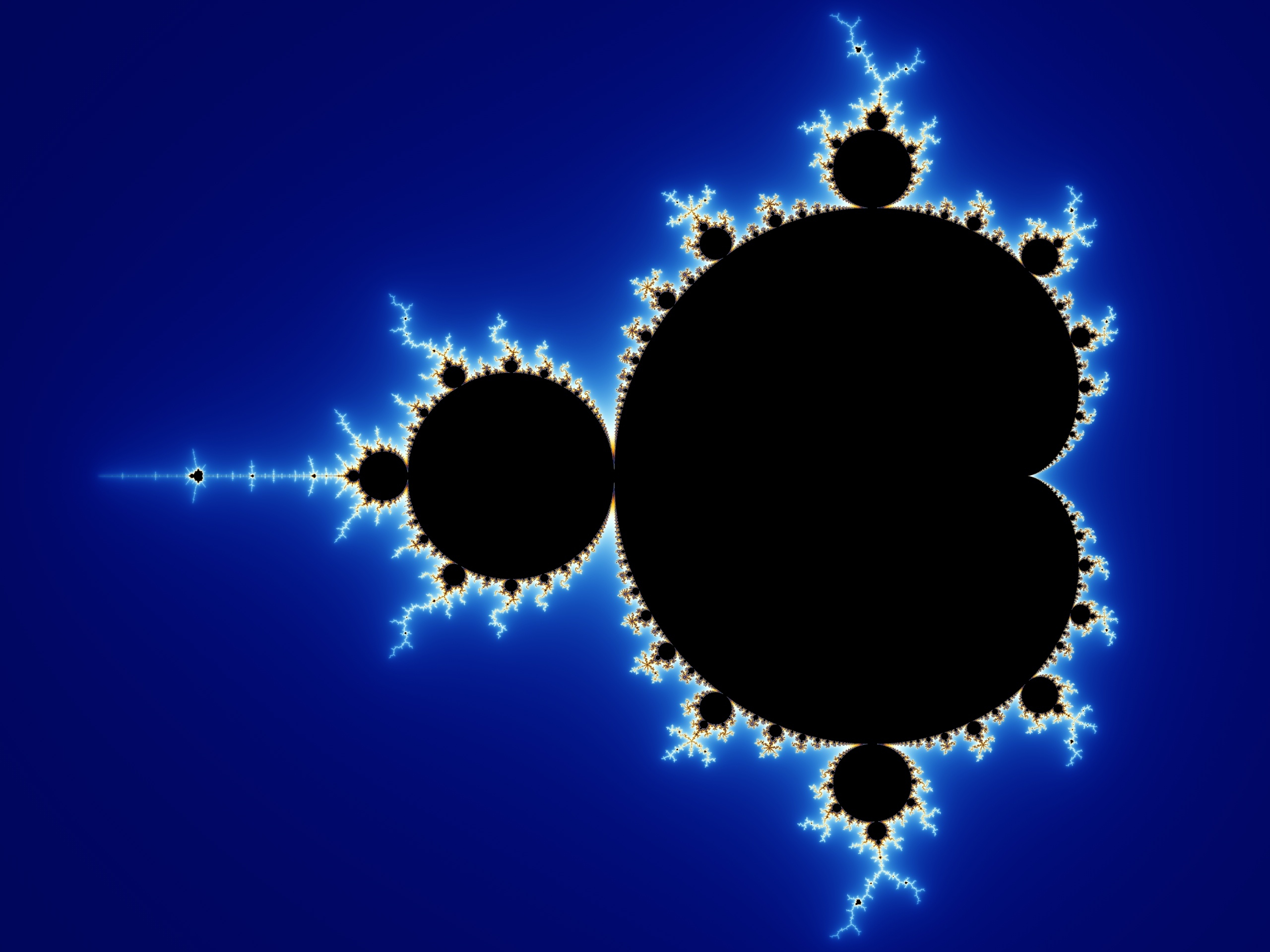
Imagine walking into a gallery where the walls seem to breathe with soft blue light. The air feels different, your heartbeat slows, and suddenly you’re transported somewhere you’ve never been before. This isn’t just art—it’s a carefully crafted psychological experience. Blue light in digital installations has become a powerful tool for artists to influence how we feel, think, and connect with their work.
In today’s world of immersive experiences, digital art installations have revolutionized how we interact with creative expression. These modern marvels often rely heavily on lighting, particularly blue light, to create profound emotional responses. But what exactly happens when our brains encounter this particular hue? Why does blue light seem to have such a unique hold over our psyche? The answer lies in understanding how our biology meets artistic vision. Blue light isn’t just a color—it’s a psychological catalyst that can shift our moods, trigger memories, and even alter our perception of time itself. As we explore this fascinating intersection of science and creativity, we’ll uncover why artists choose blue light and what it means for viewers like you and me.
The Science Behind Blue Light and the Brain
Blue light is more than just a wavelength of visible light—it’s a biological signal that directly impacts our nervous system. When we see blue light, our brains release neurotransmitters that affect everything from alertness to relaxation. This isn’t some abstract concept; it’s happening right now as you read these words. Our eyes detect blue wavelengths and send signals to the brain’s hypothalamus, which controls our circadian rhythm. Artists working with digital installations understand this connection intimately.
Consider the difference between a warm amber glow and a cool blue shimmer. The amber light might make you feel cozy and nostalgic, while blue light can evoke feelings of calm or even melancholy. Scientists have found that blue light exposure can reduce melatonin production, making us feel more awake and alert. In art contexts, this translates to installations that either energize visitors or lull them into contemplative states.
The effect is so strong that researchers have studied how different blue light intensities can change emotional responses. A gentle blue hue might encourage introspection, while a brighter blue could stimulate curiosity and focus. It’s almost like the artist is conducting an orchestra of emotions, with blue light serving as the baton.
Emotional Resonance in Contemporary Art Spaces
Digital art installations using blue light create something magical—they transform physical spaces into emotional landscapes. Think about visiting a museum where blue light gently pulses across a wall of floating digital particles. The experience isn’t just visual; it’s visceral. Your body responds to the subtle changes in light intensity and color temperature.
This phenomenon occurs because our brains are wired to interpret light patterns as emotional cues. When artists control blue light in their installations, they’re essentially creating a new form of communication. The light becomes a language that speaks directly to our subconscious minds.
Many contemporary artists deliberately use blue light to create feelings of isolation or serenity. For instance, a large-scale installation featuring hundreds of tiny blue LED lights arranged in geometric patterns might make viewers feel both connected and alone simultaneously. The blue tones seem to pull people inward, encouraging quiet reflection rather than social interaction.
The emotional journey varies dramatically depending on the artist’s intent and the specific blue light configuration. Some installations use slow, steady blue illumination to promote peace, while others employ rapid blue flashes to create tension or excitement. What’s remarkable is how consistent these emotional responses are across different cultures and backgrounds.
Cultural Interpretations of Blue Light in Art
While blue light creates universal physiological responses, its cultural meanings vary significantly around the world. In Western societies, blue often represents tranquility, wisdom, and trust. Many digital art installations capitalize on these associations, using blue to create serene environments that encourage contemplation and meditation.
However, in some Eastern traditions, blue carries different connotations. It can symbolize spirituality or even sadness. Artists working with cross-cultural audiences must navigate these nuanced interpretations carefully. A blue installation that brings peace to one culture might inadvertently evoke melancholy in another.
The diversity of responses shows how complex the relationship between light and emotion really is. Take, for example, a Japanese artist who uses blue light to represent the fleeting nature of existence. The light flickers subtly, mimicking the way cherry blossoms appear and disappear. In this context, blue becomes a metaphor for impermanence, creating a deeply personal connection with viewers who understand the cultural reference.
What’s fascinating is how these cultural differences can actually enhance the viewing experience. Rather than limiting the impact, they add layers of meaning that make each encounter unique. The same blue light installation can tell different stories depending on who’s experiencing it and what they bring to the moment.
The Role of Blue Light in Memory Formation
Our brains don’t just process blue light as visual information—they store memories associated with specific light conditions. This connection between light and memory formation explains why certain digital art installations leave lasting impressions. When we experience blue light in an artistic setting, our brains form neural pathways that link the visual stimulus to emotional responses.
Research has shown that memories formed during specific lighting conditions are often easier to recall. This means that if you spend time in a blue-lit digital installation, you’re more likely to remember not just the artwork itself, but also the feelings it evoked. The blue light acts as a memory anchor, making the entire experience more meaningful and impactful.
Some artists exploit this by creating installations that gradually shift from warm to cool tones. The transition from orange to blue might signal a change in mood or narrative within the piece. Viewers often report feeling more emotionally invested in works that use gradual light transitions because their brains are actively trying to decode the story being told through light alone.
This process goes beyond simple aesthetics. The blue light in these installations can trigger specific memories or associations in viewers, creating a deeply personal experience that resonates long after leaving the gallery. The brain essentially remembers the emotional state tied to the blue light, making the artwork more memorable and significant.
Practical Applications and Artist Techniques
Professional artists working with blue light in digital installations employ several strategies to maximize emotional impact. One common approach involves using varying intensities of blue light to create rhythm and movement within static displays. This technique, called temporal modulation, makes otherwise still digital elements feel alive and responsive to the viewer’s presence.
Another popular method is layering blue light with other colors to create depth and complexity. For instance, combining deep blue with subtle hints of purple can evoke feelings of mystery or fantasy. Artists often use software to program these color combinations, allowing for precise control over how the light affects mood.
Some installations use motion sensors to respond to visitor movement, causing blue light to pulse or shift based on how people interact with the space. This creates a participatory experience where viewers become part of the artwork itself. The blue light doesn’t just surround them—it responds to them, making each visit unique and personal.
The timing of blue light usage also matters greatly. Many artists schedule their blue light effects to align with natural circadian rhythms, creating installations that feel more organic and less artificial. A night-time installation might feature deeper blues that mirror the darkness outside, while daytime pieces might incorporate brighter blue tones that complement natural lighting conditions.
Balancing Effects and Viewer Wellbeing
While blue light in digital art can create powerful emotional experiences, artists and curators must consider potential negative effects on viewers’ wellbeing. Prolonged exposure to intense blue light can cause eye strain and disrupt sleep patterns, especially if installations are designed for evening hours.
Many contemporary installations address this concern by incorporating breaks in their lighting sequences. Instead of continuous blue light, artists might program brief periods of neutral or dimmed light that give viewers’ eyes and brains a chance to reset. This thoughtful pacing helps maintain the emotional impact while preventing viewer fatigue.
Some galleries now provide information about the lighting design ahead of time, allowing visitors to prepare mentally and physically for their experience. This transparency helps people with light sensitivity issues make informed decisions about whether to engage with certain installations.
The most successful digital art installations balance emotional impact with viewer comfort. They create powerful experiences without overwhelming the senses. This delicate balance requires careful testing and adjustment, often involving feedback from diverse groups of people to ensure the blue light effects work for everyone, not just those who are naturally drawn to such experiences.
Ultimately, the best blue light installations respect their audience’s wellbeing while still delivering the emotional punch that makes digital art so compelling. The key is finding that sweet spot where artistic vision meets human comfort.
Blue light in digital art installations represents more than just a technical choice—it’s a sophisticated form of emotional engineering that touches something fundamental about how we experience the world. From the science of brain chemistry to the art of cultural storytelling, blue light creates bridges between our inner emotional lives and external artistic expression. Whether you’re standing in front of a peaceful blue installation that calms your nerves or a dynamic piece that energizes your spirit, you’re participating in a dialogue between technology and human feeling that’s both ancient and entirely new. As artists continue to push boundaries with digital media, blue light will undoubtedly remain at the forefront of how we create, interpret, and remember art. The next time you encounter a blue-lit installation, take a moment to notice how it makes you feel—and remember that you’re not just viewing art, you’re experiencing a carefully orchestrated emotional journey.
[sps_html tag=”img” src=”https://cdn.theartssection.com/wp-content/uploads/2025/11/fractals-fractal-blue-light-printable-download-fractal-art-pertaining-to-fractal-blue-light-shine-abstract-digital-art-canvas-print.jpg” alt=”Fractals Fractal Blue Light Printable Download Fractal Art, pertaining to "Fractal Blue Light Shine" Abstract Digital Art Canvas Print” style=”width: 100%; height: auto;”]
[sps_html tag=”img” src=”https://cdn.theartssection.com/wp-content/uploads/2025/11/high-quality-fractal-art-blue-light-abstraction-2-stock-illustration-in-fractal-blue-light-shine-abstract-digital-art-canvas-print.jpg” alt=”High Quality Fractal Art ; Blue Light Abstraction 2 Stock Illustration … in "Fractal Blue Light Shine" Abstract Digital Art Canvas Print” style=”width: 100%; height: auto;”]
[sps_html tag=”img” src=”https://cdn.theartssection.com/wp-content/uploads/2025/11/fractal-light-free-stock-photo-public-domain-pictures-inside-fractal-blue-light-shine-abstract-digital-art-canvas-print.jpg” alt=”Fractal Light Free Stock Photo - Public Domain Pictures inside "Fractal Blue Light Shine" Abstract Digital Art Canvas Print” style=”width: 100%; height: auto;”]
[sps_html tag=”img” src=”https://cdn.theartssection.com/wp-content/uploads/2025/11/what-is-a-fractal-the-ultimate-guide-to-understanding-fractals-pertaining-to-understanding-the-science-behind-fractal-blue-light-shine-in-digital-art.jpg” alt=”What Is A Fractal? - The Ultimate Guide To Understanding Fractals pertaining to Understanding the Science Behind Fractal Blue Light Shine in Digital Art” style=”width: 100%; height: auto;”]
[sps_html tag=”img” src=”https://cdn.theartssection.com/wp-content/uploads/2025/11/fractal-art-blue-wave-digital-art-by-hh-photography-of-florida-pixels-with-fractal-blue-light-shine-abstract-digital-art-canvas-print.jpg” alt=”Fractal Art - Blue Wave Digital Art By Hh Photography Of Florida - Pixels with "Fractal Blue Light Shine" Abstract Digital Art Canvas Print” style=”width: 100%; height: auto;”]