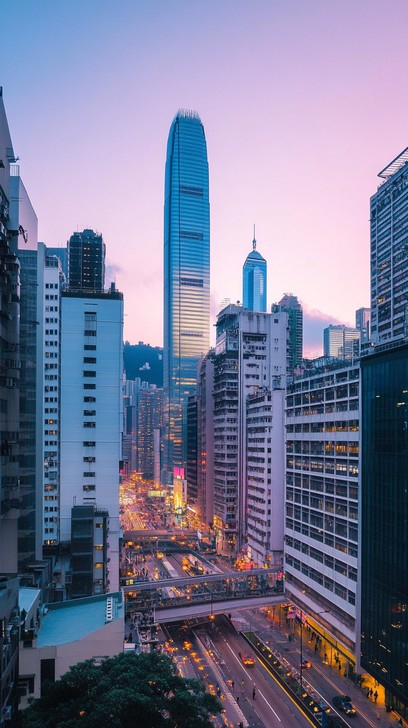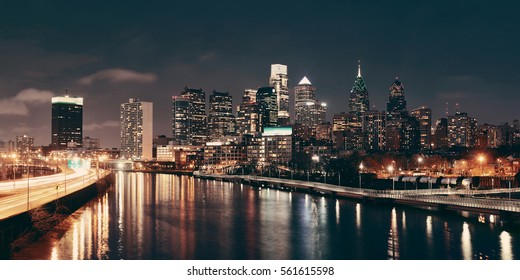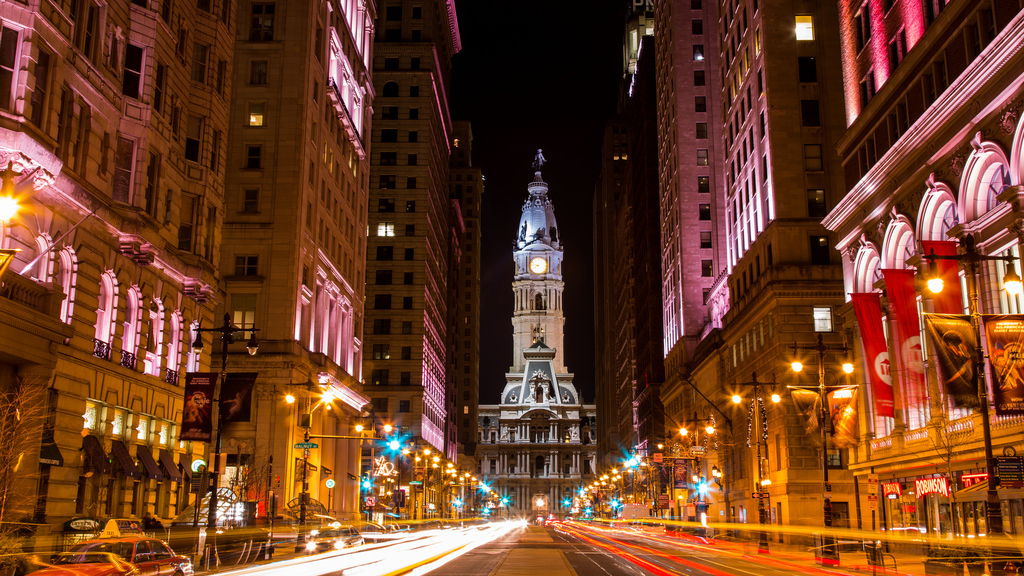
When you look up at Philadelphia’s skyline after sunset, you’re witnessing centuries of urban development woven together. The way buildings rise against the evening sky tells a story of ambition, necessity, and the city’s continuous evolution. From colonial-era structures to modern skyscrapers, each layer of the city’s silhouette reflects its unique journey through time.
Philadelphia’s evening silhouette isn’t just a pretty sight for tourists and residents alike. It’s a visual timeline of the city’s transformation from a colonial trading post to one of America’s most significant urban centers. As the sun sets over the Delaware River, the city’s buildings create a distinct profile that’s both recognizable and deeply symbolic. This silhouette represents more than architecture—it shows how people have shaped space, how economies have driven growth, and how communities have adapted to change.
Colonial Foundations and Early Structures
The earliest buildings that formed Philadelphia’s silhouette were simple and functional. Colonial-era structures like the Pennsylvania State House (now Independence Hall) and various merchant buildings created the first recognizable shape against the horizon. These early buildings were typically two to three stories high, made of brick and stone, and designed to serve the needs of a growing trading center. Their flat rooftops and symmetrical designs created a relatively uniform profile that stretched along the riverfront. The narrow streets of Old City meant buildings had to be built close together, creating a dense silhouette that emphasized verticality rather than horizontal spread. You might wonder why these early buildings matter so much to the evening view, but they set the foundation for everything that came after. The street grid pattern established during colonial times still influences how buildings are positioned today, even though the actual structures have changed dramatically.
Industrial Revolution and the Rise of Commercial Buildings
As Philadelphia grew into an industrial powerhouse in the 1800s, its silhouette began to change dramatically. The arrival of steam power and manufacturing brought taller, more substantial buildings that pushed the skyline higher. Factories, warehouses, and commercial buildings started to dominate the landscape, creating a new kind of silhouette characterized by industrial elements. Steel frame construction allowed for taller buildings, and the city’s growing wealth meant more ambitious architectural projects. The late 1800s saw the emergence of buildings with distinctive features like ornate facades and decorative elements that added character to the evening view. These weren’t just functional structures—they were symbols of prosperity and progress. The shift from purely residential and commercial buildings to industrial structures fundamentally altered the way Philadelphia looked from above. Even today, you can see echoes of this industrial influence in the city’s downtown core, where some of the tallest buildings still reflect the robust nature of their predecessors.
The Age of Skyscrapers and Modern Architecture
The mid-1900s marked a turning point for Philadelphia’s skyline. The introduction of modern materials like steel and glass, combined with advances in construction technology, enabled architects to build much taller structures. This period brought iconic buildings that transformed the evening silhouette into something more dramatic and contemporary. The Bank of America Building, completed in 1990, became one of the city’s most recognizable landmarks and changed how people viewed the skyline. The building’s distinctive design, with its sharp angles and reflective surfaces, creates a very different silhouette than earlier structures. Modern architecture also emphasized clean lines and minimalism, which helped create a more streamlined appearance against the evening sky. The city’s focus on urban renewal projects during this era led to the demolition of older buildings and the construction of new, taller structures that could accommodate growing businesses and populations. These developments didn’t just change the physical appearance of the city—they represented a shift in how Philadelphians thought about urban living and working spaces.
Post-War Urban Planning and Development Patterns
After World War II, Philadelphia underwent significant urban planning efforts that shaped its modern silhouette. The city’s leaders recognized the need for better organization and development strategies, leading to new zoning laws and building codes that influenced construction practices. This period saw the creation of major business districts and the systematic development of areas that had previously been residential or industrial. The construction of new office complexes and shopping centers created distinct clusters of tall buildings that stand out clearly against the evening sky. These developments often followed a pattern where buildings were grouped together to maximize space and efficiency. The emphasis on creating centralized business areas meant that the skyline became more defined and predictable, with recognizable patterns emerging in how buildings were arranged. The result was a more cohesive silhouette that reflected the city’s growing sophistication and economic development. Urban planners also focused on creating better transportation connections between different parts of the city, which influenced where and how new buildings were constructed.
The Role of Transportation and Infrastructure
Philadelphia’s skyline wouldn’t look the way it does without its transportation infrastructure. The city’s development has always been closely tied to how people and goods move through the area. The construction of major highways, bridges, and rail systems created corridors where buildings could develop more densely, influencing the overall shape of the silhouette. The Schuylkill Expressway and various bridge connections have become part of the visual landscape, creating interesting contrasts between the built environment and the natural features of the region. These infrastructure projects required new approaches to building design and placement, often resulting in structures that had to work around existing transportation networks. The relationship between transportation hubs and building development has created distinctive patterns in the city’s growth, with certain areas becoming more prominent in the evening view due to their strategic locations. When you think about how the city looks from above, consider how these transportation elements have shaped not just where buildings go, but how they’re designed to fit within the larger urban fabric.
Preservation Efforts and Contemporary Challenges
Today, Philadelphia faces the challenge of balancing preservation with growth. Historic buildings that contributed to the original silhouette must coexist with modern developments that create new visual elements. The city has worked hard to preserve important architectural landmarks while allowing for necessary modernization. This delicate balance affects how the evening silhouette appears, as new construction must respect the historical context while meeting contemporary needs. Some neighborhoods have seen the restoration of historic buildings that help maintain the traditional character of certain areas. Others have embraced new developments that push the skyline further upward. The challenge lies in ensuring that new buildings complement rather than compete with the existing silhouette. This ongoing process means that Philadelphia’s evening profile continues to evolve, reflecting current values about sustainability, aesthetics, and urban livability. The city’s approach to these challenges shows how urban development requires constant adaptation and careful consideration of multiple factors.
Philadelphia’s evening silhouette tells a story that spans centuries of human ambition and creativity. From the simple colonial buildings that first defined the city’s profile to the modern skyscrapers that dominate today’s skyline, each era has left its mark on how the city appears from above. What makes this story particularly compelling is that it’s still being written. Every new building, every renovation, and every urban planning decision contributes to the evolving silhouette. The city’s skyline isn’t static—it’s a living document of how communities grow, adapt, and express themselves through the built environment. As you watch the sun set over Philadelphia, remember that you’re seeing more than just beautiful architecture. You’re witnessing thousands of decisions, dreams, and practical considerations come together to form a unique urban identity that continues to change and grow.
[sps_html tag=”img” src=”https://cdn.theartssection.com/wp-content/uploads/2025/10/cityscape-transforms-from-day-to-night-with-shadows-and-glimmering-for-philadelphia-skyline-at-night-canvas-print60x28-1-panel.jpg” alt=”Cityscape Transforms From Day To Night With Shadows And Glimmering … for "Philadelphia Skyline At Night" Canvas Print60"X28", 1 Panel” style=”width: 100%; height: auto;”]
[sps_html tag=”img” src=”https://cdn.theartssection.com/wp-content/uploads/2025/10/city-landscape-capturing-water-reflection-glowing-lights-stock-photos-pertaining-to-philadelphia-skyline-at-night-canvas-print60x28-1-panel.jpg” alt=”City Landscape Capturing Water Reflection Glowing Lights Stock Photos … pertaining to "Philadelphia Skyline At Night" Canvas Print60"X28", 1 Panel” style=”width: 100%; height: auto;”]
[sps_html tag=”img” src=”https://cdn.theartssection.com/wp-content/uploads/2025/10/philadelphia-skyline-night-urban-architecture-stock-photo-561615598-with-philadelphia-skyline-at-night-canvas-print60x28-1-panel.jpg” alt=”Philadelphia Skyline Night Urban Architecture Stock Photo 561615598 … with "Philadelphia Skyline At Night" Canvas Print60"X28", 1 Panel” style=”width: 100%; height: auto;”]
[sps_html tag=”img” src=”https://cdn.theartssection.com/wp-content/uploads/2025/10/free-urban-twilight-glow-image-download-at-stockcake-intended-for-how-philadelphias-urban-landscape-transforms-under-evening-lights.jpg” alt=”Free Urban Twilight Glow Image | Download At Stockcake intended for How Philadelphia's Urban Landscape Transforms Under Evening Lights” style=”width: 100%; height: auto;”]
[sps_html tag=”img” src=”https://cdn.theartssection.com/wp-content/uploads/2025/10/how-light-helped-remake-downtown-philadelphia-planetizen-news-within-how-philadelphias-urban-landscape-transforms-under-evening-lights.jpg” alt=”How Light Helped Remake Downtown Philadelphia | Planetizen News within How Philadelphia's Urban Landscape Transforms Under Evening Lights” style=”width: 100%; height: auto;”]