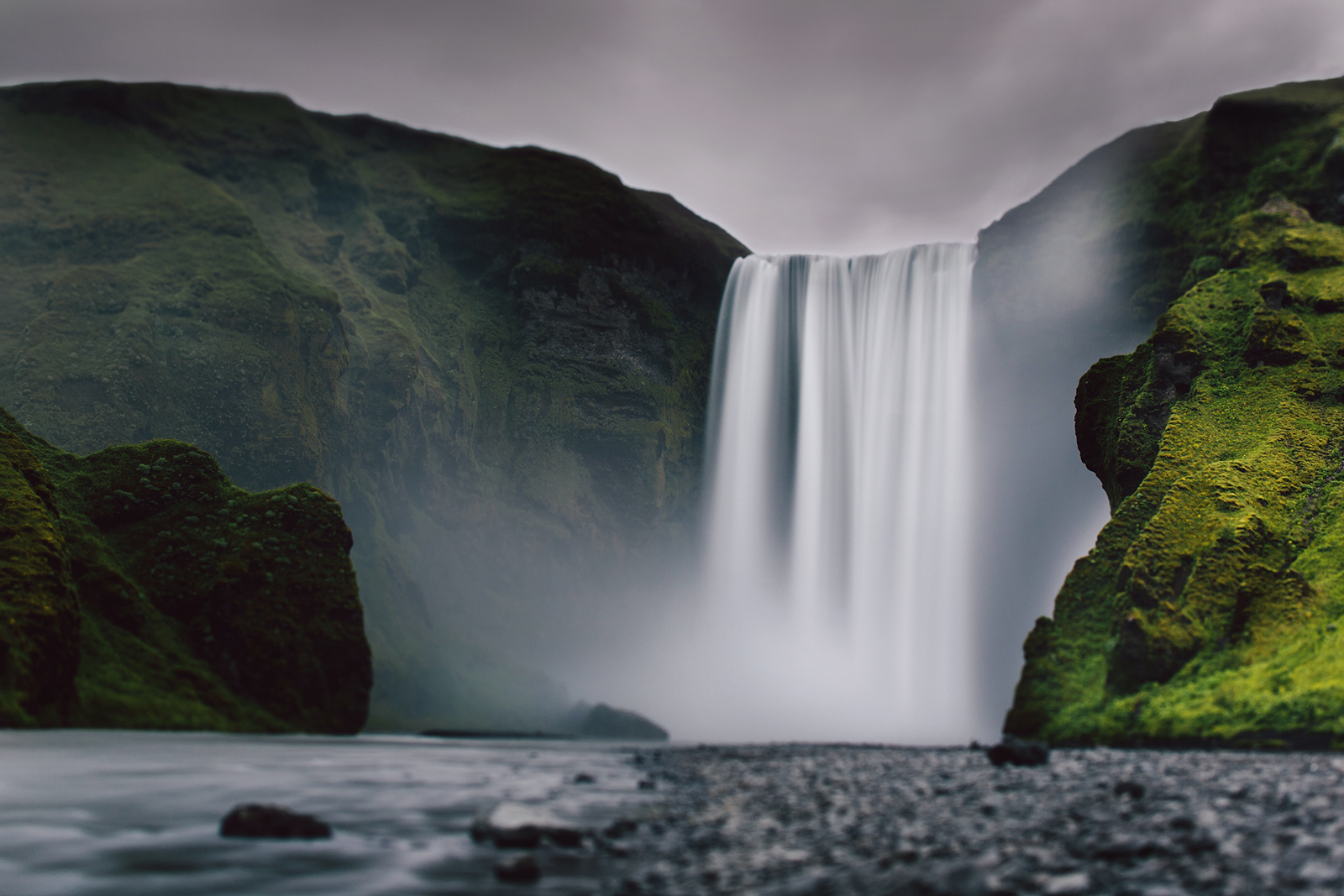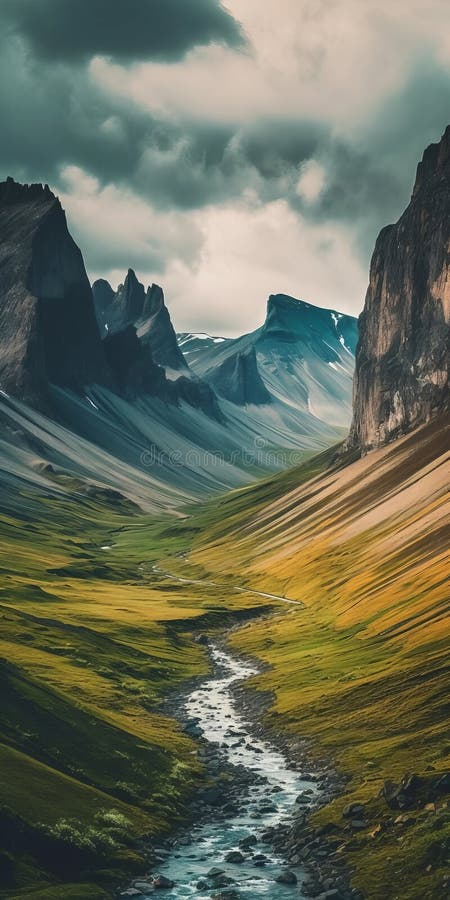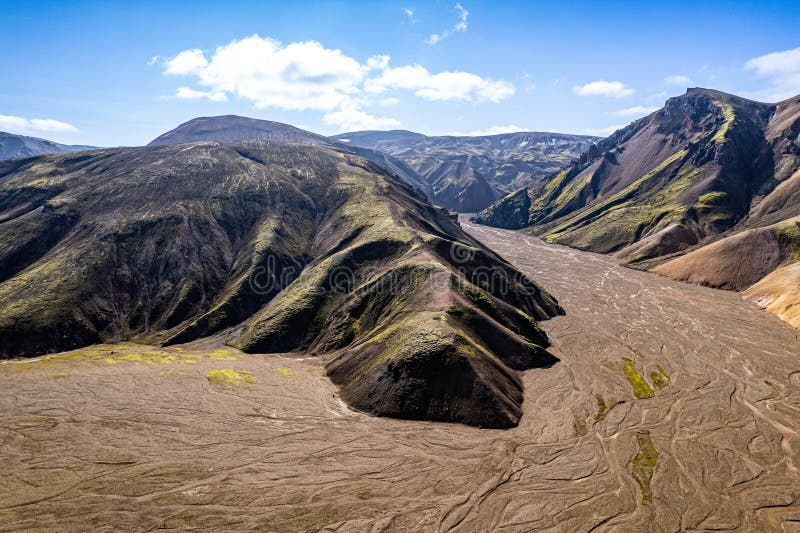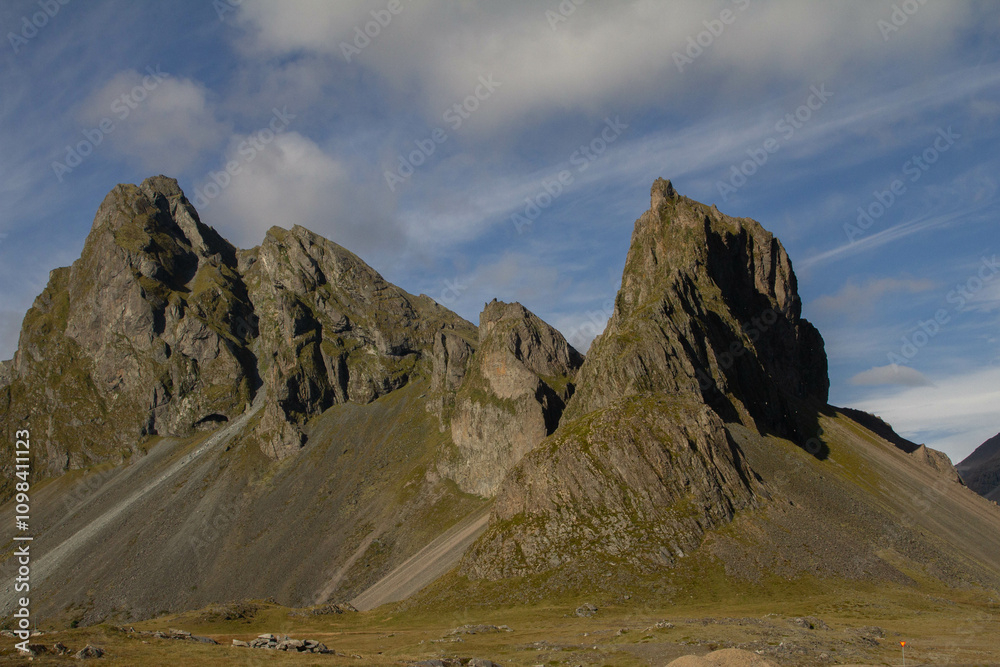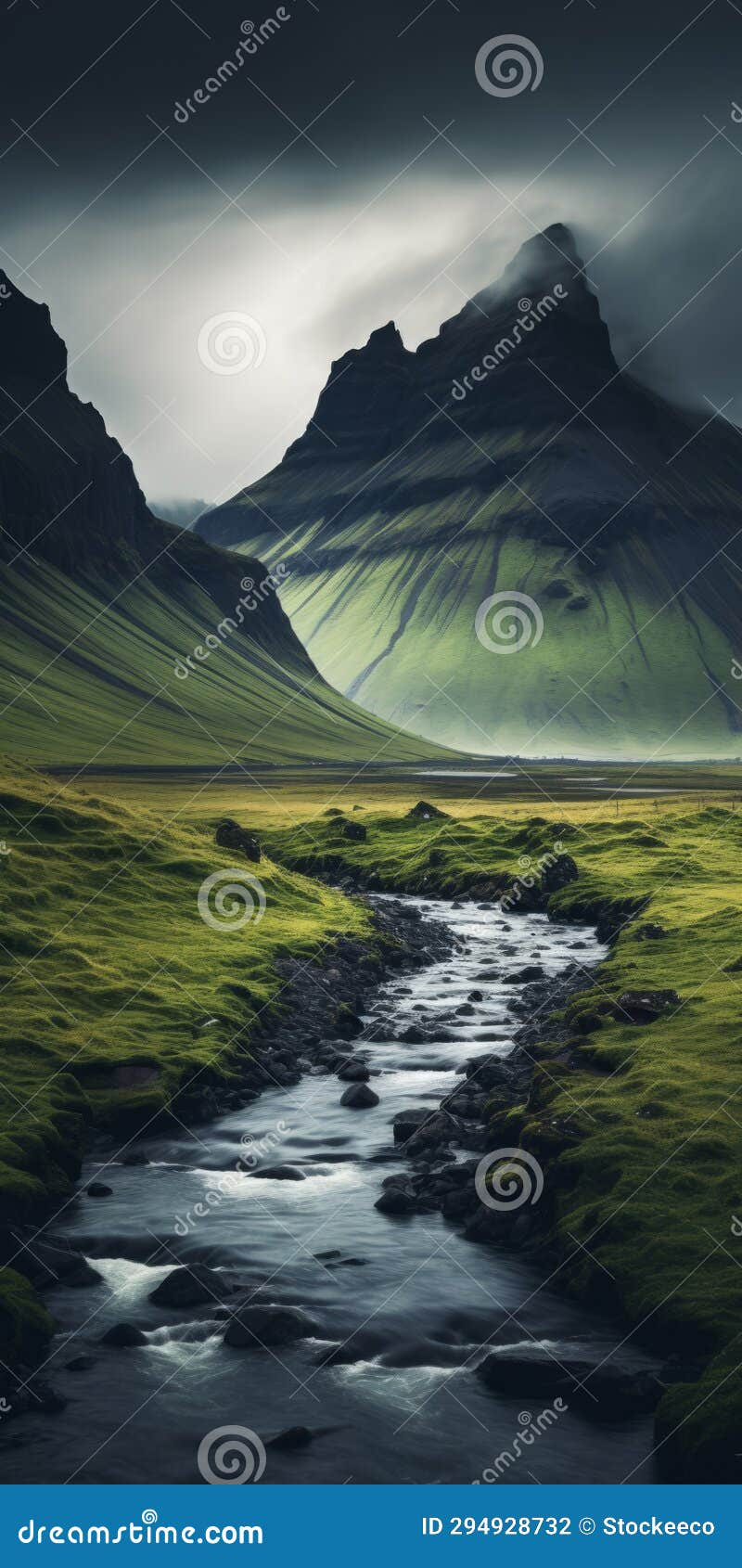
Iceland’s landscape tells stories older than memory, carved by volcanic fury and glacial patience. These mountains aren’t just rocks and snow – they’re ancient witnesses to nature’s most dramatic performances. Every ridge, every crevasse, every shadow holds secrets of fire and ice colliding across millennia. If you’ve ever stood before one of these giants and felt something deeper than mere awe, then you know why painters have been drawn to these peaks for generations.
There’s something profoundly moving about painting Iceland’s peaks. These aren’t the gentle hills of pastoral landscapes – they’re the raw, untamed expressions of our planet’s inner workings. Volcanic craters sit beside glacial valleys like ancient scars telling tales of explosive birth and slow, patient erosion. The interplay between fire and ice creates a visual symphony that demands to be captured on canvas. Whether you’re sketching from a weathered cabin window or standing atop a mountain’s edge, these peaks challenge artists to find new ways to express their wild beauty.
Understanding Iceland’s Geological Story
Before you even pick up a brush, you need to understand what makes these peaks so special. Iceland sits directly on the Mid-Atlantic Ridge, where tectonic plates pull apart and magma pushes up from deep within the earth. This constant geological activity creates mountains that are still forming, still changing. Glaciers, some over a thousand years old, have carved these landscapes into dramatic shapes. The result? Peaks that seem to pulse with life, their surfaces marked by recent volcanic activity and ancient ice movement.
The contrast between young volcanic rock and ancient glacial formations creates a visual feast. Fresh basalt looks almost black against white snow, while older rock shows hints of rust and weathering. These mountains tell us about the planet’s age, its movements, and its ongoing transformation. Understanding this story helps you paint not just what you see, but what you feel when you stand before these giants.
Lighting and Weather Conditions That Define the Scene
Iceland’s light is unlike anywhere else on Earth. The Northern Lights dance across dark skies, while the midnight sun blazes for months during summer. This extreme lighting creates challenges and opportunities for painters. During winter, the harsh light from the sun creates sharp shadows and bright highlights that emphasize the starkness of the terrain. In summer, the continuous daylight softens forms and reveals subtle color variations in the rock.
The weather plays an equally important role. Snow can transform a familiar peak into something completely different, while rain or fog can create mysterious moods that add depth to your work. A storm approaching can shift the entire atmosphere of your scene, changing the way light hits the peaks and creating drama that lasts for hours. Learning to read these conditions isn’t just about timing your painting sessions – it’s about understanding how nature itself becomes part of your composition.
Color Theory for Volcanic and Glacial Landscapes
The colors found in Icelandic peaks are often unexpected. You won’t find the typical green and brown of forested mountains. Instead, you’ll encounter earth tones that range from deep purples to burnt sienna, with touches of blue from glacial meltwater and white from fresh snow. The interaction between volcanic materials and glacial melt creates unique hues that change throughout the day.
Consider how the same mountain might appear differently under morning light versus evening light. The volcanic rock might show hints of red and orange in the early hours, while the same surface appears gray and cold in the afternoon. Snow reflects different colors depending on what it touches – blue from glacier water, green from lichen-covered rocks, or even purple from certain mineral deposits. Understanding these subtle shifts allows you to create paintings that feel alive and responsive to their environment.
Brush Techniques for Texture and Movement
Painting Iceland’s peaks requires mastering textures that represent both hardness and gentleness. The volcanic rock needs to look solid and substantial, while the snow must appear soft and powdery. Different brush strokes create these effects in surprising ways. Dry brushing can capture the rough edges of volcanic formations, while soft blending helps suggest the way wind shapes snow on mountain slopes.
The key is understanding that these peaks don’t exist in flat planes. They have layers – the solid rock base, the snow cap, the shadows that fall into crevices, and the way light catches different surfaces. Using a variety of brush sizes lets you capture everything from the fine details of frost patterns to the broad sweep of a mountain range. Sometimes the best technique is simply letting the paint flow naturally, allowing gravity and the canvas to create organic textures rather than forcing artificial ones.
Composition Strategies for Dramatic Mountain Scenes
Great mountain paintings often use the rule of thirds, but they also employ what artists call ‘the power of the horizon.’ In Iceland, that horizon line might be dramatically low because of the steep mountain faces, or it might be high and distant, showing the vastness of the landscape. The placement of your main peak is crucial – sometimes it should dominate the center, other times it works better as a strong element in the foreground that draws the eye across the scene.
Consider using leading lines created by ridges, valleys, or paths to guide viewers through your painting. These elements help create depth and movement, making viewers feel like they’re walking through the landscape rather than just looking at it. The relationship between foreground, middle ground, and background becomes even more important when dealing with the dramatic scale of Icelandic peaks. You want to make sure viewers can appreciate both the immediate details and the grand sweep of the terrain.
Practical Tips for Working in Harsh Conditions
Working outdoors in Iceland’s climate means preparing for everything from driving rain to freezing temperatures. Your paints and brushes will behave differently in cold weather, so having a good selection of fast-drying mediums can save you from having to start over. Protecting your work from wind and weather is essential, especially if you’re painting in exposed locations.
Layering techniques become particularly important in challenging conditions. Start with basic shapes and values, then build up details gradually. This approach helps prevent your work from getting damaged by sudden weather changes. Having backup plans is smart too – knowing when to move indoors or adjust your approach can mean the difference between a finished piece and a half-finished mess. Remember, some of the most beautiful paintings come from working with the conditions rather than against them.
Painting Iceland’s peaks is more than just capturing scenery – it’s about translating the feeling of standing before something truly ancient and powerful. These mountains speak to us about time, change, and the incredible forces that shape our world. Every brushstroke carries the weight of geological history, every color tells a story of fire and ice. When you’re ready to take on these challenges, remember that the most important thing isn’t perfection – it’s honesty to what you observe and feel. Let the peaks guide you, not just visually but emotionally. They’ve been waiting patiently for someone to share their story through paint. The canvas is your stage, and these magnificent landscapes are your audience, eager to hear what you have to say about their enduring beauty.
[sps_html tag=”img” src=”https://cdn.theartssection.com/wp-content/uploads/2025/11/raw-beauty-iceland-frothers-gallery-with-regard-to-off-road-iceland-mountains-landscape-wall-art-canvas-print-1-panel.jpg” alt=”Raw Beauty, Iceland. - Frothers Gallery with regard to "Off-Road Iceland Mountains" Landscape Wall Art Canvas Print", 1 Panel” style=”width: 100%; height: auto;”]
[sps_html tag=”img” src=”https://cdn.theartssection.com/wp-content/uploads/2025/11/colorful-volcanic-landmannalaugar-mountains-in-a-scenic-rugged-intended-for-off-road-iceland-mountains-landscape-wall-art-canvas-print-1-panel.jpg” alt=”Colorful Volcanic Landmannalaugar Mountains In A Scenic Rugged … intended for "Off-Road Iceland Mountains" Landscape Wall Art Canvas Print", 1 Panel” style=”width: 100%; height: auto;”]
[sps_html tag=”img” src=”https://cdn.theartssection.com/wp-content/uploads/2025/11/icelandic-mountains-nature-inspired-spectacular-backdrops-stock-intended-for-off-road-iceland-mountains-landscape-wall-art-canvas-print-1-panel.jpg” alt=”Icelandic Mountains: Nature-Inspired Spectacular Backdrops Stock … intended for "Off-Road Iceland Mountains" Landscape Wall Art Canvas Print", 1 Panel” style=”width: 100%; height: auto;”]
[sps_html tag=”img” src=”https://cdn.theartssection.com/wp-content/uploads/2025/11/capturing-the-majestic-beauty-of-iceland-s-valley-with-stream-and-within-understanding-the-raw-beauty-of-icelandic-mountain-terrain-in-visual-form.jpg” alt=”Capturing The Majestic Beauty Of Iceland S Valley With Stream And … within Understanding the Raw Beauty of Icelandic Mountain Terrain in Visual Form” style=”width: 100%; height: auto;”]
[sps_html tag=”img” src=”https://cdn.theartssection.com/wp-content/uploads/2025/11/majestic-icelandic-mountains-towering-over-the-landscape-with-rugged-within-off-road-iceland-mountains-landscape-wall-art-canvas-print-1-panel.jpg” alt=”Majestic Icelandic Mountains Towering Over The Landscape, With Rugged … within "Off-Road Iceland Mountains" Landscape Wall Art Canvas Print", 1 Panel” style=”width: 100%; height: auto;”]