In the rolling fields of America’s heartland, where corn rows stretch endlessly toward the horizon, stand ancient structures that speak volumes about our national character. These aren’t just buildings—they’re storytellers. Traditional barns, those weathered wooden sentinels that dot the landscape from Maine to Montana, have become deeply embedded in how we see ourselves as Americans. They represent something fundamental about our relationship with the land, with each other, and with our past.
When you think about American identity, what comes to mind? Maybe the Statue of Liberty, or the freedom of the open road, or the promise of the frontier. But there’s another visual language that speaks to us deeply—traditional barns. These structures aren’t merely agricultural buildings; they’re architectural poetry that captures the essence of what it means to be American. Whether painted bright red or weathered gray, these barns tell stories of hard work, family legacy, and the deep connection between people and the land they tend. They’ve been immortalized in countless paintings, photographs, and literary works, becoming icons that represent not just farming life but the very soul of rural America.
The Architectural Language of Rural America
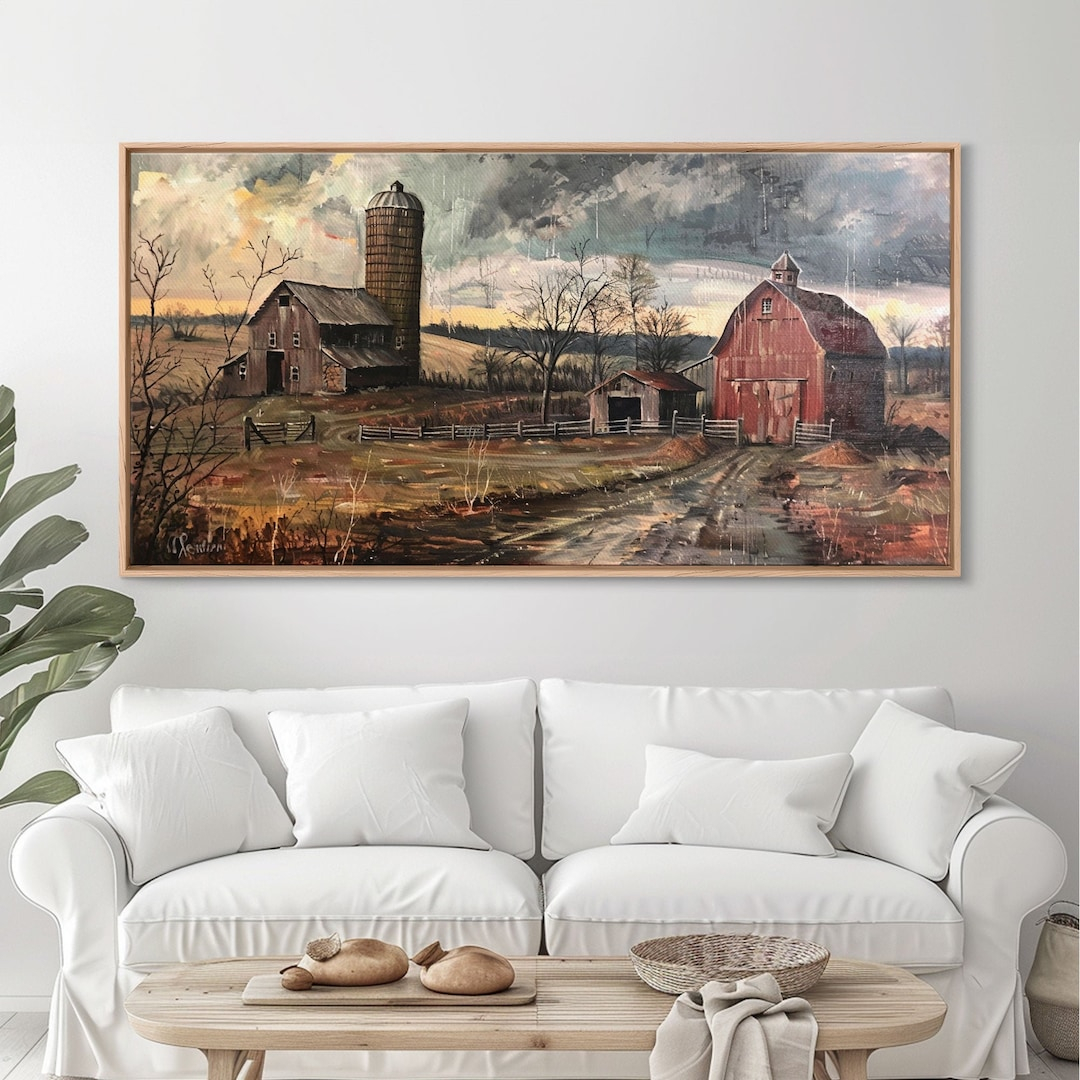
Traditional barns are more than just functional spaces for storing grain and housing livestock. They’re a visual vocabulary that tells us about American values. The way they’re built reflects practicality, durability, and ingenuity—qualities that Americans hold dear. Take the iconic red barn, for instance. That bright color wasn’t chosen for aesthetics alone. It was practical, protecting the wood from weather damage while creating a striking silhouette against the sky. Many farmers painted their barns red because it was inexpensive and effective. This practical approach to design speaks to a distinctly American mindset—making do with what you have and doing it well.
Consider how barns are positioned in relation to farmhouses. Often, they’re placed to take advantage of prevailing winds for ventilation, or designed to catch morning light. These decisions weren’t random—they were made based on generations of experience and observation. This thoughtful planning shows respect for both the environment and the craft involved in building. When artists paint these scenes, they’re capturing not just architecture, but a philosophy of life that emphasizes working with nature rather than against it.
Barns as Cultural Landmarks
Every region has its own barn style, and these differences reflect local traditions and available materials. In New England, you’ll find barns with distinctive gabled roofs and white-painted sides, often built with local stone foundations. The Pennsylvania Dutch style features intricate wooden details and sometimes even carved elements. The Midwest tends toward simpler designs, emphasizing function over ornamentation. These regional variations create a patchwork of architectural styles across the country, each telling its own story.
This diversity mirrors the broader American experience—many different groups contributing to one nation. When artists choose to depict barns, they’re often highlighting this cultural richness. A painting might show a Pennsylvania Dutch barn next to a modern farmhouse, illustrating how tradition and progress coexist. These artworks become bridges between past and present, showing that while times change, certain values remain constant. The barn becomes a symbol of continuity in an ever-changing world.
Symbolism in Visual Art
Artists have long used barns as metaphors for deeper meanings. In American painting, particularly during the 19th century, barns often represented stability and permanence amid the rapid changes of industrialization. They stood as witnesses to the transformation of agriculture and society. The humble barn became a symbol of the common man’s dignity and hard work.
Think of the famous American landscape painters like Frederic Church or Thomas Cole, who depicted rural scenes that celebrated the beauty and grandeur of the American landscape. Barns were often part of these compositions, grounding the vastness of nature in human scale and meaning. In more recent decades, artists like Andrew Wyeth captured the quiet dignity of farm life, including barns as essential elements of rural character.
Even contemporary artists continue this tradition. Modern photographers like Stephen Shore have documented barns across America, showing how these structures have evolved while maintaining their essential character. The barn remains a powerful symbol of American resilience and adaptability.
Community and Belonging
Barns are social hubs as much as they are physical structures. In small towns, a barn might serve multiple purposes—harvest celebration venue, community meeting place, or simply a gathering spot for neighbors. The idea of community is central to American identity, and barns embody this concept perfectly. They represent shared labor, collective effort, and mutual support.
In art, this sense of community often comes through the relationships between the barn and surrounding elements. Artists frequently include people working around the barn, children playing nearby, or families gathered for seasonal events. These images communicate that the barn isn’t just a building—it’s part of a living, breathing community. When you look at these paintings or photographs, you feel the warmth of human connection and shared purpose.
This communal aspect of barns makes them powerful symbols for American democracy. They represent the idea that success comes from working together, not just individual achievement. The barn becomes a metaphor for the American dream of building something meaningful through cooperation and dedication.
Timelessness and Change
What’s remarkable about barns in American art is how they represent both permanence and evolution. They’ve survived centuries of change, adapting to new technologies and changing needs while retaining their essential character. An old barn might have had its roof replaced, its doors updated, or its interior reconfigured—but it still stands as the same structure that once housed the same animals and stored the same grain.
This quality resonates deeply with American identity. We’re a nation built on change and innovation, yet we also treasure what’s lasting and reliable. The barn embodies this tension beautifully. Artists who paint barns often emphasize their weathered appearance—the signs of time and use that make them seem more real and honest than newer buildings. This emphasis on authenticity appeals to our desire for genuine experiences and honest representations of life.
The contrast between old and new barns in artwork also shows how American culture evolves while maintaining core values. A painting might show a restored historic barn alongside a modern agricultural facility, suggesting that progress doesn’t mean abandoning the past. This balance between honoring tradition and embracing innovation reflects how many Americans see themselves.
Modern Interpretations and Contemporary Relevance
Today’s artists continue to find inspiration in barns, but they’re also reinterpreting what these structures mean in modern times. Some focus on the nostalgia they evoke, creating romanticized versions that idealize farm life. Others examine the reality of modern agriculture, showing barns that struggle with changing economic conditions or environmental challenges.
Contemporary artists are also using barns to comment on larger themes like sustainability, food systems, and rural revitalization. A recent exhibition featured artists who showed barns as symbols of local food movements, highlighting the connection between traditional farming practices and modern concerns about healthy eating and environmental stewardship. These interpretations demonstrate that barns remain relevant to current American conversations.
The ongoing popularity of barn-inspired art also suggests that Americans still value the principles these structures represent. Whether it’s the craftsmanship, the community focus, or the connection to the land, these elements continue to resonate with people who may live in cities but still feel connected to rural traditions. Barns in art remind us that these values aren’t relics of the past—they’re living ideals that shape how we see ourselves today.
Traditional barns in American art aren’t just pretty pictures or nostalgic reminders of simpler times. They’re complex symbols that capture fundamental aspects of what it means to be American. Through their forms, their functions, and their presence in our visual culture, barns represent practical wisdom, community spirit, and the enduring connection between people and the land. When artists paint these structures, they’re not just documenting buildings—they’re preserving and interpreting our collective memory.
These barns remind us that despite all our technological advances and social changes, some things remain constant. The values of hard work, community cooperation, and respect for the natural world that these structures embody are still central to how many Americans see themselves. As long as barns continue to appear in art, literature, and popular culture, they’ll keep serving as windows into the American character, showing us who we’ve been and who we might still aspire to be. The next time you see a barn in a painting or photograph, remember—it’s not just a building. It’s a story about America itself.
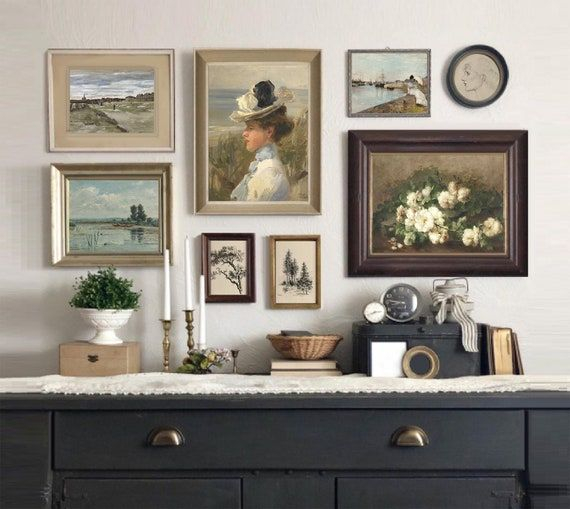
[sps_html tag=”img” src=”https://cdn.theartssection.com/wp-content/uploads/2025/12/vintage-wall-art-collection-stable-diffusion-online-with-patriotic-barn-in-field-vintage-black-and-white-framed-photo-wall-art-print-red-oak.jpg” alt=”Vintage Wall Art Collection | Stable Diffusion Online with Patriotic Barn In Field Vintage Black And White Framed Photo Wall Art Print, Red Oak” style=”width: 100%; height: auto;”]
[sps_html tag=”img” src=”https://cdn.theartssection.com/wp-content/uploads/2025/12/printable-vintage-gallery-wall-art-set-neutral-french-country-home-regarding-patriotic-barn-in-field-vintage-black-and-white-framed-photo-wall-art-print-red-oak.jpg” alt=”Printable Vintage Gallery Wall Art Set | Neutral French Country Home … regarding Patriotic Barn In Field Vintage Black And White Framed Photo Wall Art Print, Red Oak” style=”width: 100%; height: auto;”]
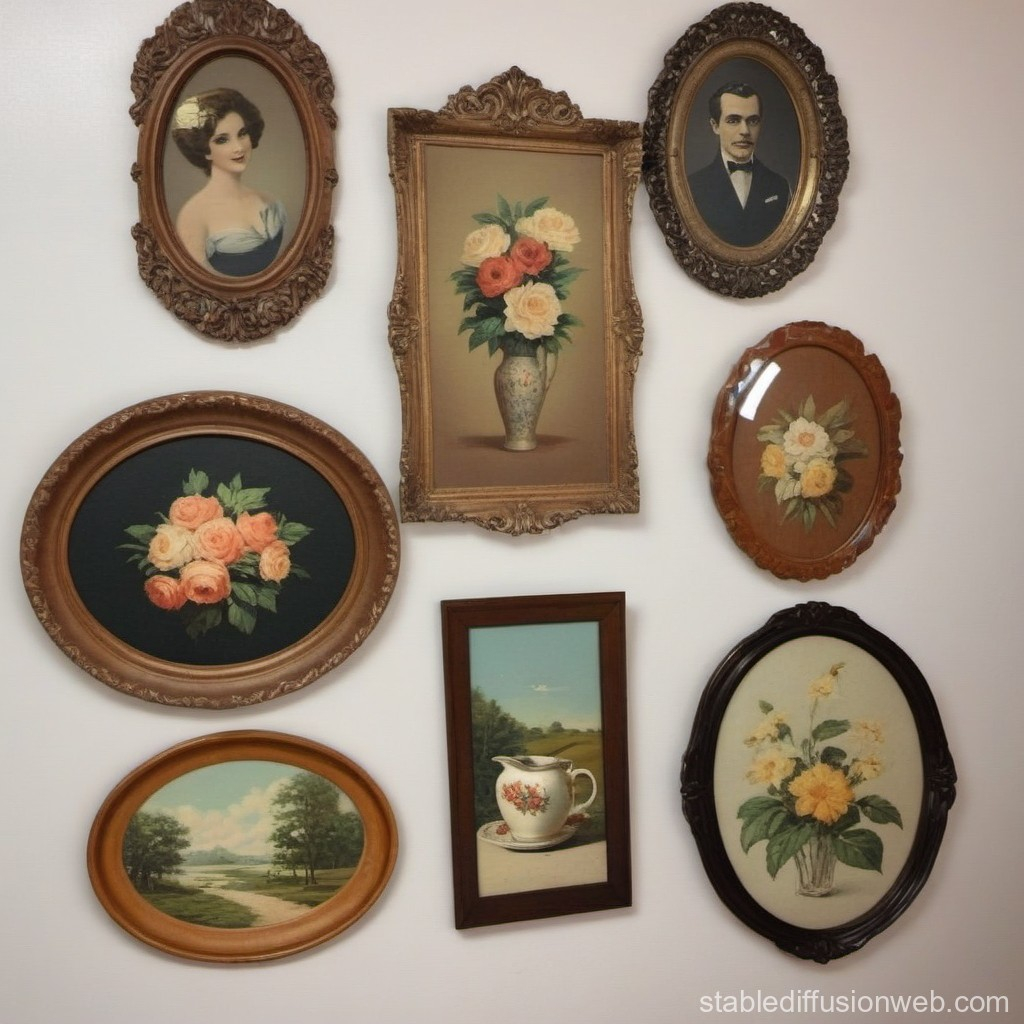
[sps_html tag=”img” src=”https://cdn.theartssection.com/wp-content/uploads/2025/12/vintage-farm-scene-with-silos-framed-canvas-print-rustic-wall-art-pertaining-to-patriotic-barn-in-field-vintage-black-and-white-framed-photo-wall-art-print-red-oak.jpg” alt=”Vintage Farm Scene With Silos, Framed Canvas Print, Rustic Wall Art … pertaining to Patriotic Barn In Field Vintage Black And White Framed Photo Wall Art Print, Red Oak” style=”width: 100%; height: auto;”]
[sps_html tag=”img” src=”https://cdn.theartssection.com/wp-content/uploads/2025/12/unique-and-charming-vintage-wall-decor-ideas-within-patriotic-barn-in-field-vintage-black-and-white-framed-photo-wall-art-print-red-oak.jpg” alt=”Unique And Charming Vintage Wall Decor Ideas within Patriotic Barn In Field Vintage Black And White Framed Photo Wall Art Print, Red Oak” style=”width: 100%; height: auto;”]
[sps_html tag=”img” src=”https://cdn.theartssection.com/wp-content/uploads/2025/12/amazon-com-97-decor-vintage-wall-art-prints-16-pcs-french-country-for-preserving-agricultural-history-through-vintage-wall-art.jpg” alt=”Amazon.com: 97 Decor Vintage Wall Art Prints - 16 Pcs French Country … for Preserving Agricultural History Through Vintage Wall Art” style=”width: 100%; height: auto;”]